VLDL Cholesterol: What It Is and Why It Matters
Understanding VLDL cholesterol, its impact on heart health, and how to manage it effectively.
What Is VLDL Cholesterol?
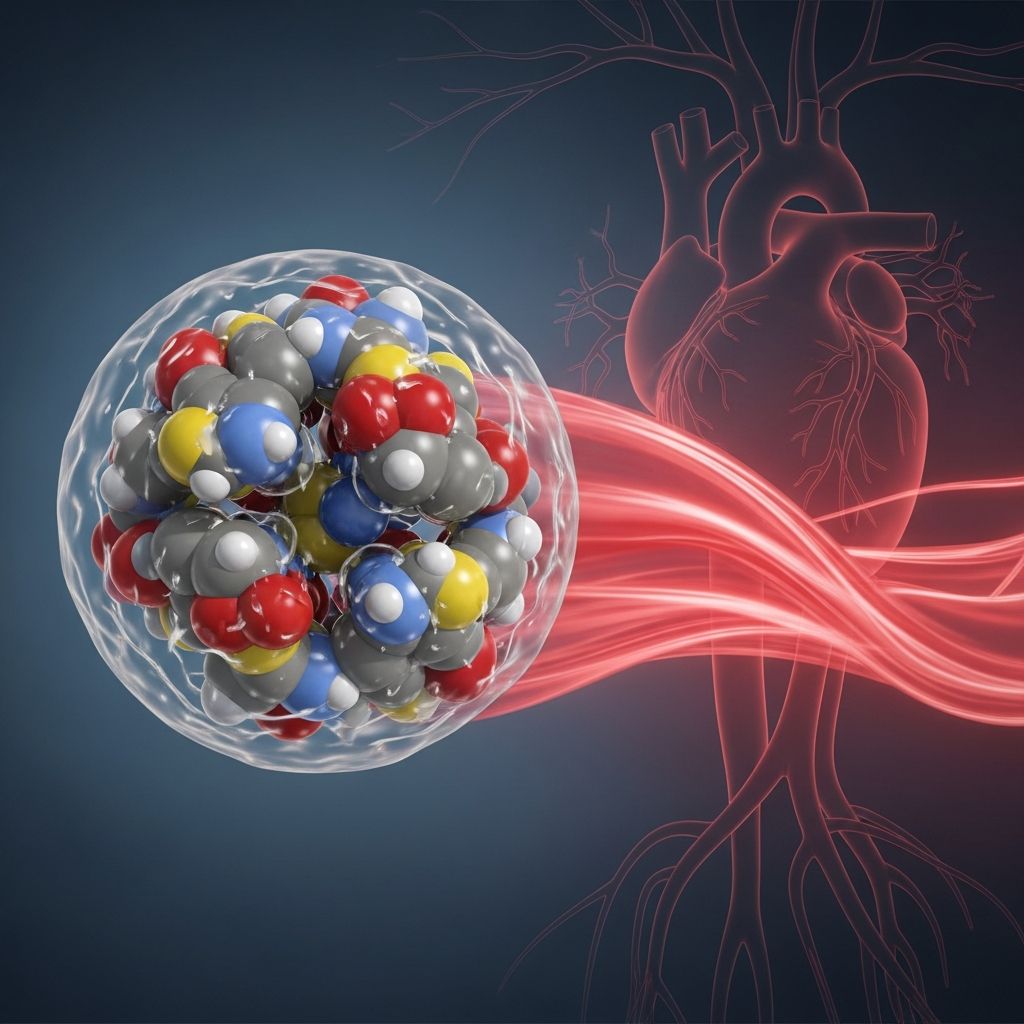
VLDL, or very low-density lipoprotein, is a type of lipoprotein particle produced by your liver. Its main job is to carry triglycerides—fats that your body uses for energy—through your bloodstream to tissues that need them. While VLDL also carries some cholesterol, its primary cargo is triglycerides. This makes VLDL different from LDL (low-density lipoprotein), which is known as “bad” cholesterol because it mainly transports cholesterol.
How VLDL Differs From Other Cholesterol Types
There are several types of cholesterol and lipoproteins in your blood, each with a different role:
- LDL (Low-Density Lipoprotein): Known as “bad” cholesterol, LDL carries cholesterol to your arteries. High levels can lead to plaque buildup and heart disease.
- HDL (High-Density Lipoprotein): Known as “good” cholesterol, HDL helps remove cholesterol from your arteries and carries it back to your liver for disposal.
- VLDL (Very Low-Density Lipoprotein): Primarily carries triglycerides, but also some cholesterol. High levels are linked to increased heart disease risk.
- Triglycerides: A type of fat in your blood that your body uses for energy. High levels are often seen with high VLDL.
Why VLDL Matters for Heart Health
High levels of VLDL cholesterol are a concern because they contribute to the development of atherosclerosis—the buildup of plaque in your arteries. This plaque can narrow or block blood flow, increasing your risk of heart attack and stroke. VLDL is especially problematic because:
- It carries triglycerides, which can raise your risk of heart disease when elevated.
- It can change into LDL cholesterol, further increasing plaque buildup.
- High VLDL is often seen in people with insulin resistance, type 2 diabetes, and metabolic syndrome, all of which are risk factors for heart disease.
How VLDL Is Measured
There is no direct test for VLDL cholesterol. Instead, doctors estimate your VLDL level by dividing your triglyceride level by 5. This works because VLDL particles carry about five times more triglycerides than cholesterol. For example, if your triglyceride level is 150 mg/dL, your estimated VLDL level would be 30 mg/dL.
VLDL is not always included in standard lipid panels, but it can be calculated if your triglyceride level is high. The ideal VLDL level is below 30 mg/dL. Levels at or above 30 mg/dL are considered high and may signal a problem with cholesterol metabolism or insulin resistance.
Normal VLDL and Triglyceride Levels
| Age Group | Triglycerides (mg/dL) | VLDL (mg/dL) |
|---|---|---|
| Adults | Below 150 | Below 30 |
| Children (19 and younger) | Below 75 | Below 15 |
Causes of High VLDL Cholesterol
Several factors can lead to high VLDL levels, including:
- Insulin resistance: When your body doesn’t respond well to insulin, it can cause your liver to produce more VLDL.
- Type 2 diabetes: People with diabetes often have high triglycerides and VLDL.
- Metabolic syndrome: A group of conditions that increase heart disease risk, including high blood pressure, high blood sugar, excess body fat, and abnormal cholesterol levels.
- Chronic kidney disease (CKD): CKD can raise triglycerides and VLDL while lowering HDL (“good” cholesterol).
- Diet: Eating too many refined carbohydrates and saturated fats can increase VLDL.
- Obesity: Excess body weight is linked to higher VLDL and triglycerides.
- Lack of physical activity: Inactivity can worsen cholesterol and triglyceride levels.
- Genetics: Some people inherit a tendency to have high VLDL or triglycerides.
Related Stories



Symptoms of High VLDL Cholesterol
High VLDL cholesterol usually doesn’t cause symptoms. Most people only find out they have high VLDL when they get a lipid panel blood test. However, if high VLDL leads to atherosclerosis, you may experience symptoms of heart disease, such as chest pain, shortness of breath, or fatigue.
How High VLDL Affects the Body
High VLDL cholesterol can have several negative effects on your body:
- Increases plaque buildup: VLDL contributes to the formation of plaque in your arteries, which can lead to heart attack or stroke.
- Raises triglyceride levels: High VLDL means more triglycerides in your blood, which is a risk factor for heart disease.
- Worsens insulin resistance: High VLDL is often seen in people with insulin resistance, which can lead to type 2 diabetes.
- Changes LDL structure: High VLDL can lead to the formation of “small dense” LDL particles, which are more likely to cause artery damage.
How to Lower VLDL Cholesterol
Lowering VLDL cholesterol can help reduce your risk of heart disease. Here are some effective strategies:
- Healthy diet: Eat a diet rich in fruits, vegetables, whole grains, lean proteins, and healthy fats. Limit refined carbohydrates, saturated fats, and added sugars.
- Regular exercise: Aim for at least 150 minutes of moderate-intensity exercise per week, such as brisk walking or cycling.
- Weight management: Losing excess weight can help lower VLDL and triglycerides.
- Limit alcohol: Drinking too much alcohol can raise triglycerides and VLDL.
- Quit smoking: Smoking can worsen cholesterol levels and heart disease risk.
- Medications: If lifestyle changes aren’t enough, your doctor may prescribe medications such as statins, fibrates, or niacin to lower VLDL and triglycerides.
When to See a Doctor
You should talk to your doctor if you have risk factors for high VLDL cholesterol, such as:
- A family history of high cholesterol or heart disease
- Diabetes or insulin resistance
- Obesity
- High blood pressure
- Chronic kidney disease
Your doctor may recommend regular lipid panel tests to monitor your cholesterol and triglyceride levels.
Frequently Asked Questions (FAQs)
Q: What is the difference between VLDL and LDL cholesterol?
A: VLDL mainly carries triglycerides, while LDL mainly carries cholesterol. Both can contribute to plaque buildup in arteries, but VLDL is more closely linked to high triglycerides.
Q: How is VLDL cholesterol measured?
A: VLDL is estimated by dividing your triglyceride level by 5. There is no direct test for VLDL.
Q: What is a normal VLDL level?
A: A normal VLDL level is below 30 mg/dL. Levels at or above 30 mg/dL are considered high.
Q: Can high VLDL cause symptoms?
A: High VLDL usually doesn’t cause symptoms. Most people only find out they have high VLDL through a blood test.
Q: How can I lower my VLDL cholesterol?
A: You can lower VLDL by eating a healthy diet, exercising regularly, managing your weight, limiting alcohol, quitting smoking, and taking medications if needed.
Q: Is VLDL cholesterol more dangerous than LDL?
A: Both VLDL and LDL can increase heart disease risk, but VLDL is especially concerning because it raises triglycerides and can lead to the formation of more harmful LDL particles.
Q: Can children have high VLDL cholesterol?
A: Yes, high VLDL can start in childhood or adolescence, especially in children with obesity, diabetes, or a family history of high cholesterol.
Q: Does high VLDL always mean I have heart disease?
A: High VLDL increases your risk of heart disease, but it doesn’t mean you have heart disease. Other factors, such as LDL, HDL, and lifestyle, also play a role.
Q: Can supplements lower VLDL cholesterol?
A: Most dietary supplements do not significantly lower VLDL or triglycerides. Statins and other prescription medications are more effective for lowering cholesterol and triglycerides.
Q: How often should I get my VLDL checked?
A: The frequency of testing depends on your risk factors. People with high cholesterol, diabetes, or other heart disease risk factors may need more frequent tests.
References
- High Cholesterol: Causes, Symptoms and How It Affects the Body — Cleveland Clinic. 2023. https://my.clevelandclinic.org/health/articles/11918-cholesterol-high-cholesterol-diseases
- What Is VLDL (Very Low-Density Lipoprotein)? — HealthCentral. 2023. https://www.healthcentral.com/condition/high-cholesterol/vldl-cholesterol
- Cholesterol: Understanding Levels & Numbers — Cleveland Clinic. 2023. https://my.clevelandclinic.org/health/articles/11920-cholesterol-numbers-what-do-they-mean
Similar Articles








Read full bio of medha deb