VO2 Max: What Is It and How Can You Improve It
Master aerobic fitness: Understanding VO2 max and proven strategies to boost your cardiovascular performance.
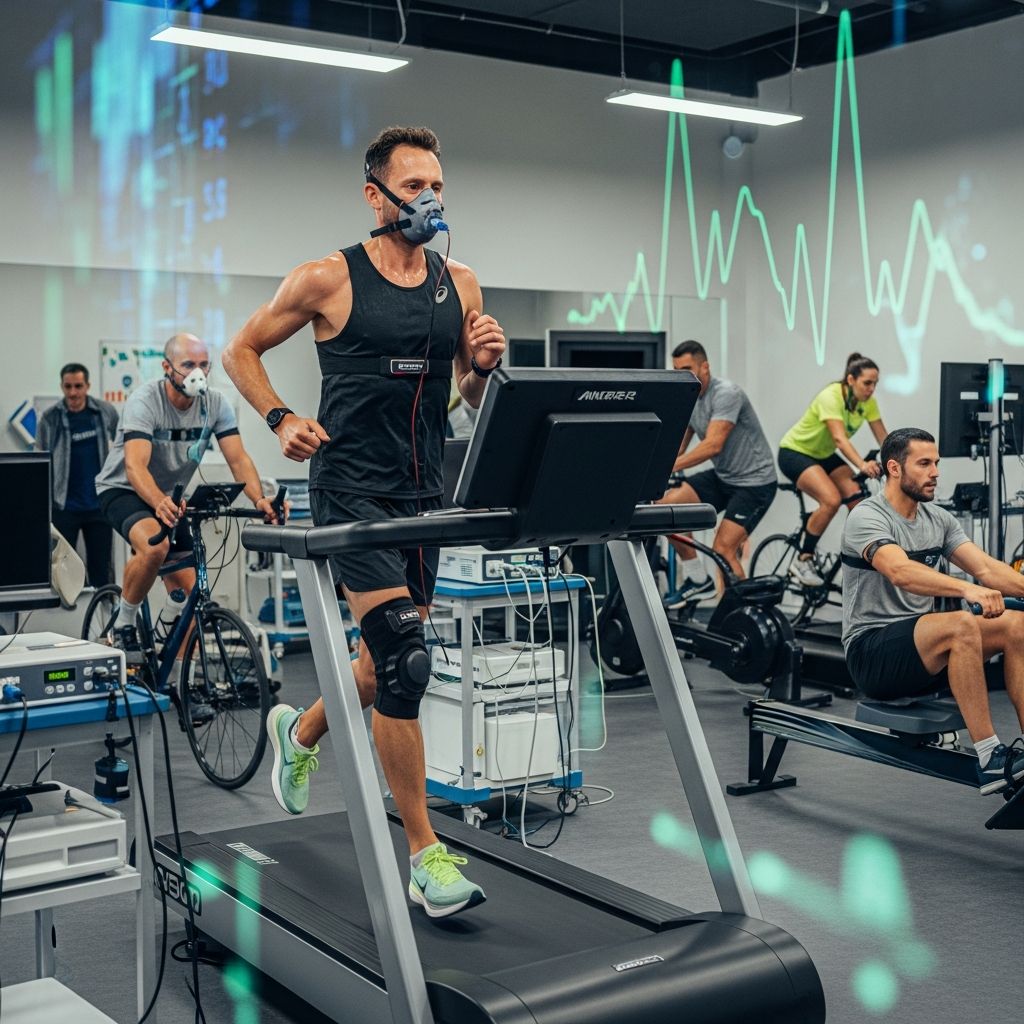
VO2 max is one of the most important indicators of your overall cardiovascular fitness and aerobic capacity. Whether you’re an athlete looking to enhance performance or someone interested in improving your long-term health, understanding VO2 max can help you set meaningful fitness goals and track your progress over time. This comprehensive guide explores what VO2 max is, why it matters, how it’s measured, and the most effective strategies to improve it.
What Exactly Is VO2 Max?
VO2 max, also called maximal oxygen uptake or aerobic capacity, represents the maximum volume of oxygen your body can utilize during intense physical activity. More specifically, it’s measured in milliliters of oxygen per kilogram of body weight per minute (mL/kg/min). The higher your VO2 max number, the better your aerobic fitness level and your body’s ability to convert oxygen into energy.
Your body uses oxygen as a critical fuel source during exercise. When you breathe, oxygen is transported through your bloodstream by red blood cells to your muscles. Once there, mitochondria within muscle cells utilize this oxygen to transform stored energy into the fuel needed for movement. The more efficiently your body can perform this process, the longer and harder you can exercise before exhausting your aerobic energy system.
Think of VO2 max like an engine capacity analogy: a car with a larger engine can produce more power without working as hard as a smaller-engine vehicle operating at the same speed. Similarly, individuals with higher VO2 max can sustain greater intensities of exercise more comfortably than those with lower scores.
Understanding VO2 Max Scores and Standards
VO2 max scores vary significantly based on age, sex, and fitness level. According to fitness certification standards, a ‘good’ VO2 max score for females aged 20-29 ranges from 33 to 36.9 mL/kg/min, while for males in the same age group, it’s between 42.5 and 46.4 mL/kg/min. These benchmarks help establish realistic targets for different demographics.
It’s important to recognize that VO2 max naturally declines with age. However, this decline is not inevitable or unchangeable. Regular physical training, particularly high-intensity exercise, can maintain or even improve your VO2 max throughout your lifetime, slowing the age-related decline that typically occurs.
Why VO2 Max Matters: The Health Benefits
Improving your VO2 max extends far beyond athletic performance improvements. Research has demonstrated compelling connections between aerobic fitness and overall health outcomes.
Cardiovascular and Metabolic Health
One of the most significant benefits of a higher VO2 max is improved cardiovascular health. Studies have consistently shown that increased aerobic capacity is associated with a reduced risk of heart disease, one of the leading causes of death in developed nations. Additionally, higher VO2 max levels are linked to lower risks of diabetes and metabolic complications, which are increasingly common health challenges.
Cancer and Stroke Prevention
Beyond heart disease and diabetes, research indicates that improving your VO2 max is associated with a reduced risk of stroke and certain cancers. These connections underscore the importance of cardiovascular fitness as a foundational component of preventive health care.
Related Stories



Longevity and Healthy Aging
Perhaps most compelling is the relationship between VO2 max and longevity. A comprehensive meta-analysis examining multiple studies found a strong association between cardiovascular fitness and all-cause mortality risk, meaning that the better your VO2 max, the lower your overall risk of death from any cause. This suggests that VO2 max is not merely a fitness metric but a genuine predictor of how long and healthfully you might live.
One notable study found that increasing VO2 max produced greater health benefits than improving other major risk factors, such as quitting smoking or reducing blood pressure, highlighting its outsized importance in health outcomes.
Quality of Life Benefits
Beyond disease prevention, improving aerobic fitness is associated with better sleep quality and an overall improved quality of life. The cardiovascular improvements that boost VO2 max create a cascade of benefits affecting energy levels, mental health, and daily functioning.
How VO2 Max Is Measured
Understanding how VO2 max is tested can help you decide whether formal testing is right for your fitness goals.
Maximal Exercise Testing
The gold standard for measuring VO2 max is a maximal exercise test conducted in a clinical or sports medicine setting. During this test, you’ll wear a heart rate monitor and a special mask that measures both the oxygen you’re inhaling and the carbon dioxide you’re exhaling. You’ll then perform an aerobic activity—typically running on a treadmill or cycling on a stationary bike—while the intensity gradually increases.
The test continues until you’re exercising at your absolute maximum capacity, at which point your VO2 max measurement is recorded. While intense, the test is relatively brief, typically lasting between 10 and 20 minutes. This clinical measurement provides the most accurate assessment of your aerobic capacity.
Field-Based Estimates
For those without access to laboratory testing, various field tests and estimates can provide reasonable approximations of VO2 max. These include timed running tests, step tests, and various fitness assessment protocols that estimate aerobic capacity based on performance metrics.
Proven Strategies to Improve Your VO2 Max
The good news is that VO2 max is highly trainable. Research has identified several evidence-based approaches to significantly improve your aerobic capacity.
High-Intensity Interval Training (HIIT)
High-intensity interval training stands out as one of the most effective methods for improving VO2 max. A meta-analysis examining 24 studies involving nearly 13,000 participants aged 18 to 84 found that HIIT conferred major benefits for VO2 max, with sprint-interval training significantly increasing cardiorespiratory fitness.
HIIT works by forcing your body to reach or temporarily surpass your anaerobic threshold—the point where your body generates energy without oxygen—before returning to lower aerobic intensity. This repeated pattern of overload causes your heart and lungs to adapt to the increasing demands, improving their capacity and efficiency over time.
Typical HIIT protocols involve exercising at approximately 80 percent of your peak heart rate, while sprint intervals represent ‘all-out’ efforts designed to reach 100 percent of your VO2 max capacity. These maximum-effort efforts are particularly beneficial for strengthening the heart and lungs, enhancing oxygen uptake, and improving overall cardiovascular efficiency.
Tempo and Threshold Running
On the track or road, tempo runs and threshold runs can effectively boost VO2 max. These sessions involve maintaining a comfortably hard pace—faster than easy runs but not quite sprint speed—for extended periods. This training stress teaches your cardiovascular system to handle higher intensities and improves your ability to sustain harder efforts.
Endurance Training
While high-intensity work is crucial for improving VO2 max, endurance training shouldn’t be neglected. Longer, easier-paced runs performed at a conversational pace create important metabolic adaptations. These include improved heart pumping ability, enhanced oxygen delivery to muscles, and better efficiency in oxygen utilization.
Research indicates that mixing interval training with endurance sessions produces even greater advantages than either approach alone. The combination allows your body to become more efficient at using oxygen across different training scenarios and intensities, creating a well-rounded improvement in aerobic capacity.
Timing and Consistency of Activity
Recent research from the National Institute on Aging has revealed an often-overlooked factor: the timing of your physical activity significantly impacts VO2 max development. A study examining 799 adults aged 70 and older found that individuals who performed their peak physical activity earlier in the day demonstrated higher levels of cardiopulmonary fitness as measured by VO2 max, as well as improved walking efficiency.
Moreover, consistency and regularity matter tremendously. Maintaining predictable rest and activity schedules throughout the week—creating a ‘rhythmic’ pattern of behavior—can improve physiological function and VO2 max development, particularly for older adults. This suggests that structure and reliability in your training schedule may be as important as the training itself.
Higher-Amplitude Activity
The intensity during your exercise sessions plays a crucial role. Study participants who incorporated higher-amplitude activity—more intense exercise—during their training sessions achieved better cardiorespiratory fitness. Importantly, this higher-intensity activity doesn’t need to be formal exercise; it can include vigorous cleaning, gardening, or any movement performed with sufficient intensity and effort.
Sleep Quality and Duration
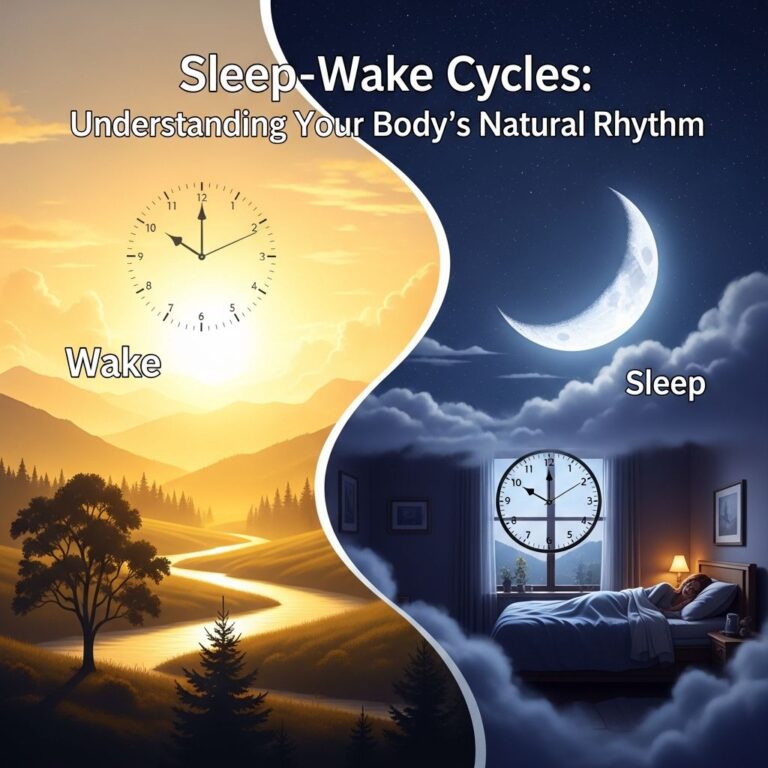
An often-underestimated factor in VO2 max improvement is sleep. Research published in Physiological Behavior found that participants with better sleep quality and longer sleep duration exhibited higher VO2 max values. This connection exists because adequate sleep is linked to improved heart function overall, which directly affects your heart’s capacity for oxygen uptake during exercise. Prioritizing sleep as part of your training plan can significantly enhance your results.
Creating Your VO2 Max Improvement Plan
To effectively improve your VO2 max, consider incorporating the following elements into your training routine:
Mix Training Intensities: Combine high-intensity interval sessions with moderate endurance work. A balanced weekly schedule might include one or two HIIT sessions, one or two moderate-intensity sessions, and one longer endurance effort.
Schedule Earlier Activities: Perform your most intense training sessions earlier in the day when possible, and maintain consistency in your exercise timing.
Prioritize Recovery: Ensure adequate sleep, proper nutrition, and strategic rest days to allow your cardiovascular system to adapt to training stress.
Progress Gradually: Increase training intensity and volume gradually to minimize injury risk and allow sustainable adaptation.
Track Progress: Monitor your VO2 max through periodic testing or by observing performance improvements in training, such as increased pace at the same effort level or improved endurance.
Frequently Asked Questions
Q: What is a good VO2 max for my age?
A: VO2 max standards vary by age and sex. For individuals aged 20-29, good scores range from 33-36.9 mL/kg/min for females and 42.5-46.4 mL/kg/min for males. Scores naturally decrease with age, but training can help maintain or improve your individual baseline.
Q: How often should I do HIIT to improve VO2 max?
A: Most training programs incorporate one to two HIIT sessions per week, combined with other training modalities. This frequency provides adequate stimulus for improvement while allowing adequate recovery between high-intensity sessions.
Q: Can I improve VO2 max if I’m older?
A: Yes, absolutely. Research involving participants up to age 84 has demonstrated that VO2 max improvements are possible at any age through consistent training, particularly through high-intensity interval work and maintaining consistent activity schedules.
Q: How long does it take to improve VO2 max?
A: Significant improvements typically become apparent after 4-6 weeks of consistent training, though individual timelines vary based on starting fitness level, training consistency, and genetics.
Q: Does VO2 max improvement require expensive equipment?
A: No. While laboratory testing requires specialized equipment, training to improve VO2 max can be done with minimal or no equipment—running, cycling, and other activities provide effective stimulus for improvement.
Q: How does VO2 max relate to running performance?
A: Higher VO2 max allows you to sustain faster paces for longer distances before fatigue sets in. It’s a fundamental determinant of endurance performance and aerobic capacity.
References
- VO2 Max: How to Improve This Key Measure of Aerobic Fitness — Runner’s World. 2024. https://www.runnersworld.com/uk/training/a44036900/how-to-improve-vo2-max/
- New Research Finds Most Important Factors for Boosting VO2 Max — AOL Health & Fitness. 2024. https://www.aol.com/research-finds-most-important-factors-140000508.html
- VO2 Max: What Is It and How Can You Improve It — Harvard Health Publishing. 2024. https://www.health.harvard.edu/staying-healthy/vo2-max-what-is-it-and-how-can-you-improve-it
Similar Articles








Read full bio of medha deb