Vocal Cord Disorders: Causes, Symptoms & Treatment
Comprehensive guide to understanding vocal cord disorders, symptoms, diagnosis, and effective treatment options.
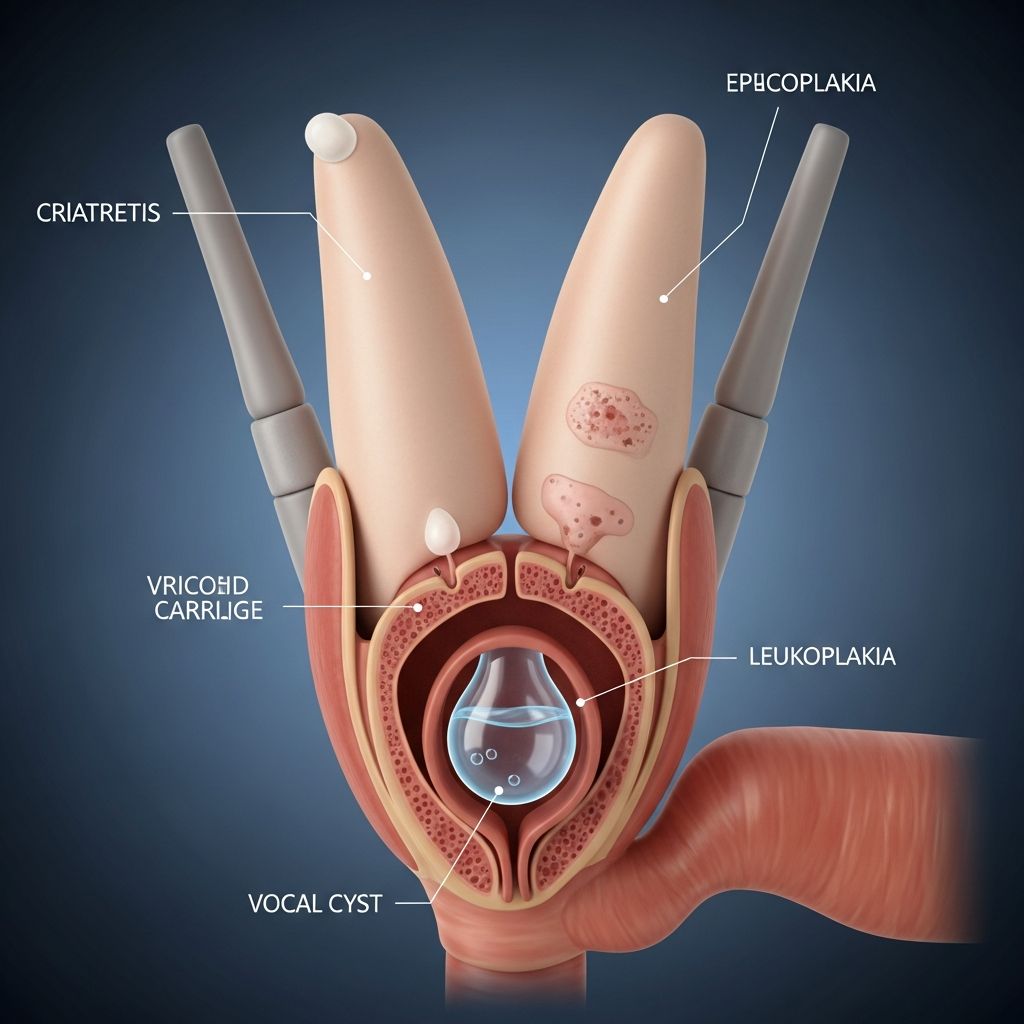
Understanding Vocal Cord Disorders
Vocal cord disorders encompass a wide range of conditions affecting the larynx and voice quality. The vocal cords are two elastic bands of tissue located in the larynx that form the entryway into the trachea. During breathing, the vocal cords open to allow air passage, and during voicing, coughing, and swallowing, they close to produce sound and protect the airway. When these delicate structures become damaged, inflamed, or dysfunctional, they can result in voice changes, difficulty speaking, or breathing problems.
These disorders can range from temporary and mild conditions to serious ailments requiring specialized medical intervention. Understanding the different types of vocal cord disorders, their symptoms, causes, and available treatments is essential for anyone experiencing voice-related issues.
Common Types of Vocal Cord Disorders
Vocal cord disorders present in various forms, each with distinct characteristics and underlying causes. The most prevalent conditions include:
Vocal Cord Paralysis
Vocal cord paralysis occurs when one or both vocal cords become immobilized and cannot move properly. This condition can result from prolonged intubation, recurrent laryngeal nerve damage during chest or thyroid surgery, or idiopathic causes where no clear reason is identified. Depending on the severity and whether one or both cords are affected, patients may experience hoarseness, difficulty projecting their voice, or in severe cases, breathing difficulties.
Vocal Cord Dysfunction (VCD)
Vocal cord dysfunction refers to inappropriate adduction, or closing, of the vocal cords during inhalation and sometimes exhalation. This condition involves laryngeal hyperresponsiveness with increased sensitivity of the laryngeal sensory receptors and heightened response of the glottic closure and cough reflexes to various triggers. VCD symptoms are widely variable, ranging from no symptoms to mild dyspnea to acute-onset respiratory distress that can mimic an asthma attack. Often, symptoms are periodic and have been refractory to prior prescribed medical therapy, such as asthma medications.
Muscle Tension Dysphonia
Muscle tension dysphonia is characterized by excessive muscular tension during voice production. This condition commonly affects the false vocal cords, or ventricular cords, which are located above and to the sides of the true vocal cords. Individuals with this disorder often unknowingly adopt compensatory vocal behaviors that can worsen symptoms or contribute to the development of vocal fold pathologies.
Laryngitis and Vocal Cord Inflammation
Laryngitis refers to inflammation of the larynx, often causing hoarseness and voice loss. This condition can result from viral infections, bacterial infections, vocal strain, acid reflux, or chronic irritation. Chronic throat clearing can result in irritation and swelling of the vocal cords, and conditions such as abusive coughing or overuse can cause temporary vocal fold swelling that prohibits optimal voice production.
Infectious Conditions
Various infectious diseases can affect the vocal cords, including epiglottitis, bronchiolitis, laryngotracheobronchitis (croup), laryngitis, pharyngeal abscess, diphtheria, pertussis, and laryngeal papillomatosis. These conditions require prompt medical attention to prevent serious complications.
Symptoms and Clinical Presentation
Vocal cord disorders manifest through diverse symptoms depending on the specific condition and its severity. Common symptoms include:
- Hoarseness or raspiness in the voice
- Loss of voice or aphonia
- Difficulty projecting or projecting the voice
- Voice breaks or cracking
- Chronic cough or frequent throat clearing
- Sensation of something stuck in the throat
- Difficulty swallowing
- Breathing difficulties or stridor
- Chest tightness or pain
- Fatigue with voice use
Related Stories



In vocal cord dysfunction specifically, patient-reported symptoms include air hunger, sensation of choking, chest tightness, chest pain, difficulty swallowing, globus sensation, intermittent aphonia or dysphonia, neck or chest retractions, fatigue and throat clearing. Many of these sensations can elicit fear, panic and anxiety, which can further worsen respiratory symptoms. In a review of 1020 patients with VCD, approximately 85% experienced chronic symptoms while 15% presented with acute episodes.
Causes and Risk Factors
Vocal cord disorders can develop from multiple causes. Understanding these risk factors helps identify individuals at higher risk and implement preventive measures:
Mechanical Causes
- Prolonged intubation or intubation complications
- Surgical trauma during thyroid or chest procedures
- Laryngeal nerve damage
- Trauma or injury to the neck or throat
Functional Causes
- Vocal strain from excessive voice use
- Improper voice techniques
- Chronic coughing or throat clearing
- Smoking
- Vocal abuse or shouting
Environmental and Medical Causes
- Acid reflux and gastroesophageal reflux disease (GERD)
- Allergies and post-nasal drip
- Dry air or environmental irritants
- Upper respiratory infections
- Neurological disorders affecting laryngeal control
Diagnostic Procedures
Accurate diagnosis of vocal cord disorders requires a comprehensive evaluation combining patient history, physical examination, and specialized testing.
Detailed History and Questionnaire
The diagnostic process begins with a thorough history regarding when the voice difficulty began, what specific aspects of voice are affected, and any associated symptoms. A standardized questionnaire, such as the VCDQ (Vocal Cord Dysfunction Questionnaire), helps guide diagnosis and differentiate vocal cord dysfunction from other conditions. Key questions address symptom onset, sensation of throat obstruction, voice changes during attacks, loudness of breathing, specific triggers, lightheadedness, tingling sensations, and associated coughing.
Physical Examination
The physician performs a detailed physical examination of the larynx and surrounding structures. This assessment identifies visible abnormalities, evaluates vocal cord movement, and assesses overall laryngeal health.
Laryngeal Stroboscopy
Laryngeal stroboscopy represents a gold standard diagnostic tool for evaluating vocal cord disorders. During this procedure, a small endoscope is inserted through the mouth toward the back of the tongue, providing a telescopic video recording of the larynx. The stroboscope uses synchronized flashing light to slow down the rapid vibration of the vocal folds, allowing detailed observation of vocal cord movement and vibratory patterns. This technology reveals disruptions in the vibratory behavior of the vocal folds that often produce changes in singing or speaking voice.
Acoustic and Aerodynamic Assessment
Computer analysis of vocal quality using a microphone provides objective measurements of voice characteristics. These acoustic assessments, combined with aerodynamic measurements, help quantify vocal function and track treatment response.
Pulmonary Function Testing
In cases of vocal cord dysfunction, pulmonary function testing, specifically spirometry, can reveal characteristic findings. A highly variable, non-reproducible and abnormally shaped inspiratory loop on spirometry consistent with a variable extrathoracic obstruction helps confirm VCD diagnosis. Studies have shown that approximately 28% of VCD patients demonstrate flow-volume loop truncation on spirometry.
Treatment and Management Approaches
Treatment strategies for vocal cord disorders vary depending on the specific diagnosis, severity, and underlying cause. A multidisciplinary approach often yields the best outcomes, involving primary care physicians, pulmonologists, allergists, otolaryngologists, gastroenterologists, neurologists, psychiatrists or psychologists, speech pathologists, and athletic trainers.
Speech Therapy and Voice Rehabilitation
The most common long-term treatment for many vocal cord disorders is speech therapy and psychotherapy. Speech therapy consists of a detailed assessment of the patient’s symptoms and triggers, followed by comprehensive treatment tailored to the individual patient. Therapy includes:
- Education about VCD pathophysiology and voice mechanics
- Supportive counseling to address anxiety and panic
- Education about suppression of laryngeal abusive behaviors, including cough and throat clearing
- Voice therapy techniques
- Respiratory retraining and breathing exercises
- Desensitization to specific irritants and triggers
Medical Management
Depending on the underlying cause, various medications may be prescribed. These may include anti-acid reflux medications for GERD-related voice problems, antihistamines for allergy-related symptoms, or other medications targeting the specific etiology.
Behavioral Modifications
Patients are advised to implement lifestyle changes that promote vocal health, such as:
- Staying hydrated by sipping water throughout the day
- Avoiding smoking and secondhand smoke exposure
- Limiting alcohol consumption
- Using humidified air, especially in dry environments
- Avoiding voice strain and excessive shouting
- Managing acid reflux through dietary modifications
- Using a “baby” throat clear instead of aggressive throat clearing
Surgical Intervention
In cases where structural abnormalities contribute to vocal cord dysfunction, surgical intervention may be necessary. For vocal cord paralysis, procedures to help push the vocal cord into a better position can improve voice quality and breathing. Surgical options are individualized based on the specific diagnosis and patient needs.
When to See a Voice Specialist
Certain clinical indicators warrant evaluation by an otolaryngologist or voice specialist. Professional voice users and performers should monitor their voice daily using simple screening routines to determine if potential lesions or swelling warrants examination by a physician. Seek medical attention if you experience:
- Hoarseness lasting more than two to three weeks
- Persistent voice changes with no apparent cause
- Difficulty swallowing or pain when swallowing
- Breathing difficulties or stridor
- Voice changes after surgery or intubation
- Inability to perform your normal voice tasks without excessive breathiness or voice breaks
- Chronic cough or throat clearing
- Symptoms affecting your professional or personal life
Vocal Health for Professional Voice Users
Singers and professional voice users require special attention to vocal cord health. Using state-of-the-art diagnostic and treatment technology, specialists focus on designing optimal medical and therapeutic interventions to address the unique needs of performing artists. Daily screening routines help identify potential problems early, and maintaining a record of baseline vocal measurements allows early detection of changes that warrant medical attention.
If on a given day you cannot sing or speak without excessive breathiness, difficulty starting the sound, or voice breaks, there is a good chance that vocal fold swelling may be present from overuse, acid reflux, abusive coughing, or other causes of intermittent vocal fold swelling. Regardless of cause, vocal fold swelling indicates that it is not a good day to use your voice professionally.
Frequently Asked Questions
What exactly are the vocal cords?
The vocal cords are two elastic bands of tissue (right and left) located in the larynx that form the entryway into the trachea. Above and to the sides of the true vocal cords are the false vocal cords, or ventricular cords, which do not usually vibrate during voicing but may adduct in individuals with muscle tension dysphonia.
How common is vocal cord dysfunction?
Vocal cord dysfunction is relatively common, particularly among athletes and individuals exposed to certain environmental triggers. Studies have reviewed over 1000 patients with VCD, making it an important condition to recognize and treat appropriately.
Can vocal cord disorders be cured?
Many vocal cord disorders respond well to treatment. Some conditions resolve spontaneously, while others require ongoing therapy and management. The prognosis depends on the specific diagnosis, severity, and underlying cause.
What should I do if I notice vocal changes?
If you experience persistent voice changes, hoarseness lasting more than two to three weeks, difficulty breathing, or other concerning symptoms, contact your primary care physician or an otolaryngologist for evaluation.
Can acid reflux cause voice problems?
Yes, acid reflux can affect voice quality and contribute to vocal cord problems. The negative vocal results of acid reflux can lead to compensatory changes in vocal technique, potentially developing functionally abusive vocal behaviors that exacerbate symptoms through excessive muscular tension or vocal fold pathologies.
Is laryngeal stroboscopy uncomfortable?
Laryngeal stroboscopy is generally well-tolerated. The physician may spray a topical anesthetic in the throat for comfort during the procedure. Inform your physician if you have had any reactions to anesthesia in the past.
Conclusion
Vocal cord disorders encompass a diverse range of conditions that can significantly impact voice quality, communication, and quality of life. From common conditions like laryngitis to complex disorders like vocal cord paralysis, each requires individualized evaluation and treatment. Early recognition of symptoms and prompt medical evaluation lead to better outcomes. Whether you experience temporary hoarseness or chronic voice problems, consulting with a voice specialist ensures accurate diagnosis and effective treatment tailored to your specific needs. With appropriate care, most vocal cord disorders can be successfully managed, allowing individuals to maintain healthy voice function and resume their normal activities.
References
- Vocal cord dysfunction: a review — National Center for Biotechnology Information (NCBI), National Institutes of Health. 2016. https://pmc.ncbi.nlm.nih.gov/articles/PMC5142347/
- Johns Hopkins Voice Center Services and Laryngeal Stroboscopy — Johns Hopkins Medicine, GBMC HealthCare. 2024. https://www.gbmc.org/services/mj-dance/voice
- Diagnosing and Treating Voice Disorders: Expert Insights from Johns Hopkins — Johns Hopkins Medicine. 2024. Video featuring Dr. Lee Akst, Director of Johns Hopkins Voice Center, on voice disorder diagnosis and treatment approaches.
Similar Articles








Read full bio of Sneha Tete