VMAT (Volumetric Modulated Arc Therapy): Patient Guide
Advanced radiation therapy delivering precise tumor treatment in minutes.
What is Volumetric Modulated Arc Therapy (VMAT)?
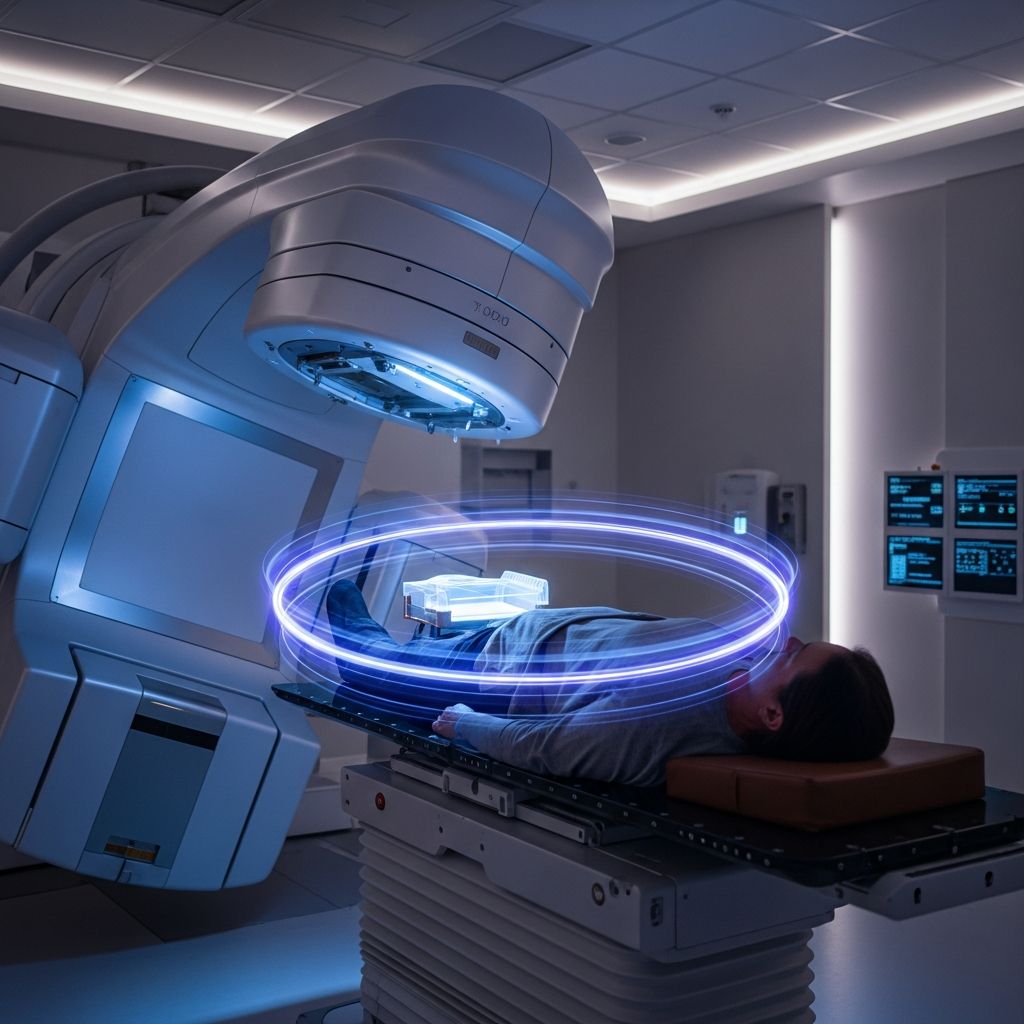
Volumetric modulated arc therapy (VMAT) is an advanced form of radiation therapy that delivers precise doses of radiation to a tumor while minimizing exposure to surrounding healthy tissue. Unlike conventional radiotherapy that uses individual beams, VMAT employs arcs of radiation delivered by a rotating linear accelerator (linac). As the machine moves around the patient, it automatically adjusts the beam shape and treatment dose, making the treatment significantly more targeted and accurate than traditional single beam-based approaches. This innovative technology represents a major advancement in cancer treatment, combining efficiency with precision to improve patient outcomes.
How VMAT Works
VMAT operates through a sophisticated process that integrates several advanced technologies to optimize radiation delivery. The treatment utilizes a multi-leaf collimator (MLC), a specialized device that continuously shapes the radiation beam as the linear accelerator rotates around the patient. The radiation machine rotates in single or multiple arcs (typically 360-degree rotations) around the patient’s body, delivering focused beams of radiation to the cancer.
During treatment, both the shape and intensity of the radiation beams change continuously as the machine rotates. This dynamic adjustment allows the radiation to effectively come from an infinite number of angles, which dramatically reduces the dose of radiation delivered to normal tissue while increasing the therapeutic dose to the cancer. VMAT achieves this through the integration of three key technologies:
– Image-guided radiation therapy (IGRT) to precisely position the patient and tumor- Intensity-modulated radiation therapy (IMRT) to continually shape and adjust the intensity of the radiation- Arc-based rotation to reduce exposure to healthy tissue while maximizing cancer treatment
Treatment Process
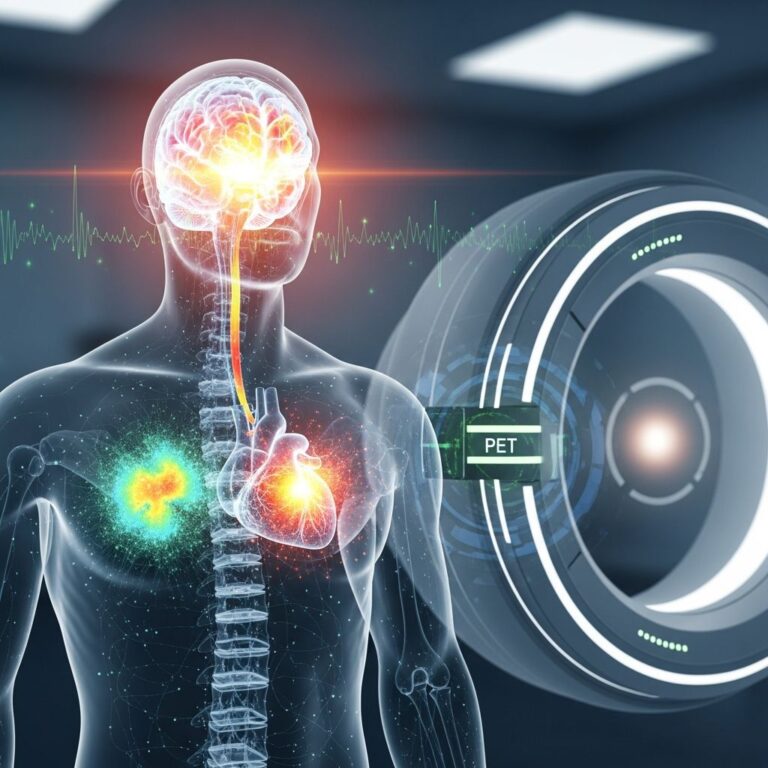
VMAT treatment involves three fundamental steps: diagnosis, treatment planning, and delivery. During the diagnosis phase, the medical team generates three-dimensional diagnostic images, typically using CT and/or PET scans, to visualize the patient’s anatomy and precisely identify the tumor location and extent. These detailed images allow radiation oncologists to determine the specific radiation dose required for optimal tumor treatment.
Planning Phase
In the planning phase, physicians utilize advanced computer software to plan and guide the treatment with exceptional precision. The software calculates the exact angles, beam shapes, and intensities needed to deliver the maximum dose of radiation to the tumor while minimizing exposure to surrounding healthy tissue and critical organs. This planning ensures that the linear accelerator is properly aligned with the tumor and that all treatment parameters are optimized for accuracy.
Delivery Phase
During delivery, VMAT treatment sessions are remarkably brief. A complete treatment can be delivered during a single 360-degree rotation of the linear accelerator, typically lasting between two to four minutes per session. This rapid delivery is possible because VMAT combines all necessary radiation angles and intensities into a continuous arc, rather than requiring multiple separate beam positions as in conventional radiotherapy.
Key Advantages of VMAT
VMAT offers numerous significant advantages over conventional radiotherapy techniques, making it an increasingly preferred treatment option for many cancer patients.
Precision and Accuracy
One of VMAT’s most important benefits is its exceptional precision. The rotating arc delivery system creates a truly three-dimensional treatment approach, allowing radiation oncologists to treat tumors located adjacent to critical structures in the body. VMAT beams can be as small as 2.5 x 5 millimeters—approximately the size of a pencil tip—enabling treatment of complex tumors while preserving vital organs.
Related Stories



Reduced Treatment Time
VMAT dramatically reduces treatment delivery time compared to conventional radiotherapy methods. While traditional radiotherapy sessions typically last 30 or more minutes, VMAT treatment can be completed in as little as two to four minutes per fraction. A single arc VMAT treatment fraction can potentially be delivered in one to 1.5 minutes compared with five to ten minutes for conventional 5- or 7-field IMRT approaches.
Improved Organ Protection
VMAT significantly improves the sparing of organs at risk (OARs) compared to conventional radiotherapy techniques. By delivering radiation from multiple angles simultaneously through the arc rotation, VMAT reduces the overall dose to surrounding healthy tissue. Studies demonstrate that the lowest doses to organs at risk are achieved with VMAT plans, which often require 42% fewer monitor units compared with fixed field IMRT plans.
Fewer Side Effects
Because VMAT minimizes the dose delivered to healthy tissue surrounding the tumor, patients typically experience fewer and less severe side effects compared to conventional radiotherapy. This significant reduction in treatment toxicity greatly improves patients’ quality of life during and after cancer treatment.
Enhanced Efficiency
VMAT improves treatment efficiency by reducing the number of monitor units required for treatment and decreasing overall treatment delivery times. This efficiency translates not only to patient benefits but also to cost reductions, with studies showing VMAT can save approximately 34% in treatment costs compared to IMRT.
VMAT vs. Other Radiotherapy Techniques
VMAT represents a significant advancement over earlier radiotherapy techniques. Here is how it compares to conventional methods:
| Feature | VMAT | Conventional 3D-CRT | IMRT |
|---|---|---|---|
| Treatment Time | 1-4 minutes | 30+ minutes | 5-10 minutes |
| Precision | Highly conformal | Less precise | Highly conformal |
| Healthy Tissue Sparing | Excellent | Limited | Good |
| Monitor Units Required | Reduced | Standard | Higher |
| Side Effects | Minimal | Moderate to High | Low to Moderate |
Cancer Types Treated with VMAT
VMAT is effectively used for treating a wide variety of solid tumors, particularly those located near critical organs where precision is essential. Common cancer types treated with VMAT include:
– Prostate cancer- Head and neck cancers- Brain tumors- Liver cancer- Pancreatic cancer- Lung cancers- Gastrointestinal (GI) cancers
VMAT is particularly valuable for tumors adjacent to critical structures because the rotating arc approach allows radiation oncologists to treat complex tumor geometries while protecting nearby vital organs.
Who May Benefit from VMAT?
VMAT offers particular benefits for specific patient populations and clinical situations. Patients who find it difficult to lie completely still for extended periods are excellent candidates for VMAT, as treatment sessions last only a few minutes rather than 30 or more minutes. The shorter treatment time improves accuracy since patient movement is minimized, and it enhances convenience and quality of life for cancer patients.
VMAT is also ideal for patients with complex tumors located near sensitive structures, as well as those seeking to minimize side effects and reduce their overall radiation exposure. The technology’s efficiency makes it suitable for patients requiring multiple treatment fractions, as the cumulative burden of lengthy treatment sessions is substantially reduced.
Real-Time Monitoring and Safety
Modern VMAT systems incorporate sophisticated monitoring tools that enhance treatment precision and safety throughout the delivery process. Three-dimensional imaging at ultra-low doses allows radiation oncologists and technologists to verify tumor position prior to treatment with exceptional accuracy. During treatment delivery, continuous real-time monitoring ensures that radiation is delivered exactly as prescribed, with immediate detection and correction of any deviations from the treatment plan.
Cost-Effectiveness and Efficiency
Beyond clinical benefits, VMAT offers significant economic advantages. The reduction in monitor units and treatment time results in cost savings that benefit both healthcare systems and patients. Studies have demonstrated that VMAT can reduce treatment costs by approximately 34% compared to IMRT, while maintaining or improving clinical outcomes. This cost efficiency, combined with superior clinical results, makes VMAT an increasingly preferred treatment modality.
Frequently Asked Questions
What does VMAT stand for?
VMAT stands for Volumetric Modulated Arc Therapy, an advanced radiation therapy technique that delivers three-dimensional doses of radiation using rotating arcs around the patient.
How long does a VMAT treatment session take?
VMAT treatment sessions are remarkably brief, typically lasting between two to four minutes per fraction. A complete treatment can be delivered during a single 360-degree rotation of the linear accelerator.
Is VMAT painful?
No, VMAT is a non-invasive, painless treatment. Patients lie on a treatment table while the radiation machine rotates around them delivering radiation. The only sensation patients may experience is the slight vibration or noise of the rotating machine.
How many VMAT treatments will I need?
The number of VMAT treatments depends on the type and stage of cancer being treated, as well as individual patient factors. Your radiation oncologist will determine the appropriate treatment schedule during the planning phase.
What are the side effects of VMAT?
Because VMAT minimizes radiation exposure to healthy tissue, side effects are typically fewer and less severe than with conventional radiotherapy. Common side effects may include mild skin irritation, fatigue, or other temporary effects depending on the treatment area. Your medical team will discuss potential side effects specific to your treatment.
Can VMAT be used for all cancer types?
While VMAT is highly effective for many solid tumors, it is particularly valuable for cancers located near critical organs. Your radiation oncologist will determine whether VMAT is appropriate for your specific cancer type and location.
How is VMAT different from traditional radiotherapy?
VMAT differs from traditional radiotherapy in several key ways: it uses rotating arcs instead of fixed beams, delivers treatment in minutes rather than 30+ minutes, provides more precise tumor targeting, and reduces radiation exposure to healthy tissue, resulting in fewer side effects.
Is VMAT covered by insurance?
Most insurance plans cover VMAT when it is medically necessary and recommended by your radiation oncologist. However, coverage can vary by plan. We recommend contacting your insurance provider to verify your specific coverage.
References
- Volumetric Modulated Arc Therapy (VMAT) — Genesis Care. 2024. https://www.genesiscare.com/uk/treatment/radiotherapy/volumetric-modulated-arc-therapy
- Volumetric modulated arc therapy: a review of current literature and clinical practice — National Center for Biotechnology Information (NCBI). 2012. https://pmc.ncbi.nlm.nih.gov/articles/PMC3473700/
- Volumetric Modulated Arc Therapy (VMAT) — Garden State Radiation Oncology. 2024. https://gsradiationoncology.org/treatment-procedures/volumetric-modulated-arc-therapy/
- Volumetric Modulated Arc Therapy (VMAT) — Northwestern Medicine. 2024. https://www.nm.org/conditions-and-care-areas/treatments/volumetric-modulated-arc-therapy-vmat
- Volumetric Modulated Arc Therapy (VMAT) — Moffitt Cancer Center. 2024. https://www.moffitt.org/treatments/radiation-therapy/volumetric-modulated-arc-therapy-vmat/
- Volumetric Modulated Arc Therapy (VMAT) versus Intensity Modulated Radiation Therapy: Comparison of Effectiveness and Cost — International Journal of Radiation Research and Oncology. 2015. https://www.cancerresgroup.us/articles/IJRRO-2-114.php
- Volumetric Modulated Arc Therapy (VMAT) — OncoLink. 2024. https://www.oncolink.org/cancer-treatment/radiation/types-of-radiation-therapy/volumetric-modulated-arc-therapy-vmat
Similar Articles








Read full bio of Sneha Tete