Vomiting: Causes, Symptoms & When to Seek Help
Understanding vomiting: Learn about causes, symptoms, complications and effective management strategies.
Understanding Vomiting: A Comprehensive Guide
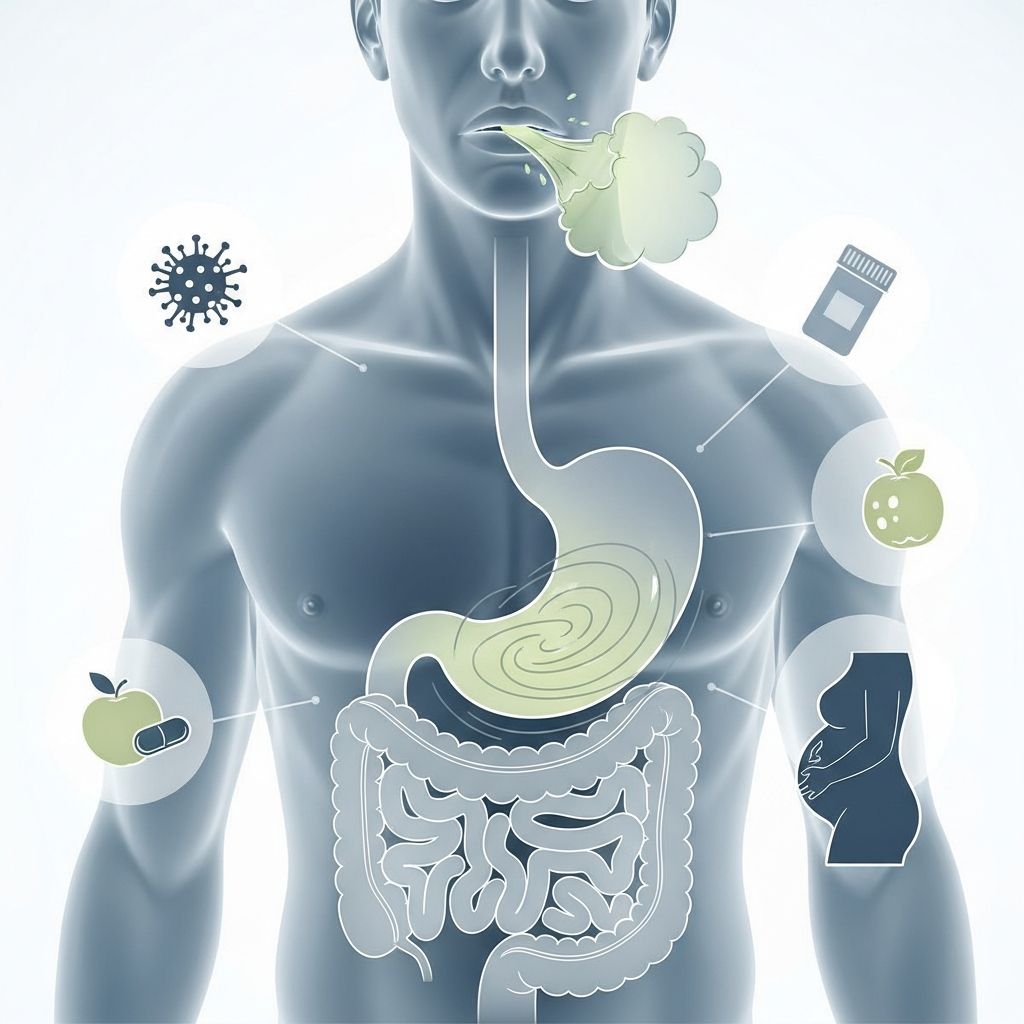
Vomiting, also known as emesis, is the involuntary expulsion of stomach contents through the mouth. While occasional vomiting is typically not serious and often resolves on its own, understanding the underlying causes, recognizing warning signs, and knowing when to seek medical attention is essential for managing this distressing symptom effectively. Whether triggered by a viral infection, food poisoning, medication side effects, or an underlying medical condition, vomiting can quickly lead to complications such as dehydration if not properly addressed.
What Is Vomiting?
Vomiting is the body’s way of expelling harmful substances or protecting itself from irritation in the gastrointestinal tract. It’s important to distinguish between nausea and vomiting: nausea is the uncomfortable feeling of needing to throw up, while vomiting is the actual act of expelling stomach contents. Retching, or dry heaving, often precedes vomiting and involves the same muscle contractions without actual expulsion of stomach contents. These three conditions—nausea, retching, and vomiting—often occur together but can also happen independently.
Physiology of Vomiting
The vomiting reflex is a complex physiological process involving multiple systems in the body. The vomiting center, located in the medulla oblongata of the brain stem, coordinates this response by receiving signals from several key sources. The chemoreceptor trigger zone (CTZ) in the brain detects harmful substances in the bloodstream. The gastrointestinal tract sends signals through the vagus nerve when experiencing irritation or distension. The vestibular system, responsible for balance and spatial orientation, can trigger vomiting during motion or dizziness. Additionally, higher cognitive centers in the cortex and thalamus can initiate vomiting in response to psychological factors such as stress, anxiety, or unpleasant thoughts. When the vomiting center receives these signals, it coordinates muscle contractions in the abdomen and esophagus to forcefully expel stomach contents.
Common Causes of Vomiting
Vomiting can result from a wide variety of causes, ranging from benign to serious conditions. Understanding these causes helps identify when home management is appropriate and when medical intervention is necessary.
Gastrointestinal Causes
Gastrointestinal infections, commonly known as stomach flu or gastroenteritis, are among the most frequent causes of vomiting. Food poisoning from contaminated food or water can also trigger acute vomiting episodes. Gastroesophageal reflux disease (GERD) causes stomach acid to back up into the esophagus, leading to nausea and vomiting. Peptic ulcers, pancreatitis, appendicitis, and inflammatory bowel conditions can all produce vomiting as a symptom. Bowel obstruction, whether mechanical or functional, frequently results in persistent vomiting.
Neurological and Vestibular Causes
Motion sickness occurs when conflicting signals between the inner ear and visual system confuse the brain. Migraines often include nausea and vomiting as associated symptoms. More serious neurological conditions such as concussions, brain tumors, increased intracranial pressure, and meningitis can cause vomiting as a primary symptom. Vertigo and inner ear disorders may also trigger episodes.
Medication and Chemical Causes
Many medications list nausea and vomiting as potential side effects. Chemotherapy drugs used in cancer treatment frequently cause severe vomiting. General anesthetics used during surgery can produce postoperative nausea and vomiting. Certain antibiotics, pain medications, and cardiac drugs may trigger vomiting in some individuals. Alcohol consumption and exposure to toxins can also induce vomiting.
Related Stories



Metabolic and Systemic Causes
Pregnancy, particularly during the first trimester, commonly causes morning sickness and vomiting. Thyroid disorders, diabetes complications, kidney disease, and liver disease can all manifest with vomiting. Infections elsewhere in the body, such as urinary tract infections or pneumonia, may cause nausea and vomiting.
Recognizing the Symptoms
While vomiting itself is the primary symptom, it often occurs alongside other manifestations. Nausea, described as an uncomfortable sensation in the stomach with an urge to vomit, typically precedes vomiting episodes. Retching involves the muscle contractions necessary for vomiting without actual expulsion of stomach contents. Additional symptoms frequently accompanying vomiting include abdominal pain or cramping, diarrhea, headache, fever, dizziness, and lightheadedness. Some individuals experience loss of appetite, fatigue, and general malaise. Forceful vomiting and repeated exposure to stomach acid can cause a sore throat lasting days or weeks.
Complications of Persistent Vomiting
While isolated vomiting usually resolves without significant consequences, prolonged or severe vomiting can lead to serious complications requiring medical intervention.
Dehydration
Dehydration represents the most common and immediate complication of persistent vomiting. Loss of fluids and electrolytes through vomiting disrupts the body’s fluid balance. Signs of dehydration include reduced urine output, dark-colored urine, dry mouth and tongue, sunken eyes, extreme fatigue, dizziness, rapid heartbeat, and low blood pressure. Severe dehydration can lead to organ dysfunction and requires prompt medical treatment with intravenous fluid replacement.
Electrolyte Imbalances
Vomiting depletes essential electrolytes including sodium, potassium, and chloride. These minerals regulate nerve function, muscle contractions, and heart rhythm. Electrolyte imbalances can cause muscle weakness, cardiac arrhythmias, and dangerous changes in blood chemistry.
Dental and Esophageal Damage
Repeated exposure to stomach acid during vomiting erodes tooth enamel, leading to sensitivity, discoloration, and tooth decay. The acidic contents can also damage the esophageal lining, causing inflammation and potential bleeding.
Mallory-Weiss Tears and GI Bleeding
Forceful or prolonged vomiting can cause small tears in the esophageal lining, resulting in bleeding. In severe cases, these tears may require medical intervention to stop the bleeding.
Malnutrition and Weight Loss
When vomiting persists for extended periods, the body cannot adequately absorb nutrients and calories. This leads to unintended weight loss and nutritional deficiencies that can impair immune function and overall health.
When to Seek Medical Attention
Most cases of acute vomiting resolve within one to two days without requiring medical intervention. However, certain situations warrant immediate emergency care or urgent medical evaluation.
Red Flags Requiring Emergency Care
Seek emergency medical care immediately if you experience vomiting that persists for more than 48 hours, inability to keep down any liquids or food, severe dehydration symptoms, or signs of shock including confusion, rapid pulse, or severe weakness. Green or bilious vomit indicates the presence of bile and requires medical evaluation. Vomit containing blood or resembling coffee grounds suggests internal bleeding. Severe or persistent abdominal pain, especially if localized to specific areas, necessitates emergency assessment. A stiff neck accompanied by high fever and headache may indicate meningitis. Faeces present in vomit or rectal bleeding suggests serious bowel obstruction or other severe gastrointestinal pathology. Any vomiting following head trauma or injury requires immediate evaluation for concussion or intracranial injury.
Situations Requiring Prompt Medical Evaluation
Contact your healthcare provider if vomiting is accompanied by severe chest pain, sudden severe headache, confusion or altered mental status, or if you cannot keep down water and have only been able to sip small amounts of liquid. Immunocompromised individuals experiencing vomiting require medical evaluation. Suspected poisoning or medication overdose always warrants immediate medical attention. Persistent vomiting in young children, elderly individuals, or those with significant underlying health conditions requires professional assessment.
Self-Management Strategies
For mild to moderate vomiting from suspected viral illness or food poisoning, several home management strategies can help.
Fluid and Electrolyte Management
Begin with small sips of clear fluids such as water, broth, or electrolyte solutions rather than attempting to consume large quantities at once. Oral rehydration solutions containing balanced electrolytes help replace lost sodium and potassium more effectively than plain water. Once you can tolerate clear fluids, gradually progress to other foods as appetite returns. Avoid dairy products, fatty foods, and high-fiber items initially, as these are harder to digest.
Dietary Considerations
As symptoms improve, introduce bland, easy-to-digest foods such as crackers, toast, bananas, rice, applesauce, and gelatin. Avoid strong odors, as these can trigger additional nausea. Eat small, frequent meals rather than large portions. Ginger tea or ginger supplements may help reduce nausea in some individuals.
Lifestyle Modifications
Rest in a comfortable position, preferably lying down or sitting upright rather than bending over. Avoid sudden movements or activities that may trigger additional episodes. Keep the environment calm and well-ventilated, as fresh air can reduce nausea. Prevent dehydration by continuing to sip fluids even if vomiting continues.
Medical Treatment Options
When vomiting persists despite home management or results from a specific medical condition, healthcare providers may recommend pharmacological interventions. Anti-nausea medications including ondansetron, metoclopramide, and promethazine work through different mechanisms to reduce nausea and prevent vomiting. In hospital settings, intravenous fluid administration corrects dehydration and restores electrolyte balance. Treatment directed at the underlying cause, whether antibiotic therapy for infection or management of gastric reflux, addresses the root problem. Severe cases may require hospitalization for monitoring and intensive management.
Frequently Asked Questions
Q: How long does typical vomiting from stomach flu last?
A: Most cases of acute vomiting from viral gastroenteritis resolve within 24 to 48 hours. However, some individuals may experience symptoms for several days. Persistent vomiting lasting longer than 48 hours warrants medical evaluation.
Q: Is it safe to eat immediately after vomiting stops?
A: Wait at least 30 minutes to an hour after the last episode before attempting to eat or drink. Start with small sips of clear fluids, then gradually introduce bland foods as tolerated.
Q: Can vomiting cause permanent damage?
A: While isolated vomiting episodes typically cause no lasting damage, chronic or severe vomiting can permanently damage tooth enamel and esophageal tissue. Recurrent vomiting warrants investigation and treatment of underlying causes.
Q: What’s the difference between vomiting and regurgitation?
A: Vomiting is an active, forceful expulsion of stomach contents involving muscle contractions and occurring reflexively. Regurgitation is passive return of food or liquid to the mouth without stomach contraction, often occurring with GERD.
Q: Should I go to the emergency room for any vomiting?
A: Not all vomiting requires emergency care. However, go to the ER if vomiting persists beyond 48 hours, you cannot keep down any liquids, you show signs of severe dehydration, or you experience associated symptoms like severe pain or bloody vomit.
Q: Are there preventive measures for vomiting?
A: Prevention depends on the cause. For motion sickness, use preventive medications or acclimation techniques. Practice proper food handling to prevent food poisoning. Manage medications known to cause nausea with food or anti-nausea medication. Reduce stress and anxiety through relaxation techniques.
Conclusion
Vomiting, while uncomfortable and disruptive, is usually a temporary symptom that resolves without medical intervention. However, understanding its causes, recognizing serious warning signs, and knowing when to seek professional help ensures appropriate management and prevents serious complications. Most cases of acute vomiting from common causes like viral infections or food poisoning can be managed at home with attention to fluid and electrolyte replacement. When vomiting persists beyond 48 hours, becomes severe, or accompanies concerning symptoms, medical evaluation is essential to identify underlying causes and initiate appropriate treatment. By following recommended self-care strategies and seeking timely medical attention when necessary, most individuals recover fully from vomiting episodes without long-term consequences.
References
- Why Am I Throwing Up and When To See a Doctor — Cleveland Clinic. 2025. https://health.clevelandclinic.org/what-causes-vomiting-and-what-should-you-do-about-it
- Emesis (Vomiting & Throwing Up) Symptoms, Causes & Treatment — Cleveland Clinic. 2025. https://my.clevelandclinic.org/health/symptoms/vomiting
- An Overview of Nausea and Vomiting in Adults — Ausmed Education. 2025. https://www.ausmed.com.au/learn/articles/nausea-and-vomiting
- Cyclic Vomiting Syndrome: Symptoms, Causes & Triggers, Treatment — Cleveland Clinic. 2025. https://my.clevelandclinic.org/health/diseases/14894-cyclic-vomiting-syndrome
- Nausea (Feeling Sick or Nauseous) Causes & Treatment — Cleveland Clinic. 2025. https://my.clevelandclinic.org/health/symptoms/nausea
- Recurrent abdominal pain and vomiting — Cleveland Clinic Journal of Medicine, Vol. 80, No. 7. July 2013. Pages 436-440. https://www.ccjm.org/content/80/7/436
Similar Articles








Read full bio of Sneha Tete