Vomiting: Causes, Treatment, And When To See A Doctor
Understand vomiting: common causes like infections and pregnancy, effective treatments, prevention tips, and when to seek urgent medical care.
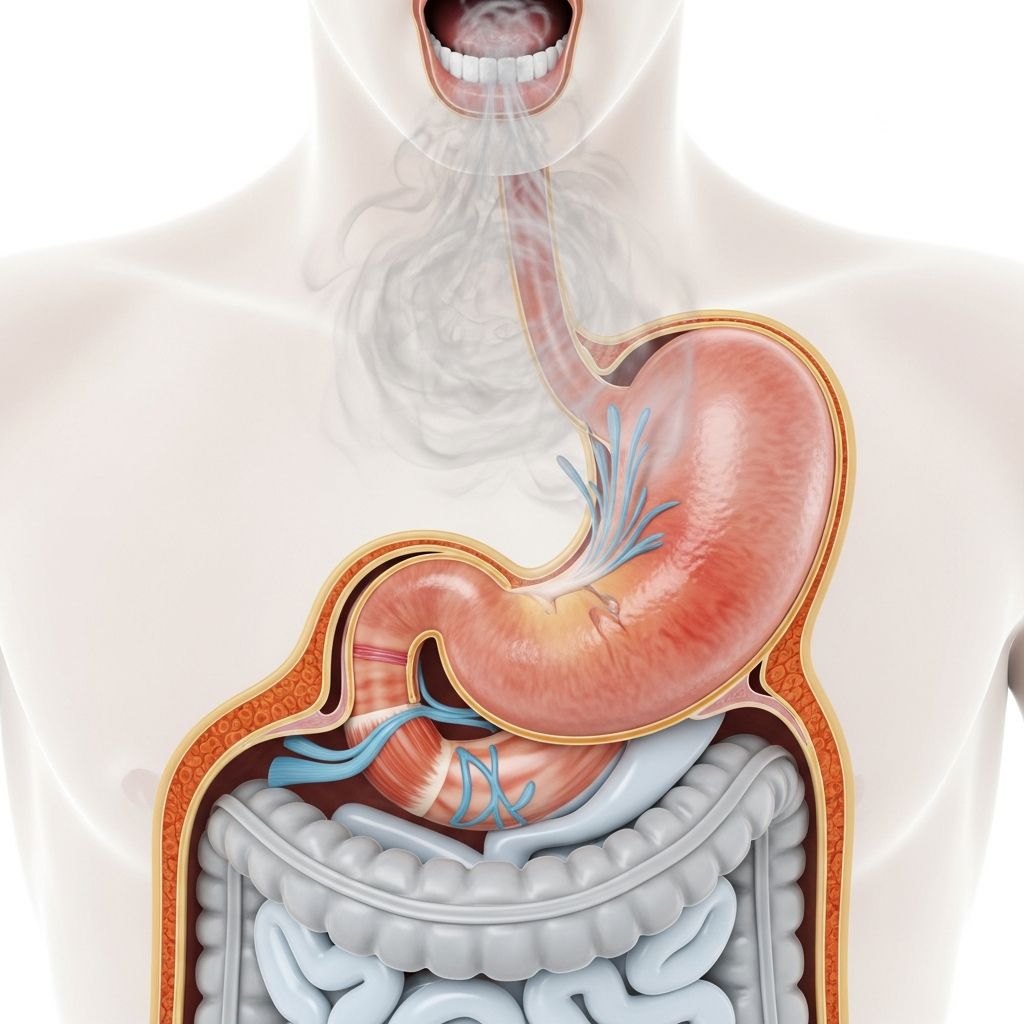
Vomiting, or emesis, is the forceful expulsion of stomach contents through the mouth, serving as the body’s protective mechanism to remove harmful substances like toxins or pathogens. While often short-lived and resolving within 24-48 hours, persistent or severe vomiting can signal underlying issues ranging from benign infections to life-threatening conditions.
What Is Vomiting?
Vomiting involves coordinated contractions of the stomach, diaphragm, and abdominal muscles that propel gastric contents upward through the esophagus and out the mouth. It differs from regurgitation, which is passive reflux without forceful expulsion. Nausea, the unpleasant sensation preceding vomiting, activates the brain’s vomiting center in the medulla oblongata, triggered by inputs from the gut, inner ear, or higher brain centers.
Commonly associated with nausea, vomiting affects nearly everyone at some point, often due to self-limiting causes like viral gastroenteritis or motion sickness. In adults, it typically lasts less than 48 hours; in children, it may accompany diarrhea from infections.
Causes of Vomiting
Vomiting arises from diverse triggers, categorized as gastrointestinal, systemic, neurological, or iatrogenic. Common causes include infections, pregnancy, and motion sickness, while less common ones involve obstructions or central nervous system disorders.
Common Causes
- Gastroenteritis (Stomach Flu): Inflammation of the stomach and intestines from viruses (e.g., norovirus), bacteria, or parasites via contaminated food/water. Symptoms: vomiting, diarrhea, fever, abdominal pain.
- Food Poisoning: Toxins from bacteria like Salmonella or Staphylococcus cause rapid-onset vomiting, often with diarrhea.
- Morning Sickness: Affects up to 80% of pregnancies, causing nausea/vomiting anytime, peaking in weeks 6-12. Resolves post-first trimester for most.
- Motion Sickness/Seasickness: Inner ear imbalance from movement triggers vomiting.
Less Common Causes
- Bowel Obstruction: Blockage prevents food/liquid passage, causing backup and vomiting. May present with distended abdomen.
- Appendicitis: Inflamed appendix leads to right lower abdominal pain, fever, vomiting. Requires urgent surgery.
- Medications/Treatments: Chemotherapy, radiation, opioids, or antibiotics irritate the gut or stimulate the vomiting center.
- Migraines: Severe headaches with nausea/vomiting due to central nervous system involvement.
Serious Causes
- Brain/CNS Disorders: Meningitis, encephalitis, tumors, hemorrhages, or head injuries increase intracranial pressure, activating vomiting pathways.
- Cyclic Vomiting Syndrome: Recurrent episodes lasting hours/days, often starting in childhood; linked to migraines or cannabis use in adults.
- Metabolic Issues: Kidney stones, diabetic ketoacidosis, or electrolyte imbalances.
- GERD/Peptic Ulcers: Acid reflux or ulcers cause vomiting, sometimes with blood.
Symptoms Accompanying Vomiting
Beyond expulsion of bile-tinged or food-containing material, vomiting may include nausea, retching (ineffective heaves), abdominal cramping, dizziness, or sweating. Watch for alarming signs: green/bilious vomit (bowel obstruction), blood (hematemesis, like coffee grounds), or fecal odor (severe obstruction).
| Symptom | Possible Indication |
|---|---|
| Bloody vomit | Ulcers, tears, varices |
| Green vomit | Bowel blockage |
| Projectile vomiting | Obstruction or pyloric stenosis |
| Vomiting without nausea | Neurological cause |
When to See a Doctor for Vomiting
Most episodes self-resolve, but seek care if vomiting persists >24-48 hours, prevents fluid intake, or accompanies red flags.
- Cannot keep fluids down >24 hours (dehydration risk).
- Frequent bouts or >2 days duration.
- Blood, coffee grounds, or green vomit.
- Severe abdominal/chest/head pain.
- High fever, stiff neck, confusion.
- Signs of dehydration: dry mouth, reduced urine, rapid heart rate, dizziness.
- Unintentional weight loss or infants/elderly affected.
Related Stories



Emergency care for poisoning, severe pain, or unconscious vomiting (aspiration risk).
Treatment for Vomiting
Treatment focuses on hydration, symptom relief, and addressing the cause. Most cases need no intervention beyond rest.
Home Remedies
- Hydration: Small sips of clear fluids (water, oral rehydration solutions, broth). Avoid large volumes.
- Diet: BRAT (bananas, rice, applesauce, toast); small, bland meals. Avoid dairy, spicy/fatty foods.
- Rest: Upright position; ginger, peppermint for nausea.
Medications
- Antiemetics: Ondansetron (Zofran), promethazine block vomiting signals. Use OTC like bismuth subsalicylate (Pepto-Bismol) for gastroenteritis.
- Prokinetics: Metoclopramide speeds gut emptying.
- Avoid antiemetics in undiagnosed cases without doctor advice.
Medical Interventions
IV fluids for dehydration; endoscopy for bleeding; surgery for obstructions/appendicitis.
Prevention of Vomiting
- Hand hygiene, safe food handling to prevent infections.
- Pregnancy: small meals, avoid triggers.
- Motion sickness: medications like dimenhydrinate preemptively.
- Chemo: prophylactic antiemetics.
Complications of Vomiting
Prolonged vomiting risks dehydration (electrolyte loss: sodium, potassium), malnutrition, aspiration pneumonia, Mallory-Weiss tears (esophageal bleeding), or dental erosion.
- Dehydration: Especially in children/elderly; symptoms include lethargy, sunken eyes.
- Electrolyte Imbalance: Arrhythmias from hypokalemia.
- Malnutrition: Weight loss from poor intake.
Frequently Asked Questions (FAQs)
What causes vomiting after eating?
Nausea post-meal from overeating, fatty/spicy foods, GERD, intolerances, or infections. Vomiting relieves by expelling irritants.
Why do I feel better after vomiting?
Removes toxins/irritants, reduces stomach pressure.
Is vomiting a sign of COVID-19?
Possible but less common; accompanies GI symptoms in some variants. (Note: Context from general infection knowledge.)
How long is too long for vomiting?
>24-48 hours warrants medical evaluation.
Can vomiting cause weight loss?
Yes, via dehydration/malnutrition if prolonged.
References
- Vomiting: Causes, medication, treatment, and more — Medical News Today. 2023. https://www.medicalnewstoday.com/articles/vomiting
- Nausea and Vomiting: Causes and Treatment — Patient.info. 2023. https://patient.info/digestive-health/nausea-and-vomiting
- Why is the neurobiology of nausea and vomiting so important? — PMC (NCBI). 2008 (seminal review on mechanisms). https://pmc.ncbi.nlm.nih.gov/articles/PMC2274963/
- Nausea and vomiting – adults — MedlinePlus (U.S. National Library of Medicine). 2023. https://medlineplus.gov/ency/article/003117.htm
- Nausea and Vomiting: Care Instructions — Kaiser Permanente. 2023. https://healthy.kaiserpermanente.org/health-wellness/health-encyclopedia/he.nausea-and-vomiting-care-instructions.ut1919
- Vomiting Complications — News-Medical.net. 2023. https://www.news-medical.net/health/Vomiting-Complications.aspx
Similar Articles








Read full bio of medha deb