Vomiting: Causes, Treatment, and When to See a Doctor
Understand the common and serious causes of vomiting, effective treatments, prevention strategies, and critical warning signs requiring immediate medical attention.
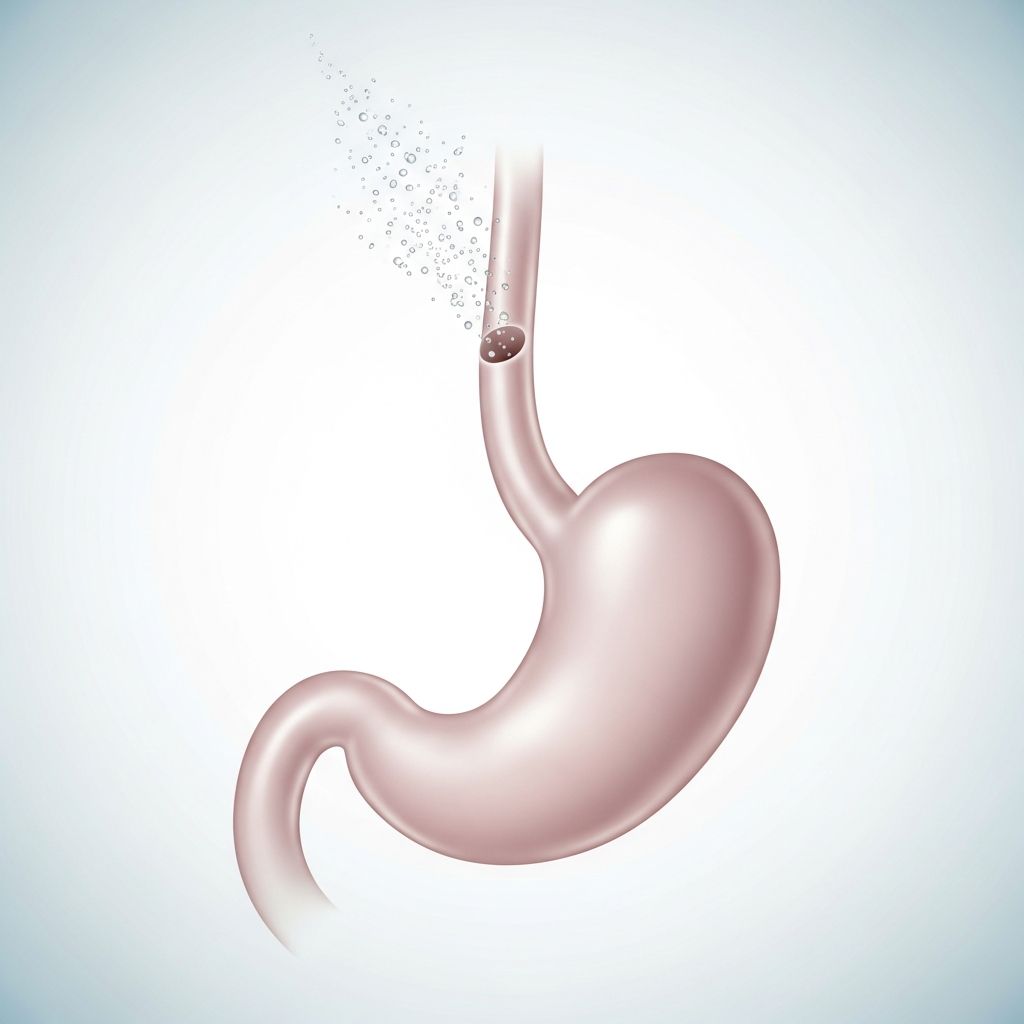
Vomiting, also known as emesis, is the forceful expulsion of stomach contents through the mouth, serving as the body’s protective mechanism to rid itself of harmful substances like toxins or pathogens. While often short-lived and resolving within 24-48 hours, persistent or severe vomiting can signal underlying health issues ranging from mild infections to life-threatening conditions. This article explores the myriad causes, treatments, prevention methods, complications, and crucial indicators for medical intervention.
What Is Vomiting?
Vomiting involves coordinated contractions of the stomach, diaphragm, and abdominal muscles that propel gastric contents upward through the esophagus and out of the mouth. It differs from regurgitation, which is passive reflux without forceful ejection, and from nausea, the unpleasant sensation often preceding vomiting. The vomiting center in the brainstem triggers this reflex in response to stimuli from the gut, inner ear, chemoreceptors, or higher brain centers.
Acute vomiting typically lasts less than 48 hours and is self-limiting, commonly due to gastric infections or food poisoning. Persistent vomiting beyond this duration warrants investigation for more serious etiologies.
Common Causes of Vomiting
Vomiting arises from diverse triggers affecting the gastrointestinal tract, central nervous system, or systemic conditions. Here’s a breakdown of prevalent causes:
- Gastroenteritis (Stomach Flu): Inflammation of the stomach and intestines from viruses (e.g., norovirus), bacteria, or parasites via contaminated food/water. Symptoms include diarrhea, fever, headache, and abdominal pain alongside vomiting.
- Food Poisoning: Ingestion of toxins from bacteria like Salmonella or Staphylococcus, leading to rapid-onset vomiting, diarrhea, and cramps.
- Morning Sickness: Affects up to 80% of pregnancies, causing nausea and vomiting anytime, not just mornings. It usually resolves by the second trimester.
- Motion Sickness: Disruption of balance signals from the inner ear to the brain, common during travel by car, boat, or plane.
- Medications and Treatments: Chemotherapy, radiation, opioids, or antibiotics irritate the gut or stimulate the vomiting center.
Serious Causes of Vomiting
While many cases are benign, vomiting can indicate grave conditions requiring prompt care:
- Bowel Obstruction: Blockage prevents food/liquid passage, causing backup and vomiting of undigested material.
- Appendicitis: Inflamed appendix causes right lower abdominal pain, fever, and vomiting. Surgical emergency.
- Brain/CNS Disorders: Meningitis, encephalitis, migraines, head injuries, tumors, or increased intracranial pressure activate the brain’s vomiting center.
- Cyclic Vomiting Syndrome: Recurrent episodes, often starting in childhood; in adults, linked to chronic marijuana use.
- Other: Gastroesophageal reflux disease (GERD), peptic ulcers, kidney stones, severe pain, or migraines.
How to Stop Vomiting: Treatment Options
Most vomiting resolves without intervention, but supportive care accelerates recovery:
- Hydration: Sip clear fluids like water, oral rehydration solutions, broth, or electrolyte drinks to prevent dehydration. Avoid large volumes initially.
- Dietary Adjustments: Start with bland BRAT diet (bananas, rice, applesauce, toast). Eat small, frequent meals; avoid spicy, fatty, or acidic foods.
- Rest: Lie down in a cool, quiet room; avoid strong odors.
- Medications: Over-the-counter antiemetics like bismuth subsalicylate (Pepto-Bismol) or dimenhydrinate for motion sickness. Prescription options (e.g., ondansetron) for severe cases.
- Other Remedies: Ginger tea, acupressure wristbands, or crackers upon waking.
For persistent cases, address underlying causes: antibiotics for bacterial infections, antacids for GERD, or surgery for obstructions.
Prevention Tips for Vomiting
Related Stories



Proactive steps reduce vomiting risk:
- Wash hands frequently and cook food thoroughly to avoid infections.
- Use motion sickness remedies preemptively (e.g., scopolamine patches).
- For pregnancy: Small meals, avoid triggers, consider vitamin B6.
- Limit alcohol/marijuana to prevent cyclic syndrome.
- Mange medications with food or as directed.
Complications of Vomiting
Repeated vomiting disrupts bodily balance:
| Complication | Description | Risk Factors |
|---|---|---|
| Dehydration | Loss of fluids/electrolytes; dry mouth, reduced urine, dizziness. | Children, elderly, prolonged episodes. |
| Electrolyte Imbalance | Low sodium/potassium affects heart rhythm, muscles. | Severe/persistent vomiting. |
| Malnutrition | Inability to retain nutrients leads to weight loss. | Chronic cases. |
| Tooth Decay | Stomach acid erodes enamel. | Frequent exposure. |
| Aspiration | Vomit enters lungs, risking pneumonia. | Unconscious vomiting (e.g., alcohol). |
When to See a Doctor for Vomiting
Seek medical help if vomiting persists >48 hours, prevents fluid intake, or accompanies red flags:
- Blood/coffee grounds in vomit (hematemesis).
- Green/bilious vomit (bowel obstruction).
- Severe abdominal/chest/head pain.
- High fever, stiff neck, confusion.
- Signs of dehydration: rapid heartbeat, no urine >8 hours, sunken eyes.
- Unexplained weight loss.
Emergency care for suspected poisoning, infants unable to keep fluids down, or neurological symptoms.
Vomiting in Children vs. Adults
Children dehydrate faster; vomiting without diarrhea may indicate UTI or other infections. Consult pediatrician if <12 hours in infants or>24 hours in older kids. Adults should monitor for serious causes like MI or stroke if atypical.
Frequently Asked Questions (FAQs)
Why do I vomit?
Vomiting expels irritants/toxins from the gut, triggered by infections, motion, pregnancy, or CNS issues.
Why do I feel better after vomiting?
It relieves stomach pressure by removing irritants/acid.
Is vomiting after eating normal?
Occasional yes (overeating), but frequent suggests reflux, intolerance, or infection.
How long is too long for vomiting?
>24-48 hours, or if unable to hydrate.
Can vomiting cause heart problems?
Yes, via electrolyte shifts affecting rhythm.
References
- Vomiting: Causes, medication, treatment, and more — Medical News Today. 2023. https://www.medicalnewstoday.com/articles/vomiting
- Nausea and Vomiting: Causes and Treatment — Patient.info. 2024-01-13. https://patient.info/digestive-health/nausea-and-vomiting
- Why is the neurobiology of nausea and vomiting so important? — PMC (NCBI). 2008-03-25. https://pmc.ncbi.nlm.nih.gov/articles/PMC2274963/
- Nausea and vomiting – adults — MedlinePlus (NIH). 2024. https://medlineplus.gov/ency/article/003117.htm
- Nausea and Vomiting: Care Instructions — Kaiser Permanente. 2024. https://healthy.kaiserpermanente.org/health-wellness/health-encyclopedia/he.nausea-and-vomiting-care-instructions.ut1919
- Vomiting Complications — News-Medical.net. 2023. https://www.news-medical.net/health/Vomiting-Complications.aspx
Similar Articles








Read full bio of medha deb