Von Hippel-Lindau Disease (VHL): Symptoms & Prognosis
Understanding VHL: A rare genetic disorder causing tumors across multiple organ systems.
Understanding Von Hippel-Lindau Disease (VHL)
Von Hippel-Lindau disease (VHL) is a rare genetic disorder that develops when you inherit a specific genetic mutation affecting the VHL tumor suppressor gene located on chromosome 3p25.3. This autosomal dominant condition predisposes individuals to the development of multiple tumors and cysts throughout various organ systems. Research demonstrates that by age 65, approximately 97% of individuals carrying this genetic mutation will develop tumors and other complications associated with VHL.
VHL affects approximately 1 in 36,000 people worldwide and represents one of the most common inherited neoplasia syndromes. The condition is characterized by abnormal growth of blood vessels in various parts of the body, leading to the formation of hemangioblastomas and other vascular abnormalities. If you have a parent with VHL, you have a 50% chance of inheriting the condition.
How VHL Develops: The Genetic Basis
Von Hippel-Lindau disease results from germline mutations in the VHL tumor suppressor gene, which normally functions to prevent uncontrolled cell growth. When this gene is mutated, it loses its ability to regulate cell division effectively, leading to the formation of multiple tumors and cysts across different organ systems. The condition follows an autosomal dominant inheritance pattern, meaning only one mutated copy of the gene is necessary to develop the disease.
The VHL tumor suppressor protein plays a crucial role in regulating hypoxia-inducible factors (HIFs), which control blood vessel formation and other cellular processes. When the VHL protein is non-functional due to mutation, excessive HIF accumulation occurs, resulting in abnormal angiogenesis (blood vessel formation) and the characteristic vascular tumors seen in VHL patients.
Organ Systems Affected by VHL
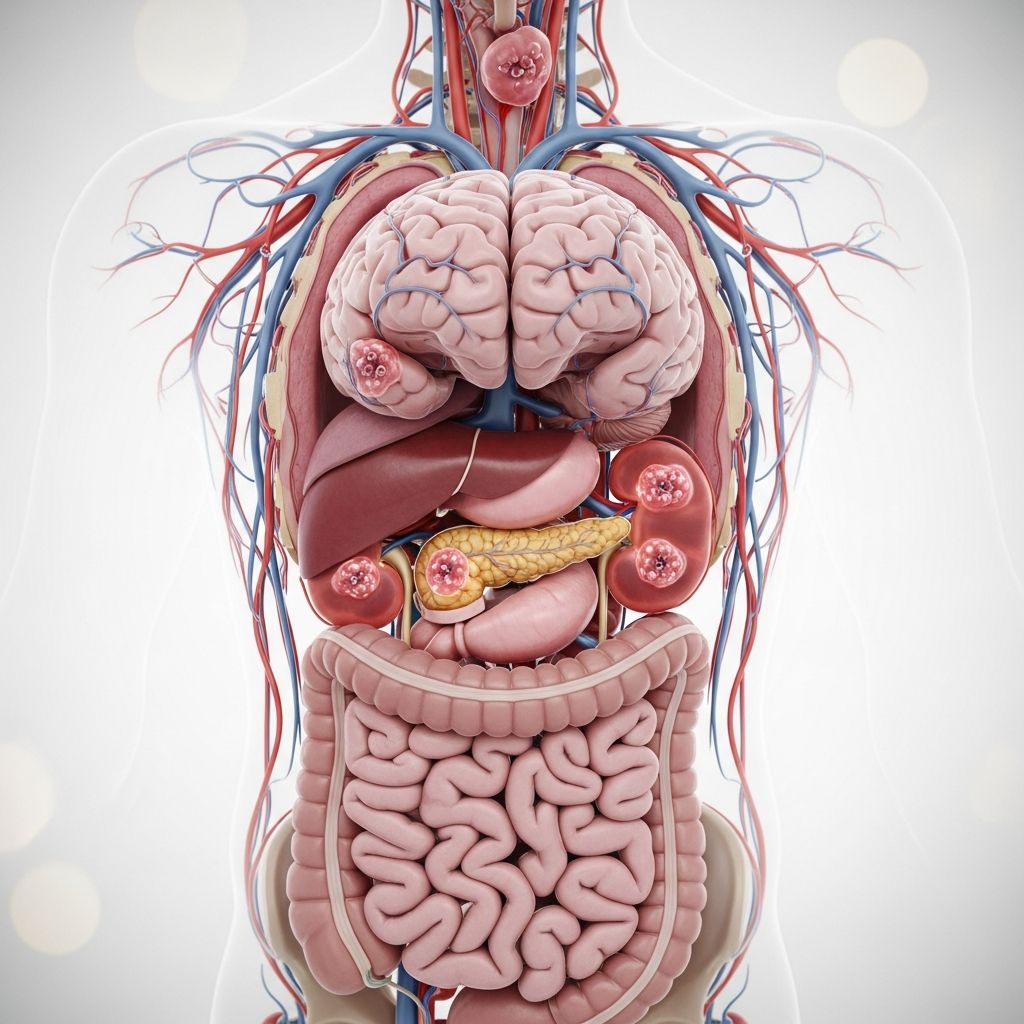
Von Hippel-Lindau disease affects multiple organ systems throughout the body. Six major organ systems are primarily involved in VHL manifestations:
Central Nervous System (CNS)
CNS hemangioblastomas are among the most common manifestations of VHL, present in approximately 60-80% of affected individuals. These highly vascular tumors typically develop in the cerebellum and spinal cord. Cerebellar hemangioblastomas are often the first manifestation of VHL disease, with mean age of presentation during the early third decade (ages 22-26 years), though presentation can vary widely. Approximately 40% of VHL disease presents with CNS hemangioblastomas.
Retinal System
Retinal capillary hemangioblastomas (RCHBs) are frequently the first manifestation of VHL disease and occur in approximately 37.2% of patients presenting with the condition. These vascular abnormalities typically develop in the retina and can lead to significant vision loss. Loss of vision is very common in VHL patients due to retinal angiomatosis. The connection between cerebellar and retinal hemangioblastomas was first described by Lindau nine decades ago.
Renal System
Renal manifestations represent a critical concern in VHL disease, with more than 55% of individuals developing multiple renal cell cysts. Approximately 24-45% of VHL patients develop renal cell carcinoma (RCC), which is characteristically multifocal and bilateral. RCC is the most common cause of death in VHL patients, accounting for 50% of deaths. The cumulative probability of developing RCC by age 60 is approximately 0.69 (69%).
Related Stories



Pancreatic Involvement
Pancreatic manifestations in VHL include both benign and malignant lesions. Serous cystadenomas of the pancreas occur in approximately 12% of VHL patients and are typically benign. Neuroendocrine tumors (PNETs) of the pancreas develop in 5-17% of affected individuals and have potential for malignant transformation. Pancreatic cysts and tumors may be asymptomatic or cause digestive issues.
Adrenal Glands
Pheochromocytomas (tumors of the adrenal medulla) develop in 0-60% of VHL patients, with a mean age of diagnosis of 28 years, which is younger than nonsyndromic pheochromocytoma presentation. These catecholamine-producing tumors can cause high blood pressure, heart palpitations, excessive sweating, and anxiety. Conservative surgical resection of adrenal lesions is advocated, particularly when identified at early stages.
Reproductive System
VHL can affect reproductive organs, with papillary cystadenomas of the epididymis occurring in 10-60% of males. The broad ligament in females and epididymis in males represent additional sites of involvement in VHL disease.
Common Symptoms of VHL
VHL symptoms vary widely depending on the location and size of tumors and cysts. Some individuals experience mild symptoms, while others develop life-threatening complications. The most frequent symptoms include:
Neurological Symptoms
Headaches, dizziness, and balance problems are common manifestations resulting from CNS hemangioblastomas. Patients may experience weakness of the limbs, nystagmus, and strabismus. Vision problems develop from retinal hemangioblastomas and can progress to significant vision loss.
Cardiovascular and Metabolic Symptoms
High blood pressure, heart palpitations, and excessive sweating typically result from pheochromocytomas. These symptoms can be severe and life-threatening if the pheochromocytoma remains undetected. Strokes, heart attacks, and other cardiovascular complications are common additional symptoms related to abnormal blood vessel formation.
Renal and Urinary Symptoms
Flank pain and hematuria (blood in the urine) are common manifestations of renal cell carcinoma. These symptoms may indicate the presence of significant renal tumors requiring intervention.
Pancreatic Symptoms
Pancreatic cysts and tumors may be asymptomatic or cause digestive issues depending on their size and location within the pancreas.
Screening and Diagnosis Protocols
Early recognition and diagnosis of VHL is crucial for preventing serious complications and improving quality of life. Genetic testing is the definitive diagnostic method for VHL, identifying individuals who carry the VHL gene mutation.
Pediatric Screening Guidelines
Vigilant screening should begin during pediatric years to identify, monitor, and control neoplasms before they become symptomatic. Starting at one year of age, annual ophthalmology evaluation using indirect ophthalmoscopy is recommended, along with physical examination assessing for neurological symptoms including nystagmus, strabismus, and white pupil appearance. Annual blood pressure monitoring and evaluation of vision and hearing are also essential components of pediatric screening.
Adolescent and Adult Screening
Starting at five years of age, testing for fractionated metanephrines through blood or 24-hour urine collection is recommended to screen for pheochromocytoma. Regular medical imaging including MRI and CT scans are essential to detect and manage tumors before they cause severe complications. Individuals with VHL disease are usually screened routinely for retinal angiomas, CNS hemangioblastomas, clear-cell renal carcinomas, and pheochromocytomas.
Treatment and Management Strategies
Surgery represents the most common treatment for conditions that VHL causes, though treatment approaches vary based on tumor type, size, and location. Early recognition and targeted treatment can substantially decrease complications and improve quality of life.
CNS Hemangioblastoma Management
CNS hemangioblastomas are usually surgically removed if they are symptomatic or showing signs of growth. Careful monitoring of asymptomatic lesions through regular imaging is essential to identify when intervention becomes necessary.
Retinal Angioma Treatment
Photocoagulation and cryotherapy are typically used for the treatment of symptomatic retinal angiomas. Anti-angiogenic treatments may also be considered as alternative therapeutic options for managing retinal manifestations.
Renal Tumor Management
Renal tumors may be removed through partial nephrectomy or other techniques such as radiofrequency ablation. Conservative surgical approaches aim to preserve renal function while removing malignant lesions.
Emerging Treatment Innovations
Treatment approaches continue to evolve, with emerging innovations including targeted therapies, stem cell research applications, and personalized medicine approaches tailored to individual patient genetic profiles and tumor characteristics.
Prognosis and Long-Term Outcomes
The prognosis for individuals with VHL depends on the early detection and management of tumors and cysts. Renal cell carcinoma remains the primary cause of mortality in VHL patients, accounting for half of all deaths in this population. However, aggressive screening protocols and early intervention have significantly improved survival outcomes in recent decades.
With appropriate monitoring and timely treatment, many VHL patients achieve good quality of life despite their genetic condition. Life expectancy has improved substantially with modern surveillance and management strategies, though individual prognosis varies based on the specific manifestations and aggressiveness of tumors developing in each patient.
Frequently Asked Questions (FAQs)
Q: What is the inheritance pattern of VHL?
A: VHL follows an autosomal dominant inheritance pattern. If one parent carries the VHL gene mutation, each child has a 50% chance of inheriting the condition. However, approximately 20% of VHL cases result from new mutations without a family history.
Q: At what age do VHL symptoms typically appear?
A: While symptoms can appear at any age, retinal hemangioblastomas typically present during the early third decade (ages 22-26 years). However, tumors and cysts can develop throughout childhood, adolescence, and adulthood. By age 65, 97% of mutation carriers will have developed some manifestation of VHL.
Q: How is VHL diagnosed?
A: VHL is diagnosed through genetic testing that identifies mutations in the VHL gene. Clinical diagnosis may be supported by imaging studies (MRI, CT scans, ultrasound) identifying characteristic tumors and cysts in multiple organ systems.
Q: What screening should VHL patients undergo?
A: VHL patients require lifelong surveillance including annual ophthalmology evaluations, regular blood pressure monitoring, periodic imaging studies (MRI/CT scans), annual testing for pheochromocytoma through metanephrine measurement, and physical examinations to assess for neurological symptoms.
Q: Is VHL curable?
A: VHL itself is not curable as it is a genetic condition, but individual manifestations (tumors and cysts) can be managed through surgery, targeted therapies, and other interventions. Early detection and proactive management significantly improve outcomes and quality of life.
Q: What is the most serious complication of VHL?
A: Renal cell carcinoma is the most serious complication, accounting for 50% of deaths in VHL patients. Metastatic RCC has predilection for bone, lung, and liver involvement. Regular renal screening is therefore critical for early detection and intervention.
Living with VHL: Support and Resources
Individuals diagnosed with VHL benefit from comprehensive medical care involving multidisciplinary teams including oncologists, urologists, ophthalmologists, neurosurgeons, and endocrinologists. Genetic counseling is recommended for patients and family members to understand inheritance patterns and testing options. Support groups and patient advocacy organizations provide valuable resources for individuals living with VHL and their families, offering educational materials, community connection, and information about research advances.
References
- Von Hippel–Lindau Disease — NIH National Center for Biotechnology Information (NCBI), PubMed Central. 2016. https://pmc.ncbi.nlm.nih.gov/articles/PMC4918695/
- Von Hippel-Lindau Disease: Genetics and Role of Hypoxia-inducible Factors — Nielsen, S.M., et al., PubMed. 2016. https://pubmed.ncbi.nlm.nih.gov/27114602/
- Von Hippel-Lindau Disease (PDQ®) – Health Professional Version — National Cancer Institute (NCI). 2024. https://www.cancer.gov/publications/pdq/information-summaries/genetics/vhl-syndrome-hp-pdq
- Tumors in von Hippel–Lindau Syndrome: From Head to Toe — Ganeshan, D., et al., Radiographics. 2018. https://pubs.rsna.org/doi/abs/10.1148/rg.2018170156
- Von Hippel Lindau Syndrome (VHL gene) — Cleveland Clinic Genomics. https://my.clevelandclinic.org/-/scassets/files/org/genomics/vhl-gene.pdf
Similar Articles








Read full bio of medha deb