VR Headsets And Eye Safety: 5 Expert Tips To Prevent Strain
Explore the science behind virtual reality's impact on vision, from temporary discomfort to long-term considerations for safe usage.
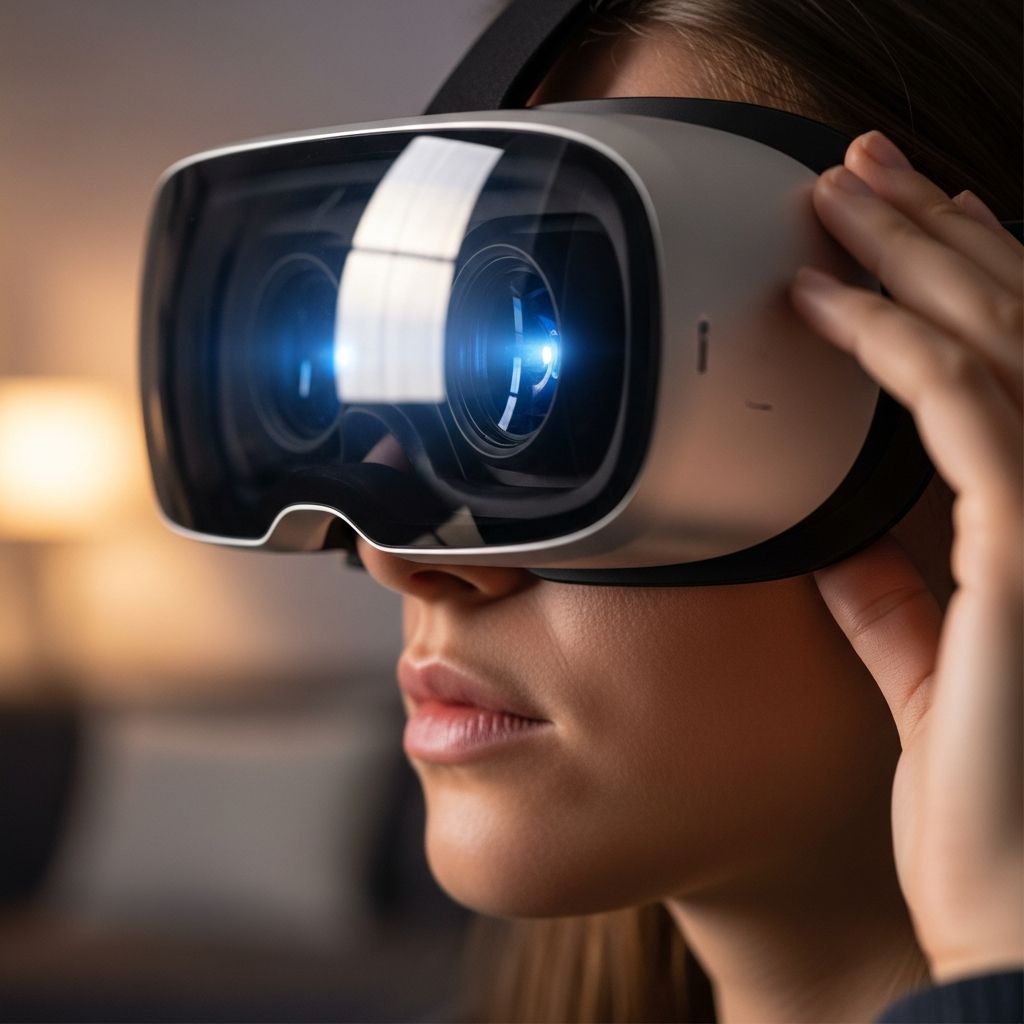
Virtual reality (VR) headsets deliver captivating digital worlds, but their close-up screens and immersive demands prompt valid concerns about visual well-being. Current evidence indicates that while VR use can trigger temporary discomfort such as eye fatigue and dryness, it does not lead to lasting harm when enjoyed responsibly.
The Science of Vision in Virtual Worlds
Human eyes evolved to handle real-world depth perception through coordinated processes: accommodation, where lenses adjust to focus on near or far objects, and vergence, where eyes rotate inward or outward to align on a target. VR disrupts this harmony via the vergence-accommodation conflict (VAC). Screens sit mere centimeters from the face, demanding constant focus there, yet virtual scenes simulate distant horizons, tricking eyes into converging differently. This mismatch overworks ocular muscles, fostering strain during sessions.
Physiological studies confirm VR alters the eye’s natural reflexes temporarily. Users may struggle refocusing post-session as the brain reconciles simulated and actual distances. High-quality headsets with elevated refresh rates (above 90Hz) and wide fields of view mitigate some issues by reducing blur and pixelation, but the core VAC persists across devices.
Recognizing Visual Discomfort from VR
Many experience asthenopia, or digital eye strain, shortly after donning a headset. Symptoms emerge within 30 minutes for intensive users and include:
- Irritation or burning sensations
- Blurred or doubled vision
- Headaches radiating from temples
- Persistent dryness from reduced blinking
- Challenges transitioning to real-world sight
A 2024 survey found 75% of frequent VR participants reporting watery eyes and focus difficulties after prolonged play. Women may notice heightened sensitivity due to variances in visual-vestibular integration. Glasses wearers face added hurdles unless using prescription inserts matched to interpupillary distance (IPD), the gap between pupils.
Why VR Strains More Than Traditional Screens
| Aspect | TV/Screens | VR Headsets |
|---|---|---|
| Screen Distance | Arm’s length or more | 5-7 cm from eyes |
| Focus Demands | Fixed plane | Constant depth shifts |
| Blink Rate | Normal (15-20/min) | Halved or less |
| Strain Potential | Moderate | High due to immersion |
Unlike passive TV viewing, VR envelops vision entirely, slashing blink frequency and spiking tear evaporation. Blue light emission, intensified by proximity, exacerbates fatigue and may disrupt melatonin, hindering sleep. Motion elements in games amplify cybersickness, blending visual strain with nausea.
Preventing and Alleviating VR-Induced Strain
Proactive habits transform VR from potential irritant to enjoyable pastime. Core strategies include:
- 20-20-20 Rule: Pause every 20 minutes to gaze 20 feet away for 20 seconds, restoring moisture and muscle relaxation.
- Session Limits: Cap adults at 1-2 hours daily; hydrate and blink deliberately.
- Device Optimization: Adjust IPD, brightness, and IPD for comfort; opt for high-resolution models.
- Eye Care Aids: Artificial tears combat dryness; blue light filters ease exposure.
- Build Tolerance: Begin with static scenes, progressing to motion as adaptation occurs.
Related Stories



Post-session, gentle neck rolls and real-world scanning aid recovery. For persistent issues, consult an optometrist to rule out underlying conditions like uncorrected refractive errors.
VR and Children’s Developing Eyes
Youth under 14 warrant extra caution, as visual systems mature through environmental cues. VR’s fixed focal plane may skew depth processing and eye-hand synchronization during key growth windows. Limited evidence from systematic reviews shows short, supervised exposures cause only mild cybersickness, resolving quickly, but prolonged use risks amblyopia flare-ups or double vision in predisposed kids.
Pediatric guidelines advocate brevity: 15-20 minutes for ages 10-12, with supervision. IPD mismatches in adult headsets strain young faces, heightening fatigue. Excessive near-work correlates with myopia progression; VR’s intensity could compound this, alongside dry eye from blink suppression. Parents should watch for disorientation or reluctance to remove the device.
Long-Term Outlook: Does VR Harm Vision Permanently?
Emerging data reassures: no studies link moderate VR to irreversible damage. Temporary adaptations in vergence-accommodation fade post-use, and even heavy users regain normalcy. Concerns linger for extreme habits, like all-day immersion, potentially fostering chronic fatigue or glandular issues in eyelids from chronic dryness. Neurological variances explain why some tolerate VR better, but population-level risks remain low.
Future tech promises relief: light-field displays could sync true focal depths, erasing VAC. Until then, moderation rules. A surprising upside? VR therapy aids vision rehabilitation, enhancing coordination in controlled settings.
Additional Physical Risks Beyond the Eyes
VR’s cocoon-like design invites hazards. Enclosed vision obscures surroundings, risking collisions during room-scale play—trips over furniture or impacts with walls. Motion sickness, or cybersickness, affects 20-80% of users, stemming from sensory mismatches between visual input and inner ear signals. Mitigation: clear play zones, seated modes for novices, and gradual exposure.
Frequently Asked Questions
Can VR cause permanent blindness or damage?
No, research confirms no lasting structural harm; symptoms are transient with proper breaks.
Is VR safe for kids?
Limited short sessions under supervision pose minimal risk, but avoid under age 10 due to developmental factors.
How does VR compare to phone or computer use?
VR intensifies strain via proximity and immersion, demanding stricter limits.
What if I wear glasses?
Use compatible inserts or contacts; ensure IPD alignment to cut distortion.
Does blue light from VR affect sleep?
Yes, proximity amplifies impact—dim screens pre-bedtime.
Expert Tips for Optimal VR Eye Health
Incorporate these into routines:
- Pre-session eye warm-ups: palm rubs for warmth, applied closed.
- Ambient humidity: use room humidifiers against dryness.
- Post-VR nutrition: omega-3s support tear films.
- Annual exams: track changes amid rising screen time.
By prioritizing these, VR enhances entertainment without compromising sight. As adoption surges in gaming, education, and therapy, informed use ensures benefits outweigh fleeting drawbacks.
References
- Virtual Reality and Its Effects on Eye Strain — Urban Optiks Optometry. 2024. https://www.uoosd.com/effects-of-vr-on-eye-strain
- Can VR Damage Your Eyes? Understanding the Risks — My Dry Eye Disease. 2024. https://mydryeyedisease-us.com/can-vr-damage-your-eyes-understanding-the-risks/
- Is Virtual Reality Bad for Your Eyes? — Visionary Eye Centre. 2024. https://visionaryeyecentre.com/is-virtual-reality-bad-for-your-eyes/
- Virtual Reality Headsets — NSPCC. 2024. https://www.nspcc.org.uk/keeping-children-safe/online-safety/virtual-reality-headsets/
- Are VR Headsets Safe for Your Eyes? — YouTube (Dr. Eye Care Channel). 2024. https://www.youtube.com/watch?v=RhHwFxgx63o
- Safety of virtual reality use in children: a systematic review — PubMed (PMC). 2024-03-01. https://pubmed.ncbi.nlm.nih.gov/38466416/
Similar Articles








Read full bio of medha deb