Vulval and Vaginal Problems in Prepubertal Females
Comprehensive guide to causes, diagnosis, and management of vulval and vaginal issues in young girls before puberty.
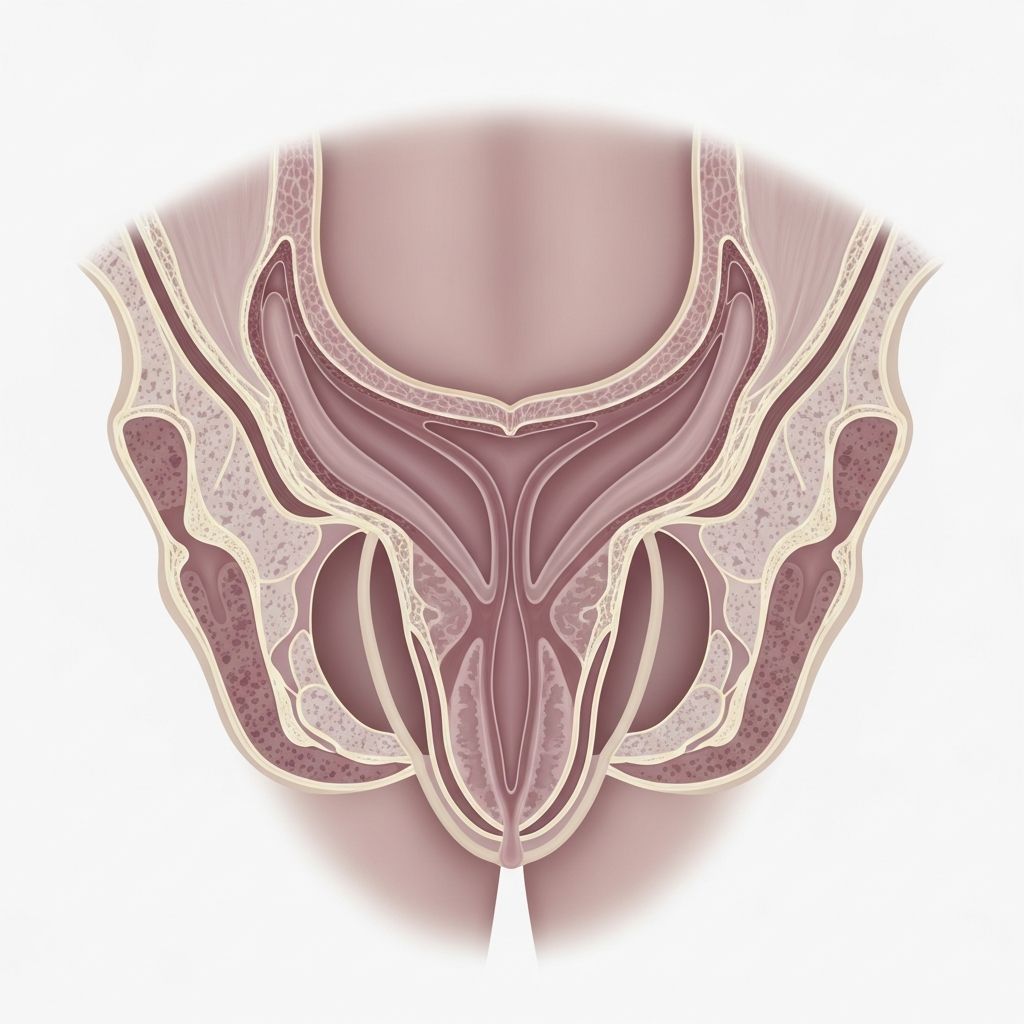
The vulva and vagina of prepubertal girls are particularly susceptible to irritation and infection due to their thin, delicate skin, neutral pH, and anatomical features that offer less protection compared to post-pubertal females. Lack of estrogen leads to thinner epithelium, smaller labia minora, and closer proximity between the urethra, vagina, and anus, increasing vulnerability to irritants like urine, feces, and poor hygiene practices. This article covers the main causes of symptoms such as
pruritus vulvae
(itching), discharge, redness, and pain, along with diagnostic approaches and management strategies.What are the symptoms?
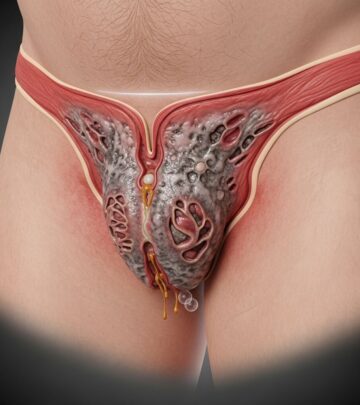
Prepubertal girls commonly present with vulval itching (**pruritus vulvae**), burning, dysuria (painful urination), soreness, redness (vulvitis), excoriations from scratching, and sometimes vaginal discharge. The discharge may be scant and white or mucoid but can become purulent or bloody if secondary infection occurs. Symptoms are often worse at night, especially with pinworm infestations, or after poor wiping. In severe cases, girls may experience pain during activities like cycling or walking, leading to behavioral changes such as toileting avoidance and constipation.
Predisposing factors
Several anatomical and behavioral factors predispose prepubertal females to these issues:
- Anatomical vulnerability: Thin vulval skin without protective labial fat pads or pubic hair; short distance between anus and vagina allows fecal contamination.
- Neutral vaginal pH: Pre-estrogenized mucosa is less acidic, promoting bacterial overgrowth.
- Hygiene challenges: Young children often wipe inconsistently (back-to-front), trap urine in labial folds, or remain damp from diapers/incomplete drying.
- Irritants: Bubble baths, scented soaps, harsh detergents, tight synthetic underwear, and bath bombs introduce chemical irritants.
These factors culminate in contact irritant dermatitis, the most frequent culprit.
Common causes
Vulval and vaginal problems in prepubertal girls stem from non-infectious irritants, infections, or dermatoses. Often, multiple factors coexist.
Non-infectious causes
- Contact irritant dermatitis: Primary cause of pruritus vulvae from urine, feces, soaps, or poor hygiene; presents with erythema, excoriations.
- Lichen sclerosus: Chronic inflammatory dermatosis with hypopigmented, atrophic ‘keyhole’ perianal-perivulval plaques, ecchymosis, fissures; causes intense itch and constipation risk.
- Psoriasis: Well-demarcated erythematous plaques, sometimes with scale; may affect other skin areas.
- Atopic or seborrhoeic dermatitis/eczema: Red, weepy, crusted areas often with a personal/family atopy history.
- Labial adhesions: Thin fusion of labia minora due to low estrogen and inflammation; leads to post-void dripping and secondary irritation; 80% resolve spontaneously.
Infectious causes
- Pinworms (Enterobius vermicularis): Nocturnal perianal itching migrating to vulva; diagnosed by tape test.
- Bacterial infections: Group A streptococcus or Staphylococcus causing purulent discharge, erythema.
- Candida: Rare outside diaper age due to neutral pH; associated with antibiotics or immunosuppression.
- Viral: Herpes simplex (vesicles, ulcers) or warts.
Other causes
- Foreign bodies: Toilet paper fragments causing foul discharge.
- Trauma/abuse: Bruising, tears; requires careful evaluation.
- Neoplastic: Rare, e.g., histiocytosis.
How is it diagnosed?
Diagnosis relies on detailed history (symptom onset, hygiene habits, irritant exposure, family atopy/dermatoses) and gentle examination.
- Examination technique: Frog-leg or butterfly position (child supine, knees flexed); labial traction reveals introitus, discharge, or adhesions. Avoid speculum.
- Investigations: Swabs for microbiology (bacteria, candida); pinworm tape test; skin biopsy for suspected lichen sclerosus/psoriasis if unclear. Patch testing for allergies.
- Red flags: Bloody/green discharge, non-resolving symptoms, perianal involvement, or constipation prompt urgent review.
What is the treatment?
Treatment targets the cause while emphasizing hygiene. Most cases resolve with conservative measures.
| Condition | Treatment |
|---|---|
| Irritant vulvovaginitis | Hygiene advice, emollients (petroleum jelly), low-potency steroid (hydrocortisone 1%) short-term |
| Lichen sclerosus | High-potency topical steroid (e.g., mometasone); pediatric gynecology referral |
| Pinworms | Mebendazole (family treatment) |
| Bacterial infection | Appropriate antibiotics |
| Labial adhesions (symptomatic) | Estrogen cream or manual separation if needed |
Prevention
Prevent recurrence with lifelong vulval care:
- Wipe front-to-back after toileting.
- Urinate sitting backward occasionally to clear labial-trapped urine.
- Avoid bubble baths, scented products; use plain water or emollient washes.
- Wear loose cotton underwear; change if damp.
- Pat dry gently post-bath; apply bland emollient (sorbolene, petrolatum).
- Trim fingernails to minimize scratching damage.
Early intervention prevents flares; symptoms may wax/wane but improve with consistency.
Frequently Asked Questions (FAQs)
What causes most vulval itching in young girls?
Contact irritant dermatitis from poor hygiene, urine/fecal contamination, or soaps is the main cause.
Is redness always a sign of infection?
No, prepubertal vaginal mucosa is naturally redder; irritation or normal variants are common. Persistent symptoms warrant evaluation.
When should we see a doctor?
If symptoms persist despite hygiene, or with bloody/green discharge, pain, or skin changes like whitening/shiny areas.
Do labial adhesions need surgery?
Rarely; most resolve spontaneously. Treat symptomatic cases with estrogen cream.
Can lichen sclerosus be cured?
It’s chronic but manageable with topical steroids; monitor for scarring.
References
- Prepubertal Vulvovaginitis: Causes, Treatment and Prevention — Nationwide Children’s Hospital. 2024-07-01. https://www.nationwidechildrens.org/family-resources-education/700childrens/2024/07/prepubertal-vulvovaginitis-causes-treatment-and-prevention
- Evidence Based Strategies: Vulvovaginitis in the Prepubertal Female — Children’s Mercy. 2024-09-01. https://www.childrensmercy.org/health-care-providers/refer-or-manage-a-patient/connect-with-childrens-mercy/newsletter-the-link/2024/the-link—september—2024/evidence-based-strategies-vulvovaginitis-in-the-prepubertal-female/
- Vulval and vaginal problems in girls — DermNet NZ. 2023-01-01. https://dermnetnz.org/topics/vulval-and-vaginal-problems-in-prepubertal-females
- Vulval Disorders in Children — O&G Magazine. 2020-01-01. https://www.ogmagazine.org.au/27/2-27/vulval-disorders-in-children/
- Vulval disease in pre-pubertal girls — PubMed (PubMed ID: 11903151). 2002-04-01. https://pubmed.ncbi.nlm.nih.gov/11903151/
- Vulvovaginitis in Children & Teens — HealthyChildren.org (American Academy of Pediatrics). 2023-01-01. https://www.healthychildren.org/English/health-issues/conditions/skin/Pages/vulvovaginitis-in-children-and-teens.aspx
Similar Articles






Read full bio of Sneha Tete