Vulval Lumps And Bumps: What You Need To Know
Comprehensive guide to identifying, understanding, and managing common vulval lumps and bumps for informed women's health.
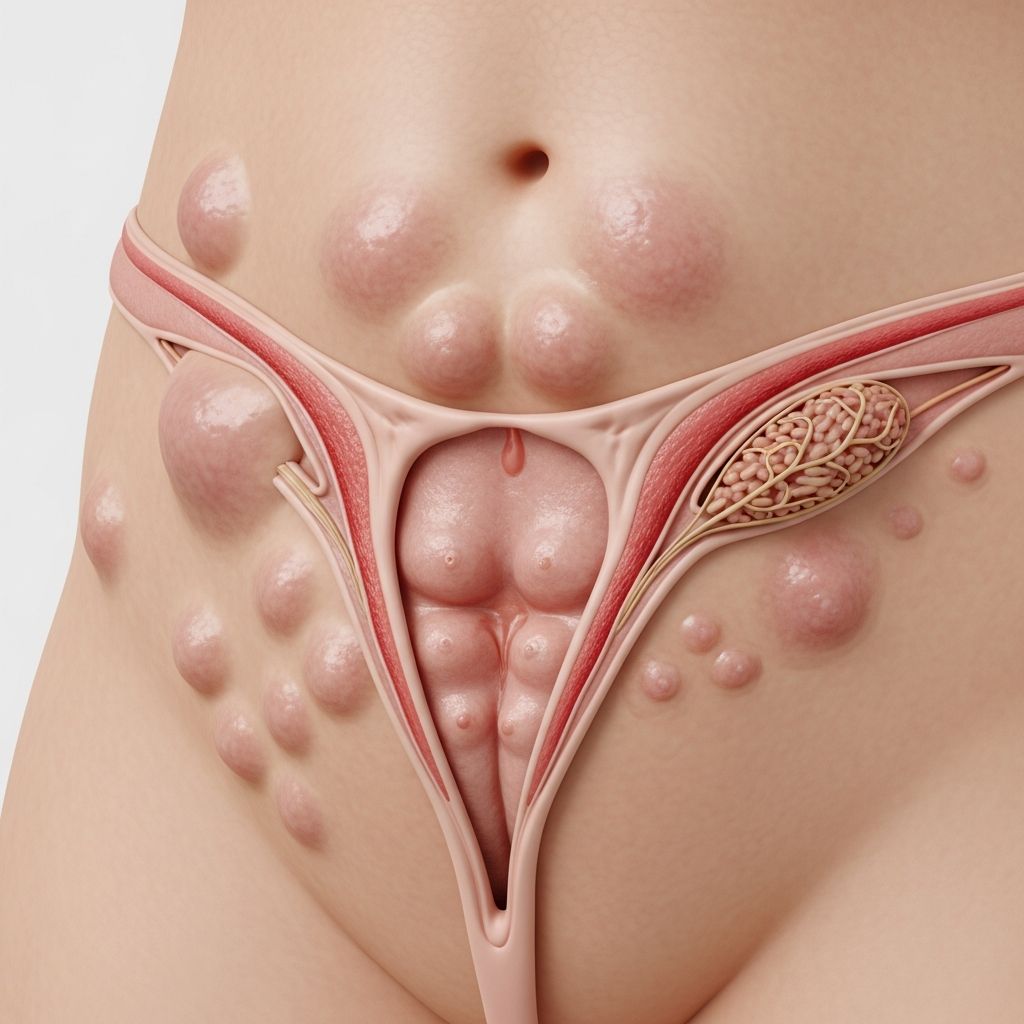
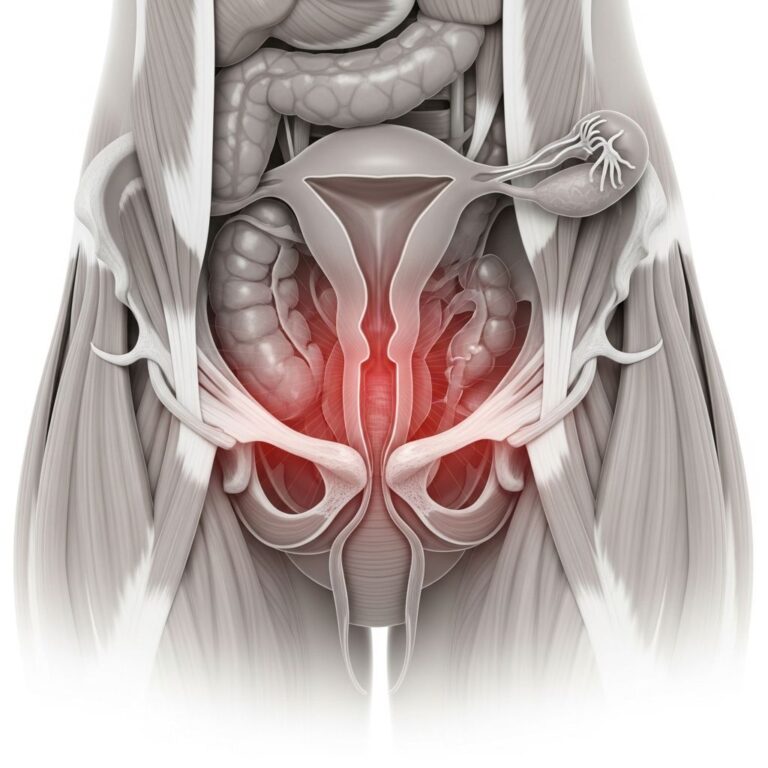
The vulva, comprising the external female genitalia including the labia majora, labia minora, clitoris, vaginal opening, and perineal area, commonly develops lumps and bumps. These can range from harmless physiological variants to benign tumours, infections, or rarely malignant lesions. Most are asymptomatic and self-resolve, but some cause discomfort, itching, pain, or discharge, warranting medical evaluation. Early identification distinguishes benign from potentially serious conditions, promoting timely intervention.
What are the most common causes of vulval lumps and bumps?
Vulval lumps and bumps arise from diverse aetiologies, categorized by tissue origin or pathology. Common causes include cysts from blocked glands, viral infections like genital warts, inflammatory skin disorders, and neoplastic growths. Anatomical location aids diagnosis: vestibular lumps often indicate cysts, while labial ones suggest folliculitis or hidradenoma. Patient history, including trauma, sexual activity, menopause status, and symptoms like pruritus or dyspareunia, guides assessment.
Normal variants
Many vulval prominences represent physiological structures mistaken for pathology. These require reassurance rather than intervention.
- Perineal pyramidal protrusion: A flesh-coloured pyramid-shaped protrusion at the perineal body (between vagina and anus), typically post-partum, asymptomatic, and benign. No treatment needed.
- Vestibular papillae: Soft, pink, filiform projections on the vulval vestibule, resembling warts but physiological, often post-puberty. Biopsy shows fibrovascular cores with glycogen-rich epithelium, distinguishing from HPV-related condyloma.
- Fordyce spots: Ectopic sebaceous glands appearing as small yellow-white papules on labia majora or minora. Harmless, prevalent in 80-90% of adults.
- Angiokeratomas: Tiny red-purple vascular papules from dilated capillaries, common on labia majora in older women. Benign unless bleeding.
Melanocytic naevus (mole)
Moles are benign proliferations of melanocytes, presenting as uniform pigmented macules or papules on the vulva. Symmetrical borders and stable size characterize benignity. Changes like asymmetry, irregular borders, colour variation, diameter >6mm, or evolution (ABCDE rule) prompt biopsy to exclude melanoma. Vulval melanoma is rare but aggressive, often arising in pre-existing naevi.
Seborrhoeic keratosis
These warty, stuck-on brown-black plaques arise from keratinocytes, common in older women on labia majora. ‘Stuck-on’ appearance with greasy surface distinguishes them. Benign, but irritation or cosmetic concern leads to cryotherapy, curettage, or shave excision. Histology shows acanthosis and horn cysts.
Epidermal (keratinous) cyst
Epidermal inclusion cysts (EICs) form when keratinizing epithelium traps in dermis, often post-trauma or episiotomy. They present as firm, mobile, subcutaneous nodules with central punctum, filled with cheesy keratin. Asymptomatic unless infected, causing pain and pus. Treatment involves excision of cyst wall to prevent recurrence; incision alone risks reformation.
Milium
Tiny (1-2mm) white keratin cysts from retained keratin under epidermis, appearing on labia or vestibule. Common in infants but persist in adults. Self-resolve or treat with extraction, retinoids, or laser. Differentiate from milia-like calcinosis in autoimmune disease.
Basal cell carcinoma
Rare on vulva (2% of cases), presenting as pearly nodule with telangiectasia, ulceration, or rolled edges on sun-protected labia. Risk factors include age >60, fair skin. Locally invasive but rarely metastasizes. Mohs micrographic surgery is preferred for preservation.
Related Stories



Squamous cell carcinoma
Most common vulval malignancy (90%), often HPV-related in younger women or lichen sclerosus-associated in elderly. Appears as ulcerated, indurated plaque or nodule with bleeding, pain. Staging via biopsy and imaging; treatment multimodal: surgery, radiation, chemotherapy. Prognosis varies by stage.
Vulval melanotic macule
Benign, uniform brown-black macule, uniform colour, <1cm, stable over time. Biopsy if changing to rule out melanoma. Common in 10% of women, requires monitoring.
Lentigo
Benign proliferation of melanocytes in basal layer, tan-brown macule on labia, stable. No treatment unless cosmetic.
Accessory skin tags (fibroepithelial polyps)
Soft, pedunculated flesh-coloured tags from friction, common on labia majora or interlabial sulci. Snip excision if symptomatic.
Lipoma
Soft, subcutaneous fatty tumour, mobile, painless on labia majora. Excise if large or tender.
Angiolipoma
Vascular lipoma variant, tender due to vascularity. Similar management.
Neurofibroma
Benign nerve sheath tumour, soft ‘buttonhole’ sign on pressure, associated with neurofibromatosis. Excise if growing.
Angiokeratoma
As above, vascular ectasia causing dark papules.
Haemangioma
Congenital or acquired vascular malformation, red-blue compressible nodule. Laser or sclerotherapy if problematic.
Dermatofibroma
Firm, dimple-sign positive nodule from dermal fibrosis post-insect bite/trauma. Benign.
Hidradenoma
Benign sweat gland tumour, solid or cystic nodule on labia, vulvovaginal location unique. Excise.
Syringoma
Multiple small firm papules from eccrine glands, pruritic. Topical retinoids or excision.
Soft fibroma
Similar to skin tags, pedunculated.
Endometrioma
Rare implant from endometrium, cyclical pain, blue-brown nodule. Excise.
Vulval lymphangiectasia
Post-surgical lymphatic obstruction, clear vesicles. Sclerotherapy.
Bartholin gland cyst/abscess
Most common vulval cyst (2% women), from duct obstruction at vaginal introitus 4-5 o’clock position. Cyst painless; abscess painful, hot, fluctuant. Marsupialization or Word catheter for abscess; antibiotics if cellulitis.
Gartner duct cyst
Remnant mesonephric duct, anterolateral vaginal wall, asymptomatic.
Müllerian cyst
Embryonic remnant, vestibular, mucinous.
Skene gland cyst
Paraurethral, near clitoris, may cause dyspareunia. Marsupialize.
Vestibular gland cyst (VGC)
Common benign vestibule cyst, minor vestibular gland origin, 0.5-1.5cm, fluctuant. Often regress; excise if persistent. ER-positive, hormonal link.
Folliculitis
Hair follicle bacterial infection (Staph), pustules post-shaving. Warm compresses, hygiene.
Carbuncle/furuncle
Deeper folliculitis cluster, painful boil. I&D.
Hidradenitis suppurativa
Chronic apocrine gland occlusion, recurrent painful nodules/abscesses in groin. Anti-inflammatories, surgery.
Pyoderma
Superficial bacterial, honey-crusted erosions. Topical/systemic antibiotics.
Molluscum contagiosum
Poxvirus, umbilicated pearly papules. Self-resolve or curette.
Genital warts (condyloma acuminata)
HPV 6/11, cauliflower-like, moist areas. Imiquimod, cryotherapy, excision.
Skin-coloured viral wart
HPV 2/4, hyperkeratotic on dry skin. Salicylic acid.
Herpes simplex
Vesicles->ulcers, recurrent. Antivirals.
Scabies
Burrows, intense itch nocturnal. Permethrin.
Lichen nitidus
Shiny pinhead papules. Self-limited.
Lichen simplex chronicus
Lichenified plaques from itch-scratch. Steroids.
Lichen sclerosus
White sclerotic plaques, itch, tearing post-menopause. Potent steroids, monitor for SCC.
Lichen planus
Violet papules, erosive. Steroids.
Psoriasis
Well-demarcated plaques. Topicals.
Contact dermatitis
Erythema from irritants/allergens. Avoidance.
Pityriasis rosea
Herald patch + Christmas tree. Self-resolve.
Table: Differential Diagnosis by Appearance
| Appearance | Common Causes |
|---|---|
| Cystic | Bartholin, epidermal, vestibular |
| Papular | Fordyce, syringoma, warts |
| Plaque | Lichen sclerosus, psoriasis |
| Vascular | Angiokeratoma, haemangioma |
Who should be seen urgently?
Seek immediate care for rapidly growing, painful, bleeding, ulcerated, or pigmented lesions changing in size/colour. Systemic symptoms or immunosuppression heighten concern for malignancy or infection.
How are vulval lumps diagnosed?
Diagnosis via history, examination (vulvoscopy), biopsy for suspicious lesions, swab for infection, ultrasound for deep cysts. Colposcopy if intraepithelial neoplasia suspected.
What is the treatment for vulval lumps and bumps?
Treatment varies: observation for benign; drainage/excision for cysts/abscesses; topicals for dermatitis; antivirals for herpes/HPV; surgery for tumours. Multidisciplinary for malignancy.
Frequently Asked Questions (FAQs)
Q: Are vulval lumps always cancerous?
A: No, most are benign like cysts or normal variants; cancer is rare (<5%). Biopsy confirms.
Q: Do Bartholin cysts always need surgery?
A: Small asymptomatic ones resolve; abscesses require drainage.
Q: Can genital warts spread?
A: Yes, via skin contact; treat to reduce transmission.
Q: When to worry about itching with lumps?
A: Persistent itch with white plaques may indicate lichen sclerosus; see dermatologist.
Q: Is self-treatment safe?
A: Avoid popping cysts/boils to prevent infection; consult professional.
References
- Benign “lumps and bumps” of the vulva: A review — PMC – NIH. 2021-09-24. https://pmc.ncbi.nlm.nih.gov/articles/PMC8484947/
- Vaginal Lumps and Bumps: Causes and When to See a Doctor — Healthline. 2023-05-15. https://www.healthline.com/health/womens-health/vaginal-lumps-bumps
- Bartholin Cyst: Causes, Symptoms & Treatment — Cleveland Clinic. 2024-02-10. https://my.clevelandclinic.org/health/diseases/17737-bartholin-cyst
- Vulvar cancer – Symptoms and causes — Mayo Clinic. 2024-11-01. https://www.mayoclinic.org/diseases-conditions/vulvar-cancer/symptoms-causes/syc-20368051
- Non-cancerous tumours and conditions of the vulva — Canadian Cancer Society. 2023-08-20. https://cancer.ca/en/cancer-information/cancer-types/vulvar/what-is-vulvar-cancer/non-cancerous-tumours-and-conditions
- Vulval lumps and bumps — DermNet NZ. 2024-06-12. https://dermnetnz.org/topics/vulval-lumps-and-bumps
Similar Articles








Read full bio of medha deb