Vulvitis: Causes, Symptoms, and Treatment Guide
Understanding vulvar inflammation: causes, symptoms, diagnosis, and effective treatment options.

Vulvitis: Understanding Vulvar Inflammation
Vulvitis is inflammation of the vulva, the external part of a woman’s genitals. This common condition causes discomfort and concern for many women, but the good news is that it’s treatable once the underlying cause is identified. Vulvitis can result from various causes including allergic reactions, infections, skin irritations, or injuries. Understanding what causes vulvitis, recognizing its symptoms, and knowing when to seek medical attention are essential for managing this condition effectively.
While vulvitis itself isn’t contagious, some of its causes can be. For instance, many bacteria that cause vaginal infections are highly contagious, whereas vulvitis resulting from an allergy or skin irritation is not contagious. The key to successful treatment is determining the specific cause of your inflammation, as different causes require different treatment approaches.
What Is Vulvitis?
Vulvitis refers to inflammation in your vulva, which includes the labia majora (outer folds) and labia minora (inner folds) of your external genitals. This inflammation can affect one or both sides and can range from mild to severe. The condition is characterized by uncomfortable symptoms that prompt many women to seek medical care. Vulvitis is distinct from vaginitis, which is inflammation of the vagina itself, though the two conditions can occur together (vulvovaginitis).
The vulva is a delicate area with sensitive skin that can be easily irritated by various factors. When inflammation occurs, it can cause significant discomfort and affect your quality of life. However, with proper diagnosis and treatment, most cases of vulvitis can be resolved relatively quickly.
Common Causes of Vulvitis
Vulvitis can develop from numerous causes, and understanding these can help you identify potential triggers in your own situation. The causes fall into several categories: infectious, irritant-related, allergic, and dermatological.
Infectious Causes
Infections are among the most common causes of vulvitis. Bacterial infections, yeast infections, and sexually transmitted infections (STIs) can all lead to vulvar inflammation. Yeast infections caused by Candida albicans are particularly common and can be clinically diagnosed based on characteristic symptoms. Trichomoniasis, caused by the parasite Trichomonas vaginalis, is the most common curable sexually transmitted disease and frequently causes vulvitis. Viral infections such as herpes simplex virus can also cause vulvar inflammation along with blisters and lesions.
Irritant and Allergic Causes
Contact vulvitis occurs when the vulva reacts to irritants or allergens. Common irritants include fragranced feminine hygiene products, douches, spermicides, latex condoms, detergents used on underwear, and even certain fabrics. Allergic reactions may develop to specific products or materials you’ve been using without previous problems, as sensitivities can develop over time.
Skin Conditions
Various dermatological conditions can manifest as vulvitis. Lichen sclerosus, a chronic skin condition, can cause vulvitis along with severe itching and skin changes. Eczema and psoriasis may also affect the vulvar area. Additionally, poor hygiene practices or excessive moisture in the area can create an environment where irritation develops.
Related Stories



Recognizing the Symptoms
The symptoms of vulvitis can vary depending on the underlying cause, but certain common signs alert women that something requires medical attention. Recognizing these symptoms early and seeking appropriate care can prevent complications.
Primary Symptoms
The most common symptoms of vulvitis include:
- Itching or pruritus in the vulvar area
- Burning sensation, particularly during urination or sexual activity
- Pain or tenderness in the vulva
- Vulvar swelling or edema
- Redness or erythema of the vulvar skin
- Abnormal vaginal discharge (color, consistency, and odor depend on the cause)
Physical Examination Findings
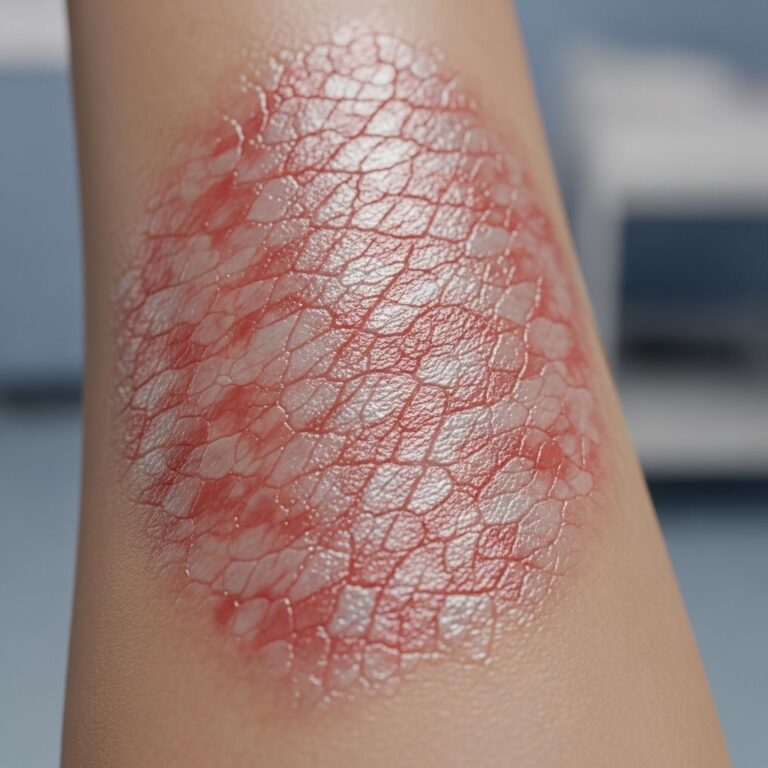
During a medical examination, healthcare providers may observe several physical signs of vulvitis. These can include redness and inflammation, blisters or vesicles (particularly with viral infections), excoriations or scratch marks from itching, fissures or cracks in the skin, and in severe cases, skin that appears scaly, white, and patchy. In the most severe cases, the skin may become so irritated that it sticks together, a condition requiring prompt medical intervention.
Diagnosis of Vulvitis
Proper diagnosis is crucial for successful treatment. Your healthcare provider will use a systematic approach to identify the cause of your vulvitis, which may involve multiple diagnostic methods.
Medical History and Physical Examination
Your healthcare provider will begin by reviewing your complete medical history and asking detailed questions about your symptoms. They’ll inquire about when the symptoms started, what makes them better or worse, your hygiene habits, recent product changes, sexual history, and any history of sexually transmitted infections. A thorough physical examination follows, during which your provider will inspect the vulvar area for signs of infection, irritation, or skin conditions. They’ll note the presence of redness, blisters, lesions, or other abnormalities.
Laboratory Tests
Depending on the suspected cause, your provider may order several tests. A pelvic exam typically includes collection of vaginal discharge samples. These samples may be examined using saline microscopy, where the discharge is diluted with saline and examined under a microscope at different magnifications to identify bacteria, yeast, trichomonads, or other organisms. Potassium hydroxide (KOH) wet mount testing can reveal budding yeast, pseudohyphae, or mycelia characteristic of candidal infections.
Your healthcare provider will check the pH level of your vaginal fluid, as different infections produce characteristic pH values. Bacterial vaginosis typically produces a pH higher than 4.5, while candidal vulvovaginitis maintains a pH below 4.5. DNA testing is also available to detect specific pathogens when standard microscopy is inconclusive. Culture testing may be performed if infections don’t respond to initial treatment, particularly to identify non-albicans Candida species or other unusual organisms.
Treatment Options for Vulvitis
Treatment for vulvitis depends entirely on identifying and addressing the underlying cause. Once your healthcare provider determines whether your inflammation results from an infection, irritation, or skin condition, targeted treatment can begin.
Conservative Management
Often, protecting your vulva from potential irritants and practicing proper vulvar care can significantly relieve vulvitis. Your provider may recommend several strategies:
- Avoiding fragranced products, douches, and feminine hygiene sprays
- Wearing breathable, cotton underwear
- Avoiding tight clothing that traps moisture
- Keeping the area clean and dry
- Using mild, unscented soap for washing
- Avoiding prolonged exposure to moisture or sweat
- Discontinuing use of irritating products like spermicides or latex condoms (if applicable)
Topical Treatments
For candidal vulvovaginitis, uncomplicated cases often respond well to topical or oral antifungal medications applied for one to seven days, depending on the medication used. Topical hydrocortisone cream (10% intravaginal compounded) or intravaginal clindamycin (2%) may be prescribed for certain types of vulvitis, typically used for four to six weeks. For recurrent candidiasis, suppressive therapy may be recommended, such as weekly application of topical antifungal agents.
Oral Medications
When topical treatments prove insufficient, oral antifungal medications like fluconazole may be prescribed. For immunosuppressed or diabetic patients with recurrent episodes (three or more in twelve months), maintenance therapy with weekly fluconazole 150 mg orally for six months may be recommended. Oral antibiotics are prescribed when bacterial infections cause vulvitis.
Specialized Treatments
For recurrent bacterial vaginosis-related vulvitis, some patients benefit from compounded formulations combining clindamycin and hydrocortisone, with estrogen added for hypoestrogenic patients. Antiviral medications are used for herpes simplex virus infections to shorten the duration and reduce the frequency of outbreaks, though no cure currently exists for the infection itself.
When to Seek Medical Attention
While some cases of vulvitis resolve with simple home care measures, certain situations warrant immediate medical evaluation. Don’t postpone scheduling an appointment with your healthcare provider if your vulva looks or feels abnormal, if symptoms persist despite home care efforts, if you develop severe symptoms like extensive blistering or lesions, or if you experience symptoms after unprotected sexual contact.
It’s particularly important not to attempt self-diagnosis with over-the-counter anti-itch products. Using the wrong treatment for your specific type of vulvitis may actually worsen your symptoms and prolong the itching and irritation. Your healthcare provider can help prevent a rash from becoming infected and can prescribe appropriate treatments for infections that have already developed.
Prevention of Vulvitis
While not all cases of vulvitis can be prevented, certain measures can reduce your risk of developing this uncomfortable condition. Maintain good vulvar hygiene by washing the area with warm water and mild, unscented soap. Avoid irritating products including fragranced feminine hygiene sprays, douches, and scented toilet paper. Wear breathable cotton underwear and avoid tight clothing that creates a warm, moist environment. Change out of wet swimsuits or sweaty workout clothes promptly. Use barrier protection like condoms during sexual activity to prevent STI transmission. If you have recurrent yeast infections, discuss preventive strategies with your healthcare provider.
When Vulvitis Indicates Serious Conditions
Your healthcare provider may order additional tests to rule out rarer, more serious conditions if standard treatments don’t help. Conditions like lichen sclerosus or vulvar cancer require specific diagnostic approaches and more targeted treatments. These conditions typically present with persistent symptoms despite appropriate treatment or with additional warning signs that warrant further investigation.
Frequently Asked Questions
Q: Is vulvitis contagious?
A: Vulvitis itself is not contagious, but some of its causes are. Vulvitis resulting from infections like bacterial vaginosis or sexually transmitted infections can be transmitted to partners. However, vulvitis from allergies, irritants, or skin conditions is not contagious.
Q: Can vulvitis go away on its own?
A: Some mild cases of contact vulvitis caused by irritants may resolve after removing the irritating product. However, most cases of vulvitis benefit from medical diagnosis and treatment to ensure proper care and prevent complications.
Q: How long does it take to treat vulvitis?
A: Treatment duration depends on the cause. Simple contact vulvitis may resolve in days to weeks after removing the irritant. Infections typically respond to treatment within one to two weeks, though some require longer courses of medication.
Q: Can I use over-the-counter creams for vulvitis?
A: Over-the-counter products may provide temporary symptom relief, but proper diagnosis is essential for effective treatment. Using the wrong product for your specific condition may worsen symptoms and delay healing.
Q: What should I avoid if I have vulvitis?
A: Avoid fragranced products, douches, tight clothing, prolonged moisture exposure, and potentially irritating activities. Your healthcare provider can provide specific recommendations based on your diagnosis.
Q: When should I see a doctor for vulvitis?
A: See a healthcare provider if you experience vulvar itching, burning, pain, swelling, or redness; if symptoms persist beyond a few days; if symptoms recur frequently; or if you develop severe symptoms like blisters or lesions.
Conclusion
Vulvitis is a common condition affecting many women at some point in their lives. While the symptoms can be uncomfortable and concerning, most cases respond well to proper diagnosis and treatment. The key to successful management is identifying the underlying cause, whether it’s an infection, irritant, allergen, or skin condition. Your healthcare provider is your best resource for accurate diagnosis and appropriate treatment recommendations. Don’t be embarrassed about discussing vulvitis with your gynecologist—it’s a common concern they address regularly. With proper care and attention to vulvar health, you can effectively manage vulvitis and prevent future episodes. Remember that early diagnosis and appropriate treatment lead to faster resolution and better outcomes.
References
- Vulvitis (Vulvar Itching): Causes, Symptoms & Treatment — Cleveland Clinic. Accessed December 2025. https://my.clevelandclinic.org/health/diseases/15175-vulvitis
- Vulvovaginitis: Find the cause to treat it — Cleveland Clinic Journal of Medicine. 2017. https://www.ccjm.org/content/84/3/215
- Vaginitis: Causes, Symptoms, Treatment & Prevention — Cleveland Clinic. Accessed December 2025. https://my.clevelandclinic.org/health/diseases/9131-vaginitis
- Overview of Vaginitis — Gynecology and Obstetrics — Merck Manuals Professional Edition. https://www.merckmanuals.com/professional/gynecology-and-obstetrics/vaginitis-cervicitis-and-pelvic-inflammatory-disease/overview-of-vaginitis
- 5 Common Vulvar Disorders and Remedies — Health Cleveland Clinic. https://health.clevelandclinic.org/5-common-vulvar-disorders
Similar Articles








Read full bio of Sneha Tete