Vulvodynia Explained: Symptoms, Causes, And Treatments
Discover the causes, symptoms, and effective treatments for vulvodynia, a chronic vulvar pain condition affecting many women.
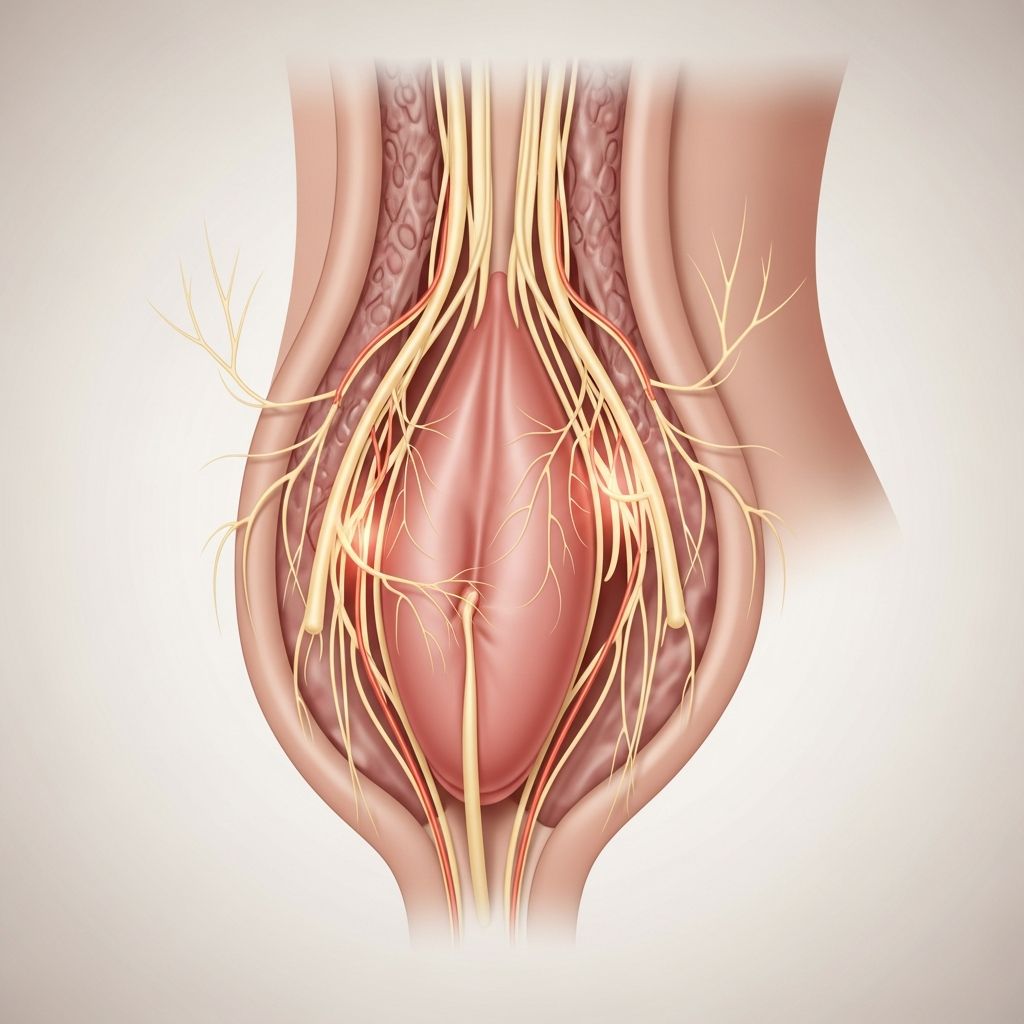
Vulvodynia is a chronic condition characterized by persistent pain in the vulvar area lasting at least three months, without an identifiable cause like infection or skin disorder.This pain can significantly disrupt daily life, including sitting, wearing tight clothes, or sexual activity.[10]
Recognizing the Signs of Vulvodynia
The discomfort associated with vulvodynia varies but is often described as burning, stinging, irritation, rawness, aching, soreness, throbbing, or swelling in the vulva, which encompasses the external female genital area including the vaginal opening.
- Burning sensation, especially during or after intercourse
- Sharp pain upon touch or pressure
- Constant irritation mimicking a yeast infection
- Throbbing that worsens with prolonged sitting
- Sensitivity making activities like cycling unbearable
Many individuals initially mistake these symptoms for recurrent infections and self-treat unsuccessfully, delaying proper diagnosis.
What Triggers Vulvodynia?
Although the exact cause remains elusive, several factors contribute to vulvodynia development.
| Potential Factor | Description |
|---|---|
| Nerve Injury or Irritation | Damage or hypersensitivity in vulvar nerves from prior trauma or inflammation |
| Pelvic Floor Dysfunction | Muscle spasms, weakness, or tension in the pelvic region supporting reproductive organs |
| Hormonal Shifts | Changes like those in menopause leading to tissue thinning |
| Past Infections | History of yeast, bacterial, or sexually transmitted infections sensitizing tissues |
| Genetic or Allergic Predispositions | Inherited traits or sensitivities exacerbating pain responses |
These elements often interplay, creating a cycle of heightened sensitivity.
Obtaining an Accurate Diagnosis
Diagnosis involves ruling out other conditions through a thorough exam, history review, and sometimes swabs or biopsies. No single test confirms vulvodynia; it’s identified by exclusion.
- Physical examination of vulvar tissues for visible issues
- Review of symptoms duration and triggers
- Tests for infections, skin disorders, or hormonal imbalances
- Referral to specialists like pelvic floor therapists if muscle issues suspected
Early diagnosis prevents unnecessary treatments and guides effective management.
Comprehensive Treatment Approaches
Treatment is individualized, often combining modalities since no universal cure exists. A multidisciplinary team including gynecologists, physical therapists, and pain specialists yields best outcomes.
Topical and Medication-Based Relief
Direct applications soothe irritated tissues and nerves.
- Anesthetics like lidocaine: Numb pain temporarily, especially pre-intercourse; long-term use shows sustained benefits
- Hormonal creams (estrogen/testosterone): Restore tissue health in low-estrogen states
- Steroids: Short-term inflammation reduction
- Oral nerve pain meds: Antidepressants or antiseizure drugs modulate pain signals
Physical Therapy for Pelvic Health
Pelvic floor therapy addresses muscle dysfunction central to many cases.
- Manual techniques: Massage, soft-tissue mobilization, joint work
- Exercises: Strengthen or relax pelvic muscles
- Modalities: Heat, ultrasound, electrical stimulation
- Biofeedback: Trains muscle control
Women’s health physical therapists evaluate the entire lower body for contributing factors.
Psychological and Behavioral Support
Chronic pain impacts mental health; therapies break the pain-anxiety cycle.
Related Stories



- Cognitive behavioral therapy (CBT): Reframes pain perception
- Psychosexual therapy: Addresses intimacy challenges
- Mindfulness, yoga: Reduce stress amplification of pain
Advanced Interventions
For refractory cases:
- Nerve blocks: Target hypersensitive nerves
- Botox injections: Relax spastic muscles
- Neurostimulation: Implants deliver electrical pulses
- Surgery: Rare vestibulectomy for localized pain
Lifestyle adjustments like cotton underwear, avoiding irritants, and lubricants enhance all treatments.
Lifestyle Modifications for Daily Comfort
Simple changes reduce flare-ups:
- Use fragrance-free products
- Wear loose clothing
- Apply cool compresses
- Practice gentle hygiene
- Incorporate pelvic relaxation exercises
These empower self-management alongside professional care.[10]
Prevalence and Impact on Quality of Life
Affecting up to 16% of women, vulvodynia often leads to isolation, relationship strain, and activity avoidance. Many suffer silently due to stigma.[10]
With proper care, symptoms improve or resolve for most, though patience is key in trial-and-error processes.
Common Questions About Vulvodynia
Is vulvodynia curable?
While not always fully curable, most achieve significant relief through combined treatments; some cases resolve spontaneously.[10]
Can vulvodynia affect sexual function?
Yes, pain often causes dyspareunia; therapies like dilators and counseling help restore intimacy.
How long does recovery take?
Varies from weeks to years; consistent multimodal therapy accelerates improvement.
Is surgery a first-line treatment?
No, reserved for failures of conservative options; success rates vary.
Does stress worsen vulvodynia?
Yes, tension heightens muscle spasms and pain perception; stress management is crucial.
Consult healthcare providers for personalized plans. Vulvodynia, though challenging, is manageable with informed approaches.
References
- Vulvodynia Treatments — National Vulvodynia Association. 2023. https://www.nva.org/learnpatient/medical-management/
- Vulvodynia (vulval pain) – NHS — National Health Service (NHS). 2024-02-15. https://www.nhs.uk/conditions/vulvodynia/
- Vulvodynia – Symptoms and causes – Mayo Clinic — Mayo Clinic. 2024-01-10. https://www.mayoclinic.org/diseases-conditions/vulvodynia/symptoms-causes/syc-20353423
- Vulvodynia – Diagnosis and treatment – Mayo Clinic — Mayo Clinic. 2024-01-10. https://www.mayoclinic.org/diseases-conditions/vulvodynia/diagnosis-treatment/drc-20353427
- Vulvodynia – The Royal Women’s Hospital — The Royal Women’s Hospital. 2023. https://www.thewomens.org.au/health-information/vulva-vagina/vulva-vagina-problems/vulvodynia
- Vulvodynia – StatPearls – NCBI Bookshelf — National Center for Biotechnology Information (NCBI). 2023-08-08. https://www.ncbi.nlm.nih.gov/books/NBK430792/
Similar Articles








Read full bio of medha deb