Vulvodynia: Guide To Causes, Symptoms, Diagnosis, And Treatment
Chronic vulval pain without visible cause: symptoms, causes, diagnosis, and multidisciplinary treatments for relief.
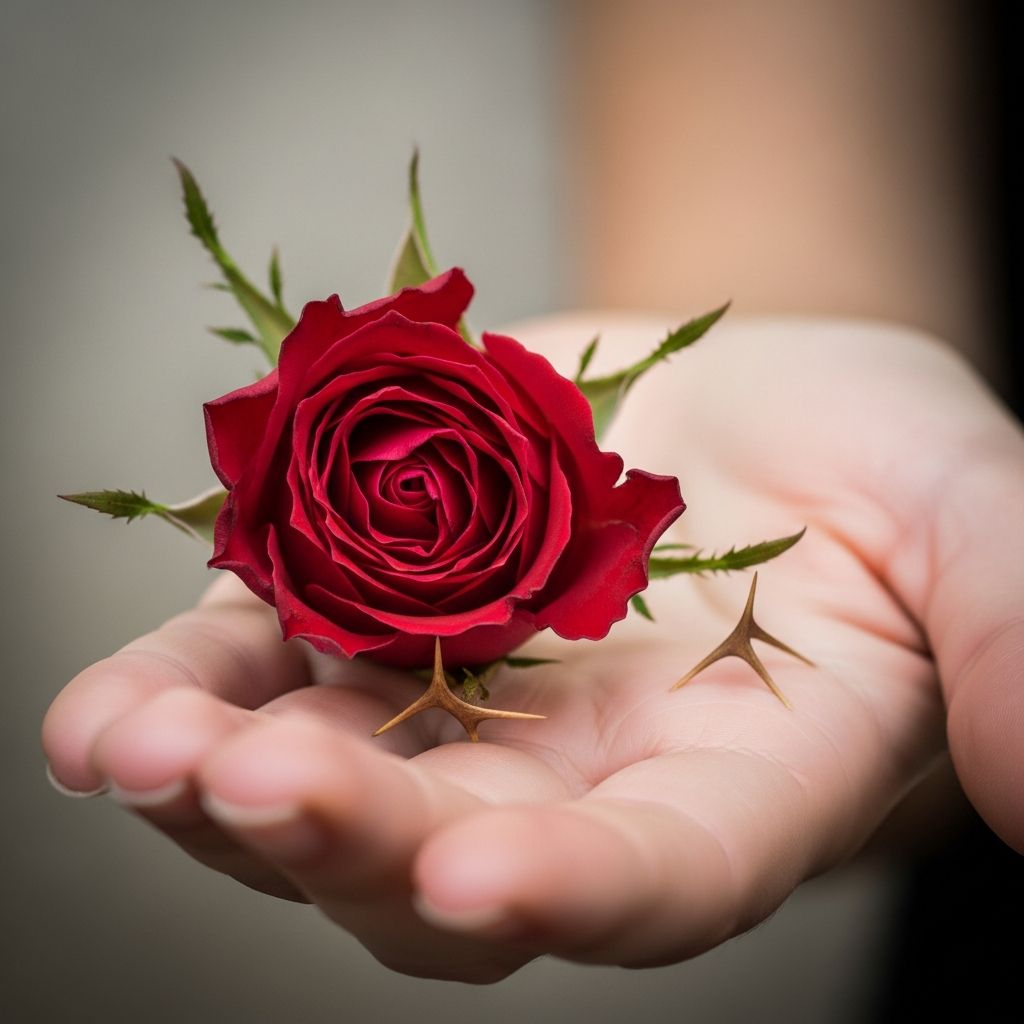
Vulvodynia is a chronic pain condition characterized by unexplained discomfort in the vulval area, often described as burning, stinging, or rawness, without visible signs of infection or inflammation.
What is vulvodynia?
Vulvodynia refers to persistent vulval pain lasting at least 3 months, with no identifiable cause upon physical examination. It affects the external female genitalia, including the labia, vestibule, and sometimes the clitoris, impacting quality of life through pain during intercourse, tampon insertion, or even light touch. The condition is not caused by infections, STIs, or structural abnormalities, distinguishing it from other vulvar disorders.
Prevalence estimates suggest 8-16% of women experience vulvodynia at some point, often underdiagnosed due to stigma or misattribution to psychological factors.
Who gets vulvodynia?
Vulvodynia typically affects reproductive-age women, with peak onset between 20-40 years, though it can occur pre-puberty or post-menopause. Risk factors include:
- History of yeast infections or chronic vaginitis
- Previous pelvic trauma or surgery
- Hormonal changes, such as from oral contraceptives
- Genetic predispositions like hypermobile Ehlers-Danlos syndrome
- Associated conditions: irritable bowel syndrome, fibromyalgia, or interstitial cystitis
White women report higher diagnosis rates, possibly due to healthcare access disparities.
What causes vulvodynia?
The exact etiology is multifactorial and poorly understood, involving central and peripheral sensitization of nerves. Proposed mechanisms include:
- Nerve proliferation: Excess nerve endings in the vulva misinterpreted by the brain as pain.
- Pudendal nerve injury: Damage to pelvic nerves from childbirth or surgery.
- Musculoskeletal issues: Pelvic floor hypertonicity, spinal disc protrusions, or scoliosis.
- Hormonal factors: Long-term use of oral contraceptives leading to vestibule atrophy.
- Immune dysregulation: Mast cell activation causing inflammation.
- Genetic/connective tissue disorders: Hypermobile Ehlers-Danlos syndrome.
No single cause predominates; triggers like allergens or irritants exacerbate symptoms.
What are the clinical features of vulvodynia?
Symptoms are chronic (>3 months) and include burning, stinging, irritation, rawness, aching, soreness, throbbing, or swelling in the vulva. Pain is provoked by touch, pressure, or activities like cycling, sex, or wearing tight clothing. Subtypes:
- Generalized vulvodynia: Diffuse pain, constant or intermittent, unprovoked or mixed.
- Vestibulodynia (localized provoked): Pain at vaginal vestibule entry, burning with touch/insertion; most common.
Associated symptoms: dyspareunia (painful sex), urinary urgency, or bowel issues. Psychological impact includes anxiety, depression, and sexual dysfunction.
Diagnosis
Diagnosis is clinical, by exclusion. Steps include:
- Detailed history: pain duration, triggers, impact on daily/sexual life.
- Physical exam: normal vulva appearance; Q-tip test for tenderness (cotton swab touch elicits pain at vestibule).
- Rule out infections: swabs for yeast, bacteria, herpes; biopsy if lesion suspected (rarely needed).
- Assess pelvic floor: hypertonicity via internal exam.
No imaging or labs confirm diagnosis; referral to vulvar pain specialist if needed.
Treatment of vulvodynia
No cure exists; management is multidisciplinary, symptom-focused, with 60-80% achieving relief via combined therapies. Lifestyle first-line:
- Avoid irritants: scented soaps, douches, synthetic underwear, prolonged sitting in wet clothes.
- Use emollients, cotton underwear, lubricants for sex.
Medications
Oral:
- Antidepressants (amitriptyline, nortriptyline): 10-50mg nightly for neuropathic pain.
- Anticonvulsants (gabapentin, pregabalin): titrate to 900-3600mg/day.
- Others: montelukast (mast cell stabilizer), NSAIDs for flares.
Related Stories



Topical:
- Lidocaine 5% ointment pre-activity (e.g., sex).
- Hormonal creams: estrogen/testosterone for atrophy.
- Compounded amitriptyline-ketamine.
| Medication Class | Examples | Mechanism | Common Side Effects |
|---|---|---|---|
| Tricyclic Antidepressants | Amitriptyline | Neuropathic pain modulation | Dry mouth, sedation |
| Gabapentinoids | Gabapentin, Pregabalin | Calcium channel blockade | Dizziness, fatigue |
| Topical Anesthetics | Lidocaine | Local nerve block | Partner numbness |
| Hormonal | Estrogen/Testosterone | Tissue health restoration | Skin irritation |
Physical Therapy
Pelvic floor therapy addresses muscle spasm/weakness: manual therapy, biofeedback, dilators, exercises. Effective in 70% of cases. Includes joint mobilization, ultrasound, yoga.
Psychological Therapies
Cognitive behavioral therapy (CBT), mindfulness, sex therapy for pain coping, sexual dysfunction.
Interventional
- Nerve blocks: pudendal injections.
- Botox for spasms.
- Neurostimulation/spinal pumps for refractory cases.
- Surgery (vestibulectomy): last resort, 80% success for localized type.
Clinical variants
- Clitorodynia: Isolated clitoral pain.
- Vulval dysesthesia: Abnormal sensations without touch.
Frequently Asked Questions
What is the difference between vulvodynia and vestibulodynia?
Vulvodynia is generalized vulval pain; vestibulodynia is localized to the vestibule entrance, often provoked.
Is vulvodynia curable?
No cure, but symptoms often remit spontaneously or with treatment; many improve within 1-5 years.
Can vulvodynia affect sex life?
Yes, causing dyspareunia; lubricants, dilators, therapy help.
Does diet influence vulvodynia?
Possibly; avoid triggers like gluten/yeast via food diary.
When to see a specialist?
If pain persists >3 months despite self-care; seek gynecologist, dermatologist, or pain specialist.
References
- Vulvodynia: Symptoms, Causes, and Treatment — HealthCentral. 2023. https://www.healthcentral.com/article/what-is-vulvodynia
- Vulvodynia (vulval pain) — NHS. 2024-01-15. https://www.nhs.uk/conditions/vulvodynia/
- Vulvodynia Treatments — National Vulvodynia Association. 2023. https://www.nva.org/learnpatient/medical-management/
- Vulvodynia – Diagnosis and treatment — Mayo Clinic. 2025-06-12. https://www.mayoclinic.org/diseases-conditions/vulvodynia/diagnosis-treatment/drc-20353427
- Vulvodynia — The Royal Women’s Hospital. 2024. https://www.thewomens.org.au/health-information/vulva-vagina/vulva-vagina-problems/vulvodynia
- Vulvodynia — NCBI StatPearls. 2024-07-01. https://www.ncbi.nlm.nih.gov/books/NBK430792/
- Vulvodynia — University of Utah Health. 2024. https://healthcare.utah.edu/womens-health/gynecology/vulvodynia
- Vulvodynia — ACOG. 2023-11-01. https://www.acog.org/womens-health/faqs/vulvodynia
Similar Articles








Read full bio of Sneha Tete