Waist Measurement Guide: Assess Diabetes Risk With Simple Steps
Discover why measuring your waist is crucial for type 2 diabetes risk and how to do it accurately for better health management.
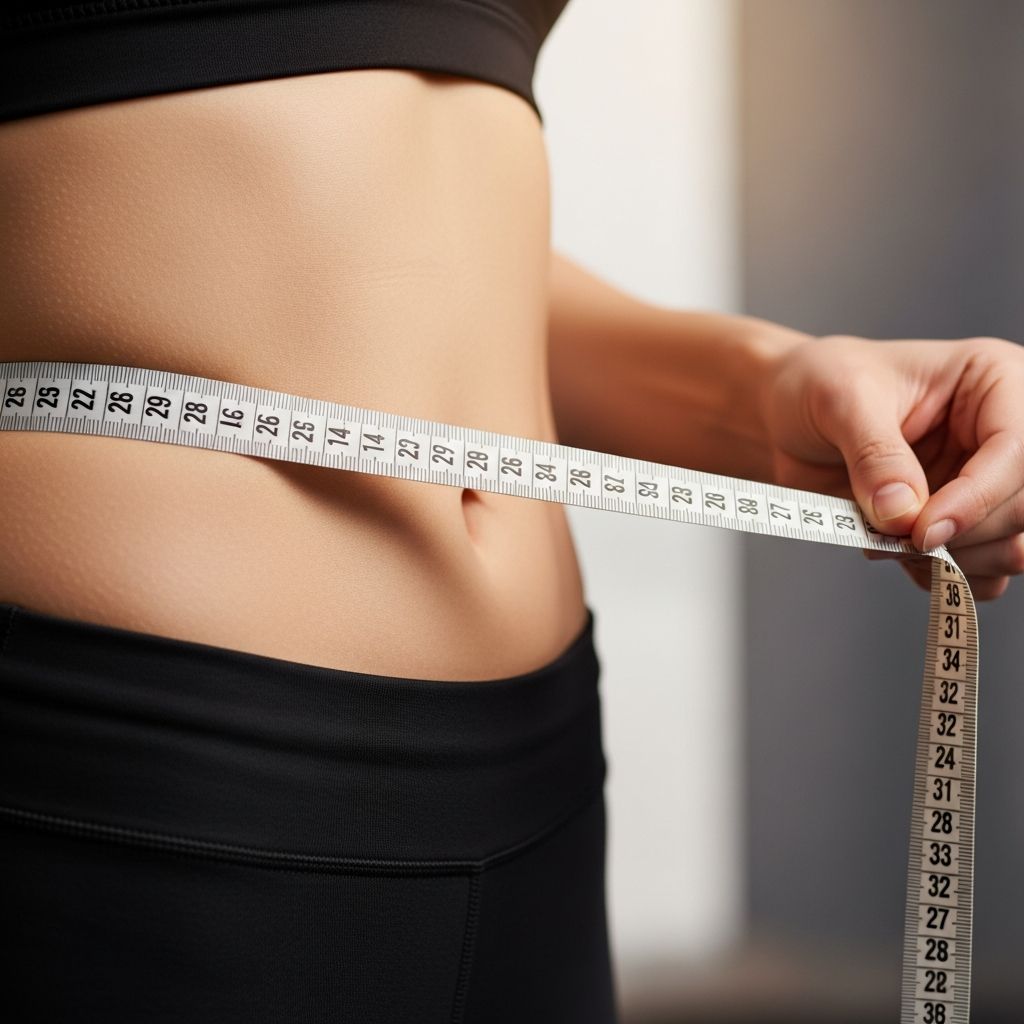
Measuring your waist is a simple yet powerful way to assess your risk of developing type 2 diabetes or managing it if you already have the condition. Excess fat around the abdomen, often indicated by a larger waist size, is strongly linked to insulin resistance and poorer blood glucose control. Unlike BMI, which looks at overall weight, waist measurement specifically highlights harmful visceral fat that builds up around organs. Regular checks can motivate lifestyle changes to improve health outcomes.
Why waist size matters
Carrying excess weight around your waist increases the risk of type 2 diabetes because fat in this area releases chemicals that interfere with insulin function, leading to insulin resistance. This makes it harder for cells to use glucose effectively, raising blood sugar levels. Even if you have diabetes, a large waist can worsen control and increase complications. Research from the DESIR study shows that increases in waist circumference are a major predictor of type 2 diabetes in people with impaired fasting glucose, with standardized odds ratios of 1.79 after adjustments. The impact is especially strong in those with BMI under 25 kg/m
Visceral fat around organs like the liver and pancreas is more dangerous than subcutaneous fat elsewhere on the body. It promotes inflammation and disrupts metabolic processes. Health guidelines emphasize waist size alongside BMI for a fuller picture of risk, particularly for those with BMI under 35 and long-term conditions. Monitoring helps track progress from interventions like diet and exercise.
How to measure your waist
Accurate measurement requires a flexible tape measure and takes just a minute. Follow these steps for reliability:
- Stand upright with feet together and clothes that won’t compress your waist.
- Locate the midpoint between the bottom of your rib cage and the top of your hip bone (iliac crest). The belly button often serves as a good guide, though not always precise.
- Breathe in, then out naturally—do not suck in your stomach.
- Wrap the tape around your body at the midpoint, keeping it straight, taut but not tight, parallel to the floor.
- Record the measurement in cm or inches where the tape meets. Have someone assist if needed by holding one end at your side while you rotate.
Avoid using trouser sizes, as they vary by brand and don’t reflect true waist circumference. Measure at the same time of day consistently, such as morning before eating, for tracking changes. Videos from Diabetes UK demonstrate this clearly, emphasizing relaxation for accuracy. Repeat weekly or monthly to monitor trends.
What’s a healthy waist size?
Healthy waist sizes vary by gender and ethnicity due to differing fat distribution patterns and diabetes risks. Use this table for guidance:
| Group | Healthy Waist (cm) | Healthy Waist (inches) | Increased Risk |
|---|---|---|---|
| All women | <80 | <31.5 | >80 |
| Most men | <94 | <37 | >94 |
| South Asian men | <90 | <35 | >90 |
Related Stories



Source: Diabetes UK guidelines. South Asian populations face higher risks at smaller waists due to genetic factors. If above these thresholds, you’re at substantially increased risk for type 2 diabetes and related issues like heart disease. For context, calculate BMI using online tools for overall assessment.
Reduce your waist size
If your measurement exceeds healthy limits, sustainable changes can help. Aim for gradual loss of 5-10% body weight to reduce risks. Key strategies include:
- Diet: Focus on balanced eating with more vegetables, whole grains, lean proteins, and fewer processed foods/sugars. Portion control and calorie awareness aid fat loss around the middle.
- Physical activity: Combine aerobic exercise (150 minutes/week brisk walking, cycling) with strength training twice weekly to target visceral fat. Consistency burns calories and improves insulin sensitivity.
- Lifestyle habits: Prioritize sleep (7-9 hours), manage stress via mindfulness, and limit alcohol. Track progress with regular waist/BMI checks.
Set realistic goals, like 1-2 cm reduction monthly. Consult a healthcare professional or dietitian for personalized plans, especially with diabetes. Studies confirm waist reduction lowers diabetes progression odds independently of weight loss.
Waist size and type 2 diabetes
Larger waists correlate directly with type 2 diabetes incidence. In the DESIR cohort of 979 people with impaired fasting glucose, annual waist increases predicted diabetes with odds ratios up to 2.40 in normal BMI groups. Adjustments for insulin resistance (HOMA2-IR) showed waist changes retained significance. For those with diabetes, excess abdominal fat hinders glycemic control by promoting insulin resistance. Prevention efforts stress waist monitoring to avert progression from prediabetes. Ethnic adjustments are vital, as South Asians develop risks earlier. Combining waist data with BMI, family history, and activity levels refines risk assessment.
Other body measurements
Waist alone provides key insights, but complement with:
- BMI: Weight (kg)/height² (m). Healthy range: 18.5-24.9. Over 25 indicates overweight; over 30 obesity. Tools available on health sites.
- Waist-to-height ratio: Divide waist (cm) by height (cm). Ideal <0.5 for all adults. NICE recommends alongside BMI for BMI <35 patients.
- Body fat percentage: Via calipers or scales, though less accessible.
These metrics together offer a comprehensive view beyond scales.
Frequently asked questions
Why is waist measurement more important than weight for diabetes risk?
Waist focuses on visceral fat around organs, which drives insulin resistance more than overall weight.
How often should I measure my waist?
Weekly or monthly to track changes, alongside weight and BMI.
Can I reduce waist size without losing much weight?
Yes, exercise emphasizing core and cardio targets abdominal fat effectively.
Does ethnicity really affect healthy waist sizes?
Yes, South Asian men have lower thresholds due to higher metabolic risks.
What if my waist is over the limit but BMI is normal?
Still elevated risk; focus on lifestyle to shrink waist, as per DESIR findings.
Is there a video guide for measuring?
Yes, Diabetes UK’s tutorials show exact steps.
References
- How to measure your waist | Diabetes UK — Diabetes UK / YouTube. 2023. https://www.youtube.com/watch?v=Y6ADCLK0q2k
- What’s your healthy weight when you have diabetes? — Diabetes UK. 2024. https://www.diabetes.org.uk/living-with-diabetes/eating/whats-your-healthy-weight
- Increases in Waist Circumference and Weight As Predictors of Type 2 Diabetes — Alain Gautier et al., Diabetes Care (PMC). 2010-01-20. https://pmc.ncbi.nlm.nih.gov/articles/PMC2909076/
- How to prevent type 2 diabetes — Diabetes UK. 2024. https://www.diabetes.org.uk/about-diabetes/type-2-diabetes/preventing
- How To Measure Your Waist In 4 Simple Steps | Diabetes UK — Diabetes UK / YouTube. 2018-08-15. https://www.youtube.com/watch?v=e4cUSNq_OY8
- Do I Need to Lose Weight? | Know Diabetes — Know Diabetes. 2024. https://www.knowdiabetes.org.uk/resources/internal/do-i-need-to-lose-weight/
Similar Articles








Read full bio of Sneha Tete