Waist-to-Hip Ratio: Better Than BMI for Health Prediction
Discover why waist-to-hip ratio is a superior health indicator compared to BMI alone.
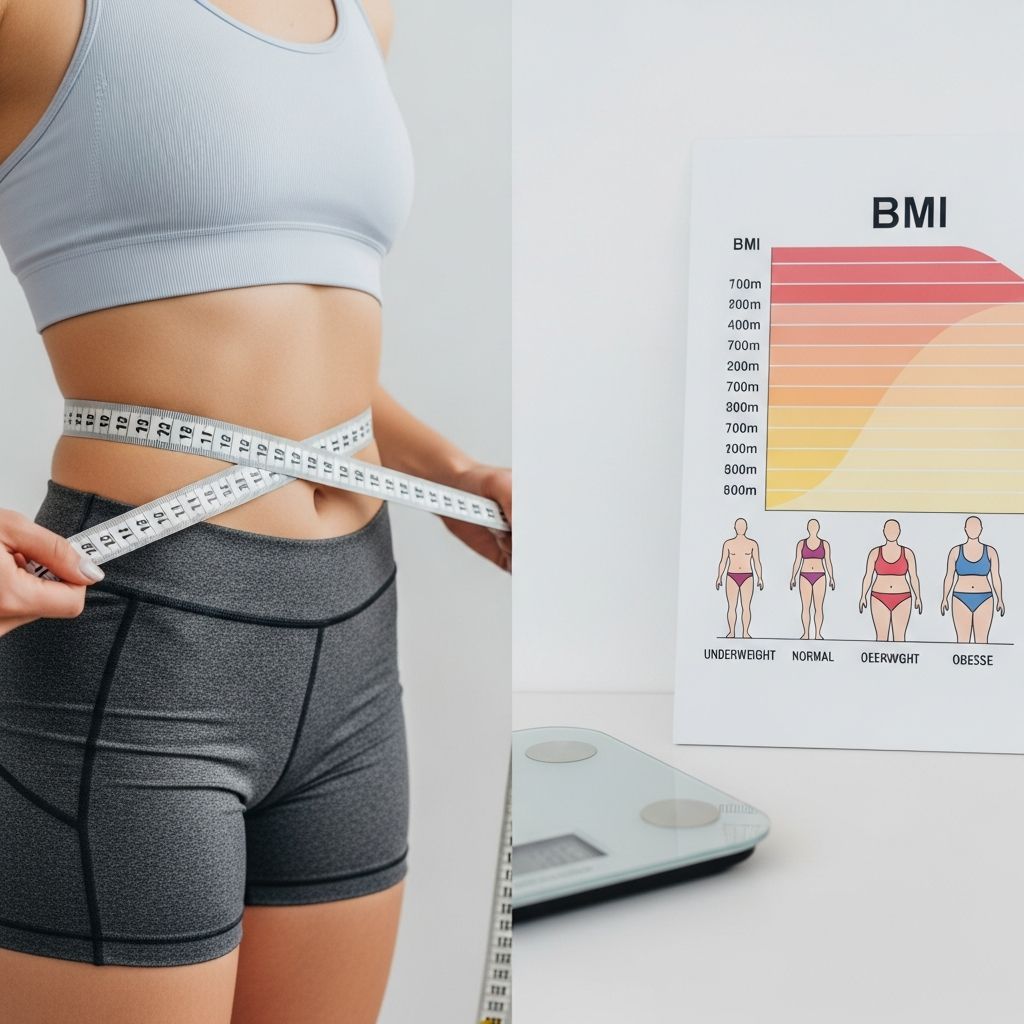
Why Waist-to-Hip Ratio Matters More Than BMI
When it comes to assessing your health, the number on the scale tells only part of the story. Body Mass Index (BMI) has long been considered the gold standard for measuring whether someone falls into a healthy weight range, but emerging research suggests that where you carry your weight might be far more important than how much you weigh overall. This is where the waist-to-hip ratio comes into play—a measurement that provides crucial insights into your actual health risks that BMI alone cannot capture.
The waist-to-hip ratio compares your waist measurement to your hip measurement, offering a more nuanced picture of how much fat you’re carrying around your midsection. Unlike BMI, which simply divides weight by height, the waist-to-hip ratio reveals something far more significant: where your body is storing excess fat. This distinction is critical because not all fat is created equal when it comes to your health.
Understanding BMI Limitations
BMI has been widely used by healthcare providers for decades as a screening tool for weight-related health risks. The categories are simple enough: underweight (below 18.5), healthy weight (18.5-24.9), overweight (25-29.9), and obese (30 and above). While a high BMI is associated with certain health conditions like Type 2 diabetes, sleep apnea, and heart disease, BMI has significant limitations that healthcare professionals increasingly recognize.
The fundamental problem with BMI is that it doesn’t distinguish between muscle and fat. An athlete with significant muscle mass might have a “high” BMI while maintaining excellent cardiovascular health. Conversely, someone with a normal BMI could still harbor dangerous amounts of visceral fat around their vital organs. Additionally, BMI doesn’t account for age-related changes in body composition or individual variations in how people naturally carry weight.
Most importantly, BMI fails to reveal one of the most dangerous forms of fat storage: belly fat. This is where waist-to-hip ratio becomes invaluable.
The Danger of Abdominal Obesity
Fat storage around the abdomen, known as abdominal obesity, represents a particularly serious health concern. This type of fat, technically called visceral fat, surrounds vital organs like your liver and pancreas. Unlike fat stored in other areas of your body, visceral fat is metabolically active and sends hormones, fatty acids, and inflammatory chemicals directly into your bloodstream.
This metabolic activity creates a cascade of harmful effects. The inflammatory chemicals released by visceral fat lead to higher cholesterol levels, elevated blood pressure, and increased blood glucose. Triglyceride levels—a dangerous type of fat in your blood—also rise significantly. These changes create the perfect environment for serious health conditions to develop.
The health risks associated with excess abdominal fat are extensive and well-documented:
- Heart disease and stroke
- Type 2 diabetes
- Certain cancers
- Dementia and cognitive decline
- Sleep apnea
- Fatty liver disease
According to the National Heart, Lung, and Blood Institute, a large waist size increases your risk for these health problems even if your BMI falls within the “normal” range. This means you could be classified as a healthy weight by traditional standards while still carrying dangerous levels of visceral fat.
How to Calculate Your Waist-to-Hip Ratio
Calculating your waist-to-hip ratio is straightforward and requires only a soft measuring tape. Here’s the process:
Step 1: Measure Your Waist
Wrap a measuring tape around your waist at the smallest point, typically near your belly button. Keep the tape snug but not tight, and ensure it remains parallel to the floor. Record this measurement in inches or centimeters.
Step 2: Measure Your Hips
Next, measure around your hips at the widest point. Again, keep the tape parallel to the ground and record the measurement.
Step 3: Calculate the Ratio
Divide your waist measurement by your hip measurement using a calculator. For example, if your waist is 32 inches and your hips are 38 inches, your ratio would be 0.84.
If you’re having difficulty taking these measurements yourself, a healthcare provider, family member, or friend can assist you.
Understanding Your Results
The World Health Organization provides clear guidelines for interpreting your waist-to-hip ratio. According to these standards, abdominal obesity is indicated by:
- A ratio above 0.90 for men
- A ratio above 0.85 for women
A ratio higher than 1.0 for either sex indicates a substantially elevated risk for serious health problems. The higher your ratio, the greater your risk for conditions like heart disease, diabetes, and premature mortality.
Research studies have consistently shown that having a high waist-to-hip ratio is linked to health problems including diabetes, heart disease, and premature death. This relationship holds true regardless of your overall BMI, making it a powerful independent predictor of health outcomes.
Waist-to-Hip Ratio vs. Waist Circumference: Which Is Better?
While waist-to-hip ratio provides valuable information, some researchers and health experts argue that waist circumference alone may be equally effective and simpler to measure. Evidence suggests that waist size and waist-to-hip ratio are equally good tools for measuring health risks. However, they each have advantages.
Waist circumference is easier to calculate because it requires only one measurement rather than two. You simply measure around your waist at the smallest point. For women, a waist circumference greater than 35 inches is considered high-risk, while for men, anything over 40 inches indicates increased health risk. This simplicity has led many health organizations to recommend waist circumference as the primary measurement for assessing abdominal obesity risk.
The waist-to-hip ratio, on the other hand, provides additional context by accounting for hip size. This can be particularly useful because it normalizes the waist measurement relative to your overall frame size. Some individuals naturally have larger frames with proportionally larger hips, and the ratio accounts for this variation.
Research from the National Institutes of Health found that waist-to-hip ratio was “as strongly associated with risk of early death as the measurement of waist size alone,” but also noted that waist-to-hip ratio requires two measurements and therefore may be less convenient to calculate than measuring waist circumference alone.
Combining BMI with Waist Measurements
Rather than viewing waist-to-hip ratio and BMI as competing measures, health experts increasingly recommend using them together. World health experts recommend using two tests together: BMI plus waist circumference. This combined approach appears to be better at predicting your health risks than BMI on its own. The beauty of this strategy is that both measurements are cheap, easy to perform, and require no special equipment.
By assessing both your overall weight-to-height ratio and your fat distribution pattern, your healthcare provider gains a much more complete picture of your health risks. This dual approach has proven particularly effective for identifying individuals who may appear to have a healthy BMI but are actually at significant risk due to abdominal obesity.
Beyond the Numbers: A Holistic Health Assessment
While waist-to-hip ratio and waist circumference provide valuable information, they’re just part of a comprehensive health picture. Your healthcare provider should also consider:
- Your family history and genetic predisposition to disease
- Your lifestyle choices, including diet and exercise habits
- Your existing health conditions and medications
- Your blood pressure, cholesterol, and blood sugar levels
- Your stress levels and sleep quality
- Your overall fitness level and cardiovascular health
Regular checkups with your healthcare provider and appropriate screening tests give you a much better sense of your actual health status than any single measurement can provide.
Practical Steps to Improve Your Waist-to-Hip Ratio
If your waist-to-hip ratio indicates elevated health risk, several evidence-based strategies can help you improve it:
Increase Physical Activity
Most people with excess abdominal fat consume more calories than they burn through daily activity. Regular physical activity, particularly aerobic exercise and resistance training, has been shown to preferentially reduce visceral fat. Aim for at least 150 minutes of moderate-intensity aerobic activity per week, combined with strength training exercises.
Modify Your Diet
Reducing overall calorie intake while focusing on whole grains, lean proteins, fruits, and vegetables can help you lose weight, particularly around the midsection. Limiting sugary beverages and processed foods is particularly important, as these are strongly associated with visceral fat accumulation.
Manage Stress
Chronic stress elevates cortisol levels, which has been linked to increased abdominal fat storage. Incorporating stress-reduction techniques like meditation, yoga, or regular time in nature can help.
Prioritize Sleep
Poor sleep is associated with weight gain and increased visceral fat. Aim for 7-9 hours of quality sleep per night.
Sex Differences in Fat Distribution
It’s important to note that men and women tend to distribute fat differently. Men are more likely to accumulate fat around their waist, contributing to what’s often called an “apple-shaped” body. Women are more likely to carry fat around their hips and thighs, creating a “pear-shaped” appearance. These biological differences are influenced by hormones and genetic factors.
Despite these differences, both men and women face significant health risks when they carry excessive abdominal fat. The danger isn’t about appearance but about the metabolic consequences of visceral fat accumulation.
Frequently Asked Questions
Q: Can someone have a normal BMI but an unhealthy waist-to-hip ratio?
Yes, absolutely. This is one of the key limitations of BMI. You can be at a healthy weight but still have too much fat around your midsection. This is why measuring waist circumference or calculating waist-to-hip ratio is so important—it reveals information that BMI cannot.
Q: How often should I measure my waist-to-hip ratio?
Measuring your waist-to-hip ratio quarterly or semi-annually is reasonable if you’re tracking changes. However, more frequent measurement isn’t necessary as significant changes typically occur over weeks or months with lifestyle modifications.
Q: Is my waist-to-hip ratio more important than my weight?
While waist-to-hip ratio is an important health indicator, weight still matters. The ideal approach is to consider both measurements along with your overall lifestyle, family history, and other health markers assessed by your healthcare provider.
Q: What if my ratio is above the recommended threshold?
An elevated waist-to-hip ratio indicates increased health risk, but it’s not a death sentence. Work with your healthcare provider to develop a plan that includes physical activity, dietary modifications, stress management, and regular health screenings.
Q: Are there medical conditions that affect waist-to-hip ratio measurements?
Certain conditions can affect fat distribution patterns. Always discuss your measurements and health concerns with a qualified healthcare provider who understands your complete medical history.
References
- Waist Size: An Alternative Way to Measure Body Fat — GoodRx Health. 2024. https://www.goodrx.com/health-topic/weight/waist-to-hip-ratio-instead-of-bmi
- Waist to Hip Ratio: Why it Matters, How to Measure It, and More — WebMD. 2024. https://www.webmd.com/fitness-exercise/what-is-waist-to-hip-ratio
- Excess Fat Around the Waist May Increase Death Risk for Women — National Institute of Child Health and Human Development (NICHD), National Institutes of Health. 2008-04-07. https://www.nichd.nih.gov/newsroom/releases/april07_2008
- Long-term Status of Predicted Body Fat Percentage, Body Mass Index, Waist Circumference, and Waist-to-Hip Ratio in Relation to Colorectal Cancer Risk — National Center for Biotechnology Information (NCBI), U.S. National Library of Medicine. 2020. https://pmc.ncbi.nlm.nih.gov/articles/PMC7282530/
- Waist Size Linked to Diabetes Risk in Adult Men — Johns Hopkins Bloomberg School of Public Health. 2005. https://publichealth.jhu.edu/2005/wang-waistsize
Similar Articles








Read full bio of medha deb