Walking for Weight Loss Plan: A Complete Guide
Discover how to create an effective walking plan for sustainable weight loss and better health.
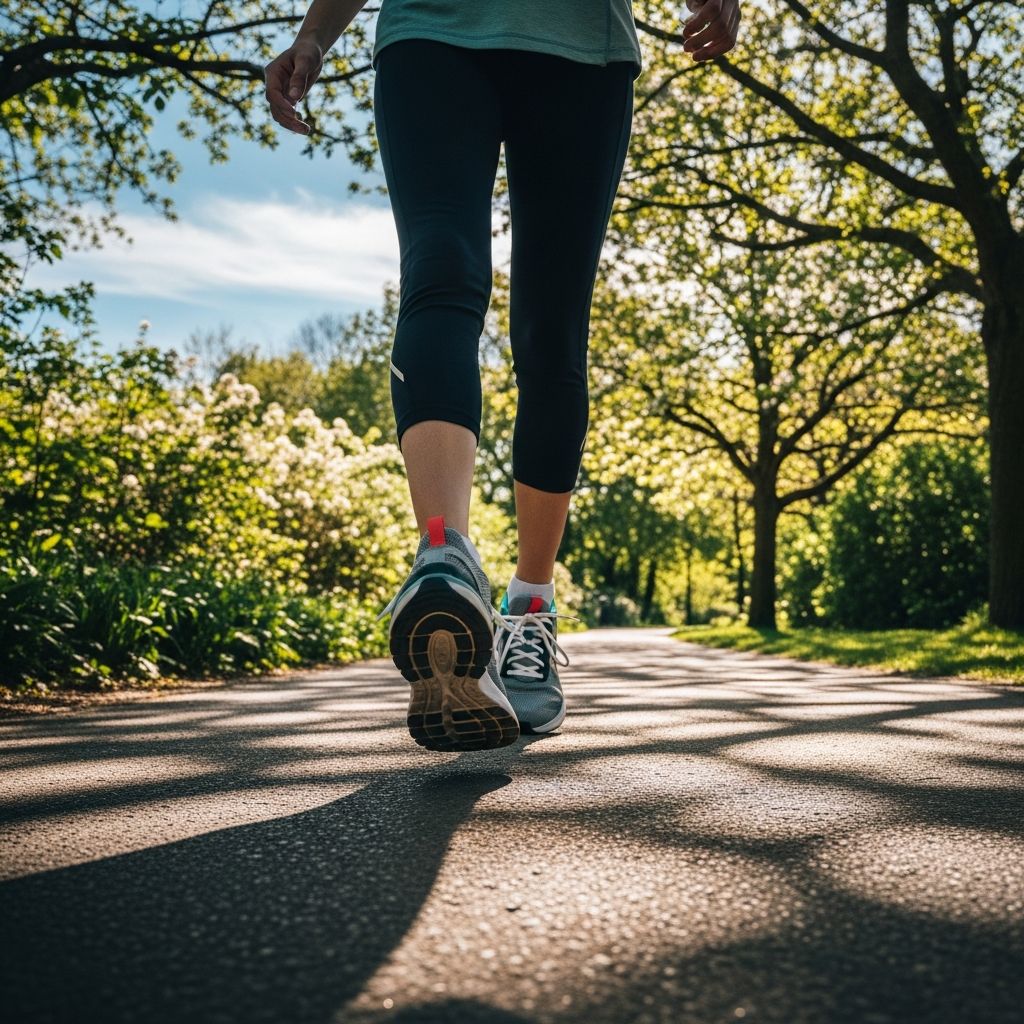
Walking is one of the most accessible and sustainable forms of exercise for weight loss. Unlike high-intensity workouts that require expensive equipment or gym memberships, walking can be done almost anywhere, anytime, and by people of all fitness levels. Research shows that walking at a moderate intensity can support weight loss, improve muscle preservation, and offer lasting health benefits. When combined with a balanced diet and healthy lifestyle habits, walking becomes a powerful tool for achieving and maintaining your weight loss goals.
How Walking Supports Weight Loss
Walking contributes to weight loss through several interconnected mechanisms. First, walking burns calories, which creates the calorie deficit necessary for weight loss. On average, walking burns around 100 calories per mile, and this can help you create a calorie deficit when paired with a reduced-calorie diet. The exact number of calories burned depends on your body weight, walking speed, and terrain.
Walking preserves lean muscle mass during weight loss, which is crucial for long-term success. A 2017 study published in the Journal of Nutrition demonstrated that combining moderate walking with a calorie-restricted diet significantly enhanced fat mass loss compared to a calorie-restricted diet alone. Participants who achieved a 500-800 calorie deficit through diet and added moderate physical activity experienced a greater reduction in fat mass and preserved more lean muscle compared to diet-only participants. Maintaining muscle during weight loss makes it easier to keep the weight off over time, since muscle tissue burns more calories at rest than fat tissue.
Walking improves mood and reduces stress, which indirectly helps with weight loss by reducing the likelihood of stress-induced eating. Regular physical activity like walking has been shown to boost mental health, making it easier to stick to your weight loss goals and maintain healthy eating habits.
Finally, walking supports weight maintenance once you’ve reached your target weight. Consistent physical activity helps prevent weight regain over time, making walking an excellent long-term strategy for maintaining your results.
Recommended Walking Duration and Frequency
The amount of walking you need depends on your specific goals. According to the American College of Sports Medicine (ACSM), for those aiming to lose weight, it is recommended to perform 150-250 minutes per week of moderate physical activity, like brisk walking. This translates to about 30-50 minutes a day, five times a week. For significant weight loss or to prevent weight regain, the ACSM suggests increasing activity to more than 250 minutes per week.
The Department of Health and Human Services recommends at least 150 minutes of moderate aerobic activity a week or 75 minutes of vigorous aerobic activity a week. For even more health benefits, aim for 300 minutes a week or more of moderate aerobic activity, which can help with weight loss or keeping off lost weight.
Why Pairing Walking with Healthy Eating Is Key
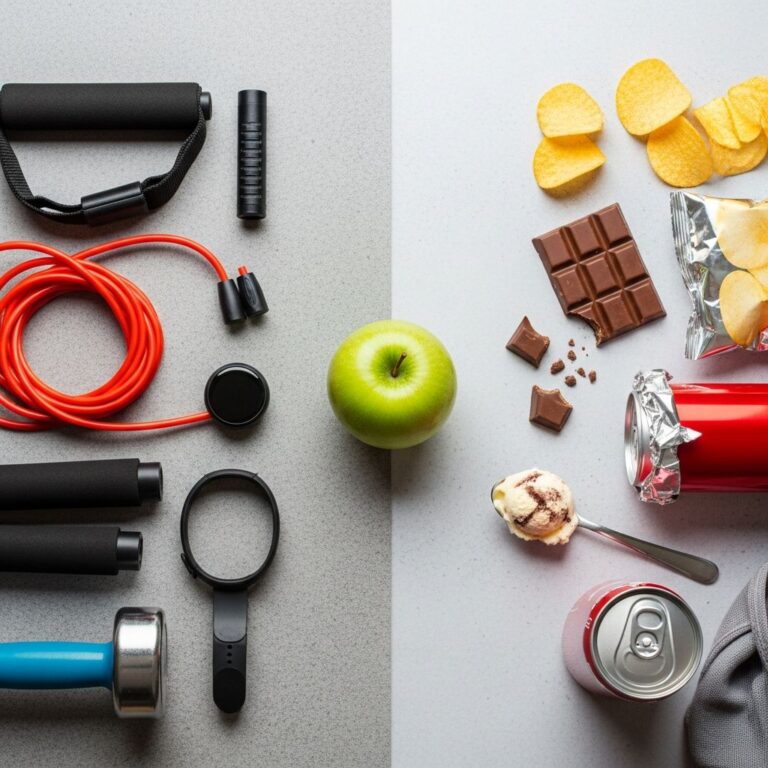
It’s nearly impossible to “out-exercise” a poor diet. Walking is most effective for weight loss when combined with nutritious, calorie-conscious eating. A combination of physical activity and cutting calories seems to help much more with weight loss than does exercise alone. The Journal of Nutrition study showed that participants who combined walking with a calorie deficit experienced the greatest fat loss and health benefits.
Related Stories



When considering your diet, focus on adopting a sustainable eating plan that emphasizes whole grains, unsaturated fats, lean proteins, fresh fruits, and vegetables. A healthy Mediterranean eating plan is one example that has been shown to support weight loss and overall health. The key is finding an approach you can maintain long-term, as temporary diets rarely lead to permanent weight loss.
Tips for Success: How to Walk for Weight Loss
Walk More Than You Do Now
There’s no magic formula for how many steps, miles, or hours you have to walk to lose weight. The key is to do more than you’re currently doing. If you have a sedentary desk job, adding a walk every evening after dinner may show real results. If you already spend significant time on your feet during the workday, you’ll need to add additional walking to create a more substantial impact.
Challenge Your Pace
Interval walking is one of the most effective ways to enhance weight loss results. Rather than maintaining a constant speed throughout your walk, alternate between faster and slower paces. Research has found that interval walkers lose more weight than people who maintain the same speed throughout their workout. One study of people with type 2 diabetes found that interval walkers who alternated three minutes of fast walking with three minutes of average-speed walking not only boosted their fitness and controlled their blood sugar better than steady-state walkers, but their body composition also changed, leaving them with less belly fat and less overall body fat.
Walk After Meals
Timing your walks strategically can enhance their weight loss benefits. Research suggests that walking just after a meal is more effective for weight loss than waiting one hour after eating before walking. Walking at a brisk speed for 30 minutes as soon as possible just after lunch and dinner leads to more weight loss than does walking for 30 minutes beginning one hour after a meal has been consumed. One study found that participants lost nearly 3 kg over one month by fast walking after lunch and dinner, while a volunteer participant lost nearly 1.5 kg by walking at a slower pace during the same period.
Consider Heart Rate and Multiple Sessions
When walking to lose weight, getting your heart rate up, walking after meals, and taking multiple walks per day are together more important than focusing solely on the number of daily steps that you take. While the popular 10,000-step daily goal is not based on scientific evidence, emphasizing workout intensity and frequency can produce better results.
Sample Walking Workouts for Weight Loss
Interval Walking Workout
Adding fast intervals to your walk can help you burn more calories and make your workouts more engaging. Here’s an effective interval walking plan:
- Begin by walking for 5–10 minutes at a moderate pace to warm up your body
- Alternate between speed walking (or even jogging) for one minute and walking at a moderate pace for one minute for a total of 20 minutes
- Cool down with 5–10 minutes of walking at a leisurely pace to gradually lower your heart rate
This 35-50 minute workout effectively combines steady-state cardio with high-intensity intervals, maximizing calorie burn while remaining accessible for most fitness levels.
Post-Meal Walking Routine
For a simple yet effective approach, take a 30-minute walk immediately after your lunch and dinner. While the pace can vary based on your fitness level and comfort, brisk walking produces better results for weight loss. This strategy helps regulate blood sugar levels and improves digestion while contributing to your weekly exercise goals.
Progressive Walking Program
If you’re new to exercise, a structured program that builds gradually over time works well. A flexible 12-week walking plan can help beginners and experienced walkers alike see improvement over three months. Your workouts will intensify whether you already take daily walks or if you are just starting out on a fitness journey. Starting with shorter, easier walks and progressively increasing duration and intensity reduces injury risk and improves adherence.
Injury Prevention and Proper Technique
To protect your body from injury, perform a mobility warmup before each walk. A short 5-10 minute routine that includes leg swings, hip circles, and dynamic stretches prepares your muscles and joints for the workout ahead. Additionally, invest in proper walking shoes with adequate support, and pay attention to your posture—keep your shoulders relaxed, engage your core, and maintain a natural arm swing.
Nutrition Strategy for Walking-Based Weight Loss
There is no single diet that guarantees you will lose weight and keep it off. Instead, consider adopting a sustainable eating approach such as a healthy Mediterranean diet, which focuses on whole grains, unsaturated fats, lean proteins, fresh fruits, and vegetables. The goal is to create a modest calorie deficit—typically 500-800 calories per day—while maintaining adequate nutrition to support your walking routine and overall health.
Key nutrition principles include:
- Eating plenty of protein to support muscle preservation during weight loss
- Including whole grains for sustained energy during walks
- Consuming healthy fats from sources like olive oil, nuts, and fish
- Drinking plenty of water throughout the day and during walks
- Planning meals and snacks to avoid impulsive eating decisions
Benefits Beyond Weight Loss
While weight loss is a primary goal for many walkers, the benefits extend far beyond the scale. Walking improves cardiovascular health, strengthens bones, enhances mental well-being, and increases energy levels. Regular walking reduces the risk of chronic diseases like type 2 diabetes, heart disease, and certain cancers. It also improves sleep quality, reduces anxiety and depression, and boosts overall quality of life.
Frequently Asked Questions
Q: How many calories do I burn while walking?
A: Walking burns around 100 calories per mile on average, though this varies based on body weight, walking speed, and terrain. Faster-paced walking and interval training burn more calories than leisurely strolls.
Q: Can I lose weight by only walking without changing my diet?
A: While walking alone can contribute to weight loss, combining it with a calorie-conscious diet produces significantly better results. A combination of physical activity and cutting calories helps much more with weight loss than exercise alone.
Q: How long does it take to see weight loss results from walking?
A: Results vary based on walking frequency, intensity, diet, and individual metabolism. Most people can expect to see initial results within 2-4 weeks of consistent walking combined with a calorie deficit, though more significant changes typically appear within 8-12 weeks.
Q: Is 10,000 steps per day necessary for weight loss?
A: No. The 10,000-step goal is not based on scientific evidence. Instead, focus on getting your heart rate up, walking after meals, and taking multiple walks per day, which are more important than achieving a specific step count.
Q: What’s the best time to walk for weight loss?
A: Walking immediately after meals, particularly after lunch and dinner, is more effective for weight loss than walking at other times. However, consistency matters most, so walk whenever fits best into your schedule.
Q: Do I need special equipment to start a walking program?
A: No special equipment is required, but proper walking shoes with good support are recommended to prevent injury and increase comfort during longer walks.
Q: Can interval walking really make a difference compared to steady-pace walking?
A: Yes. Research shows that interval walkers lose more weight than people who maintain the same speed throughout their walks. The alternating intensity increases calorie burn and improves fitness more effectively.
Getting Started: Your Action Plan
Begin your walking for weight loss journey by assessing your current activity level. If you have a sedentary lifestyle, start with 15-20 minute walks three times per week, then gradually increase duration and frequency. If you’re already moderately active, begin with 30-minute walks four to five times per week. Once you’ve established a baseline, add interval training or post-meal walks to enhance results.
Simultaneously, evaluate your current eating habits and identify areas for improvement. Create a modest calorie deficit through a combination of eating slightly less and walking more—this balanced approach is more sustainable than extreme dietary restriction alone.
Walking is a simple, effective way to support weight loss and overall health, especially when paired with a balanced diet and healthy lifestyle habits. Research shows that walking at a moderate intensity can help reduce fat mass, preserve lean muscle, and improve mood, all of which contribute to successful and sustainable weight management. Additionally, walking can play a key role in maintaining weight loss, as regular physical activity helps prevent weight regain over time. Start today, stay consistent, and enjoy the journey toward better health.
References
- Walking for Weight Loss — Howdy Health, Texas A&M University. Accessed 2025. https://howdyhealth.tamu.edu/walking-for-weight-loss/
- Why Walking Is a Totally Underrated Way to Exercise and Lose Weight — Men’s Health Magazine. 2019. https://www.menshealth.com/weight-loss/a28006620/walking-for-weight-loss/
- Walking just after a meal seems to be more effective for weight loss — PubMed Central/National Center for Biotechnology Information. 2011. https://pmc.ncbi.nlm.nih.gov/articles/PMC3119587/
- Walking for Weight Loss: Turn Your Strolls Into Healthy Workouts — Runner’s World Magazine. 2024. https://www.runnersworld.com/nutrition-weight-loss/a69769015/walking-for-weight-loss-guide/
- Walking: Is it enough for weight loss? — Mayo Clinic. 2024. https://www.mayoclinic.org/healthy-lifestyle/weight-loss/expert-answers/walking/faq-20058345
Similar Articles








Read full bio of Sneha Tete