Walking Pneumonia: Symptoms, Causes, Treatment Guide
Understand walking pneumonia: mild lung infection symptoms, causes, treatments, and when to seek medical help for faster recovery.
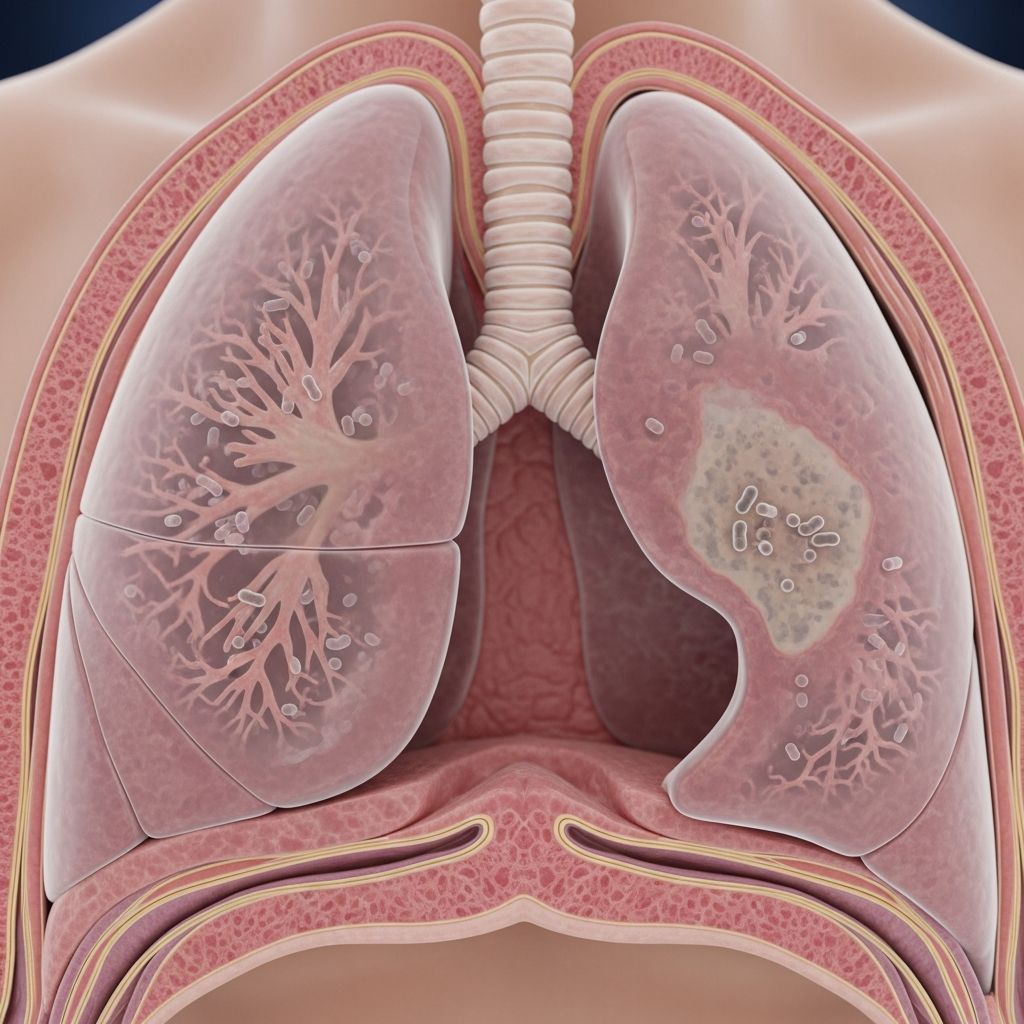
Walking pneumonia, also known as atypical pneumonia, refers to a milder form of pneumonia that typically does not require bed rest or hospitalization. Patients often continue daily activities, hence the name “walking” pneumonia. It primarily affects the lungs but presents with subtler symptoms compared to traditional pneumonia.
What Is Walking Pneumonia?
Walking pneumonia is a lung infection characterized by inflammation of the air sacs (alveoli) that fill with fluid or pus, but in a less severe manner than classic pneumonia. It is often caused by atypical bacteria like Mycoplasma pneumoniae, which spreads easily in crowded environments such as schools, dormitories, or long-term care facilities. Unlike severe pneumonia, which can cause high fevers and debilitating symptoms, walking pneumonia allows individuals to “walk around” while infected.
The condition is common, especially among school-aged children, teens, and young adults, but can affect anyone. About 5%-10% of cases may progress to more serious pneumonia if untreated. Symptoms develop gradually, 15-25 days after exposure, and worsen over 2-4 days.
Causes of Walking Pneumonia
The primary culprit is Mycoplasma pneumoniae bacteria, responsible for up to 50% of community-acquired pneumonias in otherwise healthy people. Other bacteria like Chlamydia pneumoniae, viruses such as respiratory syncytial virus (RSV), influenza, or even fungi and molds can cause it. These pathogens are inhaled from the upper respiratory tract into the lungs, inflaming the alveoli.
Risk factors include:
- Crowded living conditions (schools, military barracks).
- Chronic lung diseases like COPD, emphysema, or asthma.
- Weakened immune system or immunosuppressant use.
- Treatment with inhaled corticosteroids.
- History of smoking or recent respiratory infections.
- Seasonal peaks in late summer and fall.
Children under 5 and adults over 65 are particularly vulnerable, though healthy individuals usually experience mild cases.
Symptoms of Walking Pneumonia
Symptoms mimic a common cold or flu but persist longer. They include:
- Dry, persistent cough that may last weeks to months, sometimes in spasms.
- Low-grade fever (under 101°F) with chills.
- Sore throat, headache, and fatigue.
- Chest pain, especially when breathing deeply or coughing.
- Shortness of breath, ear pain, or stomach discomfort in some cases.
- Malaise and weakness that lingers after other symptoms resolve.
In children, watch for fever below 101°F, prolonged cough, extreme tiredness, and cold-like symptoms. Unlike bacterial pneumonia, there’s often no high fever or phlegm-filled cough.
| Symptom | Walking Pneumonia | Traditional Pneumonia |
|---|---|---|
| Fever | Low (99-101°F) | High (101-105°F) |
| Cough | Dry, persistent | Wet with phlegm |
| Severity | Mild, ambulatory | Severe, bed rest needed |
| Duration | Weeks | Days to weeks, intense |
This table highlights key differences for quick comparison.
Diagnosis of Walking Pneumonia
Diagnosis starts with a physical exam and medical history. Doctors listen for abnormal lung sounds and check for risk factors. Tests may include:
- Chest X-ray to confirm lung inflammation.
- Blood tests or pulse oximetry for oxygen levels.
- Sputum or throat swab cultures, though Mycoplasma is hard to detect routinely.
- PCR tests for specific pathogens like Mycoplasma or viruses.
Related Stories



Early diagnosis prevents progression; consult a doctor if symptoms last over a week or worsen.
Treatment for Walking Pneumonia
Treatment depends on the cause. For bacterial cases (Mycoplasma), antibiotics like azithromycin (Zithromax), erythromycin, or doxycycline are prescribed for 5-10 days. These speed recovery but aren’t always needed for mild cases.
Viral walking pneumonia resolves with supportive care: rest, hydration, over-the-counter pain relievers (acetaminophen, ibuprofen), and cough suppressants. Avoid antibiotics unnecessarily.
Home remedies include:
- Plenty of fluids to thin mucus.
- Humidified air or steam for cough relief.
- Elevated head during sleep to ease breathing.
- Avoiding smoke and irritants.
Cough and fatigue may linger 2-3 weeks post-treatment. Complete the full antibiotic course.
When to See a Doctor
Seek medical help if:
- Difficulty breathing or chest pain worsens.
- Fever exceeds 102°F or persists over 5 days.
- Symptoms don’t improve after a week of home care.
- High-risk groups (elderly, immunocompromised) experience any symptoms.
- Confusion, rapid breathing, or blue lips occur—emergency signs.
Prompt care prevents escalation.
Complications of Walking Pneumonia
Though mild, untreated cases can lead to:
- Progression to severe pneumonia (5-10% risk).
- Asthma exacerbation.
- Encephalitis (brain swelling).
- Hemolytic anemia.
- Kidney issues or skin disorders (rare).
Healthy people recover fully, but monitoring is key.
Prevention of Walking Pneumonia
No specific vaccine exists for Mycoplasma, but strategies include:
- Frequent handwashing and covering coughs.
- Avoiding close contact when sick.
- Staying current on flu, COVID-19, RSV, and pneumococcal vaccines.
- Quitting smoking and managing chronic conditions.
- Good ventilation in crowded spaces.
These reduce transmission risk.
Walking Pneumonia in Children
Common in kids due to school exposure. Symptoms are milder; they may attend school initially. Antibiotics are effective; ensure full course. Stay home until improving to avoid spread.
Stages of Walking Pneumonia
Walking pneumonia follows four pathological stages, though not always clinically distinct:
- Congestion: Initial cough and fatigue as lungs fill with fluid.
- Red Hepatization: Red/white blood cells invade, lungs redden.
- Grey Hepatization: Red cells break down, lungs grey.
- Resolution: Inflammation clears, symptoms improve.
Frequently Asked Questions (FAQs)
What are the first signs of walking pneumonia?
Sore throat, dry cough, low fever, headache, and mild fatigue are early indicators.
Does walking pneumonia go away on its own?
Yes, often within weeks, but antibiotics hasten recovery and prevent complications.
How long does walking pneumonia last?
Symptoms like cough can persist 2-4 weeks, even after treatment.
Is walking pneumonia contagious?
Yes, spreads via respiratory droplets; highly contagious in close quarters.
Can walking pneumonia turn into regular pneumonia?
Yes, in 5-10% of cases if untreated.
What antibiotics treat walking pneumonia?
Azithromycin, erythromycin, or doxycycline for bacterial causes.
References
- What Is Walking Pneumonia? — WebMD. 2024. https://www.webmd.com/lung/walking-pneumonia
- Walking Pneumonia: What You Should Know — Yale Medicine. 2024. https://www.yalemedicine.org/news/walking-pneumonia
- Walking Pneumonia in Kids: Signs, Diagnosis & Treatment — KidsHealth (Nemours). 2024. https://kidshealth.org/en/parents/walking-pneumonia.html
- Walking Pneumonia — American College of Emergency Physicians. 2024. https://www.emergencyphysicians.org/article/know-when-to-go/walking-pneumonia
- Walking pneumonia: What does it mean? — Mayo Clinic. 2024. https://www.mayoclinic.org/diseases-conditions/pneumonia/expert-answers/walking-pneumonia/faq-20058530
- Walking Pneumonia: Care Instructions — Alberta Health Services. 2024. https://myhealth.alberta.ca/Health/aftercareinformation/pages/conditions.aspx?hwid=abq6026
Similar Articles








Read full bio of Sneha Tete