Walnut Benefits: Science-Backed Health Guide And Serving Tips
Discover the impressive health benefits of walnuts, from heart and brain health to gut support and cancer prevention.
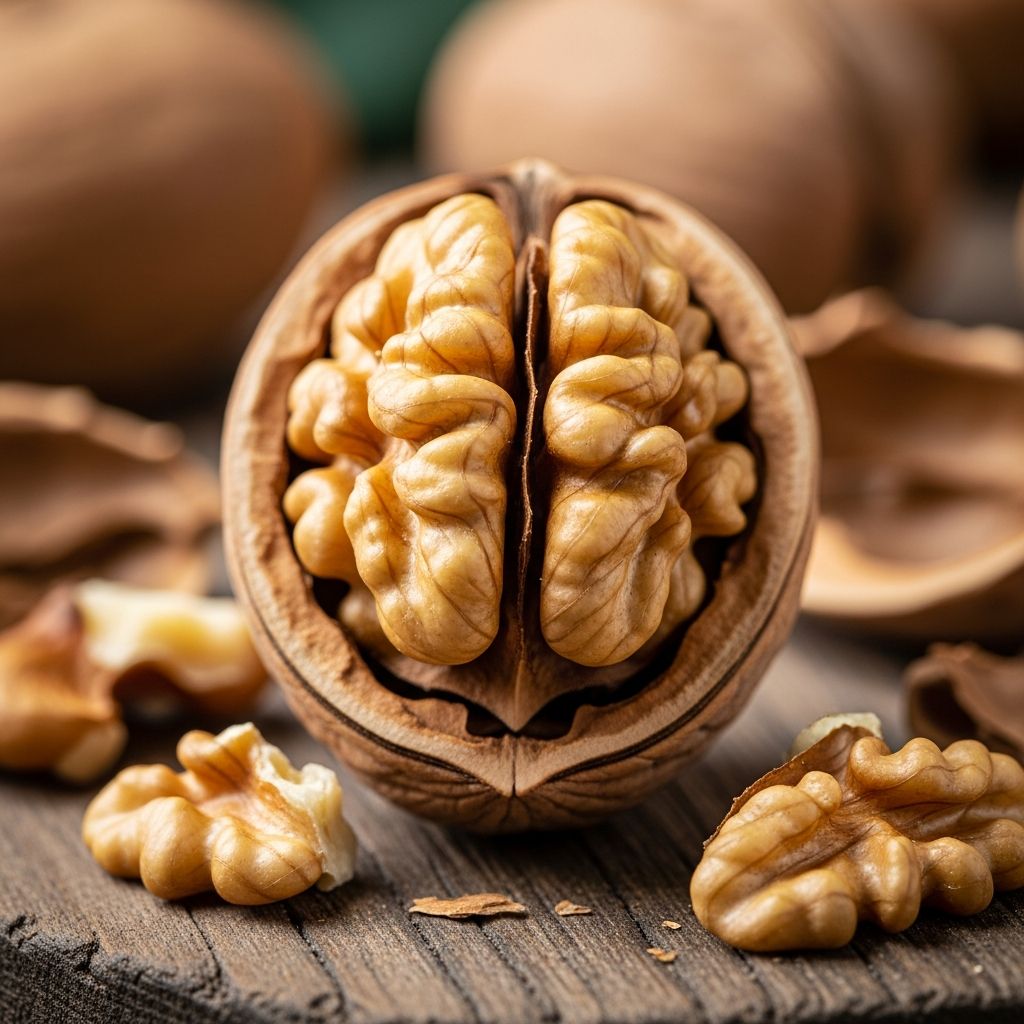
Walnuts are nutrient-dense tree nuts packed with
omega-3 fatty acids
,antioxidants
,fiber
, and essential minerals that deliver wide-ranging health benefits. Unlike most nuts, walnuts stand out as the top source of alpha-linolenic acid (ALA), a plant-based omega-3 that fights inflammation and supports multiple body systems.Regular consumption of walnuts—about 1 ounce (14 halves) daily—can improve cardiovascular health, cognitive function, gut microbiome diversity, and more, according to clinical trials and cohort studies. This article covers their nutritional profile, key health advantages, serving recommendations, and practical ways to enjoy them.
Nutrition Facts of Walnuts
One ounce (28g) of walnuts provides approximately
190 calories
,4g protein
,2g fiber
,18g total fat
(mostly healthy unsaturated fats), and key micronutrients. While calorie-dense, research shows the body absorbs only about 145 usable calories per ounce due to their unique fat structure, preventing full calorie retention.Walnuts excel in
ALA omega-3s
(2.5g per ounce), which reduce inflammation and support heart, brain, and immune function. They also containpolyunsaturated fats (PUFAs)
andmonounsaturated fats (MUFAs)
that lower LDL cholesterol.- Folate, B6, niacin: Aid metabolism, reduce homocysteine (plaque buildup risk), and support energy production.
- Minerals: Magnesium (10-14% DV), iron, calcium, potassium—protect against hypertension, bone loss, and insulin resistance.
- Phytonutrients: Vitamin E, polyphenols, phytosterols block cholesterol absorption and combat oxidative stress.
- Amino acids: L-arginine boosts nitric oxide for better blood flow and artery health.
| Nutrient (per 1 oz/28g) | Amount | % Daily Value* |
|---|---|---|
| Calories | 190 | 9% |
| Total Fat | 18g | 23% |
| Omega-3 ALA | 2.5g | – |
| Protein | 4g | 8% |
| Fiber | 2g | 7% |
| Magnesium | 45mg | 11% |
*Based on 2,000-calorie diet. Data synthesized from USDA and research sources.
Heart Health Benefits of Walnuts
Walnuts are renowned for cardiovascular protection. Their high
ALA omega-3
content reduces inflammation, a key driver of heart disease. Clinical trials show walnut eaters have improved lipid profiles: lower LDL and total cholesterol, with no weight gain.The FDA approves a qualified health claim: “Supportive but not conclusive research shows 1.5 oz (43g) walnuts daily may reduce heart disease risk”. EU claims note 30g improves vascular function via endothelium-dependent vasodilation. Cohort studies link higher walnut intake to 47% lower cardiovascular mortality (HR 0.53).
Mechanisms include phytosterols blocking cholesterol absorption, L-arginine enhancing blood flow, and fiber lowering LDL. A PREDIMED sub-study found >3 weekly servings cut CVD death risk.
- 8/8 RCTs favored walnuts for blood lipids.
- PUFAs/MUFAs lower heart attack/stroke risk.
- Low sodium + potassium/magnesium combo fights hypertension.
Brain Health Benefits of Walnuts
Dubbed “brain food,” walnuts’ antioxidants and polyphenols protect neurons, improve memory, and slow age-related cognitive decline. Their shape resembles a brain, but science backs the benefits: ALA and vitamin E reduce oxidative stress linked to Alzheimer’s and dementia.
Studies show daily walnut consumption enhances cognitive function, including learning and recall. Polyphenols cross the blood-brain barrier, fighting inflammation that impairs thinking.
Emerging research from 2017+ supports benefits for neurological health, though more RCTs needed.
Gut Health Benefits of Walnuts
Walnuts act as prebiotics: their fiber (soluble/insoluble) feeds beneficial gut bacteria. A clinical trial found daily eaters had richer, healthier microbiomes after weeks. Gut microbes convert walnut compounds to
urolithins
, short-chain fatty acids with anti-inflammatory effects.Related Stories



About 0.5g soluble fiber per ounce lowers cholesterol; insoluble aids digestion. This supports overall immunity and nutrient absorption.
Cancer Prevention Potential of Walnuts
Gut-derived urolithins from walnuts may lower risks for prostate, breast, and colon cancers. Observational studies show reduced cancer incidence with nut intake, including walnuts. Antioxidants neutralize free radicals; phytosterols and polyphenols inhibit tumor growth.
While promising, research is ongoing; cohort data suggests lower risk, but causality needs confirmation.
Other Walnut Benefits
- Weight Management: Despite calories, RCTs show no obesity risk; cohort studies note slight benefits.
- Diabetes Risk: Improves glucose markers; lowers type 2 diabetes odds.
- Bone Health: Minerals combat loss.
- Anti-Aging: Phenolics fight oxidative damage.
How Many Walnuts Should You Eat Per Day?
The 2020-2025 Dietary Guidelines recommend 5 oz nuts/seeds weekly (about 1 oz daily) on a 2,000-calorie diet. Aim for
1-1.5 oz (14-21 halves)
: FDA/EU doses for heart benefits.Start small to avoid digestive upset. Track portions—walnuts’ satiety from fats/protein helps control intake.
Walnut Recipes and Ways to Eat Them
Incorporate walnuts easily:
- Salads/Smoothies: Chop 1/4 cup over greens or blend into yogurt.
- Baking: Swap flour in muffins (nut flours) or add to oatmeal.
- Snacks: Trail mix with dark chocolate/berries.
- Mains: Walnut-crusted chicken or pesto.
Store in airtight containers in fridge/freezer to preserve oils.
Side Effects and Precautions
Walnuts are safe for most, but allergies affect ~1% (tree nut). High calories suit moderation. Oxalates may concern kidney stone formers. Consult doctors if on blood thinners (omega-3s affect clotting).
Frequently Asked Questions (FAQs)
Are walnuts good for heart health?
Yes, walnuts improve cholesterol, reduce inflammation, and lower CVD risk per RCTs and FDA claims.
Do walnuts help with weight loss?
They promote satiety without weight gain; some studies show benefits.
Can walnuts improve brain function?
Antioxidants and omega-3s support cognition and slow decline.
How many walnuts daily is safe?
1-1.5 oz (handful); fits guidelines.
Are walnuts better than other nuts?
Unique for ALA omega-3s; top for heart/brain benefits.
References
- 4 Health Benefits of Walnuts and How Much You Should Eat — UC Davis Health. 2024-02-01. https://health.ucdavis.edu/blog/good-food/4-health-benefits-of-walnuts-and-how-much-you-should-eat/2024/02
- Health Benefits of Walnuts — Advanced Health. 2020-12-01. https://advancedhealth.com/wp-content/uploads/2020/12/39-Dec-Walnuts-handout.pdf
- Walnut Consumption and Health Outcomes with Public Health Relevance — PMC/NCBI (Peer-reviewed). 2022-12-01. https://pmc.ncbi.nlm.nih.gov/articles/PMC9732668/
Similar Articles








Read full bio of medha deb