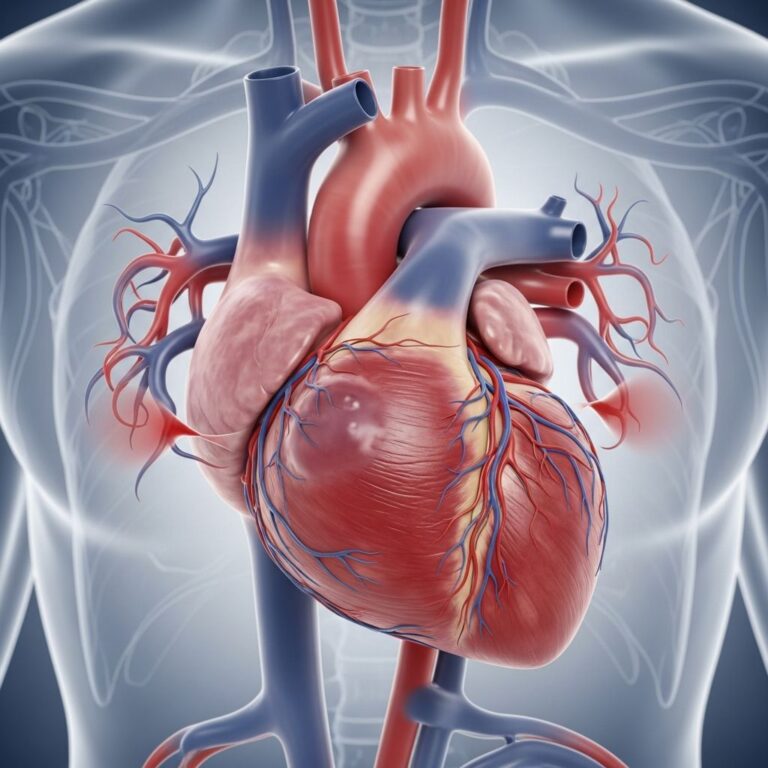
Walnuts Lower Cholesterol Naturally: Evidence-Based Guide
Discover how walnuts can help reduce your cholesterol levels and improve cardiovascular health.
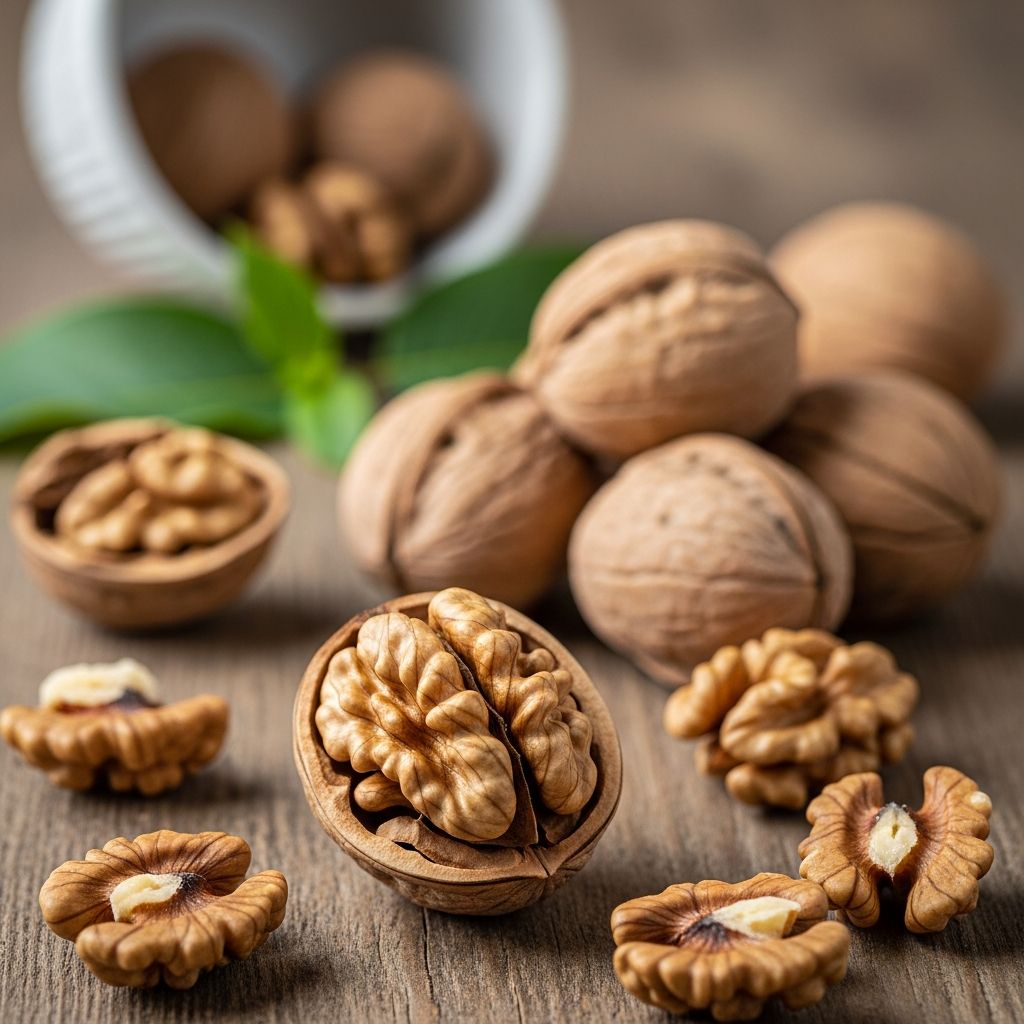
Walnuts Can Lower Cholesterol Naturally
Cholesterol management is a critical component of cardiovascular health, and dietary interventions remain one of the most effective strategies for reducing cholesterol levels without medication. Among various dietary approaches, incorporating walnuts into your daily diet has emerged as a scientifically-backed method to lower cholesterol naturally. Research from Harvard researchers has demonstrated that walnut-enriched diets can significantly reduce both total cholesterol and low-density lipoprotein (LDL) cholesterol, often referred to as “bad cholesterol.” This comprehensive guide explores the science behind walnuts’ cholesterol-lowering abilities and provides practical insights for incorporating them into your daily routine.
The Science Behind Walnuts and Cholesterol
Walnuts possess a unique nutritional profile that sets them apart from other nuts and makes them particularly effective for cardiovascular health. Their distinctive composition includes high levels of polyunsaturated fatty acids (PUFAs), which are known to have beneficial effects on blood lipid profiles. Unlike many other nuts that are predominantly composed of monounsaturated fats, walnuts contain approximately 2.5 grams of alpha-linolenic acid per 1-ounce serving, which is a plant-based omega-3 fatty acid that the body cannot synthesize on its own.
A landmark meta-analysis conducted by researchers at Harvard School of Public Health examined thirteen clinical trials involving 365 participants to assess the effects of walnut consumption on blood lipids. The study, published in the American Journal of Clinical Nutrition, analyzed trials that lasted between four and twenty-four weeks, with walnuts providing between 10 and 24 percent of total daily calories. The findings revealed compelling evidence that walnut-enriched diets produced significantly greater reductions in cholesterol compared to control diets.
Key Research Findings on Cholesterol Reduction
The Harvard meta-analysis produced several important findings regarding walnuts’ impact on cholesterol levels:
Total Cholesterol Reduction
When comparing diets supplemented with walnuts to control diets without walnuts, participants following walnut-enriched diets experienced a significantly greater decrease in total cholesterol concentrations. The weighted mean difference showed a reduction of approximately 10.3 mg/dL, which represents a clinically meaningful improvement in cardiovascular health markers.
LDL Cholesterol Reduction
LDL cholesterol, commonly known as “bad cholesterol” because it contributes to plaque formation in arteries, showed an even more impressive response to walnut consumption. Diets supplemented with walnuts resulted in an average reduction of 9.2 mg/dL in LDL cholesterol concentrations compared to control diets. This reduction is particularly significant because lowering LDL cholesterol is a primary goal in cardiovascular disease prevention.
HDL and Triglycerides
While walnuts demonstrated clear benefits for total and LDL cholesterol, the research found that walnut consumption did not produce significant changes in HDL cholesterol (“good cholesterol”) or triglyceride levels compared to control diets. However, this neutral effect should not be considered negative, as maintaining stable HDL and triglyceride levels while reducing harmful LDL cholesterol represents an overall improvement in the lipid profile.
Additional Health Benefits Beyond Cholesterol
The cardiovascular benefits of walnuts extend beyond cholesterol reduction. Research has identified several additional health advantages associated with regular walnut consumption:
Antioxidant and Anti-Inflammatory Effects
Studies included in the meta-analysis reported that walnuts provided significant benefits for antioxidant capacity and inflammatory markers. These properties are important because chronic inflammation plays a role in the development of atherosclerosis and other cardiovascular diseases. The polyphenols and other bioactive compounds in walnuts help neutralize harmful free radicals and reduce inflammatory responses throughout the body.
Related Stories



Type 2 Diabetes Risk Reduction
Beyond cholesterol management, Harvard researchers have found an inverse relationship between walnut consumption and the risk of type 2 diabetes. A study of over 137,000 women from the Nurses’ Health Study found that consuming two or more servings of walnuts per week (one serving equals 28 grams) was associated with a 21 percent lower risk of developing type 2 diabetes before adjusting for body mass index, and 15 percent lower risk after adjustment. The polyunsaturated fatty acids in walnuts appear to favorably influence insulin resistance and glucose metabolism.
Body Weight Considerations
A common concern about adding nuts to the diet is the potential for weight gain due to their caloric density. However, the research indicates that walnut consumption did not result in adverse effects on body weight or body mass index. In fact, studies showed a minimal change in body weight with walnut supplementation, suggesting that the nutrient density of walnuts may promote satiety without contributing to excessive caloric intake.
Nutritional Composition of Walnuts
Understanding the nutritional components of walnuts helps explain their profound effects on cholesterol and overall cardiovascular health. A single ounce (28 grams) of walnuts provides:
- Approximately 185 calories
- 4.3 grams of protein
- 18.5 grams of total fat, including 9.1 grams of polyunsaturated fats
- 2.5 grams of omega-3 fatty acid (alpha-linolenic acid)
- 3.9 grams of fiber
- 43 mg of magnesium
- 45 mg of phosphorus
- Various polyphenols and other antioxidants
How to Incorporate Walnuts into Your Diet
The research demonstrated that walnuts were effective when they comprised 10 to 24 percent of total daily caloric intake. For most adults, this translates to consuming approximately one ounce (about 23 whole walnut halves) per day, or roughly 7 ounces per week. Incorporating this amount into your diet is straightforward and flexible:
Simple Daily Additions
- Add a handful of walnuts to your morning oatmeal or breakfast cereal
- Mix walnuts into yogurt as a crunchy topping with berries
- Include walnuts in salads for added texture and nutrition
- Enjoy a small handful as an afternoon snack
- Use walnuts as a coating for fish or poultry
- Add chopped walnuts to baked goods like muffins or cookies
- Sprinkle walnuts over vegetable side dishes and stir-fries
The Role of Walnuts in a Heart-Healthy Diet
While walnuts offer significant cholesterol-lowering benefits on their own, they are most effective as part of a comprehensive approach to cardiovascular health. The FDA has recognized the heart-health benefits of walnuts, and the American Heart Association includes nuts as part of its recommended dietary pattern for cardiovascular disease prevention. Walnuts should ideally be incorporated into a diet that is generally low in saturated fat and low in cholesterol, combined with adequate physical activity and other positive lifestyle modifications.
The polyunsaturated fatty acids in walnuts work synergistically with other heart-healthy dietary components. When replacing sources of saturated fat with walnuts, the cholesterol-lowering effects are particularly pronounced. This substitution approach—replacing high-saturated-fat foods with walnuts—may provide even greater benefits than simply adding walnuts to an otherwise unchanged diet.
Practical Recommendations for Cholesterol Management
For individuals seeking to lower their cholesterol through dietary means, several practical recommendations emerge from the research:
Portion Control
While walnuts are nutrient-dense and health-promoting, maintaining appropriate portion sizes is important. One ounce per day represents an optimal intake that provides benefits without excessive caloric addition. Measuring out portions helps maintain consistency and prevents overconsumption.
Timing and Consistency
The research trials lasted between four and twenty-four weeks, suggesting that consistent consumption over several weeks is necessary to observe meaningful changes in cholesterol levels. Rather than sporadic consumption, incorporating walnuts into your daily routine ensures steady intake and more predictable results.
Quality and Freshness
Walnuts are susceptible to oxidation due to their high polyunsaturated fat content. Storing walnuts in an airtight container in the refrigerator or freezer helps preserve their nutritional quality and prevents them from becoming rancid. Fresh walnuts provide superior antioxidant benefits compared to older supplies.
Combination with Other Interventions
For optimal cholesterol management, walnuts should be combined with other evidence-based interventions, including regular physical activity, maintaining a healthy weight, reducing saturated fat intake, and increasing overall fiber consumption. Individuals on cholesterol-lowering medications should continue their prescribed treatment while using dietary modifications as a complementary approach.
Potential Considerations and Contraindications
While walnuts are generally safe and beneficial for most people, some individuals should exercise caution. Individuals with tree nut allergies must avoid walnuts entirely. Some people may experience gastrointestinal discomfort when first introducing larger quantities of walnuts due to their fiber content; gradual introduction can help minimize this effect. Additionally, individuals taking blood-thinning medications should consult with their healthcare provider, as the omega-3 content in walnuts has mild anticoagulant properties.
Current Research and Future Directions
While the existing research provides compelling evidence for walnuts’ cholesterol-lowering effects, researchers have identified the need for larger, longer-term trials to fully understand the scope of walnut consumption on cardiovascular risk reduction and long-term health outcomes. Most trials included in the meta-analysis lasted less than six months, and extended research could reveal whether the cholesterol-lowering effects persist over years of consumption and whether they translate to reduced cardiovascular events.
Ongoing research continues to explore the mechanisms by which walnuts exert their beneficial effects, investigate whether specific walnut varieties offer different benefits, and determine optimal consumption patterns for various populations. Emerging evidence suggests that walnuts may influence other cardiovascular risk factors beyond lipid profiles, including endothelial function, arterial stiffness, and blood pressure.
Frequently Asked Questions About Walnuts and Cholesterol
Q: How much time does it take to see cholesterol reduction from eating walnuts?
A: Clinical trials showed measurable cholesterol reductions within 4 to 24 weeks of consistent walnut consumption. Most individuals can expect to see meaningful changes within 4 to 8 weeks when consuming approximately one ounce daily as part of a heart-healthy diet.
Q: Can walnuts replace cholesterol-lowering medications?
A: Walnuts provide significant cholesterol reduction and should be considered a valuable dietary intervention. However, individuals currently taking cholesterol-lowering medications should continue their prescribed treatment and consult with their healthcare provider before making any changes. Walnuts work best as a complementary approach alongside prescribed medications and lifestyle modifications.
Q: Are there any side effects from eating walnuts daily?
A: Research indicates that walnuts have no adverse effects on body weight and are generally well-tolerated. Some individuals may experience mild gastrointestinal effects when first increasing walnut consumption due to their fiber content. These effects can be minimized by introducing walnuts gradually into your diet.
Q: How do walnuts compare to other nuts for cholesterol reduction?
A: Walnuts are unique among nuts due to their exceptional omega-3 fatty acid content and polyunsaturated fat profile. While other nuts like almonds and macadamias have shown cardiovascular benefits, walnuts are particularly effective for LDL cholesterol reduction based on available research.
Q: Is there an optimal time of day to eat walnuts?
A: There is no specific optimal time, though many people find it convenient to add walnuts to breakfast foods, mid-morning snacks, or lunch salads. Consistency and total daily intake matter more than timing. Choose whatever time fits best into your daily routine to ensure regular consumption.
Q: Can children benefit from eating walnuts for cholesterol prevention?
A: Yes, children can benefit from walnuts as part of a heart-healthy diet, though research in pediatric populations is more limited. Walnuts provide important nutrients for growth and development. However, ensure walnuts are appropriately prepared for younger children to prevent choking hazards, and monitor for allergies.
References
- Effects of Walnut Consumption on Blood Lipids and Other Cardiovascular Risk Factors: A Meta-Analysis and Systematic Review — Banel, D. K., & Hu, F. B. National Institutes of Health/PubMed Central. 2009-04-22. https://pubmed.ncbi.nlm.nih.gov/19458020/
- Walnut Consumption and Type 2 Diabetes Risk in Women — Harvard School of Public Health/Journal of Nutrition. 2013-02-27. https://jn.nutrition.org/content/143/4/512.full.pdf+html
- Dietary Guidelines for Americans 2020-2025 — U.S. Department of Agriculture and U.S. Department of Health and Human Services. 2020. https://www.dietaryguidelines.gov/
- AHA/ACC Guideline on the Management of Blood Cholesterol — American Heart Association and American College of Cardiology. 2018. https://www.heart.org/en/news/2018/8/16/aha-acc-release-new-cholesterol-guidelines
Similar Articles








Read full bio of medha deb