Walnuts: A Worthy Addition to Your Daily Diet
Discover how walnuts can boost your health, extend your lifespan, and support heart wellness.
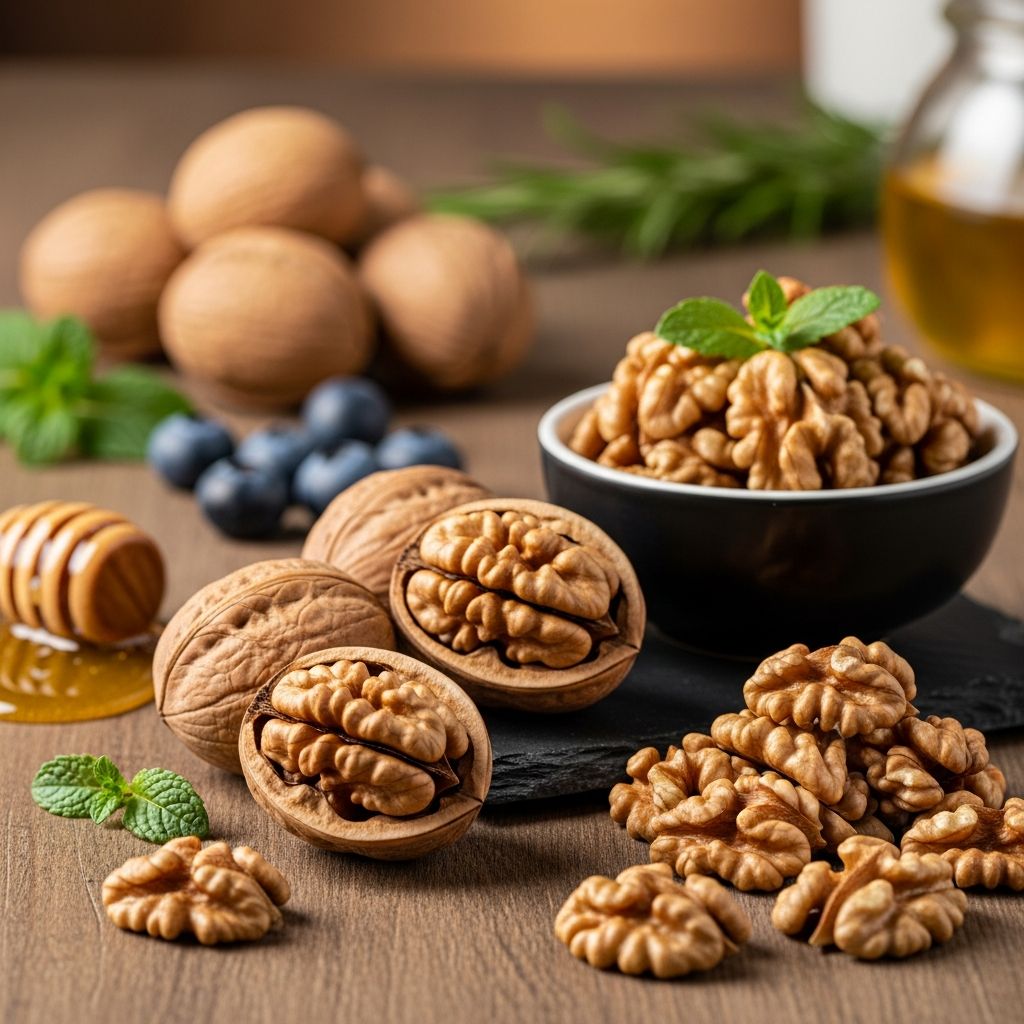
When it comes to choosing nutritious foods that support long-term health and wellness, walnuts stand out as one of nature’s most impressive offerings. These brain-shaped nuts have been treasured for centuries, and modern scientific research now validates what many health experts have long recognized: walnuts are a true nutritional powerhouse. Recent studies from Harvard University have demonstrated compelling evidence that regular walnut consumption can contribute significantly to longevity, cardiovascular health, and overall well-being. Whether you’re looking to enhance your diet quality or seeking natural ways to support your health goals, walnuts deserve a prominent place on your grocery list.
The Nutritional Profile of Walnuts
Walnuts are exceptionally nutrient-dense, containing a remarkable array of compounds that support optimal health. These nuts are an excellent source of alpha-linolenic acid (ALA), a plant-based omega-3 fatty acid that plays a crucial role in maintaining cardiovascular function and reducing inflammation throughout the body. Beyond healthy fats, walnuts provide substantial quantities of fiber, essential minerals including magnesium, copper, and manganese, as well as vitamins E and B vitamins. They also contain polyphenols and other bioactive compounds with potent antioxidant and anti-inflammatory properties.
The composition of walnuts makes them unique among tree nuts. Unlike many other nuts that are high in saturated fats, walnuts are predominantly composed of polyunsaturated fats, which support heart health and help maintain healthy cholesterol levels. The combination of fiber and protein in walnuts also promotes satiety, making them an excellent choice for weight management and sustained energy throughout the day.
Harvard Research on Walnut Consumption and Longevity
One of the most significant recent discoveries about walnuts comes from extensive research conducted by scientists at the Harvard T.H. Chan School of Public Health. This groundbreaking study, published in the journal Nutrients in 2021, followed thousands of participants over approximately two decades, tracking their dietary habits and health outcomes. The research revealed a striking correlation between walnut consumption and increased life expectancy, particularly among older adults in the United States.
Key Findings on Life Expectancy
The Harvard study produced remarkable results that highlight the transformative potential of incorporating walnuts into your daily routine. Researchers discovered that consuming five or more servings of walnuts per week (where one serving equals approximately 30 grams or one ounce) was associated with substantial health benefits:
- A 14% lower risk of death from any cause
- A 25% lower risk of dying from cardiovascular diseases
- A gain of approximately 1.3 years of life expectancy for 60-year-olds compared to non-consumers
These findings are particularly compelling because they demonstrate a dose-response relationship, meaning that the more walnuts participants consumed, the greater the health benefits observed. Even moderate consumption showed impressive results, with participants consuming two to four servings per week experiencing a 13% lower risk of death overall and a 14% lower risk of dying from cardiovascular disease, along with approximately one additional year of life expectancy.
Benefits for Those with Suboptimal Diets
Perhaps most encouraging is the discovery that walnuts can provide significant health benefits even for individuals whose overall diet quality may not be ideal. The study found that among people consuming a less-than-optimal diet, simply increasing walnut consumption by just half a serving per day was associated with a 12% reduced risk of death and a remarkable 26% lower risk of death from cardiovascular diseases. This finding underscores the powerful role that walnuts can play in promoting longevity, regardless of baseline dietary patterns.
Cardiovascular Health Benefits
The heart-protective properties of walnuts represent one of their most significant health contributions. Cardiovascular disease remains a leading cause of mortality worldwide, making interventions that reduce heart disease risk particularly valuable. Walnuts support heart health through multiple mechanisms that work synergistically to protect your cardiovascular system.
Related Stories



Cholesterol Management
Clinical trials have demonstrated that walnut consumption can significantly improve blood lipid profiles. When healthy adults consumed 1.5 ounces of walnuts daily as part of a structured dietary intervention, researchers observed meaningful reductions across multiple cholesterol measures. Participants experienced decreased total cholesterol levels, reduced LDL cholesterol (the “bad” cholesterol), lower triglycerides, and improved non-HDL cholesterol levels. Another clinical trial involving healthy adults aged 63 to 79 years showed that eating approximately two ounces of walnuts daily for two years resulted in a 4.3% reduction in total LDL particle number and a 6.1% reduction in small LDL particles, which are considered particularly atherogenic.
Endothelial Function and Blood Pressure
The ALA found in walnuts supports the health of endothelial cells that line the arteries, contributing to improved vascular function and blood flow. This mechanism helps maintain healthy blood pressure levels and reduces the risk of arterial stiffening and atherosclerosis. The anti-inflammatory compounds in walnuts also help counteract chronic inflammation, a key driver of cardiovascular disease.
Blood Sugar Control and Diabetes Prevention
As type 2 diabetes affects millions of people worldwide, dietary strategies for blood sugar management have become increasingly important. Research has shown that walnut consumption can help regulate blood glucose levels and improve insulin sensitivity. In one clinical trial, participants who consumed walnut oil daily for three months experienced an approximately 8% reduction in blood sugar levels, including improvements in both fasting glucose levels and long-term glycemic control (HbA1c). These improvements occurred in individuals with diabetes, demonstrating that walnuts can be a valuable component of diabetes management strategies.
The polyphenols in walnuts, particularly a flavonoid called myricetin, have been identified as contributing to these antidiabetic effects through their ability to enhance insulin receptor activity. This suggests that walnuts work through multiple biochemical pathways to support healthy glucose metabolism.
Weight Management and Metabolic Health
Despite their calorie density, walnuts can actually support healthy weight management when consumed as part of a balanced diet. The combination of protein, fiber, and healthy fats in walnuts promotes satiety and reduces overall calorie consumption by helping you feel fuller for longer. This satiating effect makes walnuts an ideal snack choice for individuals looking to manage their weight while maintaining stable energy levels throughout the day.
Beyond satiety, walnuts support metabolic health through their anti-inflammatory properties and their ability to promote beneficial changes in gut microbiota. A healthy gut microbiome has been increasingly recognized as fundamental to overall metabolic function, weight management, and prevention of chronic diseases.
Oxidative Stress and Inflammation Reduction
Oxidative stress and chronic inflammation are underlying contributors to many age-related diseases, including cardiovascular disease, cancer, and neurodegenerative conditions. Walnuts are rich in polyphenols and other antioxidant compounds that help neutralize harmful free radicals and reduce systemic inflammation. Research has specifically documented that walnut consumption leads to measurable reductions in oxidative stress markers, providing protection at the cellular level against damage that accelerates aging and disease development.
How to Incorporate Walnuts into Your Daily Diet
The recommended consumption level for maximum health benefits is five or more servings of walnuts per week, with one serving equaling approximately one ounce or 23 whole walnut halves. However, even consuming two to four servings per week provides meaningful health benefits. Here are practical strategies for incorporating walnuts into your daily routine:
- As a snack: Keep a small handful of walnuts readily available for a convenient, nutrient-dense snack between meals
- In breakfast foods: Add chopped walnuts to oatmeal, yogurt, granola, or smoothies to start your day with nutrition and satiety
- In salads: Sprinkle walnuts over green salads and grain bowls to add texture, nutrition, and healthy fats
- In baked goods: Incorporate walnuts into homemade muffins, bread, and cookies for added nutritional value
- In main dishes: Use walnut pieces or walnut oil in pasta dishes, stir-fries, and grain-based meals
- As a coating: Create a nutritious crust for fish or chicken by combining ground walnuts with herbs and spices
Storage and Selection Tips
To maximize the nutritional benefits of walnuts, proper selection and storage are important. Purchase walnuts from reliable sources, preferably those that maintain cool storage conditions to prevent oxidation of the healthy fats. Store walnuts in an airtight container in a cool, dark place, or in the refrigerator or freezer to extend their shelf life and maintain freshness. Raw walnuts generally provide optimal nutritional benefit, though lightly roasted varieties are also excellent choices. Avoid heavily salted or candied varieties to minimize added sodium and refined sugars.
Complementary Health Habits
While walnuts are a powerful addition to a healthy diet, their benefits are maximized when combined with other positive lifestyle choices. The Harvard research found that individuals who consumed greater amounts of walnuts also tended to engage in more physical activity, maintain a higher overall diet quality, consume less alcohol, and take multivitamins. These complementary habits work synergistically with walnut consumption to promote longevity and reduce disease risk. Incorporating regular exercise, managing stress, getting adequate sleep, and maintaining a diverse diet rich in fruits and vegetables amplifies the health benefits of walnut consumption.
Potential Considerations
While walnuts are beneficial for most people, certain considerations apply to specific populations. Individuals with nut allergies must avoid walnuts entirely. Those taking blood-thinning medications should consult with their healthcare provider before significantly increasing walnut consumption due to the vitamin K content. Additionally, because walnuts are calorie-dense, individuals managing their total caloric intake should account for the approximately 185 calories in a one-ounce serving when planning their daily nutrition.
Frequently Asked Questions
Q: How many walnuts should I eat daily?
A: One ounce (approximately 23 walnut halves or one serving) per day is the standard recommendation, with five or more servings per week providing the greatest health benefits according to Harvard research. However, even consuming two to four servings weekly provides significant health advantages.
Q: Are raw or roasted walnuts better?
A: Both raw and lightly roasted walnuts provide excellent nutritional benefits. Raw walnuts preserve all heat-sensitive compounds, while lightly roasted varieties are equally nutritious. Avoid heavily candied or heavily salted varieties to minimize added sugars and sodium.
Q: Can walnuts help with weight loss?
A: Yes, walnuts can support weight management despite their calorie density. The combination of protein, fiber, and healthy fats promotes satiety, reducing overall calorie consumption and helping you feel fuller longer between meals.
Q: Are there any side effects from eating walnuts?
A: Walnuts are generally well-tolerated by most people. However, those with nut allergies must avoid them completely. Individuals taking blood-thinning medications should consult their healthcare provider due to walnut vitamin K content.
Q: How does walnut consumption affect cholesterol?
A: Research demonstrates that walnut consumption significantly reduces total cholesterol, LDL cholesterol, triglycerides, and improves the overall cholesterol profile, contributing to reduced cardiovascular disease risk.
Q: Can walnuts help prevent chronic diseases?
A: Yes, regular walnut consumption is associated with reduced risk of cardiovascular disease, type 2 diabetes, certain cancers, and neurodegenerative conditions through multiple biochemical pathways involving inflammation reduction and antioxidant activity.
Conclusion
The scientific evidence supporting walnuts as a worthy addition to your daily diet is compelling and extensive. With Harvard research demonstrating that regular walnut consumption can extend lifespan by over a year, reduce cardiovascular mortality by 25%, and provide benefits even for those with suboptimal diets, walnuts represent one of the most accessible and practical dietary interventions available. Their impressive nutritional profile, combined with proven benefits for heart health, blood sugar control, weight management, and oxidative stress reduction, makes walnuts a true nutritional superstar. By incorporating five or more servings of walnuts into your weekly diet through creative snacking, cooking, and meal planning, you can take a meaningful step toward better health, greater longevity, and improved quality of life. Start with just a handful today and experience the difference this simple yet powerful addition can make to your long-term wellness journey.
References
- Association of Walnut Consumption with Total and Cause-Specific Mortality — National Center for Biotechnology Information / PubMed Central. 2022. https://pmc.ncbi.nlm.nih.gov/articles/PMC8401409/
- New Research from Harvard Explores Link Between Walnut Consumption and Life Expectancy — California Walnuts Commission / Harvard T.H. Chan School of Public Health. 2021. https://www.californiawalnuts.co.uk/healthcare/new-research-from-harvard-explores-link-between-walnut-consumption-and-life-expectancy/
- Eating Walnuts May Extend Your Life — Life Extension Magazine. 2022. https://www.lifeextension.com/magazine/2022/4/walnuts-extend-your-life
- Love Your Heart — California Walnuts. 2021. https://walnuts.org/blog/walnut-community/love-your-heart/
- Nuts as a Component of a Healthy Diet — Harvard T.H. Chan School of Public Health, Department of Nutrition. 2021. https://www.hsph.harvard.edu/nutritionsource/food-features/nuts/
Similar Articles








Read full bio of medha deb