Warfarin: 5 Key Facts On Uses, Dosage & Safety
Comprehensive guide to warfarin: uses, dosage, side effects, interactions, and monitoring for safe blood clot prevention.
Warfarin is an anticoagulant medication that prolongs the time it takes for blood to clot by interfering with vitamin K-dependent clotting factors. It is primarily prescribed to prevent and treat harmful blood clots in conditions such as atrial fibrillation, deep vein thrombosis (DVT), and pulmonary embolism.
| Type of medicine | Used for | Available as |
|---|---|---|
| Anticoagulant | Prevention and treatment of harmful blood clots | Tablets and oral liquid medicine |
About warfarin
Warfarin, available under brand names like Marevan, is a vitamin K antagonist that reduces the synthesis of clotting factors II, VII, IX, and X, as well as anticoagulant proteins C and S. This disruption in the coagulation cascade decreases the frequency and extent of thrombus formation, making it effective for long-term prophylaxis against thromboembolic events.
The medication is particularly useful for patients at high risk of clot formation due to conditions like atrial fibrillation, where stagnant blood flow increases thrombosis risk, or mechanical heart valves, where tissue damage promotes coagulability. Unlike direct oral anticoagulants (DOACs), warfarin remains the preferred choice for certain cases, such as mechanical heart valves and antiphospholipid syndrome, due to superior efficacy in preventing strokes.
Warfarin was originally developed as a rodenticide but has become one of the most prescribed oral anticoagulants worldwide, though newer agents are gaining ground. Its onset of action is delayed; full anticoagulant effects typically manifest after 3-5 days as existing clotting factors are cleared from circulation. Factors like VII (half-life 6 hours) deplete first, followed by IX, X, and prothrombin, creating an initial hypercoagulable state that necessitates bridging with heparin for rapid anticoagulation needs.
Key facts about warfarin
- Warfarin starts working within 2-3 days but reaches full effect in 4-5 days.
- Your doctor will advise on diet consistency, as vitamin K-rich foods counteract its effects.
- Regular INR blood tests are mandatory to monitor clotting time and adjust doses.
- Avoid cranberry products and limit alcohol, as they can potentiate bleeding risk.
- Not suitable during pregnancy due to risks of fetal bleeding, abortion, or stillbirth.
When is warfarin prescribed?
Warfarin is indicated for both FDA-approved and off-label uses to manage thromboembolic risks:
- Prophylaxis and treatment of thromboembolic complications associated with atrial fibrillation (AF) or cardiac valve replacement.
- Reduction in risk of death, recurrent myocardial infarction (MI), and thromboembolic events post-MI.
- Prevention and treatment of venous thrombosis (DVT) and pulmonary embolism (PE).
- Off-label: Secondary prevention of recurrent stroke or transient ischemic attacks (TIAs).
- Special cases like mechanical heart valves or antiphospholipid syndrome, where DOACs may be less effective.
In AF patients, warfarin targets an INR of 2.0-3.0 to balance clot prevention against bleeding risks.
How and when to take warfarin
Dosage
Dosage is highly individualized, starting low (typically 2-5 mg daily) and titrated based on INR response. The goal is the lowest effective dose maintaining target INR (usually 2.0-3.0 for most indications; 2.5-3.5 post-MI). Elderly patients, those with liver disease, or genetic variants (e.g., CYP2C9 poor metabolizers) require lower doses.
| Indication | Target INR |
|---|---|
| Atrial Fibrillation / Valve Replacement | 2.0-3.0 |
| Post-MI (if used) | 2.5-3.5 |
| High-risk cases | 3.0-4.0 |
How to take it
- Swallow tablets whole with water; do not crush or chew. Oral liquid can be mixed with water or juice.
- Take at the same time daily, with or without food, but maintain consistency.
- If you miss a dose, take it as soon as remembered unless close to next dose; do not double up.
- Carry a yellow anticoagulant booklet and inform healthcare providers, dentists, or before surgery.
Related Stories



Common questions about how to use your anticoagulant medicine
What if I forget a dose?
Take the missed dose immediately if remembered the same day. Skip if next dose is due soon; never double. Contact your doctor if multiple doses missed.
Will I need blood tests?
Yes, frequent INR tests initially (weekly), then every 4-6 weeks once stable. Home monitoring devices may be available.
Can I drive?
Yes, if feeling well; warfarin doesn’t cause drowsiness.
Can I fly?
Discuss with doctor; may need advice on DVT prevention during long flights.
Side effects of warfarin
The primary risk is bleeding, correlating with INR levels above target. Minor bleeds (nosebleeds, bruising) are common; major (GI, intracranial) are serious.
- Common side effects (affect >1 in 10): Unusual bleeding/bruising, blood in urine/stool.
- Serious side effects: Prolonged bleeding from cuts, severe bruising, pink/black stools, vomiting blood, coughing blood, confusion (stroke sign).
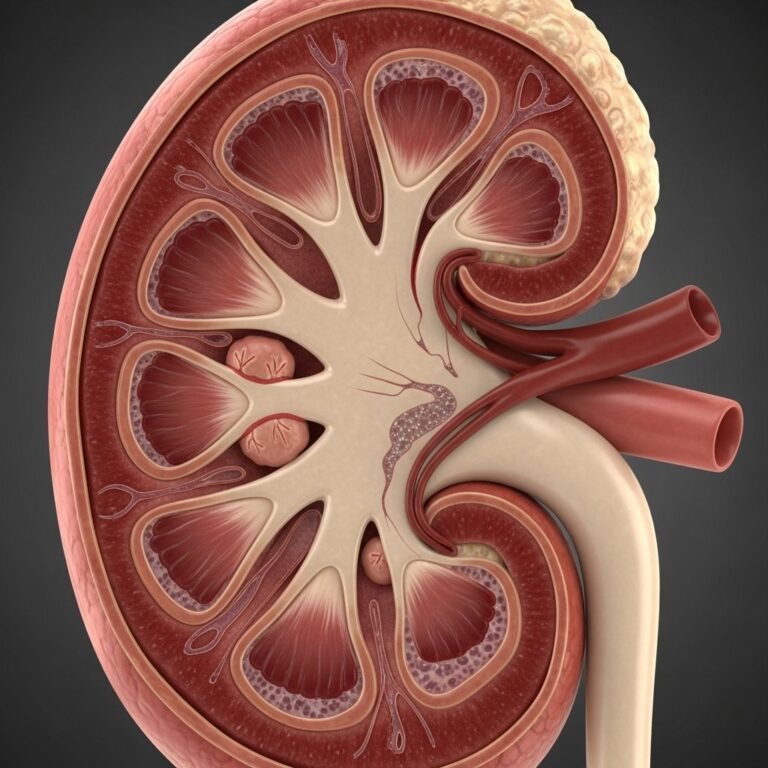
- Warfarin-related nephropathy: Kidney injury from RBC casts at INR >3.0, worsened by pre-existing renal issues.
- Skin necrosis: Rare early hypercoagulable state depletes protein C first.
Call emergency if serious bleeding suspected. Management per ACCP guidelines: Vitamin K for high INR without bleeding; FFP or PCC for active bleeds.
How to cope with side effects of warfarin
- Bruising/bleeding gums: Use soft toothbrush, electric razor; report if worsening.
- Hair loss: Usually mild, temporary.
- Maintain stable vitamin K intake to avoid INR fluctuations.
Pregnancy and breastfeeding
Warfarin crosses the placenta, causing teratogenicity (fetal warfarin syndrome) and bleeding risks; contraindicated in pregnancy. Switch to heparin/LMWH. Not recommended breastfeeding due to infant risks.
Other medicines, food and drink to avoid
Warfarin has extensive interactions:
- Drugs potentiating effect (increase bleeding): Aspirin, NSAIDs (ibuprofen, naproxen), SSRIs, antibiotics (e.g., metronidazole).
- Drugs antagonizing: Vitamin K supplements, rifampicin.
- Food: Consistent vitamin K intake (leafy greens); avoid sudden changes. No cranberry juice/products.
- Alcohol: Moderate only; excess increases bleeding.
- Herbs: Avoid St. John’s wort, ginseng.
Always inform pharmacists/doctors of warfarin use.
Monitoring and dosage adjustments
INR monitoring is critical: Target 2.0-3.0 most cases. Overlap with heparin for 5 days if rapid effect needed. Genetic testing (VKORC1, CYP2C9) can guide dosing.
Frequently Asked Questions (FAQs)
Q: How long does warfarin take to work?
A: Anticoagulant effects begin in 2-3 days, full effect in 4-5 days.
Q: Can I eat green vegetables on warfarin?
A: Yes, but keep intake consistent to avoid INR swings.
Q: What is a normal INR on warfarin?
A: Typically 2.0-3.0; varies by indication.
Q: Is warfarin safe for life?
A: Yes for many chronic conditions, with regular monitoring.
Q: What reverses warfarin overdose?
A: Vitamin K orally for minor elevations; IV PCC/FFP for bleeds.
References
- Warfarin: Uses, Interactions, Mechanism of Action — DrugBank Online. 2023. https://go.drugbank.com/drugs/DB00682
- A review of warfarin dosing and monitoring — PMC – NIH. 2003-10-01. https://pmc.ncbi.nlm.nih.gov/articles/PMC1305837/
- Warfarin – an anticoagulant — Patient.info. Recent update. https://patient.info/medicine/warfarin-an-anticoagulant
- Warfarin – StatPearls — NCBI Bookshelf – NIH. 2023-07-17. https://www.ncbi.nlm.nih.gov/books/NBK470313/
- A Patient’s Guide to Taking Warfarin — American Heart Association. Recent update. https://www.heart.org/en/health-topics/arrhythmia/prevention–treatment-of-arrhythmia/a-patients-guide-to-taking-warfarin
- Anticoagulants (Blood Thinners) — Patient.info. Recent update. https://patient.info/heart-health/anticoagulants
Similar Articles








Read full bio of Sneha Tete