Warfarin And INR Management: Practical Patient Guide
Comprehensive guide to warfarin therapy, INR monitoring, and safe anticoagulation practices for preventing blood clots.
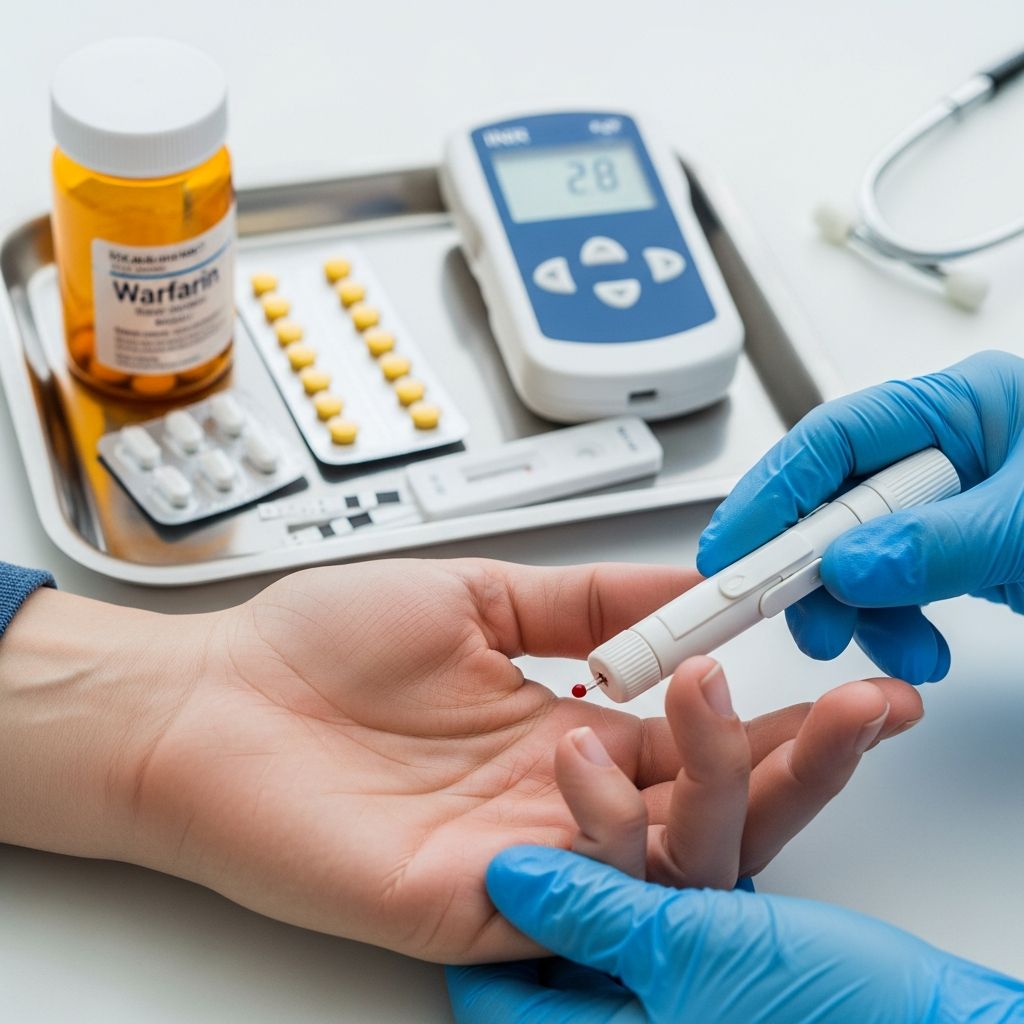
Warfarin stands as a cornerstone in anticoagulation therapy, helping countless individuals prevent life-threatening blood clots. This medication works by interfering with vitamin K-dependent clotting factors, but its effectiveness hinges on precise monitoring through the International Normalized Ratio (INR), a standardized measure of blood clotting time.
Understanding Warfarin’s Core Role in Therapy
Developed initially as a rodenticide, warfarin has evolved into one of the most prescribed oral anticoagulants worldwide. It targets conditions where thrombus formation poses significant risks, such as irregular heart rhythms or post-surgical recovery. Unlike direct oral anticoagulants, warfarin’s narrow therapeutic window demands regular blood tests to balance clot prevention against bleeding hazards.
The drug’s journey from pesticide to pharmaceutical underscores its potency. Today, it serves patients requiring long-term prophylaxis against venous thromboembolism or embolic strokes. Healthcare providers initiate therapy cautiously, often bridging with faster-acting agents like heparin until warfarin’s full effects manifest, typically within 72 to 96 hours.
Key Medical Conditions Treated with Warfarin
Warfarin addresses a spectrum of thrombotic disorders. Primary FDA-approved uses include prophylaxis and treatment of thromboembolic events linked to atrial fibrillation and mechanical heart valves. It also reduces mortality and recurrent infarctions following myocardial events.
- Atrial Fibrillation (AF): In AF, blood pools in the atria, fostering clot formation that can embolize to the brain, causing strokes. Warfarin slashes this risk by about 60%.
- Venous Thromboembolism (VTE): Encompassing deep vein thrombosis (DVT) and pulmonary embolism (PE), VTE benefits from warfarin’s ability to halt clot progression.
- Mechanical Valve Replacement: These valves provoke clotting; warfarin prevents thrombus buildup on prosthetic surfaces.
- Post-Myocardial Infarction: It mitigates stroke and systemic embolization risks in recovering hearts.
Off-label applications extend to secondary stroke prevention and transient ischemic attacks, where evidence supports its utility despite lacking formal approval.
Decoding Warfarin’s Mechanism of Action
At its core, warfarin competitively inhibits vitamin K epoxide reductase (VKORC1), depleting active vitamin K stores. This hampers hepatic synthesis of clotting factors II, VII, IX, and X, alongside anticoagulants proteins C and S. The result: prolonged prothrombin time, reflected in elevated INR values.
Therapy onset reveals a biphasic response. Initially, shorter half-life proteins C and S (8-24 hours) deplete faster than procoagulant factors (up to 50 hours for thrombin), creating a transient hypercoagulable state. This ‘warfarin skin necrosis’ risk necessitates bridging therapy. Peak anticoagulation follows as factor levels equilibrate.
| Clotting Factor | Half-Life (hours) | Effect on Therapy |
|---|---|---|
| Protein C | 8 | Early depletion; initial pro-thrombotic risk |
| Factor VII | 6 | Quick impact on PT/INR |
| Factor IX | 24 | Intermediate decline |
| Factor X | 36 | Contributes to sustained effect |
| Factor II (Prothrombin) | 50-72 | Longest; full anticoagulation delay |
This table illustrates the staggered degradation, explaining why full effects lag behind initial dosing.
The Pivotal Role of INR in Warfarin Dosing
Related Stories



INR standardizes prothrombin time (PT) across labs, targeting 2.0-3.0 for most indications (2.5-3.5 for valves). Frequent testing—weekly initially, then monthly—guides dose adjustments. Factors like diet, genetics, and comorbidities influence requirements, often 2-10 mg daily.
Therapeutic INR ensures clot prevention without excess bleeding. Subtherapeutic levels (<2.0) heighten thrombosis risk; supratherapeutic (>4.0) invite hemorrhage. Patients learn self-management in some programs, but professional oversight remains essential.
Navigating Diet and Lifestyle Impacts
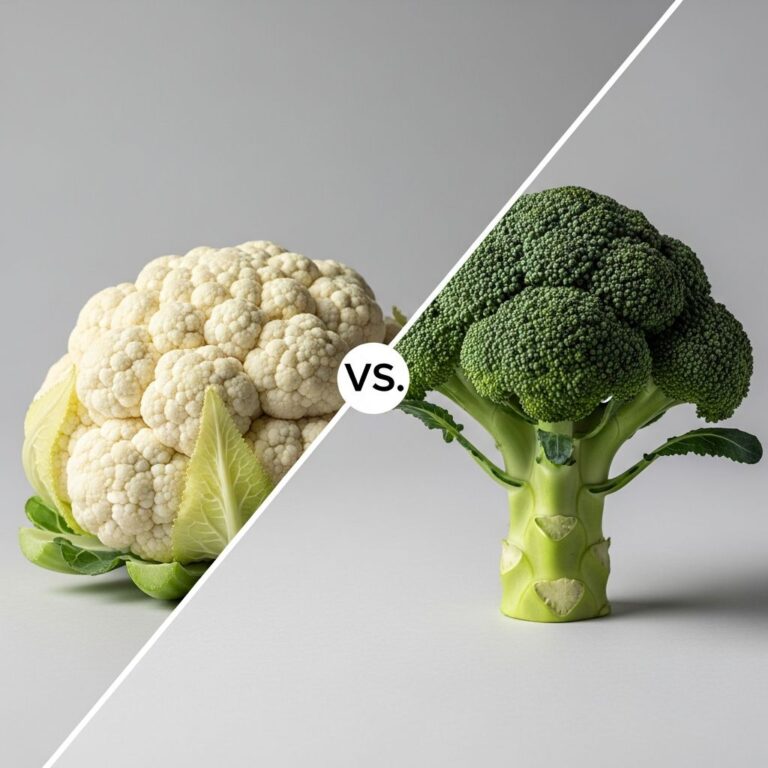
Consistent vitamin K intake stabilizes INR, as high levels counteract warfarin. Leafy greens like kale and spinach demand portion stability rather than elimination. Alcohol moderation prevents fluctuations; excess bingeing spikes bleeding risks.
- Track green vegetable consumption daily.
- Maintain steady herbal supplement use, avoiding sudden starts/stops.
- Limit cranberries and grapefruit if sensitive.
New Zealand guidelines emphasize holistic management, integrating diet logs with INR trends for personalized plans.
Drug Interactions: A Critical Consideration
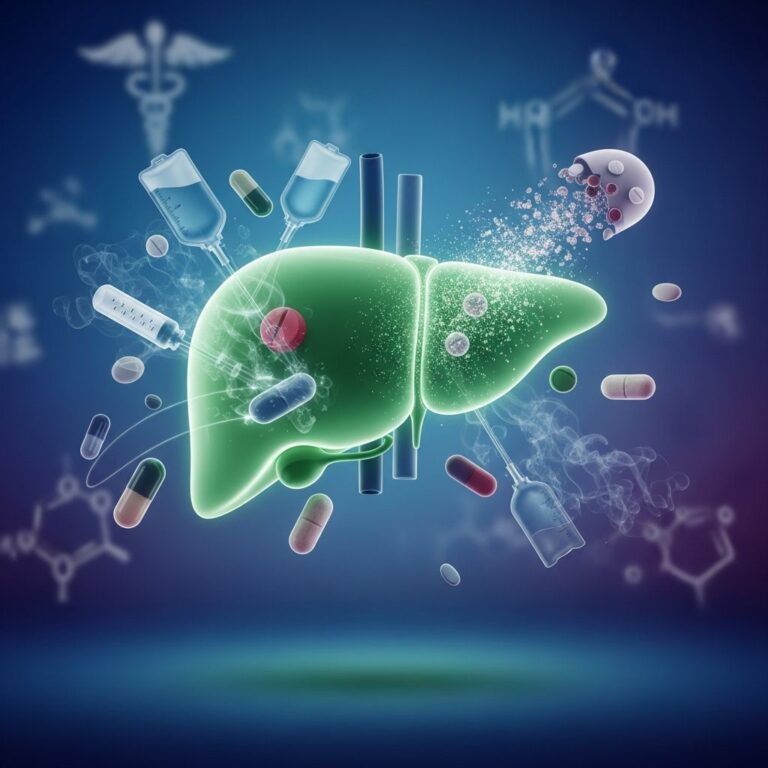
Warfarin’s CYP2C9 metabolism invites interactions with over 300 drugs. Antibiotics like metronidazole amplify effects; anti-epileptics like phenytoin induce metabolism, lowering INR. Over-the-counter NSAIDs heighten GI bleed risks.
Patients must disclose all medications, including herbals like St. John’s Wort, which accelerate clearance. Genetic variants in VKORC1 and CYP2C9 predict dosing needs, informing precision medicine approaches.
Recognizing and Responding to Bleeding Risks
Major hemorrhage—intracranial or GI—strikes 1-3% annually, often reversibly with vitamin K or prothrombin complex concentrates. Minor signs like bruising or gum bleeding warrant INR checks. Reversal agents include phytonadione (vitamin K1) for urgent cases.
Black stool, prolonged bleeding, or headaches signal emergencies; seek immediate care. Annual risk-benefit assessments guide continuation.
Special Populations and Precautions
Pregnancy contraindicates warfarin due to teratogenicity, causing fetal warfarin syndrome. Alternatives like low-molecular-weight heparin are preferred. Elderly patients require lower doses owing to renal decline and polypharmacy.
Genetic testing identifies poor metabolizers, preventing overdoses. Liver disease amplifies effects; monitor closely.
Practical Patient Tips for Success
Adherence thrives on routine: same-time dosing, pill boxes, and app reminders. Carry a warfarin card detailing target INR and provider contacts. Annual flu shots mitigate infection-induced fluctuations.
- Log all INR results and doses.
- Inform all healthcare providers of warfarin use before procedures.
- Avoid trauma sports; use electric razors and soft toothbrushes.
Alternatives to Warfarin in Modern Practice
Direct oral anticoagulants (DOACs) like apixaban offer fixed dosing sans routine monitoring, but warfarin persists for valve patients or cost reasons. Transition requires bridging to avoid gaps.
Frequently Asked Questions (FAQs)
What if I miss a warfarin dose?
Take it ASAP unless near next dose; never double up. Contact your doctor for INR advice.
Can I eat spinach on warfarin?
Yes, consistently; sudden increases drop INR.
How often is INR tested?
Weekly at start, then every 4-6 weeks if stable.
Does alcohol interact with warfarin?
Moderate use is safe; excess raises bleeding risk.
Is warfarin safe long-term?
Yes, with monitoring; benefits often outweigh risks.
Monitoring Milestones for Optimal Outcomes
Success metrics include time in therapeutic range (TTR) above 65-70%, correlating with reduced events. Digital tools and clinics enhance compliance. Patient education empowers self-advocacy, minimizing complications.
In summary, warfarin’s legacy endures through vigilant INR-guided management, blending pharmacology with lifestyle discipline for thrombosis mastery.
References
- Warfarin: Uses, Interactions, Mechanism of Action — DrugBank Online. 2023. https://go.drugbank.com/drugs/DB00682
- Warfarin – StatPearls — NCBI Bookshelf, NIH. 2023-10-01. https://www.ncbi.nlm.nih.gov/books/NBK470313/
- Warfarin: MedlinePlus Drug Information — MedlinePlus, NIH. 2024. https://medlineplus.gov/druginfo/meds/a682277.html
- What is warfarin and what does it do in your body? — British Heart Foundation. 2023. https://www.bhf.org.uk/informationsupport/heart-matters-magazine/medical/drug-cabinet/warfarin
- Warfarin — University of Utah Health. 2024. https://healthcare.utah.edu/thrombosis/warfarin
- Warfarin (Coumadin): What It Is, Uses & Side Effects — Cleveland Clinic. 2023-08-28. https://my.clevelandclinic.org/health/treatments/16182-warfarin-a-blood-thinning-drug-what-you-need-to-know-
- COUMADIN® TABLETS (Warfarin Sodium Tablets, USP) — FDA. 2010-12-15. https://www.accessdata.fda.gov/drugsatfda_docs/label/2010/009218s108lbl.pdf
Similar Articles








Read full bio of Sneha Tete