Warfarin: A Comprehensive Guide to Uses, Risks, and Management
Learn about warfarin, its uses for preventing blood clots, dosage, risks, and safe management to protect your health.
What is Warfarin?
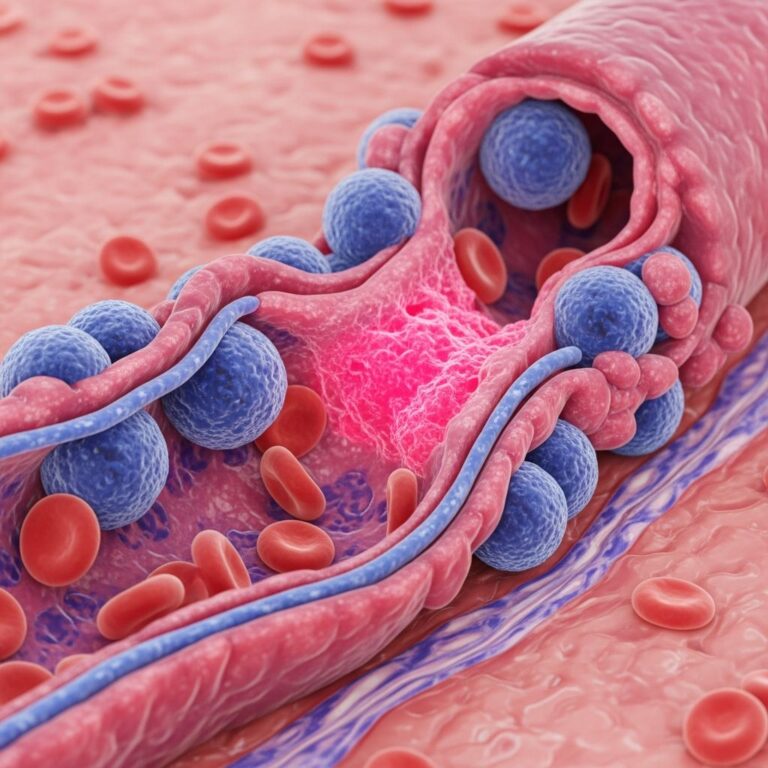
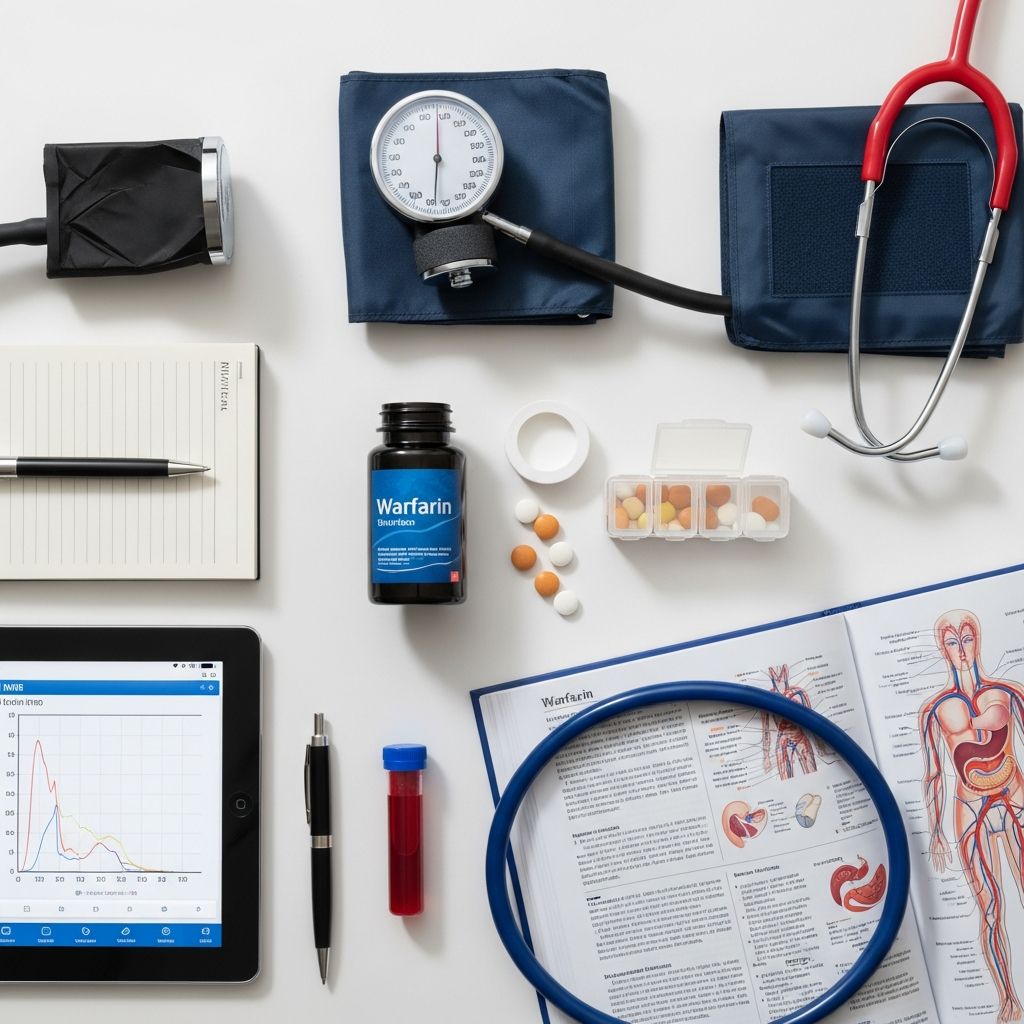
Warfarin is a widely used anticoagulant medication taken orally to prevent and treat harmful blood clots that can block blood flow to vital organs. It is commonly known by brand names such as Coumadin® and Jantoven®. By slowing how quickly the blood clots, warfarin helps reduce the risk of conditions like heart attacks, strokes, deep vein thrombosis (DVT), and pulmonary embolism (PE).
Unlike the popular nickname “blood thinner,” warfarin does not actually thin the blood but rather increases the time it takes for blood to clot, thus controlling clot formation and growth.
Why is Warfarin Prescribed?
Warfarin is primarily prescribed when there is a higher risk of developing blood clots or when there are existing clots that require management. Common conditions include:
- Atrial fibrillation: An irregular heartbeat that can cause blood clots in the heart.
- Artificial (prosthetic) heart valves: Mechanical valves increase the risk of clot formation.
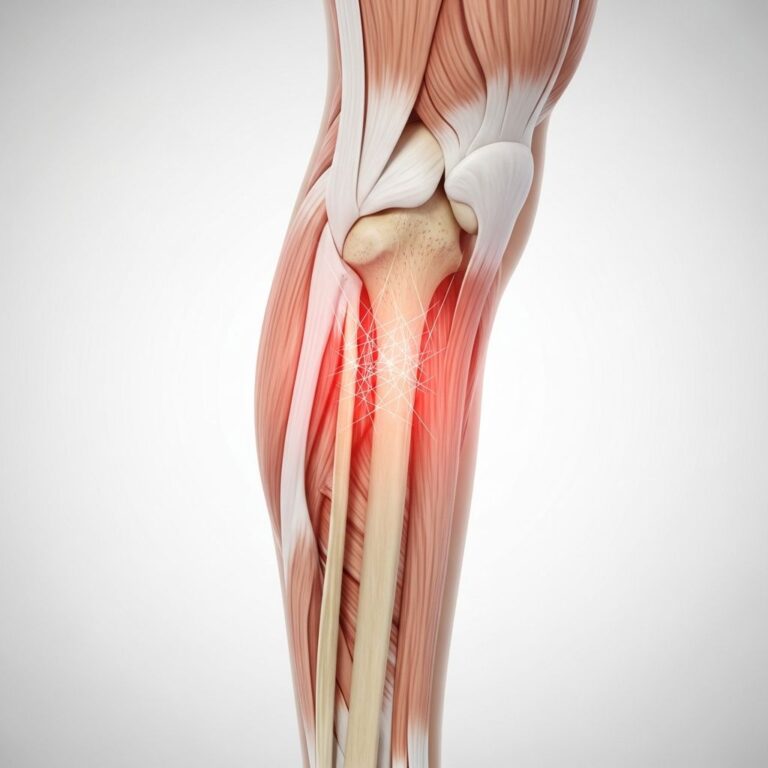
- Deep vein thrombosis (DVT): Blood clots form in the deep veins, usually in the legs.
- Pulmonary embolism (PE): Clots that travel to the lungs causing blockage.
- Prevention after a heart attack or orthopedic surgeries: To reduce recurrent clot risks.
Approximately 2 million people in the United States take warfarin for such indications.
How Does Warfarin Work?
Warfarin works by interfering with the body’s vitamin K-dependent clotting process. Vitamin K is essential for making clotting factors in the liver, specifically factors II, VII, IX, and X, as well as regulatory proteins C and S.
Warfarin inhibits an enzyme called vitamin K epoxide reductase (VKOR), which activates vitamin K. Without this activated vitamin K, the body produces fewer active clotting factors, which means blood takes longer to clot.
It’s important to note that warfarin does not dissolve clots; instead, it prevents existing clots from growing larger and reduces the formation of new clots, allowing the body’s natural processes to break down clots over time.
How is Warfarin Dosed and Monitored?
The proper dose of warfarin varies widely between individuals and depends on frequent blood tests that monitor the blood’s clotting ability:
- Prothrombin Time (PT): Measures how long it takes blood to clot.
- International Normalized Ratio (INR): A standardized PT ratio used to adjust dosing. Therapeutic INR ranges vary depending on the condition but are typically maintained between 2.0 and 3.0.
Dosing usually starts low (e.g., 1 mg to 10 mg daily) and is adjusted based on INR results. Regular monitoring is essential to maintain the balance between preventing clots and avoiding excessive bleeding.
Who Should Take Warfarin?
Warfarin is prescribed for individuals with conditions putting them at risk for dangerous blood clots or embolisms, including:
Related Stories



- People with atrial fibrillation, especially if other stroke risk factors exist.
- Patients with mechanical heart valves.
- Those with a history of venous thrombosis or pulmonary embolism.
- Individuals recovering from certain heart attacks.
- Post-surgical patients with an increased clot risk, such as after hip or knee replacement.
Warfarin Side Effects and Risks
While warfarin is highly effective, its use carries a risk of bleeding because it reduces blood’s clotting capacity. Common side effects include:
- Bleeding complications: This can be anywhere from minor bruising to serious internal bleeding.
- Gastrointestinal upset: Such as nausea or stomach pain.
- Hair thinning or loss in some cases.
- Skin necrosis: Rare but serious skin tissue damage.
- Allergic reactions: Rash or itching.
It is crucial for patients to watch for signs of excessive bleeding such as unusual bruising, blood in urine or stool, nosebleeds lasting longer than usual, or severe headache which could indicate internal bleeding.
Drug and Food Interactions
Warfarin’s effectiveness can be altered by many drugs and foods because they may affect vitamin K metabolism or warfarin’s activity:
- Foods high in vitamin K: Leafy greens like spinach, kale, broccoli, and Brussels sprouts can reduce warfarin’s effect.
- Other medications: Antibiotics, antifungals, anti-seizure drugs, aspirin, NSAIDs, and many herbal supplements can either increase or decrease warfarin’s anticoagulant effect.
Patients must maintain consistent vitamin K intake and inform their healthcare providers about all medicines and supplements they take.
Precautions When Taking Warfarin
To use warfarin safely, it is important to:
- Have regular blood tests (INR) to monitor and adjust the dose.
- Avoid activities with a high risk of injury or bleeding.
- Inform all health professionals, including dentists, that you take warfarin.
- Use caution with over-the-counter medicines, especially pain relievers.
- Wear a medical alert bracelet indicating you are on warfarin.
What to Do if You Miss a Dose?
If you miss a dose of warfarin, do not double up. Take it as soon as you remember that same day. If it is close to the time for your next dose, skip the missed dose and continue as scheduled. Always follow your healthcare provider’s advice regarding missed doses.
Frequently Asked Questions (FAQs)
Q: Can I eat foods with vitamin K while on warfarin?
A: Yes, but maintain a consistent amount of vitamin K intake daily to avoid fluctuations in warfarin effectiveness. Sudden increases or decreases can affect your INR and clotting risk.
Q: Does warfarin cause bleeding all the time?
A: Warfarin increases the risk of bleeding but does not cause it all the time. Proper dose management and monitoring help balance clot prevention against bleeding risk.
Q: How long does warfarin treatment last?
A: The length of treatment depends on your condition. Some people take warfarin for only a few months, while others may be on it indefinitely, especially if they have ongoing clotting risk.
Q: What tests are needed while taking warfarin?
A: Regular blood tests measuring your INR are essential to ensure your dosage remains safe and effective.
Q: Can I drink alcohol on warfarin?
A: Alcohol can interact with warfarin and affect your INR. Moderate or avoid alcohol, and discuss your habits with your healthcare provider.
Summary Table: Warfarin Uses and Key Points
| Aspect | Details |
|---|---|
| Purpose | Prevent and treat harmful blood clots in veins and heart |
| Common Indications | Atrial fibrillation, artificial heart valves, DVT, pulmonary embolism, post-MI |
| Mechanism | Inhibits vitamin K recycling, reducing clotting factors production |
| Monitoring | Regular PT/INR blood tests to adjust dose |
| Main Risks | Bleeding complications, drug/food interactions |
| Administration | Oral daily dosing with individualized dose adjustment |
References
- Warfarin Information — MedlinePlus, U.S. National Library of Medicine. 2023-03-01. https://medlineplus.gov/druginfo/meds/a682277.html
- Warfarin – Mechanism and Uses — Wikipedia. 2024-01-20. https://en.wikipedia.org/wiki/Warfarin
- Warfarin Guide — American Heart Association. 2023-08-10. https://www.heart.org/en/health-topics/arrhythmia/prevention–treatment-of-arrhythmia/a-patients-guide-to-taking-warfarin
- Warfarin Overview — Cleveland Clinic. 2023-11-15. https://my.clevelandclinic.org/health/treatments/16182-warfarin-a-blood-thinning-drug-what-you-need-to-know-
- Warfarin Clinical Uses and Monitoring — StatPearls, National Library of Medicine. 2023-09-30. https://www.ncbi.nlm.nih.gov/books/NBK470313/
Similar Articles








Read full bio of Sneha Tete