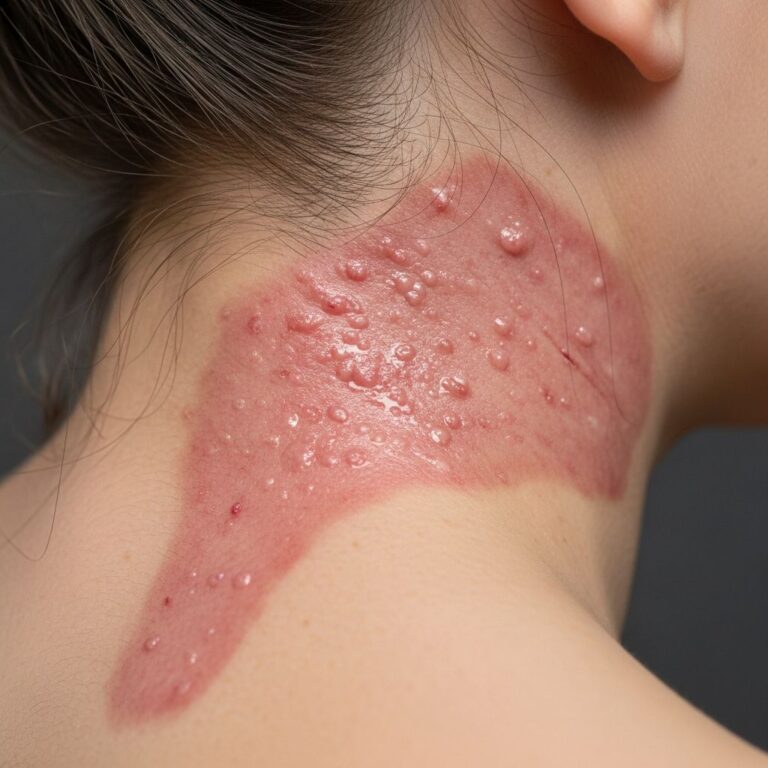
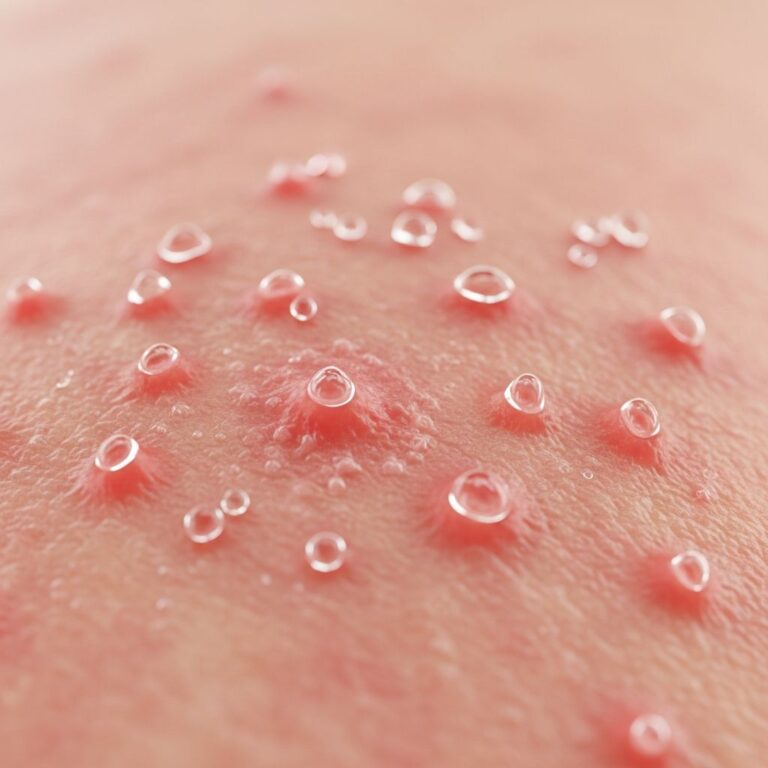
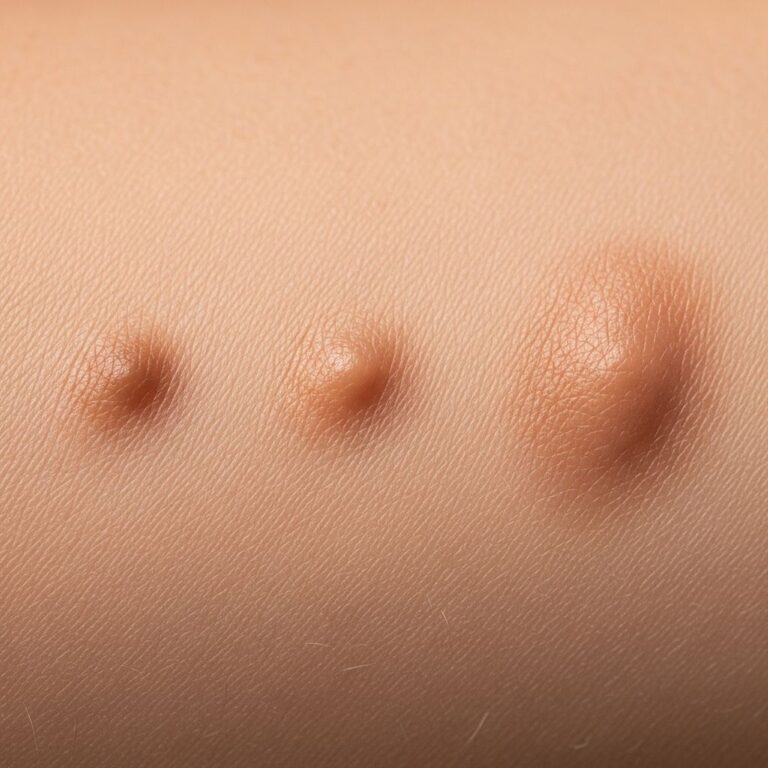
Warts And Verrucas: 4 Effective Treatments For Relief
Comprehensive insights into causes, types, treatments, and prevention of warts and verrucas for effective management.
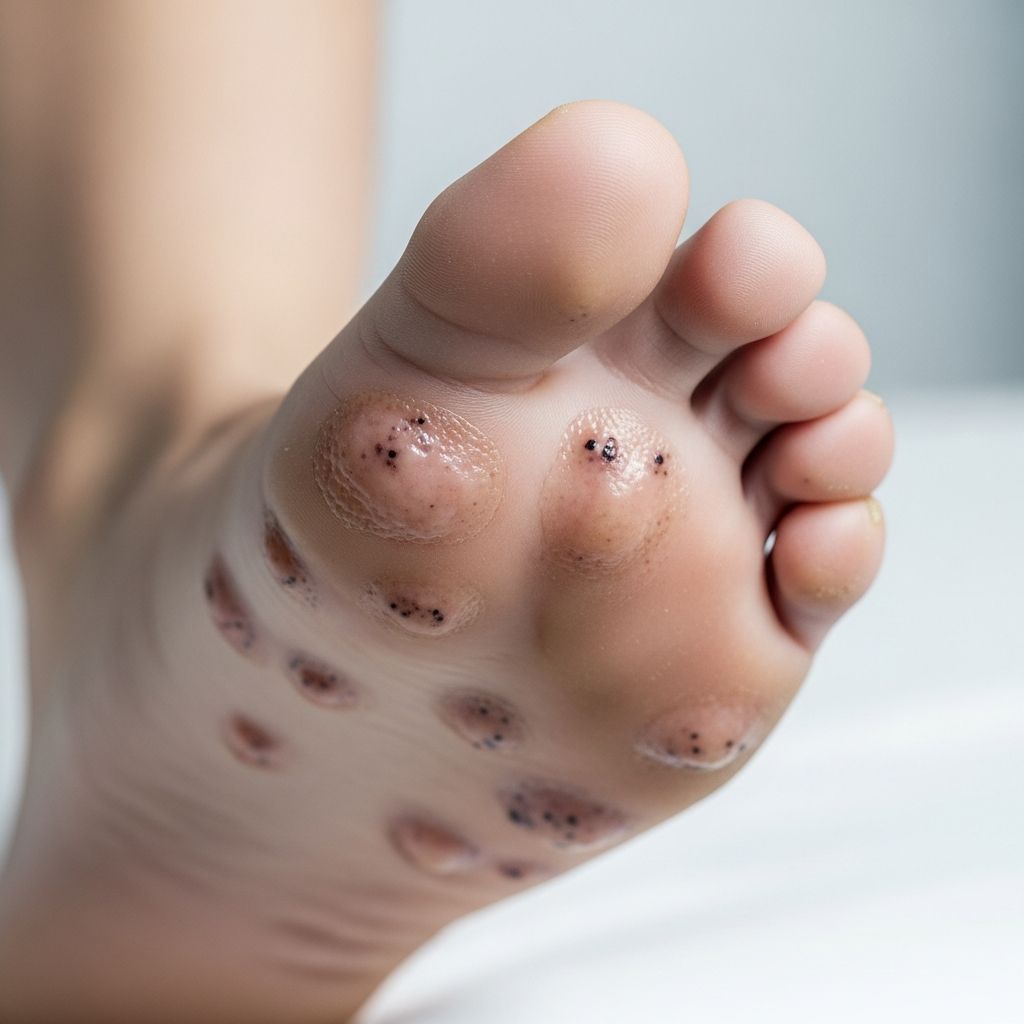
Warts and verrucas represent common skin conditions triggered by the human papillomavirus (HPV), leading to benign growths on various body parts. These infections affect people across all ages, often resolving without intervention but sometimes requiring targeted care to alleviate discomfort or prevent spread.
Understanding the Origins of Warts
At their core, warts emerge from infection with HPV, a virus featuring over 100 strains, each capable of targeting specific skin areas. This virus infiltrates the top layer of skin through tiny cuts or abrasions, prompting rapid cell growth that forms the characteristic rough, elevated lesions. Unlike bacteria or fungi, HPV thrives in warm, moist settings, explaining its prevalence in communal showers, poolsides, and gyms.
Transmission occurs via direct skin contact or indirectly through shared items like towels or footwear. The virus’s resilience on surfaces heightens risks in households or public spaces. Immunity plays a key role; while many clear infections naturally, those with weakened defenses face prolonged or widespread outbreaks.
Recognizing Different Types of Warts
Warts manifest in diverse forms depending on location and HPV strain.
Common warts
(verruca vulgaris) typically appear on hands or fingers as firm, rough bumps with black specks from clotted blood vessels. These measure 1-10 mm and often feature disrupted skin lines.**Plantar warts**, or verrucas, develop on feet’s soles or toes, pushed inward by weight, causing pain during walking. They display a mosaic pattern or central black dots, distinguishing them from calluses.
**Flat warts** favor the face, legs, or arms, presenting as smooth, slightly raised, skin-toned or brownish spots, often in clusters. Children and those shaving frequently encounter these.
Less common variants include
filiform warts
(thread-like on face) andperiungual warts
(around nails). Genital types demand distinct handling due to sexual transmission risks.Spotting Symptoms and Signs
Initial signs include small, grainy growths that grow slowly. Common indicators encompass:
- Rough, cauliflower-like texture
- Black pinpoint dots (thrombosed capillaries)
- Disrupted normal skin ridges on fingers or soles
- Occasional itching, pain (especially plantar), or bleeding upon paring
Diagnosis relies on visual exam; biopsies prove rare unless malignancy suspicions arise. Differentiate from corns (no dots), skin tags (pedunculated), or seborrheic keratoses (stuck-on).
Everyday Home Management Strategies
Many warts vanish within 2-4 years via immune response, but home remedies accelerate clearance.
Salicylic acid
(17-40% gels/patches) softens and peels affected skin over weeks. Soak, file gently, apply nightly, avoiding healthy areas.Other options:
- Apple cider vinegar soaks (anecdotal, unproven)
- Duct tape occlusion (covers wart 6 days, soaks/files 1 day, repeat)
- Over-the-counter freezing sprays (less potent than clinical)
Consistency matters; expect irritation or temporary whitening. Pause if excessive redness occurs.
Professional Treatment Approaches
For persistent cases, clinicians employ:
| Method | Description | Pros | Cons |
|---|---|---|---|
| Cryotherapy | Liquid nitrogen freezes wart, forming blisters | Quick, effective for most | Painful, multiple sessions, blister risk |
| Cantharidin | Blistering agent painted on | Painless application | Blistering, not for home use |
| Electrosurgery/Curettage | Burns/scrapes off | Immediate removal | Scarring possible |
| Laser | Targets blood vessels | Precise | Costly, specialized |
Injections like Candida antigen boost immunity; reserved for stubborn warts. Oral cimetidine or zinc aids select patients.
Related Stories



Handling Special Cases and Complications
Immunocompromised individuals risk extensive spread, warranting aggressive therapy like cidofovir or retinoids. Facial warts need caution to avoid scarring. Genital variants require specialist input, avoiding OTC genital products.
When to consult: pain, bleeding, rapid growth, facial/genital sites, failed home attempts, numerous lesions, or immune issues.
Preventive Measures for Skin Health
Minimize spread by:
- Refraining from picking/scratching
- Wearing flip-flops in public wet areas
- Avoiding shared razors/towels
- Keeping skin dry/cracked-free
- Vaccinating against high-risk HPV (off-label for cutaneous)
Hand hygiene curbs household transmission.
Frequently Asked Questions (FAQs)
Are warts dangerous?
Typically benign, but monitor for changes suggesting rarity like squamous cell carcinoma.
How long do they last?
2-4 years untreated; treatments shorten to months.
Can kids get warts?
Yes, highly common; gentle methods preferred.
Do verrucas differ from warts?
Same virus; verrucas specify painful foot types.
Is over-the-counter treatment enough?
Often yes for simple cases; pros for recalcitrant.
Long-Term Outlook and Myths Debunked
Most regress spontaneously, but recurrence stems from residual virus. Myths include instant cures or high contagion sans contact. Patience and multimodal approaches optimize results.
References
- Warts – Dermatologic Disorders – Merck Manual Professional Edition — Merck Manuals. 2023. https://www.merckmanuals.com/professional/dermatologic-disorders/viral-skin-diseases/warts
- Warts (verruca vulgaris) and what to do about them — Society for Pediatric Dermatology. 2022. https://pedsderm.net/site/assets/files/1028/4_spd_warts_web_final.pdf
- Warts and verrucas – Medinfo — Medinfo. 2024. https://www.medinfo.com/conditions/warts.html
- Common warts – Symptoms and causes – Mayo Clinic — Mayo Clinic. 2025-02-10. https://www.mayoclinic.org/diseases-conditions/common-warts/symptoms-causes/syc-20371125
- Warts: How To Identify, Causes, Types, Treatment & Prevention — Cleveland Clinic. 2024. https://my.clevelandclinic.org/health/diseases/15045-warts
Similar Articles








Read full bio of medha deb