Warts: Identification, Causes, Types, Treatment & Prevention
Complete guide to understanding, treating, and preventing warts caused by HPV.
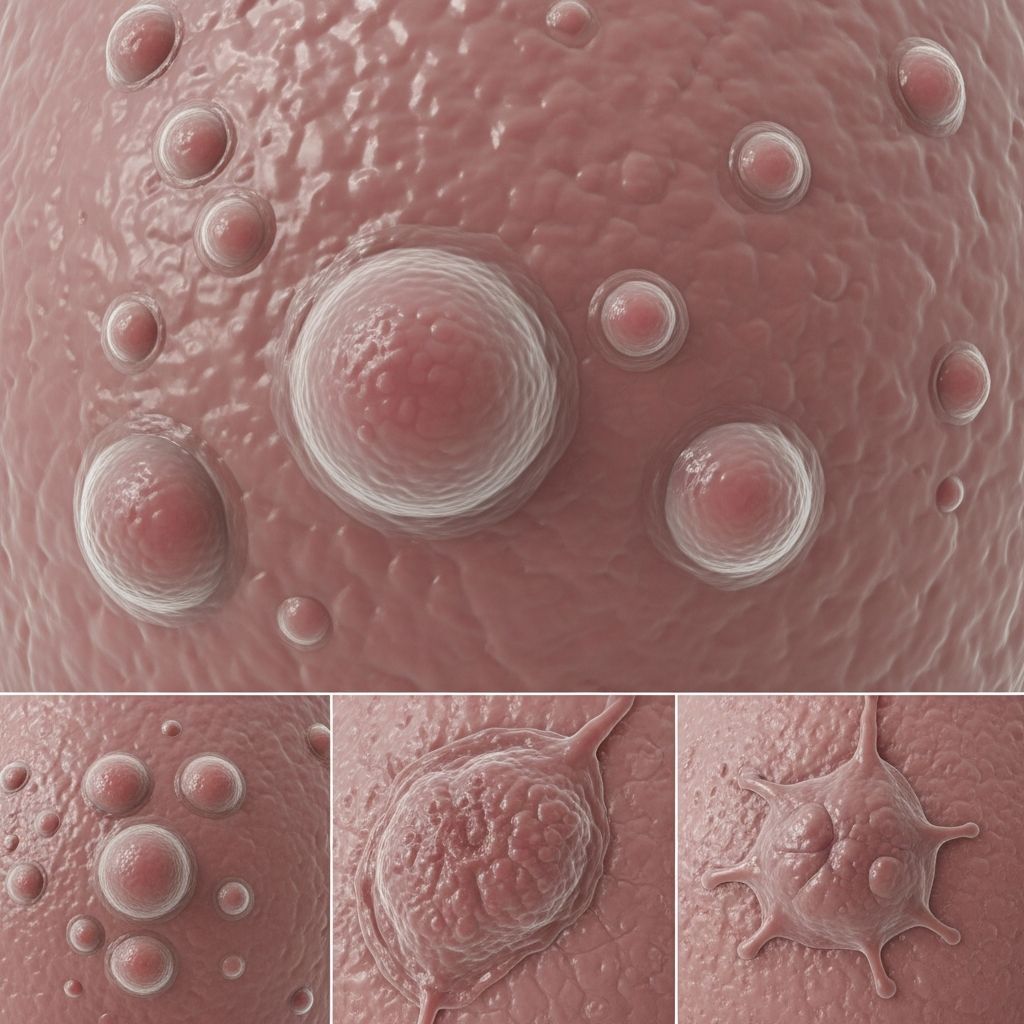
What Are Warts?
Warts are common skin growths that develop due to infection with strains of the human papillomavirus (HPV). These noncancerous growths can appear anywhere on your body and vary in appearance, size, and location depending on the HPV strain involved and which part of your body is affected. While warts are generally harmless, they can sometimes be bothersome, painful, or affect your quality of life. Many people seek treatment to remove warts for cosmetic reasons or to prevent them from spreading to other areas of the body or to other people.
Understanding what causes warts and the various treatment options available can help you make informed decisions about managing these common skin conditions. Whether you develop a single wart or multiple growths, knowing your options can help you find the most effective solution for your situation.
Understanding HPV and Wart Development
The human papillomavirus is a group of viruses that infect the outer layer of skin. Different strains of HPV cause different types of warts. The virus spreads through direct contact with infected skin, either through breaks in the skin or by touching a wart directly. Not everyone who is exposed to HPV will develop warts, as the risk depends on factors like your immune system strength and the specific HPV strain involved.
Warts can take weeks or even months to develop after exposure to the virus. Once the virus enters your skin cells, it causes them to grow abnormally, creating the characteristic bumpy appearance of a wart. The incubation period varies from person to person, and some people may never develop visible warts even after exposure to HPV.
Types of Warts
Healthcare providers classify warts based on their appearance, the specific HPV strain that causes them, and their location on the body. Understanding the different types can help you identify what you may have and determine the best treatment approach.
Common Warts
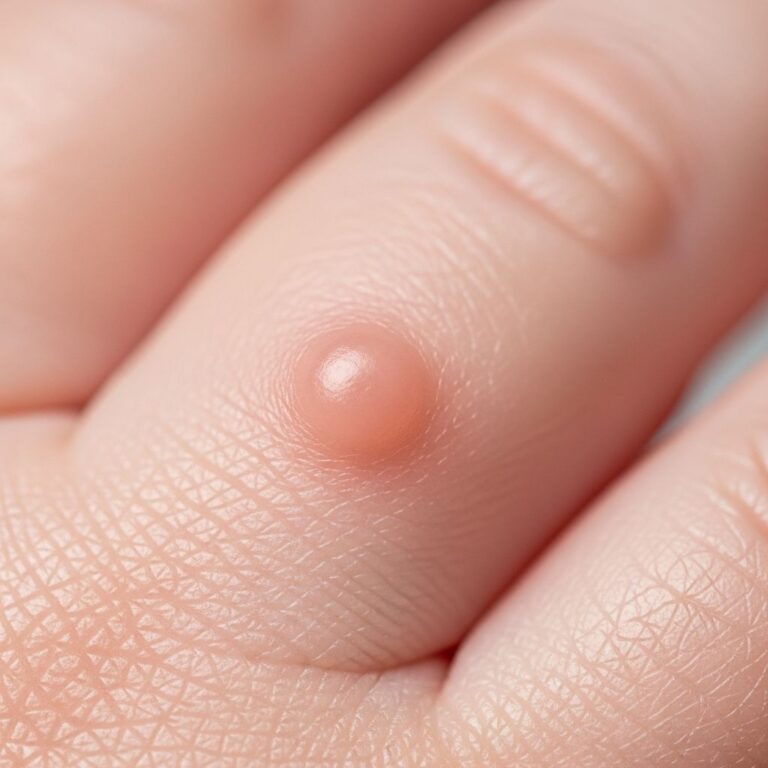
Common warts are the most frequently encountered type and typically appear on the hands, fingers, and around the nails. These warts are usually raised, have a rough texture, and may have a grainy or bumpy surface. They often appear flesh-colored or slightly darker and can spread to other areas if left untreated.
Plantar Warts
Plantar warts develop on the soles of the feet and are caused by HPV infection that penetrates the bottom of the foot through tiny cuts or weak spots. These warts often appear flat or slightly inward-growing because of pressure from walking. Plantar warts can be uncomfortable or painful, especially when walking or standing. They may have small black dots in the center, which are actually tiny blood vessels.
Flat Warts
Flat warts are smooth, small bumps that are flatter and smaller than other types of warts. Each flat wart is typically about the size of a pinhead, measuring between 1 and 5 millimeters across. They may be yellowish-brown, pink, or skin-colored and usually appear in groups or clusters, sometimes numbering up to 100 or more in a single area. These warts most commonly appear on your face and the tops of your hands but can also spread through shaving, appearing on the beard area in males and on the legs of females.
Genital Warts
Genital warts are a type of sexually transmitted infection caused by certain strains of HPV. These warts form in and around the genital area and rectum and require medical evaluation and treatment. They differ significantly from other types of warts in transmission and health implications.
Related Stories



Symptoms and Identification
Warts present differently depending on their type and location. Common signs include:
- Raised, bumpy growths on the skin
- Rough or grainy texture
- Flesh-colored, brown, or pink appearance
- Tenderness or pain, particularly with plantar warts
- Black dots or specks within the wart (typically in plantar warts)
- Clustering or grouping, especially with flat warts
- Skin irritation or itching
If you notice any unusual bumps or growths on your skin, you should make an appointment with your healthcare provider. They can diagnose warts by their appearance, and in some cases, may request a biopsy to confirm the diagnosis or refer you to a dermatologist for specialized treatment.
Do Warts Go Away on Their Own?
Yes, approximately 65% of warts go away on their own after about two years, particularly in people who have healthy immune systems. However, the waiting period can be long and frustrating, especially if the warts are visible, painful, or spreading. For individuals with compromised immune systems, warts are less likely to resolve independently and may require active treatment.
Because warts can spread, cause pain, and affect your daily life and self-esteem, your healthcare provider may recommend treatment even if they would eventually disappear on their own. The choice to treat warts is often a personal decision based on factors like their location, symptoms, and impact on your quality of life.
Conservative Treatment Options
Several conservative approaches can help treat warts at home or with over-the-counter products before considering more invasive procedures.
Duct Tape Method
One of the most accessible and surprisingly effective home remedies is the duct tape method. To use this approach, keep the wart covered with duct tape 24 hours a day. If the tape falls off, replace it quickly. The skin underneath will become wet, pale, and wrinkled, which warts dislike. Continue this treatment for two to three weeks. If the wart looks smaller, keep using the duct tape until it completely disappears. Once the wart turns white and soft, you can gently rub it with sandpaper to remove the outer layer, then replace the duct tape and repeat every few days or once a week. Always throw away the sandpaper after each use.
While the duct tape method may not work for everyone, it is safe and easy to perform at home, making it worth trying before pursuing more expensive or invasive treatments.
Over-the-Counter Salicylic Acid Products
Salicylic acid is an effective over-the-counter option for wart removal. These products come in gels, liquids, and pads and work by breaking down the protein in the wart. When choosing salicylic acid products, higher percentages (20 to 40%) are most effective. These products must be used daily and might require weeks or even months of treatment for complete resolution.
For better results, you can combine salicylic acid treatment with duct tape. Apply the salicylic acid according to product instructions, then cover the area with duct tape to enhance effectiveness.
Exfoliation and Soaking
After removing duct tape from the wart, soak the area in water to soften the skin. Then exfoliate with a pumice stone, emery board, or fine-grade sandpaper. This process removes the outer layer of the wart and promotes healing. Sandpaper is inexpensive and can be cut into small pieces and discarded after each use, making it an economical option.
Medical Treatment Options
If conservative treatments do not work or if you prefer professional removal, several medical options are available through healthcare providers.
Cryotherapy
Cryotherapy is a cold treatment that uses liquid nitrogen to freeze off warts. This procedure can only be performed by a doctor and works by destroying the infected tissue. Cryotherapy may require multiple sessions to be completely effective. Following cryotherapy with a salicylic acid treatment when the area heals can boost results and improve overall effectiveness.
Surgical Removal
For stubborn warts that resist other treatments, more invasive options may be necessary. Only healthcare providers should surgically remove warts. Attempting to cut or rip a wart yourself can lead to infection and other serious health complications. Professional surgical removal techniques ensure safe and complete removal while minimizing complications and scarring.
What You Should Avoid
Certain popular remedies and approaches should be avoided despite their circulation on social media and among friends. Never attempt to:
- Cut or rip off a wart yourself
- Burn a wart with a hot match
- Poke a wart with a needle
- Rub the wart with the inside of a banana peel
- Use other unproven and potentially harmful methods
These approaches can cause infection, scarring, bleeding, and spread the virus to other parts of your body or to other people. Always consult with a healthcare provider before attempting any wart removal method.
Prevention Strategies
While not all wart infections can be prevented, several steps can reduce your risk of developing warts:
- Avoid direct contact with warts on yourself or others
- Keep your skin clean and dry, especially on your feet
- Avoid sharing personal items like towels, razors, or nail clippers
- Wear protective footwear in communal areas like swimming pools and locker rooms
- Avoid picking at or scratching existing warts
- Maintain a healthy immune system through proper nutrition and sleep
- Practice good hygiene and wound care for cuts and abrasions
When to See a Healthcare Provider
You should contact your healthcare provider if:
- You develop warts that are painful or spreading
- Warts appear on your face or genitals
- You’re unsure whether a growth is a wart or another skin condition
- Home remedies and over-the-counter treatments are ineffective after several weeks
- Warts are affecting your quality of life or causing emotional distress
- You have a weakened immune system
- The wart shows signs of infection such as increased redness, warmth, or discharge
Special Considerations
Warts in Immunocompromised Individuals
People with weakened immune systems, whether from medical conditions or medications, are more susceptible to warts and less likely to have them resolve spontaneously. These individuals may benefit from more aggressive treatment approaches and should work closely with their healthcare providers to manage warts effectively.
Warts in Children
Warts are common in children and often resolve on their own as their immune systems mature. However, if childhood warts cause pain, spread extensively, or affect the child’s self-esteem, treatment options are available.
Frequently Asked Questions
Q: Can warts spread to other people?
A: Yes, warts are contagious and can spread through direct contact with infected skin or surfaces that have been in contact with warts. The risk of transmission increases in warm, moist environments.
Q: Are warts cancerous?
A: Most common warts are not cancerous. However, certain strains of HPV, particularly those that cause genital warts, have been associated with increased cancer risk and should be monitored by healthcare providers.
Q: How long does wart treatment typically take?
A: Treatment duration varies depending on the method used. Over-the-counter treatments may take weeks to months, while professional treatments like cryotherapy may require multiple sessions spaced weeks apart.
Q: Can warts come back after treatment?
A: Yes, warts can recur even after successful treatment because the virus may remain in surrounding skin cells. This is particularly true for certain types like flat warts, which have a higher recurrence rate.
Q: What’s the difference between a wart and a mole?
A: Warts are caused by viral infection and often have a bumpy, rough texture, while moles are usually flat or slightly raised pigmented growths present from birth or developing over time. A healthcare provider can help distinguish between the two.
References
- Warts: How To Identify, Causes, Types, Treatment & Prevention — Cleveland Clinic. 2024-02-20. https://my.clevelandclinic.org/health/diseases/15045-warts
- 3 At Home Wart Remedies (That Actually Work!) — Cleveland Clinic Health. https://health.clevelandclinic.org/weird-wart-home-remedies-and-what-works
- Flat Warts: Causes & Treatment — Cleveland Clinic. https://my.clevelandclinic.org/health/diseases/24337-flat-warts
- Plantar Warts: Symptoms, Causes, Treatment & Removal — Cleveland Clinic. https://my.clevelandclinic.org/health/diseases/24899-plantar-warts
- Genital Warts: Causes, Symptoms, Treatment & Prevention — Cleveland Clinic. https://my.clevelandclinic.org/health/diseases/4209-genital-warts
Similar Articles








Read full bio of Sneha Tete