Washing Leafy Greens: 5 Essential Steps For Safe, Crisp Greens
Learn the safe, effective steps to wash leafy greens and prevent foodborne illness in your kitchen.
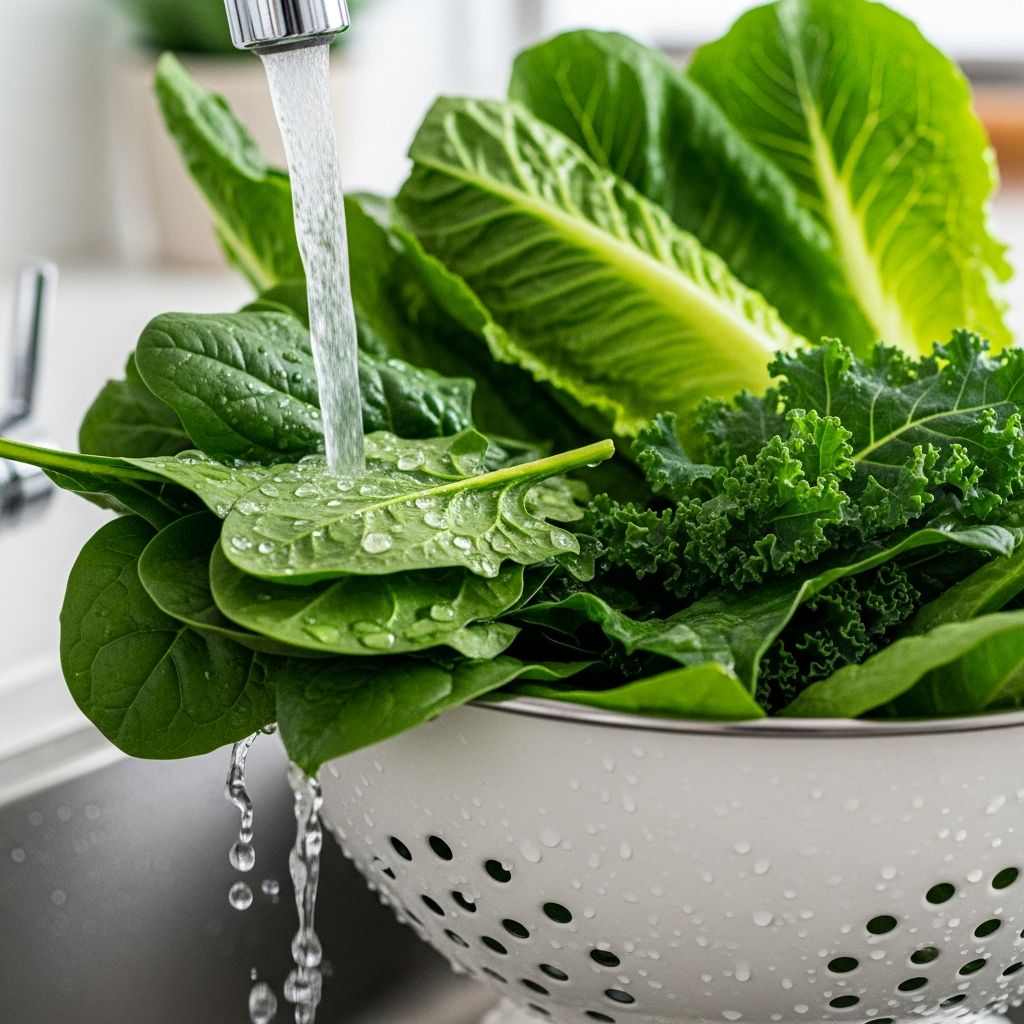
Leafy greens like lettuce, spinach, kale, and cabbage are nutritional powerhouses packed with vitamins, minerals, and fiber. However, they can harbor harmful bacteria such as E. coli, Salmonella, and Listeria, which cause thousands of foodborne illnesses annually. Proper washing is crucial to minimize risks while preserving freshness and crunch. This guide draws from authoritative sources like university extensions and government guidelines to provide evidence-based steps for safe handling.
Why Wash Leafy Greens?
Leafy greens grow close to the soil, making them prone to contamination from animal feces, irrigation water, or handling during harvest and transport. Outbreaks linked to greens, such as the 2018 E. coli romaine lettuce incident affecting over 200 people, underscore the importance of hygiene. Rinsing under running water removes dirt, pesticides, and up to 99% of surface bacteria, though it doesn’t eliminate all pathogens. Always cook greens if contamination is suspected, as heat kills bacteria more effectively than washing.
Health organizations emphasize that while no method guarantees sterility, consistent practices reduce illness risk by 50-70% according to studies from the FDA and USDA. Vulnerable groups—pregnant women, young children, elderly, and immunocompromised—should be extra cautious.
Do I Need to Wash All Leafy Greens?
Not always. Check packaging labels carefully:
- Pre-washed, triple-washed, or ready-to-eat: These undergo commercial sanitizing in cold facilities, often with chlorine washes. Washing at home can introduce sink bacteria, increasing risk. A USDA video confirms: no additional rinse needed.
- No label or bulk greens: Always wash heads of lettuce, bunches of kale, or unpackaged spinach.
- Organic or farmer’s market greens: Rinse thoroughly, as they may have higher soil residue.
Labels like “washed three times” indicate processing plants use inhibited bacteria growth through cold temps and sanitizers. Ignore myths; trust the label from reputable packagers.
How to Wash Leafy Greens: Step-by-Step
Follow these FDA- and extension-recommended steps for raw consumption. Preparation takes 5-10 minutes but prevents illness.
- Wash hands first: Scrub with soap and warm water for 20 seconds before and after. Dry with a clean towel.
- Clean surfaces: Use hot soapy water on sinks, counters, colanders, salad spinners. Rinse and dry.
- Inspect and prep: Discard outer leaves, torn, bruised, or wilted parts. For heads (lettuce, cabbage), remove core; for bunches (kale, collards), strip tough stems.
- Rinse under running water: Hold leaves under cool, clean tap water. Gently rub with hands for 30-60 seconds per leaf or bunch. For sturdy greens like collards, scrub veins.
- Dry thoroughly: Use paper towels, clean cloth, or salad spinner. Moisture promotes bacterial growth and wilting.
Pro Tip: Wash just before use to retain natural protective coating, extending shelf life up to a week.
Special Techniques for Different Greens
| Green Type | Prep Notes | Washing Method |
|---|---|---|
| Delicate (spinach, baby greens) | Don’t tear; handle gently | Swish in colander under faucet; spin dry |
| Heads (romaine, iceberg) | Remove core, separate leaves | Rinse each leaf individually |
| Hearty (kale, collards, chard) | Strip stems, chop after washing | Agitate under running water; check for grit |
| Bagged mixes | Check “triple-washed” label | Skip if labeled; otherwise, rinse lightly |
This table summarizes adaptations based on texture and common contaminants.
Should I Soak Leafy Greens?
No, avoid soaking. Submerging spreads germs from dirty leaves to clean ones via contaminated water. University studies show running water dislodges 98% of pathogens without cross-contamination. For sandy greens like collards, a brief (5-minute) cold water dip loosens dirt, followed by immediate rinsing—not prolonged soaking. Draining in a colander prevents pooling.
Related Stories



Produce Washes, Vinegar, Soap, or Bleach?
Stick to plain running water—it’s equally effective and safer. Here’s why alternatives fall short:
- Soap/detergent: Absorbed into porous leaves; unsafe and leaves residue. FDA prohibits.
- Commercial produce washes: University of Maine tests showed no better than water; some worse. Residues untested.
- Vinegar/lemon juice: No superior germ removal; alters taste. Fine for optional tenderizing but not primary cleaning.
- Bleach solutions: Dangerous; doesn’t penetrate surfaces effectively.
Avoid myths from social media; authoritative sources prioritize simplicity.
Storing Washed Leafy Greens
Proper storage maintains crispness and safety:
- Short-term (1-3 days): Layer dry leaves between paper towels in an airtight container or bag. Refrigerate at 32-40°F.
- Longer (up to 7 days): Use breathable produce bags; avoid cramming.
- Freezing: Blanch hearty greens first; puree delicate ones for smoothies.
Store away from ethylene producers like apples to prevent wilting. Consume within a week; discard if slimy or off-odor.
Common Myths and Food Safety Facts
Myth 1: Pre-washed means sterile. Fact: Processing reduces but doesn’t eliminate bacteria.
Myth 2: Organic greens are cleaner. Fact: Often dirtier due to no pesticides; wash rigorously.
Recall Alert: Check FDA site for outbreaks. During 2024 recalls, proper washing mitigated some risks.
Health Benefits Beyond Safety
Clean greens deliver folate, vitamin K, antioxidants. A cup of spinach provides 181% daily vitamin K. Safe prep ensures you reap benefits without illness.
Frequently Asked Questions (FAQs)
Q: Can I wash leafy greens ahead of time?
A: Yes, up to 2-3 days if dried thoroughly and stored properly, but best just before use to preserve coating.
Q: What if my greens feel gritty after rinsing?
A: Repeat rinse with rubbing; brief vinegar soak (5 min) for stubborn dirt, then rinse well.
Q: Is tap water safe for washing?
A: Yes, in the US; use filtered if concerned about contaminants.
Q: How do I clean a salad spinner?
A: Hot soapy water, rinse, air dry between uses.
Q: Are baby greens safer?
A: No; wash unless labeled pre-washed.
Final Tips for Safe Salads
Incorporate washing into routines: teach kids, use timers for handwashing. Pair with separation (raw meats away) and cooking temps. Safe greens mean healthier meals year-round.
References
- This Spring Think Healthy Greens — University of Wisconsin Extension Forest County. 2023-05-12. https://forest.extension.wisc.edu/2023/05/12/this-spring-think-healthy-greens/
- Keep Leafy Greens Safe On The Plate: Words On Washing — FruitsAndVeggies.org. N/A. https://fruitsandveggies.org/blog/keep-leafy-greens-safe-on-the-plate-words-on-washing/
- Cleaning Your Collard Greens: How to Wash, Cut, and Clean Greens — Sweet Tea and Thyme. N/A. https://www.sweetteaandthyme.com/cleaning-your-collard-greens-how-to-wash-cut-and-clean-greens/
- How to Properly Wash and Store Leafy Greens — Marler Clark (citing UnlockFood.ca). N/A. https://marlerclark.com/news_events/how-to-properly-wash-and-store-leafy-greens
- How to Wash Leafy Greens — University of Illinois Extension (YouTube). N/A. https://www.youtube.com/watch?v=9JEwid6UoOs
Similar Articles








Read full bio of Sneha Tete