Wasp Sting: Symptoms, Treatment, and When to Seek Help
Comprehensive guide to wasp stings: Learn symptoms, treatments, and emergency care.
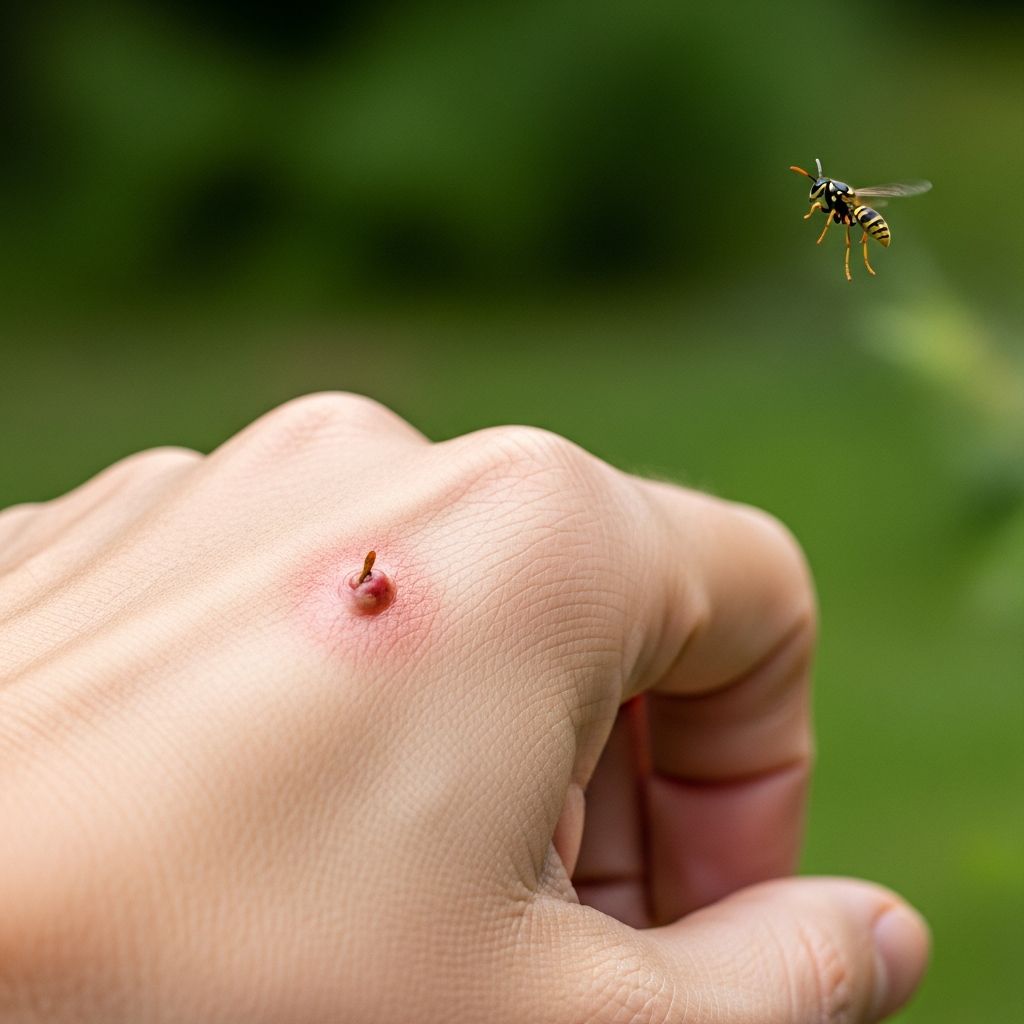
Understanding Wasp Stings
Wasp stings are a common occurrence, particularly during warmer months when people spend more time outdoors. While most wasp stings result in mild discomfort and resolve without complications, understanding what happens when a wasp stings and how to respond appropriately is essential for proper care and safety.
Wasps, like bees and hornets, are equipped with a stinger designed for self-defense. When a wasp stings, it injects venom—a toxic substance containing enzymes, amines, peptides, and other compounds—directly into the skin. Unlike bees, which can only sting once because their stinger becomes lodged in the skin, wasps retain their intact stingers and can sting multiple times during a single attack. This ability to sting repeatedly makes wasps particularly dangerous in situations where an individual is attacked by multiple insects.
The effects of a wasp sting depend largely on individual sensitivity, the number of stings received, and whether the person has a known allergy to insect venom. For most people without sting allergies, the reaction remains localized to the sting site and causes only minor discomfort. However, for those with allergies or who experience multiple stings, the consequences can be far more serious.
Common Symptoms of a Wasp Sting
The symptoms of a wasp sting typically develop immediately or within minutes of being stung. Most people without sting allergies experience only minor symptoms that are uncomfortable but manageable.
Immediate Sensations
When first stung, individuals typically experience:
- Sharp, sudden pain at the sting site
- Burning sensation around the area where the stinger penetrated
- Mild to moderate swelling
- Redness or discoloration of the skin
- Itching that may intensify over the first few hours
Normal Local Reactions
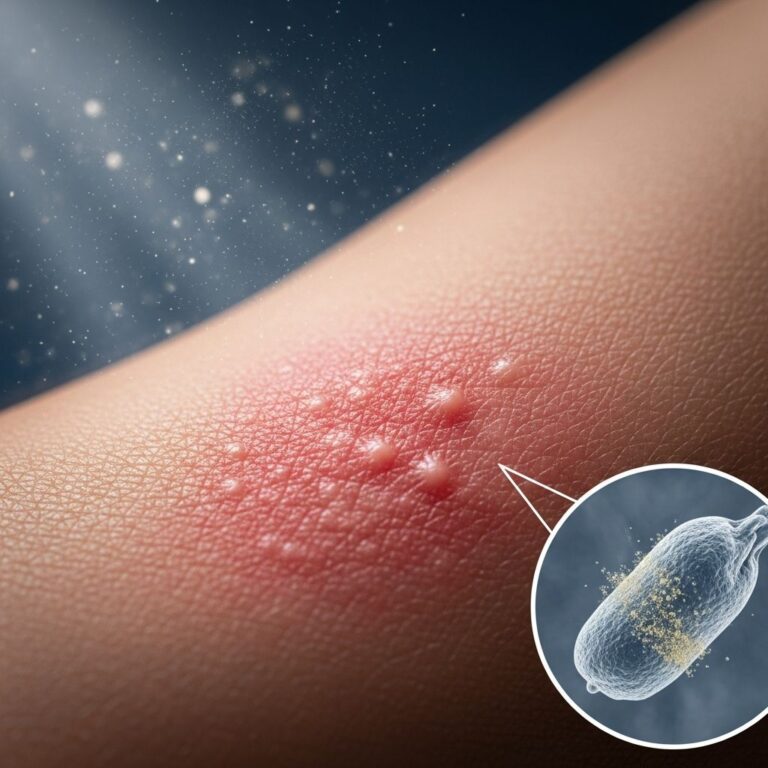
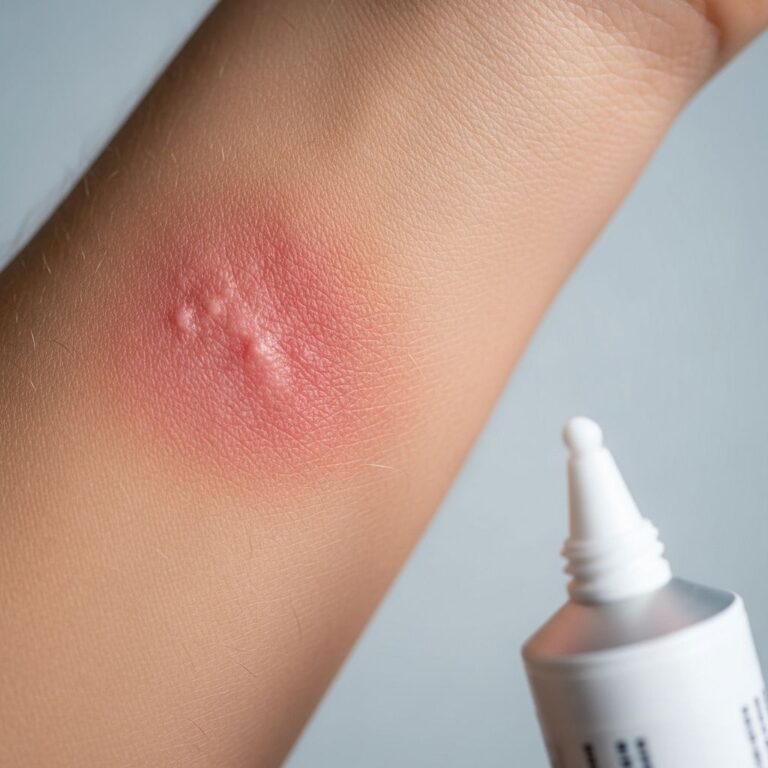
A normal local reaction to a wasp sting typically results in a raised welt around the sting site. A small, discolored mark may be visible in the center of the welt marking where the stinger punctured the skin. For most people, the pain and swelling subside within one to two hours of being stung. The itching may persist slightly longer but generally resolves within a few hours without requiring medical intervention.
Large Local Reactions
Some individuals experience what medical professionals term “large local reactions” to wasp stings. These reactions are more pronounced than typical local reactions but do not progress to life-threatening symptoms like anaphylactic shock. People with large local reactions may have an allergy to wasp stings, though they typically do not experience severe systemic complications.
Characteristics of large local reactions include:
- Extreme discoloration extending beyond the immediate sting area
- Significant swelling that increases for two to three days after the sting
- Nausea and vomiting
- General malaise or discomfort
Large local reactions usually subside on their own over approximately one week, though the recovery period may feel uncomfortable during this time.
Related Stories



Severe Allergic Reactions to Wasp Stings
While most wasp stings are minor annoyances, some individuals experience severe allergic reactions that require immediate medical attention. These reactions, known as anaphylaxis, are immune-mediated responses that develop more commonly in people who have been exposed to wasp venom previously, those with known insect allergies, and individuals with a history of atopy (a genetic predisposition to allergic reactions).
Symptoms of severe allergic reactions to wasp stings include:
- Severe swelling of the face, lips, or throat
- Hives or itching in areas of the body not affected by the sting
- Breathing difficulties such as wheezing or gasping
- Dizziness or vertigo
- Sudden drop in blood pressure
- Lightheadedness or confusion
- Loss of consciousness
- Diarrhea
- Stomach cramps or abdominal pain
- Weak or racing pulse
Research indicates that up to 0.8 percent of children and 3 percent of adults have insect sting allergies, making severe reactions relatively uncommon but important to recognize quickly. Anaphylaxis is an IgE-mediated immediate hypersensitivity reaction characterized by mast cell degranulation, resulting in generalized vasodilation and organ hypoperfusion, which can be life-threatening if not treated promptly.
How to Treat a Wasp Sting at Home
First Aid for Mild to Moderate Reactions
Most wasp stings can be effectively treated at home using simple first aid measures. If you have been stung and are not experiencing signs of a severe allergic reaction, follow these steps:
- Wash the sting area thoroughly with soap and water to remove as much venom as possible. This simple step helps reduce the amount of toxins remaining in the skin and can minimize symptoms.
- Apply a cold pack to the wound site for 10 to 20 minutes to reduce swelling and numb the pain. Cold temperatures constrict blood vessels and decrease the inflammatory response.
- Keep the wound clean and dry to prevent infection. Avoid scratching the area, which can introduce bacteria and prolong healing.
- Cover with a bandage if desired, particularly if the area is in a location prone to friction or dirt exposure.
Over-the-counter pain relievers and antihistamines may help manage discomfort and itching. Topical corticosteroid creams can also be applied to reduce inflammation and itching at the sting site.
What Not to Do
Avoid scratching the sting site, even though itching can be intense. Scratching breaks the skin barrier, increases infection risk, and can prolong the healing process. Additionally, do not attempt to squeeze or apply pressure to extract a stinger, as wasps do not leave stingers behind unlike bees.
When to Seek Medical Attention
Severe Allergic Reactions Require Immediate Emergency Care
If you experience symptoms of a severe allergic reaction after a wasp sting, seek emergency medical care immediately. If you have an EpiPen (epinephrine auto-injector) and a known history of wasp allergies, administer it as soon as symptoms begin or as soon as you are stung if you have a documented severe allergy. After using an EpiPen, call 911 immediately, as you will still need professional medical evaluation and observation in an emergency department.
Signs that warrant emergency care include difficulty breathing, severe swelling of the airway or face, loss of consciousness, severe dizziness, and signs of anaphylaxis. Do not delay seeking help if you suspect a serious reaction is developing.
When to Contact a Healthcare Provider
Contact your healthcare provider if large local reactions develop that seem unusually severe, if you experience multiple wasp stings that cause extensive systemic symptoms, or if you have questions about whether your symptoms warrant evaluation. Your provider can assess whether you need allergy testing or prescription of an EpiPen for future protection.
Wasp Stings During Pregnancy
Wasp stings can occur at any life stage, including during pregnancy. Unless you have a known venom allergy or have experienced large local reactions in the past, wasp stings pose minimal concern to you or your developing baby during pregnancy.
If you are stung while pregnant, follow the same treatment measures as anyone who is not pregnant. However, avoid antihistamines containing decongestant ingredients, as some decongestants may not be safe during pregnancy. Consult your healthcare provider about which pain relievers and antihistamines are safe for you to use during your specific trimester.
While wasp stings alone will not harm an unborn baby, a severe allergic reaction can compromise oxygen delivery and blood flow to the fetus. If you are experiencing anaphylaxis during pregnancy, it is critical to use an EpiPen immediately and call 911 for emergency medical care.
Comparing Wasp Stings to Bee Stings
Wasp and bee stings can produce similar symptoms, but the insects behave differently during attacks, which has implications for treatment.
| Characteristic | Wasp Sting | Bee Sting | |||
|---|---|---|---|---|---|
| Number of stings possible | Multiple stings in one attack | Single sting (stinger lodges in skin) | Stinger left behind | No; stinger remains intact | Yes; stinger becomes lodged |
| Home treatment | Wash, ice, monitor for reactions | Remove stinger first, then treat | |||
| Allergy considerations | 3% of adults allergic | Varies; similar allergy rates |
The key difference is that because wasps do not leave their stingers behind, they can attack repeatedly, potentially delivering multiple doses of venom in a single encounter. This is why wasp attacks can sometimes result in more serious reactions than single bee stings.
Frequently Asked Questions About Wasp Stings
Q: How long does a wasp sting last?
A: For most people, symptoms from a wasp sting typically last one to two hours. However, in some cases, particularly with large local reactions, pain and swelling may persist for several days before fully resolving.
Q: Do wasps leave stingers in you?
A: No, unlike bees, wasps do not leave stingers in your skin. Their stingers remain intact, allowing them to sting multiple times without consequence.
Q: Can I develop an allergy to wasp stings if I’ve been stung before?
A: Yes, allergic reactions can develop after previous exposure to wasp venom. People who have been stung before sometimes develop allergies upon subsequent stings, which is why anaphylaxis is more common in those with prior wasp sting exposure.
Q: What should I do if I’m stung by multiple wasps?
A: Multiple wasp stings deliver greater amounts of venom and significantly increase the risk of systemic reactions. Wash the area thoroughly, apply ice, and monitor carefully for signs of allergic reaction. Seek medical attention if you develop symptoms beyond localized pain and swelling.
Q: Is it safe to use insect repellent while pregnant?
A: Most insect repellents are considered safe during pregnancy when used as directed. However, discuss specific products with your healthcare provider to ensure they are appropriate for your situation.
Prevention and Risk Reduction
While you cannot always avoid wasps, certain measures can reduce your risk of being stung. Avoid wearing bright colors or floral patterns that attract wasps, as they may mistake you for flowers. Do not wear perfumes or scented lotions that can attract insects. Keep food and beverages covered when eating outdoors, as wasps are drawn to sweet foods and drinks. Remain calm and still if a wasp approaches, as sudden movements or swatting may provoke an attack.
If you have a documented severe allergy to wasp stings, carry an EpiPen at all times during warm months when wasp activity is highest, and consider wearing a medical alert bracelet identifying your allergy.
References
- Clinical manifestations of wasp stings: a case report and a review of the literature — National Center for Biotechnology Information (NCBI). 2022. https://pmc.ncbi.nlm.nih.gov/articles/PMC9615201/
- Wasp Sting: Reaction Symptoms, Treatments, and Remedies — Healthline Media. 2024. https://www.healthline.com/health/wasp-sting
- Wasp sting — MedlinePlus Medical Encyclopedia, U.S. National Library of Medicine. 2024. https://medlineplus.gov/ency/article/002857.htm
Similar Articles








Read full bio of Sneha Tete