Wasp Sting Treatment: Guide To Symptoms, Care, And Doctor Visits
Expert guide to identifying, treating, and preventing wasp stings, from mild reactions to severe anaphylaxis.
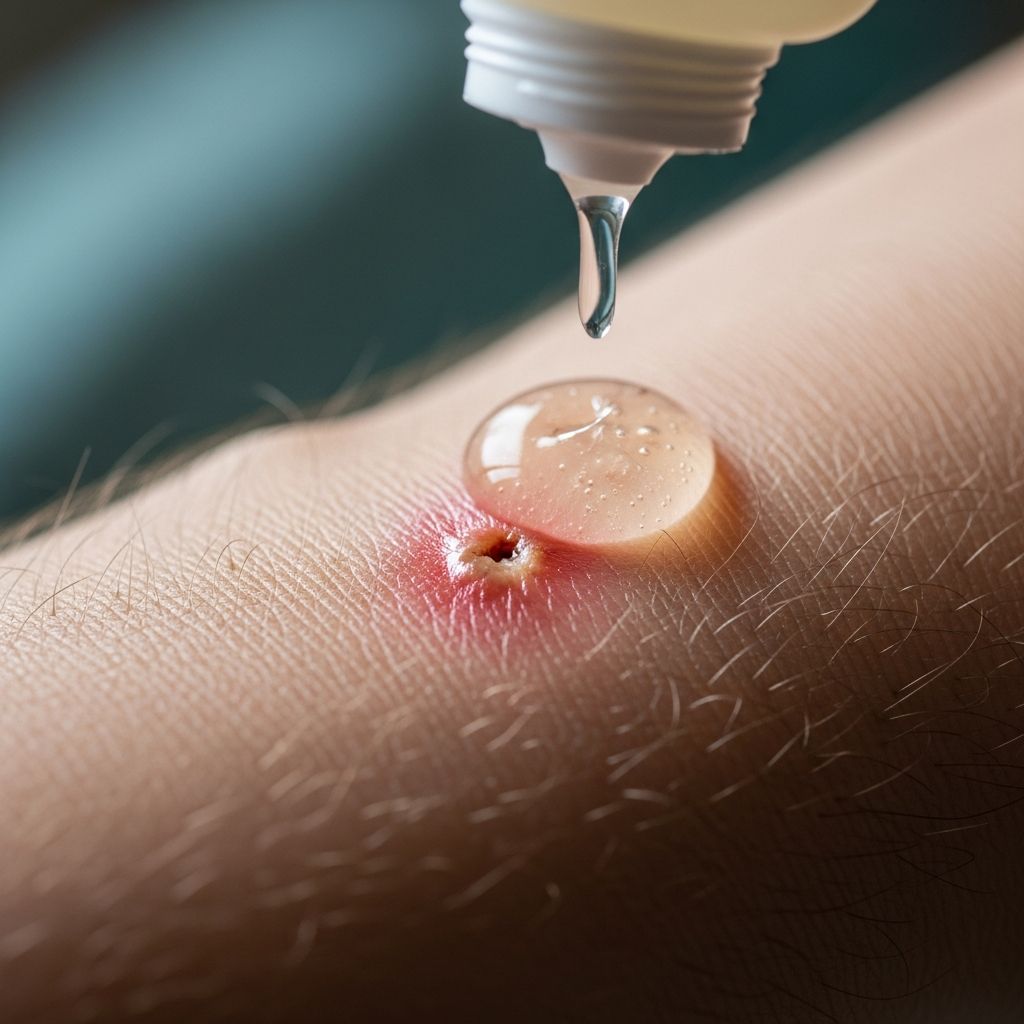
Wasp stings deliver venom that typically causes localized pain, swelling, and redness, but can trigger severe allergic reactions in sensitive individuals. Prompt treatment reduces discomfort and prevents complications like anaphylaxis.
What Does a Wasp Sting Feel Like?
A wasp sting often feels like a sharp, burning pain at the site, followed by itching and swelling that peaks within hours. Unlike bees, wasps can sting multiple times without losing their stinger, potentially worsening symptoms with repeated venom injection. The Schmidt Sting Pain Index rates paper wasp stings at 2 to 3 out of 4, describing the sensation as “caustic and burning” similar to spilling acid on bare skin.
Initial symptoms include a small red mark and intense pain that may throb. Swelling can extend beyond the sting site, sometimes forming a welt up to several inches wide. Mild reactions resolve in a few hours to days, but monitoring for worsening signs is crucial.
Wasp Sting Symptoms
Symptoms vary by reaction severity. Most people experience
normal local reactions
: pain, redness, swelling, and itching at the site, lasting 1-2 days.- Pain: Sharp, burning sensation lasting minutes to hours.
- Swelling and redness: Forms a raised bump; elevate if on limbs.
- Itching: Develops as swelling subsides; avoid scratching to prevent infection.
Large local reactions involve excessive swelling (>10 cm), possibly with warmth and lymph node tenderness, but no systemic involvement. These affect about 10% of stings and resolve in 5-10 days with treatment.
Symptoms of an Allergic Reaction to a Wasp Sting
Allergic reactions range from moderate to life-threatening anaphylaxis. Moderate signs include hives, widespread itching, nausea, or dizziness beyond the sting site.
- Skin: Hives, flushing, widespread rash.
- Respiratory: Wheezing, throat tightness, difficulty breathing.
- Gastrointestinal: Vomiting, abdominal cramps, diarrhea.
- Cardiovascular: Rapid heartbeat, low blood pressure, fainting.
Severe anaphylaxis (grade III-IV) demands immediate epinephrine; symptoms progress rapidly to airway obstruction or shock. Risk factors include prior stings, atopy, or age under 20.
How to Treat a Wasp Sting
Treatment starts with first aid to neutralize venom and reduce inflammation. Wasps rarely leave stingers, but check and remove if present using a credit card edge to avoid squeezing venom sacs.
Home Treatment for Mild Reactions
- Clean the area: Wash with soap and water to remove venom residue and prevent infection.
- Cool the site: Apply ice pack wrapped in cloth for 10-20 minutes, repeating as needed to minimize swelling.
- Elevate: Raise affected limb above heart level.
- Relieve symptoms: Use OTC antihistamines (diphenhhydramine), hydrocortisone cream, or pain relievers like ibuprofen.
For larger reactions, oral corticosteroids (0.5-1 mg/kg prednisolone equivalent) tapered over 3-5 days may be needed.
Treatment for Large Local Reactions
These require potent topical glucocorticoids, H1-blockers, and possibly systemic steroids. In head/neck areas, monitor for airway issues.
| Reaction Type | Treatment | Duration |
|---|---|---|
| Mild Local | Soap/water, ice, antihistamine | 1-2 days |
| Large Local | Topical steroid, oral steroid, H1-blocker | 3-10 days |
| Anaphylaxis | Epinephrine, CPR if needed, hospital care | Immediate |
When to See a Doctor for a Wasp Sting
Seek immediate care for systemic symptoms, difficulty breathing, swelling of face/lips/tongue, dizziness, or rapid pulse. Call emergency services for anaphylaxis signs. Children, elderly, or those with multiple stings need prompt evaluation. If symptoms persist beyond 48 hours or worsen, consult a physician.
Related Stories



Treatment for Severe Allergic Reactions
Anaphylaxis protocol: Call for help, administer epinephrine (0.3-0.5 mg IM for adults), place in shock position, establish IV access. Follow with antihistamines, corticosteroids, bronchodilators, and oxygen. Additional epinephrine doses may be required every 5-15 minutes.
Hospital monitoring ensures no biphasic reactions (recurrence in 1-20% of cases). Serum sickness (delayed reaction 7-14 days post-sting) involves fever, rash, and arthralgias, treated with steroids.
Home Remedies for Wasp Stings
Supportive remedies include:
- Baking soda paste: Mix with water; apply to neutralize venom.
- Colloidal oatmeal bath: Soothes itching skin.
- Aloe vera: Cools and reduces inflammation.
- Vinegar: May alleviate pain for some.
Avoid unproven remedies like urine, which risk infection. Always prioritize evidence-based care.
Preventing Wasp Stings
Minimize encounters by wearing light colors, avoiding perfumes, and covering skin outdoors. Do not swat wasps; gently brush away. Seal trash, cover food at picnics, and remove nests professionally.
- Avoid flowering plants and ripe fruit.
- Use screened areas for eating.
- Check drinks for wasps before sipping.
Venom Immunotherapy for Wasp Sting Allergies
For those with systemic reactions, venom-specific immunotherapy (SIT) is first-line, achieving 75-95% protection with 100 µg maintenance dose. Involves gradual venom exposure over weeks (outpatient) or days (inpatient rush protocol). Long-term: 3-5 years, with lifelong epinephrine carry.
Candidates: History of anaphylaxis grades II-IV. Testing confirms IgE sensitivity.
Wasp Sting vs. Bee Sting
| Aspect | Wasp Sting | Bee Sting |
|---|---|---|
| Stinger | Smooth, can sting repeatedly | Barbed, lodges in skin |
| Pain | Burning, 2-3 on Schmidt Index | Throbbing, 2 on Schmidt Index |
| Treatment Difference | No stinger removal usually | Scrape out stinger promptly |
| Multiple Stings | Common | Rare (one per bee) |
Both venoms cause similar reactions; allergies cross-react partially.
Multiple Wasp Stings
Over 50 stings risk systemic intoxication: hemolysis, rhabdomyolysis, kidney failure. Treat supportively with fluids, monitor vitals. Fatalities rare but possible in vulnerable groups.
Frequently Asked Questions (FAQs)
Do you remove a wasp stinger?
Wasps rarely leave stingers; if visible, scrape gently with a card edge, avoiding squeezing the venom sac.
How long does a wasp sting last?
Mild reactions: 1-2 days; large local: up to 10 days.
Can you have a delayed reaction to a wasp sting?
Yes, biphasic anaphylaxis (up to 72 hours) or serum sickness (7-14 days) possible.
Are wasp stings dangerous?
Usually not, but anaphylaxis occurs in 0.8-3% of adults; carry epinephrine if allergic.
What should you not do for a wasp sting?
Avoid scratching, alcohol (increases swelling), and tight clothing on the site.
This comprehensive guide equips you to handle wasp stings effectively. Consult healthcare providers for personalized advice.
References
- Insect Stings: Clinical Features and Management — Müller UR. Deutsches Ärzteblatt International. 2012-05-11. https://pmc.ncbi.nlm.nih.gov/articles/PMC3334720/
- Wasp Sting: Reaction Symptoms, Treatments, and Remedies — Healthline. 2023-08-28. https://www.healthline.com/health/wasp-sting
- Paper Wasp Sting Reaction and Treatment — Cleveland Clinic. 2023-10-27. https://my.clevelandclinic.org/health/diseases/paper-wasp-sting
- Wasp sting — MedlinePlus. 2023-07-01. https://medlineplus.gov/ency/article/002857.htm
Similar Articles








Read full bio of medha deb