Water Chestnuts Benefits: 9 Science-Backed Health Advantages
Discover the impressive health benefits of water chestnuts, from heart health to digestion and weight management.
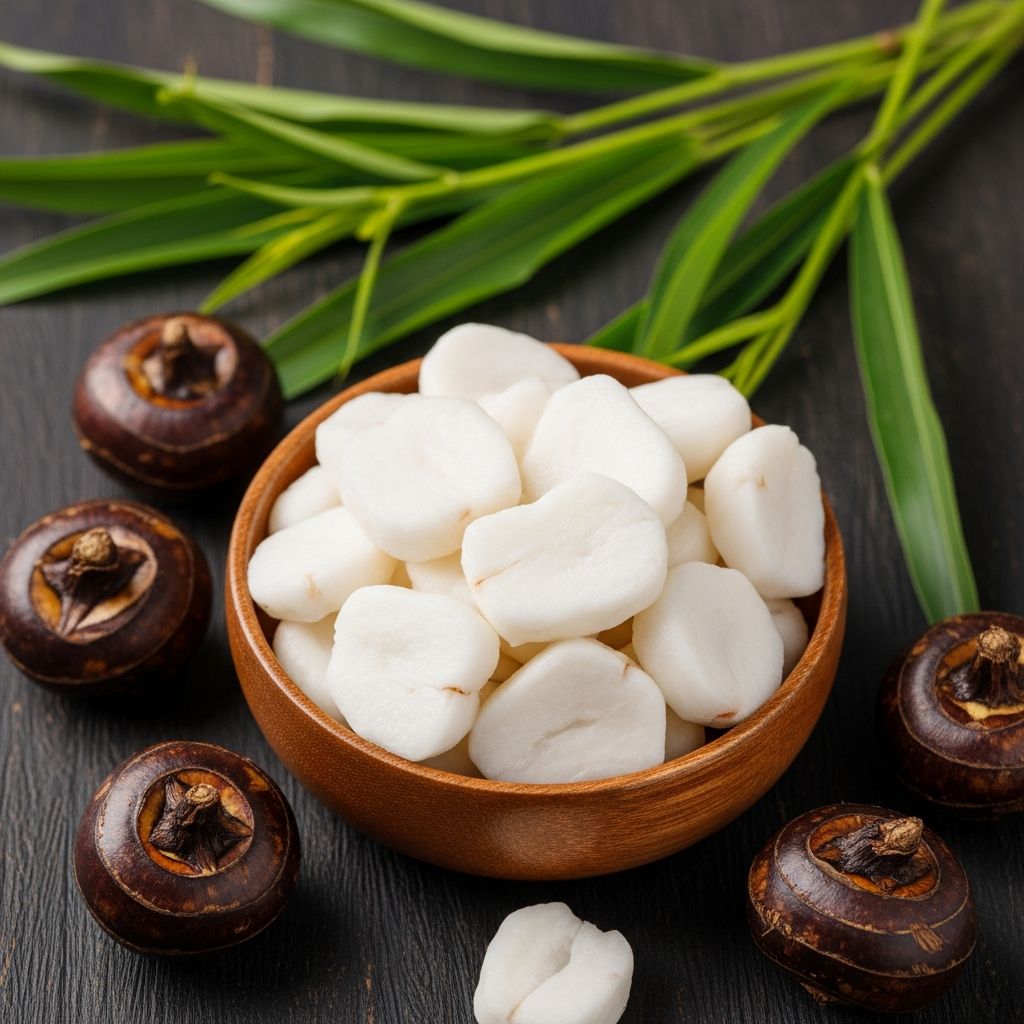
Water chestnuts, also known as singhara or water caltrops, are aquatic tubers with a crisp texture and mild, sweet flavor. Native to Southeast Asia, Africa, Australia, and Pacific islands, they thrive in marshy waters and are staples in Asian cuisine, often used in stir-fries, salads, and soups. Despite their chestnut-like appearance, they are not nuts but starchy vegetables rich in nutrients. This article explores their impressive health benefits, nutritional profile, culinary uses, and more, backed by scientific insights.
What Are Water Chestnuts?
Water chestnuts (Eleocharis dulcis) grow underwater on floating plants, harvested for their round, brown-skinned corms. Fresh ones have white, crunchy flesh that retains crispness even when cooked, unlike most vegetables. Canned versions are peeled and packed in water, convenient but slightly less firm. They provide hydration due to 74% water content and offer unique nutritional advantages. Traditional uses in Chinese and Indian medicine include treating hypertension, constipation, and kidney issues.
Water Chestnut Nutrition Facts
Water chestnuts are low-calorie, nutrient-dense foods. A 100g serving of raw water chestnuts (about 3-4 pieces) contains approximately 35-50 calories, primarily from carbohydrates, with no fat and high water content. They excel in fiber, vitamins, and minerals.
| Nutrient | Amount per 100g (Raw) | % Daily Value* |
|---|---|---|
| Calories | 35 kcal | 2% |
| Carbohydrates | 9g | 3% |
| Dietary Fiber | 3g | 11% |
| Protein | 0.6g | 1% |
| Potassium | 584mg | 12% |
| Vitamin B6 | 0.3mg | 18% |
| Riboflavin (B2) | 0.2mg | 15% |
| Manganese | 0.3mg | 13% |
| Copper | 0.5mg | 56% |
| *Based on a 2,000-calorie diet. Sources: USDA data via WebMD and Healthline. | ||
Key nutrients include vitamin B6 for metabolism, riboflavin for energy production, potassium for blood pressure regulation, manganese and copper as antioxidants. They also provide vitamins C and E, phosphorus, magnesium, and zinc.
Health Benefits of Water Chestnuts
Water chestnuts deliver multiple evidence-based benefits due to their fiber, potassium, and antioxidant profile.
1. Promote Heart Health
High potassium (584mg per 100g) helps counteract sodium, lowering blood pressure. Studies link potassium-rich diets to 21-24% reduced stroke risk and lower heart disease incidence. Fiber aids cholesterol management, supporting cardiovascular health.
2. Rich in Antioxidants
Antioxidants like ferulic acid, catechin gallate, epicatechin gallate, fisetin, luteolin, and tectorigenin neutralize free radicals, reducing oxidative stress linked to cancer, diabetes, and heart disease. Peels are richest, but flesh contributes significantly. These combat inflammation, potentially easing arthritis. With 3g fiber per 100g, they promote regular bowel movements, soften stools, and foster gut bacteria. Ideal for constipation relief and overall digestion. Low calories (35kcal/100g) and high fiber create fullness without excess energy. Low glycemic index supports blood sugar stability, beneficial for weight management and diabetes. Suitable for IBS, as they are low in fermentable carbs that trigger bloating. Antioxidants may slow tumor growth by limiting malignant cell development. Potassium, zinc, B vitamins, and vitamin E nourish hair follicles and skin. Topical extracts show antioxidative skin benefits. High water content (74%) with electrolytes like potassium aids hydration, ideal for athletes or hot climates. Naturally gluten-free for celiac disease; low GI flour helps type 2 diabetes management. Generally safe, but raw consumption may cause stomach upset due to diuretic effects. Canned varieties have added sodium; opt for low-sodium. Allergies are rare but possible. Overconsumption might lead to bloating from fiber. Pregnant individuals should consult doctors for traditional uses. Pesticide residues on fresh ones warrant thorough washing. Store fresh in fridge up to 2 weeks; canned up to a year unopened. Ingredients (Serves 4): 1 can (8oz) water chestnuts, 12 bacon slices, 1/4 cup brown sugar, 2 tbsp soy sauce, 1 tsp ginger. Ingredients (Serves 4): 1lb chicken breast (sliced), 1 can water chestnuts (drained), 2 cups broccoli, 2 tbsp hoisin, garlic, ginger. Blend flour with eggs, milk for low-GI pancakes ideal for diabetics. Yes, they provide fiber, potassium, antioxidants for heart health, digestion, and weight loss. Moderate carbs (9g/100g), but high fiber nets lower effective carbs; keto-friendly in moderation. Yes, fresh ones are crisp and safe raw in salads; wash well. Rarely, as low FODMAP; high fiber may initially cause mild bloating. Yes, but choose low-sodium to maximize benefits. Water chestnuts are aquatic veggies; true chestnuts are tree nuts, higher fat/calories.3. Support Digestive Health
4. Aid Weight Loss and Satiety
5. Low FODMAP for Gut Sensitivity
6. Potential Anticancer Properties
7. Improve Hair and Skin Health
8. Hydration and Electrolyte Balance
9. Gluten-Free and Diabetes-Friendly
Potential Downsides of Water Chestnuts
How to Use Water Chestnuts
Water Chestnut Recipes
Bacon-Wrapped Water Chestnuts
Instructions: 1. Drain chestnuts, marinate in soy and ginger 30min. 2. Wrap each in 1/3 bacon slice, secure with toothpick. 3. Roll in sugar, bake 375°F for 25-30min until crispy. 220 calories/serving.Stir-Fried Water Chestnuts with Chicken
Instructions: 1. Stir-fry chicken 5min. 2. Add veggies, chestnuts, sauces; cook 5min. Serve over rice. 280 calories/serving.Water Chestnut Flour Pancakes (Gluten-Free)
Frequently Asked Questions (FAQs)
Are water chestnuts good for you?
Are water chestnuts low-carb?
Can you eat water chestnuts raw?
Do water chestnuts cause gas?
Are canned water chestnuts healthy?
Water chestnuts vs. chestnuts: What’s the difference?
References
Similar Articles








Read full bio of medha deb