Waterpik vs. Floss: Which Is Better for Your Teeth?
Compare Waterpiks and traditional floss to discover which oral care tool works best for your unique dental needs.
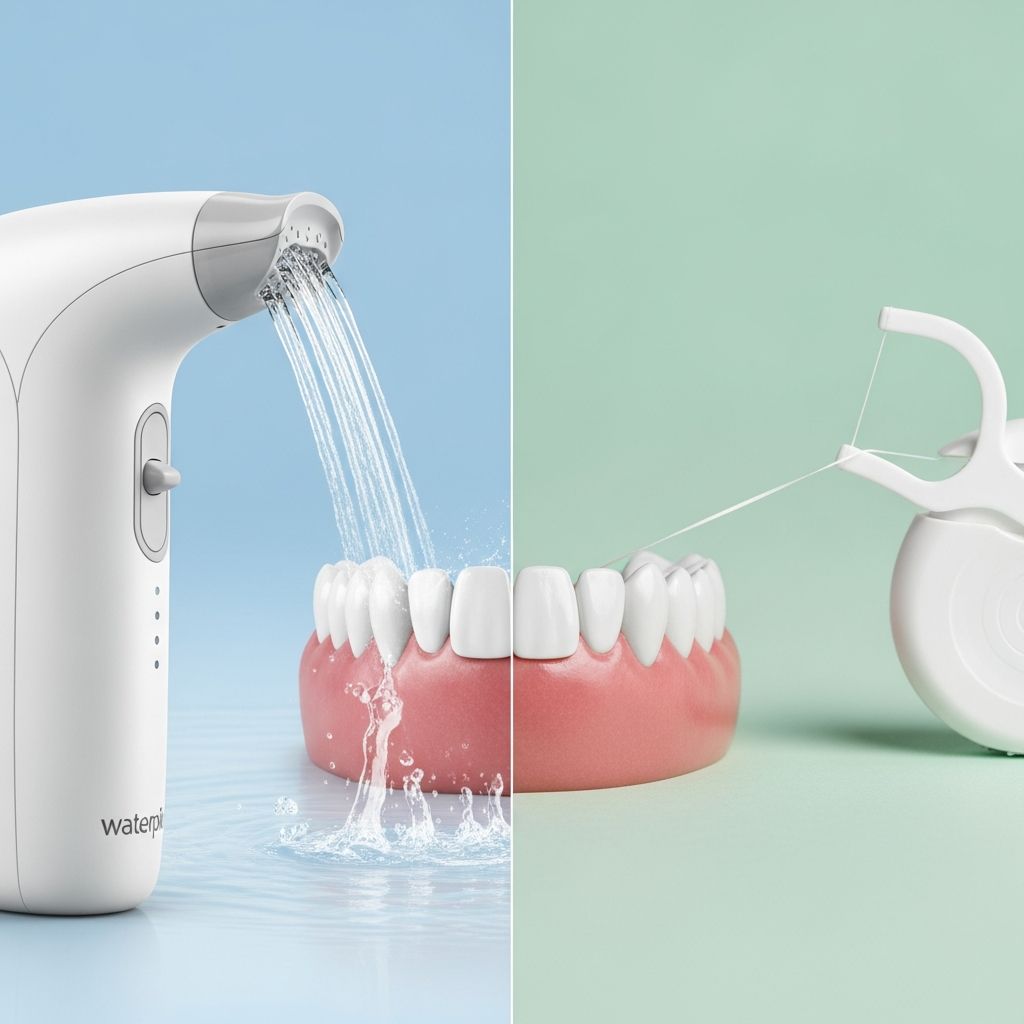
When it comes to maintaining optimal oral hygiene, choosing the right interdental cleaning tool is crucial. Two of the most popular options are water flossers (commonly known as Waterpiks) and traditional dental floss. Both tools aim to clean between your teeth and below the gumline, but they work in fundamentally different ways. Understanding the advantages and disadvantages of each can help you make an informed decision about which method—or combination of methods—best suits your dental health needs.
What Is a Waterpik?
A Waterpik, also known as a water flosser or oral irrigator, is an electronic device that uses a stream of pulsating water to clean between teeth and along the gumline. The device consists of a reservoir that holds water, a motor that creates the pulsating action, and a handheld tip that directs the water stream into your mouth. Users can typically adjust the water pressure to their comfort level, making it customizable for different sensitivity levels.
Water flossers have become increasingly popular in recent years due to their ease of use and innovative approach to interdental cleaning. They are particularly appealing to individuals who struggle with traditional flossing techniques or have limited dexterity.
Pros of Using a Waterpik
- Gentle on gums: Waterpiks are excellent for individuals with sensitive gums or existing gum disease, as the water stream is less likely to cause irritation compared to aggressive flossing techniques
- Easy to use: Particularly beneficial for patients with arthritis, limited dexterity, or other mobility challenges
- Effective around dental work: Ideal for cleaning around braces, bridges, implants, crowns, and other orthodontic appliances
- Reduces gum inflammation: Clinical studies demonstrate reduced gingival bleeding and improved gum health
- Encourages consistency: Many people find water flossers more enjoyable to use, leading to better adherence to daily oral care routines
- Effective for hard-to-reach areas: Particularly useful for accessing tightly spaced teeth and periodontal pockets caused by early gum disease
Cons of Using a Waterpik
- Less effective at plaque removal: Waterpiks may not remove plaque as completely as traditional floss, particularly when it comes to physically scraping plaque from tooth surfaces
- Higher cost: Initial investment ranges from $40 to $100 or more, making it more expensive than traditional floss
- Requires power source: Waterpiks need either electricity or batteries to operate, making them less portable than floss
- Messier application: The water stream can splash, making the device less convenient for travel or quick cleanings
- Learning curve: Users may need time to find the optimal water temperature and pressure settings for comfort
What Is Traditional Dental Floss?
Traditional dental floss is a thin strand of material, typically made from nylon or plastic, that is used to manually clean between teeth. Users guide the floss between teeth and gently scrape it along the tooth surfaces and below the gumline in an up-and-down motion. This manual approach has been a cornerstone of dental hygiene for decades and remains the standard recommendation from dental professionals worldwide.
Benefits of Traditional Flossing
- Highly effective at plaque removal: Floss excels at physically scraping away plaque, especially when used correctly
- Inexpensive and accessible: Dental floss is affordable and readily available at virtually any pharmacy or grocery store
- Portable and convenient: Floss is compact and can be used anywhere without requiring electricity or water
- Provides tactile feedback: Users can feel the plaque being removed, allowing for greater control and awareness
- Maximum control: Manual flossing allows you to carefully wipe each tooth and maneuver the floss precisely between teeth
Related Stories



Challenges with Traditional Flossing
- Requires good technique: Flossing effectiveness depends heavily on proper technique, which many people don’t master
- Difficult for certain dental situations: Can be challenging for people with braces, implants, or limited dexterity
- Potential for gum irritation: Aggressive or improper flossing may cause gum bleeding or irritation
- Difficulty reaching tight spaces: Some people struggle to get floss between very close teeth
- Often skipped: Many people find traditional flossing inconvenient and skip it regularly
Scientific Comparison: What Does Research Show?
Numerous clinical studies have compared the effectiveness of Waterpiks and traditional floss in reducing plaque and gingivitis. However, the research results present a nuanced picture with some conflicting findings.
A study published in the Journal of Clinical Dentistry found that Waterpik users experienced 29% less plaque and 53% less gingival bleeding compared to those using traditional floss. Another comprehensive analysis suggested that water flossers removed approximately 74.4% of whole mouth plaque compared to 57.7% with dental floss.
However, other research indicates that traditional floss may be slightly superior at physically scraping away plaque, especially when done correctly. The American Dental Association acknowledges that approved water flossers can effectively remove plaque and reduce gingivitis risk, but most dental professionals still consider traditional floss the most effective interdental cleaning tool.
In terms of gum health specifically, research demonstrates that Waterpiks are particularly effective at reducing symptoms of gingivitis and gingival bleeding. This makes them especially valuable for individuals with existing gum disease or inflammation. The rinsing action of water flossers is excellent for removing debris and bacteria that contribute to gum inflammation.
Effectiveness Comparison Table
| Factor | Waterpik | Traditional Floss |
|---|---|---|
| Plaque Removal | Good (some studies show higher removal rates) | Excellent (superior mechanical scraping) |
| Gingival Bleeding Reduction | Excellent (53% reduction in studies) | Moderate |
| Ease of Use | Very Easy | Requires Technique |
| Cost | $40-$100+ initial investment | Very Inexpensive |
| Portability | Requires Power Source | Highly Portable |
| Best For Braces/Implants | Excellent | Challenging |
Which Is Better: Waterpik or Floss?
The answer depends on your individual dental needs, lifestyle, and preferences. Research shows there is minimal difference in overall plaque removal effectiveness between the two methods when both are used correctly. However, each tool has distinct advantages.
Floss is superior for: Individuals with healthy gums and no special dental appliances who want a budget-friendly option and prefer a more hands-on approach to oral care. Floss excels at the mechanical removal of stubborn plaque and provides tactile feedback about cleaning effectiveness.
Waterpiks are superior for: People with braces, bridges, implants, or other dental work; those with sensitive gums or gum disease; and individuals who struggle with traditional flossing due to dexterity issues. The gentle water stream and ease of use make them ideal for these populations.
The Power of Combining Both Methods
Rather than choosing one method exclusively, many dental professionals recommend using both tools together for maximum effectiveness. This dual approach targets different aspects of oral hygiene simultaneously.
Recommended combination approach:
- Start with traditional floss to physically dislodge and remove stubborn plaque and food particles
- Follow up with a Waterpik to rinse away debris and bacteria left behind
- This sequence maximizes cleaning efficiency and promotes healthier gums and teeth
You can also alternate these methods throughout the day, using floss in the evening and a Waterpik in the morning, or vice versa. This combination approach is especially beneficial for individuals with periodontal issues or those with orthodontic devices.
Who Should Use a Waterpik?
A Waterpik may be the better choice if you have:
- Braces, bridges, crowns, or dental implants
- Sensitive gums or existing gum disease
- Limited dexterity or mobility challenges, such as arthritis
- Periodontal pockets from early gum disease
- Tightly spaced teeth that are difficult to access with traditional floss
- A preference for a tool that feels easier or more enjoyable to use
Who Should Stick to Traditional Floss?
Traditional floss remains the optimal choice for individuals who:
- Have healthy gums and no special dental appliances
- Want a budget-friendly, inexpensive option
- Prefer a hands-on approach with maximum control
- Value portability and the ability to floss anywhere
- Can properly master flossing technique
Tips for Proper Use
How to floss correctly: Guide the floss gently between teeth, curve it around the base of each tooth, and use an up-and-down motion to scrape away plaque. Be careful not to snap the floss forcefully into your gums, which can cause bleeding and irritation. It’s important to rinse your mouth after flossing to remove plaque and residue that has been scraped free.
How to use a Waterpik correctly: Fill the reservoir with warm water, select a comfortable pressure setting, and direct the water stream at a 90-degree angle to your gumline. Use a sweeping motion to clean along the gumline and between teeth. Start with a lower pressure setting if you have sensitive gums, and gradually increase as you become comfortable with the device.
The Bottom Line
The best dental hygiene method is ultimately one you’ll stick to consistently and enjoy using daily. Research has shown that there’s minimal difference in plaque removal between using floss versus a Waterpik when both are used properly.
Your dentist can provide personalized recommendations based on your unique oral health needs, dental history, and any special circumstances such as orthodontic devices or gum disease. Many dental professionals suggest that combining both methods provides the most comprehensive interdental cleaning. Remember that both flossing and Waterpik use should be complemented with brushing twice daily for two minutes and regular dental checkups every six months.
Frequently Asked Questions
Q: Is a water flosser better than regular floss?
A: Research shows minimal difference in overall plaque removal between the two methods. While water flossers excel at reducing gingival bleeding and are gentler on sensitive gums, traditional floss is superior at mechanically removing plaque through scraping action. The best choice depends on your individual needs and what you’ll use consistently.
Q: Can I use only a Waterpik instead of traditional floss?
A: While a Waterpik is more effective than not cleaning between teeth at all, most dentists recommend traditional floss as the primary interdental cleaning tool. However, if you cannot use traditional floss due to dexterity issues or other challenges, a Waterpik is a suitable alternative. For optimal results, using both together provides the best outcome.
Q: Are Waterpiks good for people with gum disease?
A: Yes, Waterpiks are particularly beneficial for people with gum disease. Studies show they can reduce gingival bleeding by 53% and are gentler on sensitive gums compared to aggressive flossing. The water stream effectively removes bacteria and debris that contribute to gum inflammation.
Q: How much does a Waterpik cost?
A: Initial Waterpik investment typically ranges from $40 to over $100, depending on the model and features. While more expensive than traditional floss, the long-term investment may be worthwhile if you use it consistently and it improves your oral health compliance.
Q: Can you use a Waterpik with braces?
A: Yes, Waterpiks are excellent for cleaning around braces. The water stream can effectively reach areas that are difficult to access with traditional floss, making it ideal for people with orthodontic appliances.
Q: Should I floss before or after using a Waterpik?
A: For maximum effectiveness, floss first to dislodge stubborn plaque and food particles, then use a Waterpik to rinse away the debris. This combination maximizes cleaning efficiency and promotes healthier gums.
References
- Waterpik vs. Flossing: Which Is Better? — Piedmont Dental by Design. Accessed January 2026. https://piedmontdentalbydesign.com/waterpik-vs-flossing/
- Water Flosser vs Floss: Is it Time to Ditch the String? — MD Periodontics. Accessed January 2026. https://mdperio.com/blog/water-flosser-vs-floss/
- Is The Waterpik Better Than Regular Flossing? What You Should Know — Coronado Dental Associates. Accessed January 2026. https://www.coronadodentalassociates.com/post/is-the-waterpik-better-than-regular-flossing-what-you-should-know
- Waterpik Vs. Flossing: Which is better? — Dentists of Hinsdale Lake. Accessed January 2026. https://dentistsofhinsdalelake.com/waterpik-vs-flossing-which-is-better/
- Comparing the effectiveness of water flosser and dental floss — National Institutes of Health (NIH). Accessed January 2026. https://pmc.ncbi.nlm.nih.gov/articles/PMC10906797/
- Which is Better: Waterpik or Flossing? — Wilmot Family Dentistry. Accessed January 2026. https://wilmotfamilydentistry.com/which-is-better-waterpik-or-flossing/
- Waterpik vs. Flossing: Pros and Cons — Healthline. Accessed January 2026. https://www.healthline.com/health/dental-and-oral-health/waterpik-vs-flossing
- Water Pik vs. Regular Floss: Which is Better? — Atlantic Dental Group. Accessed January 2026. https://www.atlantic-dental.com/blog/water-pik-vs.-regular-floss-which-is-better
- Dental floss vs. water flosser: Which is better? — Mayo Clinic. Accessed January 2026. https://www.mayoclinic.org/healthy-lifestyle/adult-health/expert-answers/dental-floss/faq-20058112
Similar Articles








Read full bio of Sneha Tete