Waxing: Comprehensive Guide To Techniques, Pain, And Aftercare
Comprehensive guide to waxing for effective temporary hair removal, techniques, benefits, risks, and aftercare.
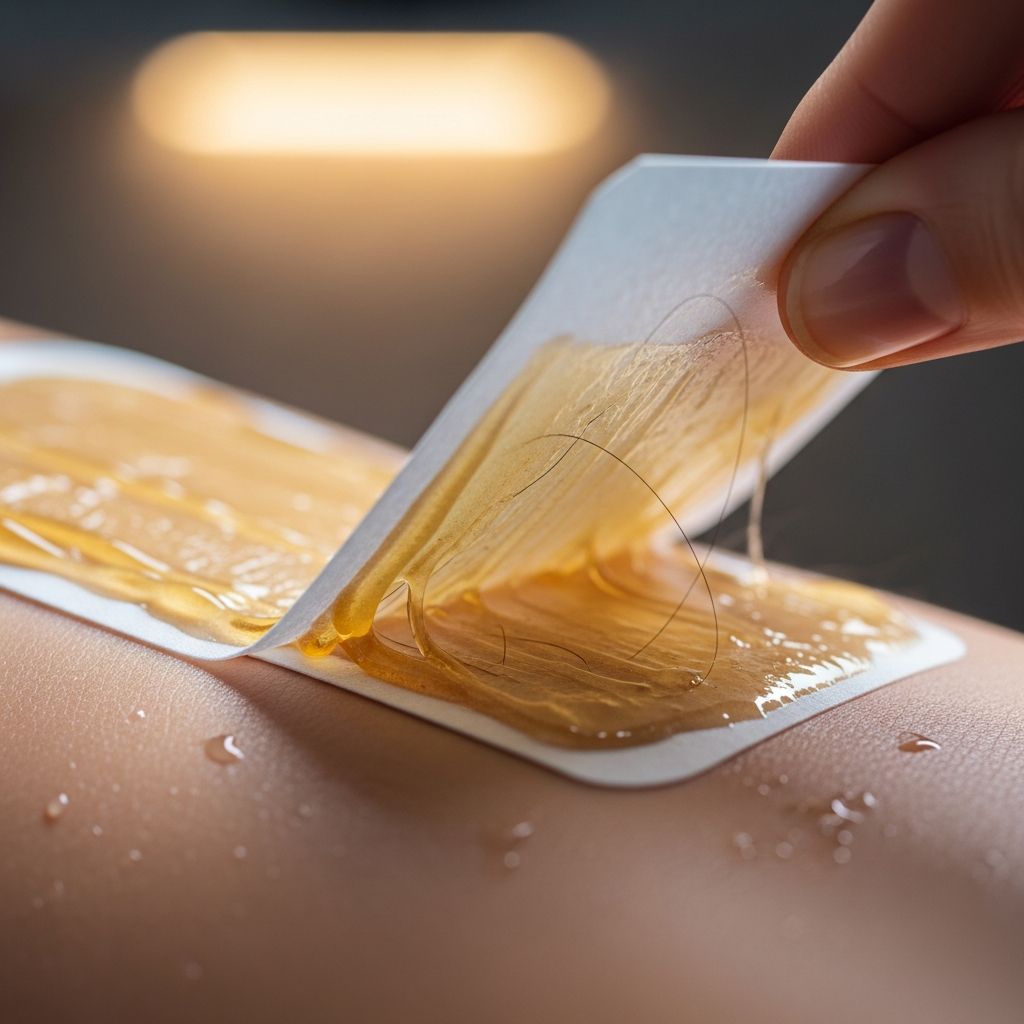
What is waxing?
Waxing is a widely used method for temporary hair removal that provides smoother results than shaving by removing hair from the root. This epilation technique pulls out the entire hair shaft, leading to slower regrowth typically lasting 2-6 weeks, depending on individual hair growth cycles. Unlike superficial methods like shaving, waxing targets follicles directly, making it suitable for both small areas like the upper lip and larger body regions such as legs or back.
The process involves applying a sticky wax substance to the skin, which adheres to hair, then rapidly pulling it off to extract hairs en masse. Available in professional salons or at-home kits, waxing appeals to those seeking cost-effective, long-term hair management without daily upkeep. Its effectiveness stems from the mechanical force that dislodges hairs completely, reducing stubble visibility post-treatment.
How is waxing done?
Waxing techniques primarily divide into two categories: warm (or hot) waxing and cold waxing. Both can be performed at home with over-the-counter kits from pharmacies, though warm waxing is preferred in salons for superior efficacy on coarse hair.
Warm waxing technique
Warm waxing uses heated wax that is applied semi-liquid to the skin, allowed to cool slightly, and removed with a cloth or paper strip. Key steps include:
- Prepare skin by cleansing thoroughly to remove oils, lotions, or debris that could hinder adhesion.
- Heat wax to a comfortable temperature (around 45-50°C) using a microwave, warmer, or double boiler; test on wrist to avoid burns.
- Spread thin, even layer of wax in the direction of hair growth using a spatula, covering 5-10 cm sections.
- Press muslin or paper strip firmly over wax, smoothing from center outward for strong grip.
- Hold skin taut and pull strip off quickly in the opposite direction of hair growth, parallel to skin surface.
- Apply immediate pressure with hand to soothe pain and reduce redness.
Warm waxing excels for larger areas like legs due to its spreadable consistency but requires precise temperature control.
Hot waxing variation
Hot waxing employs thicker wax with higher melting points, applied directly without strips. It hardens around hairs and is peeled off in one piece, ideal for sensitive zones like bikini line or underarms where less skin trauma occurs.
Cold waxing technique
Cold wax strips are pre-coated, ready-to-use products requiring no heating. Rub strips between hands to activate adhesive, apply against hair growth, and rip off swiftly. This method suits beginners or travel but may be less effective on thick hair.
How painful is waxing?
Pain levels vary by individual tolerance, treatment area sensitivity, and technique. Facial areas like eyebrows or bikini line often sting more due to dense nerve endings, while legs are generally tolerable. Factors amplifying discomfort include coarse hair, recent sun exposure, or hormonal fluctuations.
To minimize pain:
- Exfoliate 24-48 hours prior to loosen dead skin.
- Avoid caffeine or alcohol beforehand, as they heighten sensitivity.
- Take over-the-counter pain relievers like ibuprofen 30 minutes prior.
- Apply post-pull pressure or cold packs immediately after.
New users report sharp, brief pain likened to a rubber band snap, diminishing with repeated sessions as hair thins.
Related Stories



What areas can be waxed?
Waxing suits diverse body sites:
- Face: Eyebrows, upper lip, chin, cheeks for precise shaping.
- Body: Legs, arms, back, chest, shoulders for broad coverage.
- Bikini area: Standard, French, Brazilian styles; hot wax preferred for precision.
- Underarms: Quick and effective despite sensitivity.
Not recommended for nose, ears, or genitals due to infection risks and skin delicacy.
Who can have waxing?
Most individuals over 16 with healthy skin qualify, including those with light or dark skin tones. Ideal candidates have hair 1/4 to 1/2 inch long for optimal grip—too short fails removal, too long increases pain.
Contraindications include:
- Irritated, sunburned, broken, or acne-affected skin.
- Recent retinoid use (e.g., isotretinoin within 6 months), chemical peels, or laser treatments.
- Pregnancy (optional, due to tenderness), diabetes, varicose veins, or clotting disorders.
- History of keloid scarring.
What are the side effects of waxing?
Common transient effects: redness, swelling, sensitivity lasting hours to days. Less frequent issues:
- Infections: Rare if hygiene maintained; watch for pus or fever.
- In-grown hairs: Prevent with exfoliation.
- Bruising: In sensitive skin.
- Hyperpigmentation: More common in darker tones; fades with time.
| Side Effect | Frequency | Duration | Management |
|---|---|---|---|
| Redness | Common | Hours | Cold compress |
| Pain | Common | Minutes | Pressure, aloe |
| In-grown hairs | Occasional | Weeks | Exfoliate |
| Burns | Rare | Days | Antibiotic cream |
What is the aftercare for waxing?
Proper aftercare ensures smooth results and prevents complications:
- Avoid hot showers, saunas, baths for 24-48 hours.
- No tight clothing, exercise, or sun exposure for 24 hours.
- Apply soothing agents like aloe vera or hydrocortisone.
- Exfoliate gently after 48 hours to deter ingrowns.
- Moisturize daily; avoid deodorants on underarms.
Does waxing make hair grow back thicker?
No—waxing does not alter follicle structure or increase hair density. Regrowth appears coarser initially as tapered tips blunt, but repeated sessions may thin hairs via follicle weakening. Long-term studies show no thickening; some experience permanent reduction after years.
Comparison of waxing techniques
| Technique | Pros | Cons | Best For |
|---|---|---|---|
| Warm | Effective on large areas, affordable | Requires heating, strip mess | Legs, arms |
| Hot | Gentler on skin, no strips | Higher burn risk, pricier | Bikini, face |
| Cold | Convenient, no heat | Less effective on coarse hair | Touch-ups, travel |
Frequently asked questions
How long does waxing last?
Typically 2-4 weeks, up to 6 in some; varies by growth rate.
Can I wax during menstruation?
Possible but skin may be more sensitive; consult professional.
Is waxing better than laser?
Waxing is temporary and cheaper short-term; laser offers permanence.
How often can I wax?
Every 3-4 weeks; allow full regrowth.
Does sugar waxing differ?
Sugar wax is water-soluble, gentler alternative but similar process.
References
- Waxing — DermNet NZ. 2024-10-01. https://dermnetnz.org/topics/waxing
- Hot Wax vs Cold Wax — Veet New Zealand. 2023-05-15. https://www.veet.co.nz/hair-removal/cold-wax-vs-hot-wax/
- Sugar wax vs. waxing: Benefits, risks, and DIY recipe — Medical News Today. 2024-08-20. https://www.medicalnewstoday.com/articles/sugar-wax
- Hair removal wax: Topics by Science.gov — Science.gov (U.S. Dept. of Energy). 2023-11-10. https://www.science.gov/topicpages/h/hair+removal+wax
- Hair removal techniques — DermNet NZ. 2024-09-15. https://dermnetnz.org/topics/hair-removal-techniques
Similar Articles








Read full bio of medha deb