Healthy Fats: 7 Simple Ways To Add Them To Your Meals
Boost your meals with healthy fats from avocados, nuts, seeds, and fish for better heart health and nutrition.
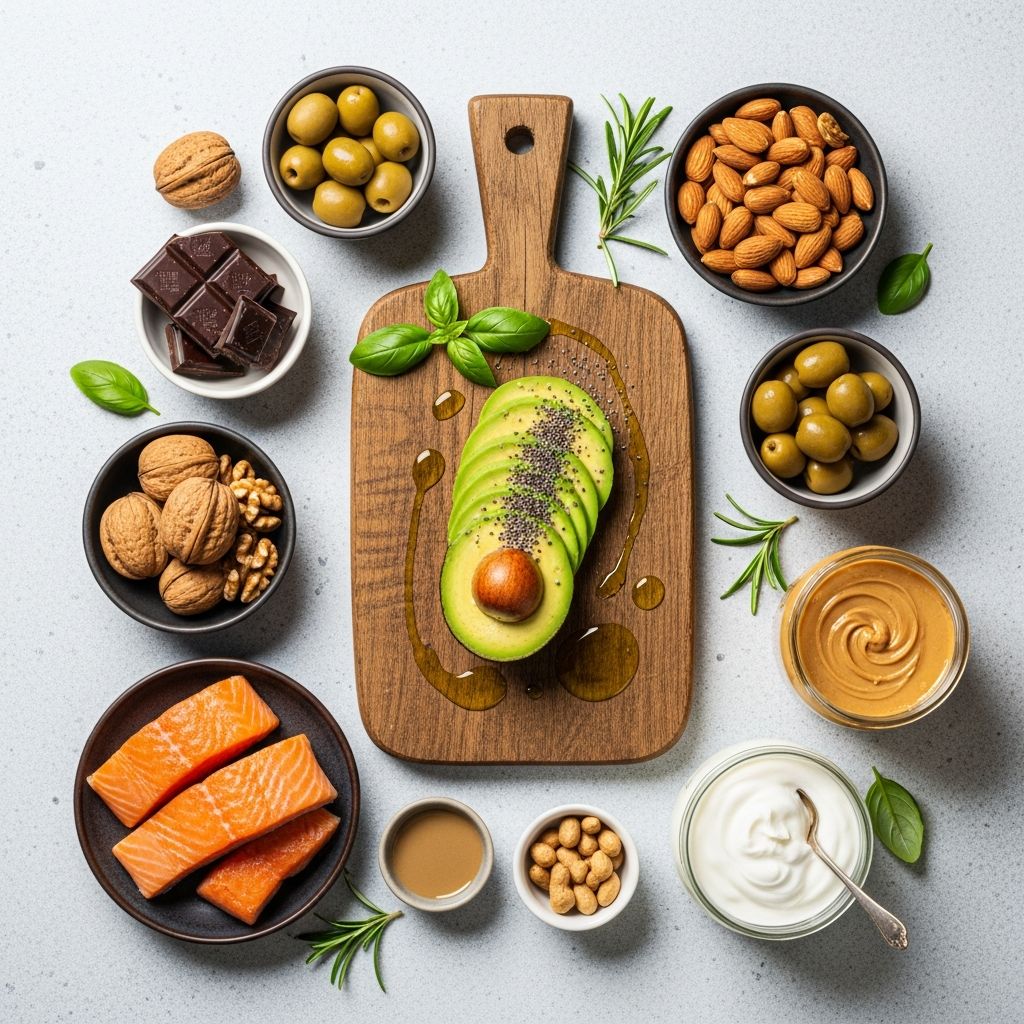
Healthy fats are essential for heart health, blood sugar control, inflammation reduction, and nutrient absorption. Monounsaturated and polyunsaturated fats, including omega-3s, lower bad cholesterol (LDL), raise good cholesterol (HDL), and support brain function while protecting against heart disease.
What Are Healthy Fats?
Healthy fats primarily consist of
monounsaturated fats
andpolyunsaturated fats
, which benefit cardiovascular health when replacing saturated fats. Monounsaturated fats, found in olive oil, avocados, and nuts, help maintain HDL cholesterol and reduce LDL. Polyunsaturated fats, including essential omega-3 and omega-6 fatty acids the body cannot produce, support cell growth, brain function, and lower triglycerides.Unlike saturated fats in butter or red meat, healthy fats remain liquid at room temperature and provide vitamin E, an antioxidant. Research shows diets rich in these fats, like the Mediterranean diet, enhance gut health, blood pressure, and metabolic functions.
Benefits of Healthy Fats
Incorporating healthy fats yields multiple advantages:
- Lower risk of heart disease and stroke by reducing plaque buildup and improving cholesterol profiles.
- Better blood sugar control, beneficial for type 2 diabetes management when paired with whole grains.
- Reduced inflammation and support for gut barrier integrity, aiding nutrient absorption and microbiome health.
- Enhanced absorption of fat-soluble vitamins A, D, E, and K, plus hormone regulation and cell protection.
- Two or more servings of fatty fish weekly prevent cardiovascular events in high-risk individuals.
Plant-based sources like nuts and seeds offer these benefits with fewer saturated fats than animal products.
Monounsaturated Fats: Top Sources and Tips
**Monounsaturated fats** improve blood sugar regulation and heart health. Key sources include:
- Avocados: Nutrient-dense, providing creamy texture to meals.
- Olive oil, especially extra virgin: Ideal for dressings and cooking.
- Nuts like almonds, peanuts, cashews, pecans: Portable snacks or toppings.
- Seeds such as pumpkin and sesame.
- Oils from canola, safflower, peanut, and sunflower seeds.
Ways to add them: Drizzle olive oil on salads, spread avocado on toast, or snack on a handful of almonds (about 1 oz daily). Replacing saturated fats with these lowers triglycerides.
Polyunsaturated Fats: Omega-3 and Omega-6 Powerhouses
**Polyunsaturated fats** are vital for those unable to be synthesized by the body. They lower LDL, triglycerides, and support brain health.
- Omega-3 sources: Fatty fish (salmon, mackerel, sardines, tuna, herring), flaxseeds, chia seeds, walnuts, soybeans.
- Omega-6 sources: Sunflower, corn, soybean oils; walnuts, sunflower seeds.
Benefits include better blood sugar control and reduced heart disease risk. Aim for fatty fish twice weekly.
7 Simple Ways to Add Healthy Fats to Your Meals
Here are practical, everyday strategies to boost healthy fat intake without overhauling your diet.
1. Swap Butter for Olive Oil or Avocado Oil
Use extra virgin olive oil for cooking, baking, or dressings. It’s rich in monounsaturated fats and antioxidants, supporting heart health over butter’s saturated fats.
2. Top Salads and Veggies with Nuts and Seeds
Related Stories



Sprinkle almonds, walnuts, chia, flax, or pumpkin seeds on greens, roasted vegetables, or yogurt. These add crunch, omega-3s, and fullness.
3. Mash Avocado onto Toast, Sandwiches, or Wraps
Avocado provides creamy monounsaturated fats. Blend into dips or spread on whole-grain bread for a nutritious base.
4. Incorporate Fatty Fish Twice a Week
Grill salmon, bake sardines, or add tuna to salads. These deliver omega-3s that lower triglycerides and cardiovascular risk.
5. Choose Nut Butters Over Jelly or Cream Cheese
Opt for almond or peanut butter on toast, apples, or in smoothies. They offer monounsaturated fats, protein, and satisfaction.
6. Add Olives to Pasta, Pizza, or Snacks
Olives supply healthy fats and flavor. Use in Mediterranean-inspired dishes for heart-protective benefits.
7. Snack on Nuts or Seeds Instead of Chips
A small handful of mixed nuts or seeds curbs hunger with polyunsaturated fats, vitamin E, and fiber.
| Source | Type | Key Benefit | Serving Idea |
|---|---|---|---|
| Avocado (1/2 medium) | Monounsaturated | Blood sugar control | Toast topping |
| Salmon (3 oz) | Polyunsaturated (Omega-3) | Lowers triglycerides | Baked fillet |
| Walnuts (1 oz) | Polyunsaturated | Brain health | Salad add-in |
| Olive oil (1 tbsp) | Monounsaturated | Heart protection | Dressing |
| Chia seeds (1 tbsp) | Polyunsaturated (Omega-3) | Nutrient absorption | Yogurt mix |
Sample Meal Ideas with Healthy Fats
- Breakfast: Avocado toast with chia seeds and poached egg.
- Lunch: Salmon salad with olive oil dressing, walnuts, and greens.
- Dinner: Grilled chicken with roasted veggies drizzled in olive oil and pumpkin seeds.
- Snack: Apple slices with almond butter or a handful of mixed nuts.
These meals emphasize plant oils, nuts, seeds, and fish per American Heart Association guidelines.
Frequently Asked Questions (FAQs)
What are the best sources of healthy fats?
Top sources include avocados, olive oil, nuts (almonds, walnuts), seeds (chia, flax), and fatty fish like salmon.
How much healthy fat should I eat daily?
20-35% of calories from fats, prioritizing unsaturated; e.g., 2-3 servings of fish weekly and 1-2 oz nuts daily.
Can healthy fats help with weight management?
Yes, they promote satiety and nutrient absorption, aiding fullness when replacing unhealthy fats.
Are eggs a good source of healthy fats?
Eggs provide unsaturated fats and omega-3s, especially enriched varieties; pair with veggies for balance.
Is coconut oil a healthy fat?
No, it’s high in saturated fats; choose plant oils like olive or canola instead.
Potential Pitfalls and Tips
Moderation is key—fats are calorie-dense (9 kcal/g). Balance with fruits, veggies, whole grains, and lean proteins. Store nuts/seeds properly to prevent rancidity. Consult a doctor for personalized advice, especially with conditions like high cholesterol.
References
- Eating healthy fats has many benefits — UCLA Health. 2023-10-12. https://www.uclahealth.org/news/article/eating-healthy-fats-has-many-benefits
- Healthy Fats To Incorporate Into Your Diet — Catholic Health. 2024-05-15. https://www.catholichealthli.org/blog/healthy-fats-incorporate-your-diet
- Dietary fat: Know which to choose — Mayo Clinic. 2025-02-20. https://www.mayoclinic.org/healthy-lifestyle/nutrition-and-healthy-eating/in-depth/fat/art-20045550
- Fats in Foods — American Heart Association. 2024-11-08. https://www.heart.org/en/healthy-living/healthy-eating/eat-smart/fats/fats-in-foods
- Healthy Fats — UC Davis Health. 2024-03-10. https://healthy.ucdavis.edu/eating-well/nourish-labels/healthy-fats
- Facts about fat — NHS. 2025-01-15. https://www.nhs.uk/live-well/eat-well/food-types/different-fats-nutrition/
Similar Articles








Read full bio of medha deb