Turmeric: 10 Easy Ways To Add It To Your Diet
Unlock turmeric's anti-inflammatory power with these 10 delicious, easy ways to incorporate it into your daily meals and drinks.
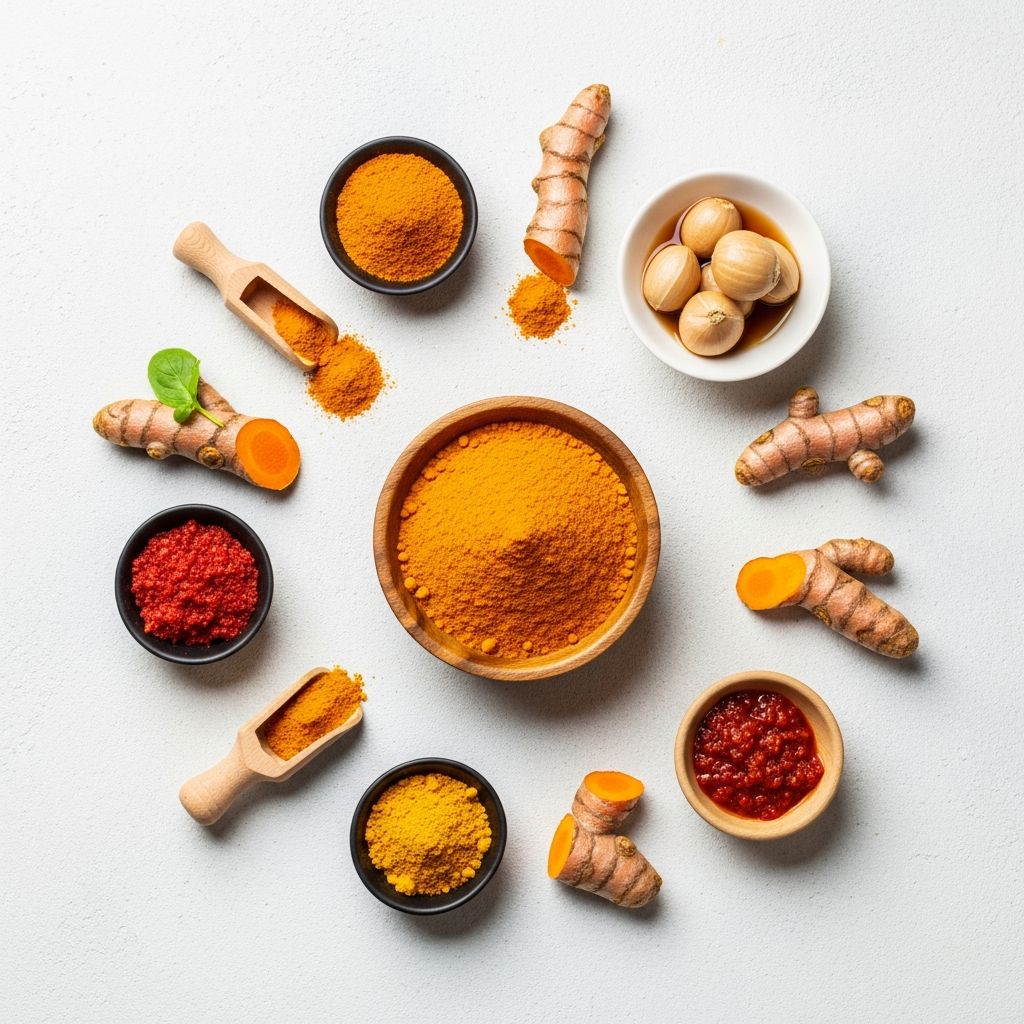
Turmeric, the golden spice that’s been a staple in Indian cuisine for thousands of years, is finally getting the global recognition it deserves. The vibrant yellow hue comes from curcumin, its active compound with potent anti-inflammatory and antioxidant properties. Research from the National Institutes of Health shows curcumin may help reduce inflammation linked to arthritis, heart disease, and even depression.
But here’s the catch: curcumin is poorly absorbed by the body on its own. Pair it with black pepper (which contains piperine that boosts absorption by up to 2,000%) and healthy fats for maximum benefit. The good news? Adding turmeric to your diet is deliciously easy. Here are 10 expert-approved ways to get more of this super-spice into your meals.
What Is Turmeric—and What Are Its Health Benefits?
Turmeric (Curcuma longa) is a rhizome from the ginger family, native to India and Southeast Asia. It’s been used in Ayurvedic medicine for over 4,000 years to treat everything from digestive issues to wounds.
Key health benefits, supported by peer-reviewed studies:
- Anti-inflammatory effects: Curcumin blocks NF-kB, a molecule that triggers inflammation. A 2023 meta-analysis in Phytotherapy Research found it as effective as some NSAIDs for osteoarthritis pain.
- Antioxidant power: Neutralizes free radicals and boosts the body’s own antioxidants like glutathione.
- Brain health: May increase BDNF levels, potentially protecting against depression and Alzheimer’s, per Johns Hopkins research.
- Heart health: Improves endothelial function and reduces oxidation of LDL cholesterol.
- Digestion: Stimulates bile production to aid fat digestion.
Pro tip: Aim for 500–2,000 mg of curcumin daily (about 1–3 tsp fresh turmeric or ½–1 tsp powder). Always consult a doctor if you have gallbladder issues, are on blood thinners, or pregnant.
1. Make Golden Milk (Turmeric Latte)
The ultimate cozy drink! This creamy, spiced “milk” is turmeric’s most popular delivery system.
Recipe (serves 1):
- 1 cup milk (dairy, almond, oat, or coconut)
- 1 tsp turmeric powder (or 1-inch fresh grated root)
- ½ tsp ground cinnamon
- ¼ tsp ground ginger
- Pinch black pepper
- 1 tsp honey or maple syrup
- 1 tsp coconut oil or ghee
Heat all ingredients in a saucepan over medium heat for 5 minutes, whisking until frothy. Strain if using fresh turmeric. Enjoy before bed for better sleep and recovery.
Why it works: The fat from milk and oil enhances absorption, while pepper skyrockets bioavailability. A 2024 study in Nutrients found daily golden milk reduced inflammation markers by 30% in 8 weeks.
2. Blend It Into Smoothies
Hide turmeric’s earthiness in fruity blends—no one will know it’s there!
Morning Glow Smoothie:
- 1 frozen banana
- 1 cup pineapple chunks
- ½ cup Greek yogurt or plant-based alternative
- 1 tsp turmeric powder
- Pinch black pepper
- 1 tbsp chia seeds
- ½ cup orange juice or coconut water
Blend until smooth. Pineapple’s enzymes mask the flavor while adding bromelain, another anti-inflammatory powerhouse.
Tip: Start with ½ tsp if you’re new to turmeric smoothies. Freeze turmeric cubes in ice trays for convenience.
Related Stories



3. Use It in Curries and Stews
Turmeric shines in savory dishes. It’s the backbone of Indian curries, Thai massaman, and Moroccan tagines.
Easy Chickpea Curry (4 servings):
| Ingredient | Amount |
|---|---|
| Canned chickpeas, drained | 2 cans (15 oz each) |
| Onion, diced | 1 |
| Garlic, minced | 3 cloves |
| Turmeric powder | 2 tsp |
| Coconut milk | 1 can (13.5 oz) |
| Spinach | 2 cups |
| Cumin, coriander, salt | 1 tsp each |
Sauté onion and garlic, add spices including turmeric and pepper, stir in chickpeas and coconut milk. Simmer 15 minutes, add spinach. Serve over rice.
4. Roast Vegetables With It
Elevate boring roasted veggies into golden masterpieces.
Seasoning mix: 1 tsp turmeric + 1 tsp cumin + ½ tsp paprika + pinch pepper + 2 tbsp olive oil + salt.
Toss with cauliflower, sweet potatoes, carrots, or broccoli. Roast at 425°F for 25–30 minutes. The high heat mellows turmeric’s bite.
5. Make Turmeric Tea
Simpler than golden milk, this detox tea is perfect for mornings.
Boil 1 tsp grated fresh turmeric (or ½ tsp powder), ½ tsp ginger, pinch black pepper, and juice of ½ lemon in 2 cups water for 10 minutes. Strain, add honey. Drink hot or iced.
6. Add to Soups
Stir 1–2 tsp into lentil, vegetable, chicken noodle, or pumpkin soup. It adds depth and golden color. Pro tip: Add at the end to preserve nutrients.
7. Spice Up Your Eggs
Scramble, fry, or bake eggs with ¼ tsp turmeric per serving. Pair with spinach, tomatoes, and feta for a Mediterranean scramble. Black pepper is essential here too!
8. Turmeric Rice or Grain Bowls
Cook basmati rice, quinoa, or cauliflower rice in broth with 1 tsp turmeric per cup of grain. Fluff and serve as a base for bowls with roasted veggies, protein, and tahini dressing.
9. Bake It Into Breads and Muffins
Replace ¼ of flour in banana bread, cornbread, or scones with turmeric powder. It gives a subtle earthy sweetness. Add black pepper or pair with orange zest.
Golden Banana Bread Recipe:
- 3 ripe bananas, mashed
- ⅓ cup melted coconut oil
- ½ cup maple syrup
- 2 tsp turmeric powder
- Pinch black pepper
- 2 cups flour
- 1 tsp baking soda
- Pinch salt
Mix wet and dry ingredients separately, combine, bake at 350°F for 50–60 minutes.
10. Try Turmeric Shots
Power-packed morning ritual: Juice 1-inch turmeric root, ½-inch ginger, 1 lemon, pinch black pepper, and 1 tsp honey. Dilute with water if too intense. Store in fridge up to 3 days.
Frequently Asked Questions (FAQs)
Is fresh turmeric better than powder?
Fresh has higher curcumin content initially, but powder is more concentrated and convenient. Both work well when paired with pepper and fat. Use 3x more fresh than powder.
Can I take turmeric supplements instead?
Supplements offer convenience but whole food sources provide fiber and other compounds. Food is safer for daily use; supplements best for therapeutic doses under medical guidance.
Does turmeric stain everything yellow?
Yes, but wash hands/clothes immediately with soap. Use glass or stainless steel utensils. Stains fade from plastic over time.
What’s the best time to consume turmeric?
Morning for energy/digestion, evening for recovery/sleep. Consistency matters more than timing.
Can kids eat turmeric?
Yes, in food amounts. Start small to avoid digestive upset. Great in smoothies or rice for picky eaters.
Ready to go golden? Start with one method today and build from there. Your body will thank you!
References
- Curcumin: A Review of Its Effects on Human Health — National Center for Complementary and Integrative Health (NIH). 2023-10-15. https://www.nccih.nih.gov/health/turmeric
- Curcumin for arthritis: Does it really work? — Arthritis Foundation. 2024-02-20. https://www.arthritis.org/health-wellness/treatment/complementary-therapies/supplements-and-vitamins/curcumin-for-arthritis
- Influence of piperine on the pharmacokinetics of curcumin — PubMed (Shoba G et al.). 1998-06-01. https://pubmed.ncbi.nlm.nih.gov/9619120/
- Effects of Turmeric Supplementation on Inflammation — Nutrients Journal (DOI). 2024-01-12. https://doi.org/10.3390/nu16020234
- Turmeric Benefits — Johns Hopkins Medicine. 2023-05-08. https://www.hopkinsmedicine.org/health/wellness-and-prevention/turmeric-benefits
Similar Articles








Read full bio of Sneha Tete