Leftovers: Essential Guide To Keeping Food Fresh And Safe
Master proper leftover storage techniques to extend freshness and prevent foodborne illness.
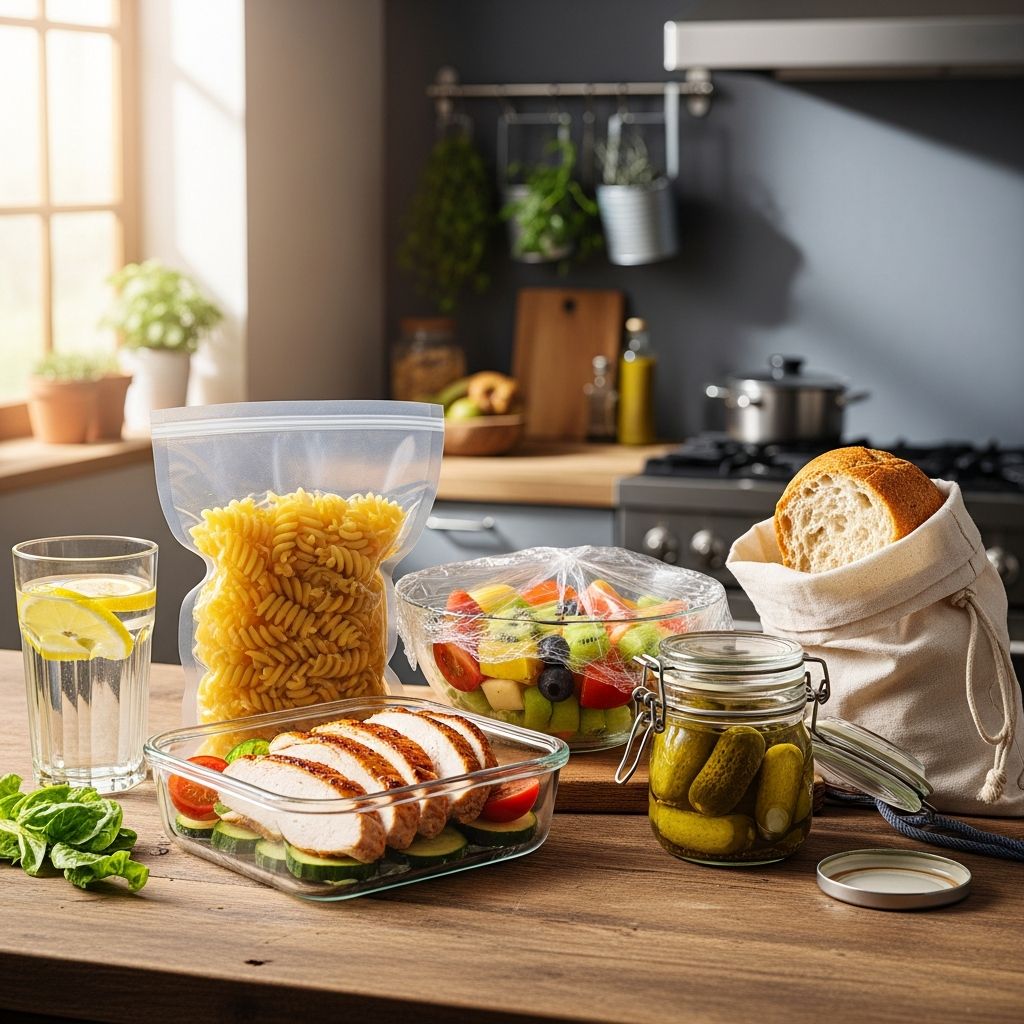
Leftovers represent both an opportunity and a responsibility. Whether you’re dealing with holiday meals, restaurant takeout, or home-cooked dinners, knowing how to properly store and manage leftovers can help you avoid food waste while protecting your health. The key to extending the freshness of your leftovers lies in understanding proper storage techniques, temperature management, and safe handling practices. This comprehensive guide covers everything you need to know about keeping your leftovers fresh, delicious, and safe to eat.
Understanding the Danger Zone: Temperature Matters
The most critical aspect of leftover safety revolves around temperature control. The
danger zone
, which falls between 40 degrees Fahrenheit and 140 degrees Fahrenheit, creates an ideal environment for harmful bacteria to multiply rapidly. This temperature range allows pathogens to thrive and potentially cause foodborne illnesses if foods are left in this range for too long.Your refrigerator should be set at 40 degrees Fahrenheit or lower, though experts recommend setting it at 37 degrees Fahrenheit for optimal food preservation. Meanwhile, your freezer should maintain a temperature of 0 degrees Fahrenheit to properly preserve frozen foods. These temperature settings are essential for slowing bacterial growth and maintaining the quality of your stored leftovers.
The Two-Hour Rule: Your First Line of Defense
One of the most important food safety guidelines is the
Two-Hour Rule
. Leftovers should be refrigerated within two hours of cooking or being removed from cold storage. This timeline is non-negotiable and applies regardless of whether the food is still hot or has cooled down.Many people mistakenly believe they should wait for hot food to cool before refrigerating it, but this practice is dangerous. Allowing food to cool on the counter leaves it vulnerable to bacterial contamination. The clock starts ticking as soon as food is removed from heat, and time spent in the danger zone is cumulative. Even if food is only out for five or ten minutes at a time, those minutes add up. Once the total reaches two hours in the danger zone, the food should be discarded.
In warmer climates or during hot weather when the temperature exceeds 90 degrees Fahrenheit, this window shrinks to just one hour. It’s always better to err on the side of caution and get your leftovers into the refrigerator as quickly as possible.
Proper Portioning and Container Selection
How you portion and store your leftovers significantly impacts how long they remain fresh. Rather than storing large quantities in one big container, divide your leftovers into smaller portions—ideally one to two servings per container. This approach offers multiple advantages:
- Smaller portions cool faster and more evenly, reducing the time food spends in the danger zone
- Using shallow, airtight containers rather than deep ones facilitates rapid cooling
- Individual portions make reheating more convenient—you only reheat what you plan to eat
- Prevents repeated temperature fluctuations from removing and replacing large containers
- Reduces waste by allowing you to thaw only the amount you need
Related Stories



Container material matters as well. Use airtight, moisture-proof containers that are specifically designed for food storage. Silicone food storage bags are an excellent alternative to traditional plastic containers, as they take up less freezer space while providing an airtight seal. When freezing, consider using heavy-duty foil, freezer paper, or freezer-weight bags to prevent freezer burn and flavor loss.
Storage Times: How Long Do Leftovers Really Last?
Understanding storage timelines helps you determine when leftovers are still safe to eat. The timeframes vary depending on whether you’re using the refrigerator or freezer.
Refrigerator Storage Times
Cooked leftovers can safely remain in the refrigerator for
three to four days maximum
. This applies to most cooked foods, including turkey, ham, casseroles, and side dishes. After the four-day mark, the quality and safety of the food may decline due to increasing bacterial growth and flavor degradation.For specific items, the FDA provides detailed guidance. Many common holiday dishes—such as stuffing, green bean casserole, and sweet potato casserole—follow this three to four-day guideline when properly stored in airtight containers in the refrigerator.
Freezer Storage Times
Frozen leftovers maintain their safety indefinitely, as freezing essentially halts bacterial growth (with the exception of Listeria and hepatitis A, which can survive freezing). However, quality is a different matter. While frozen leftovers remain safe to eat indefinitely, their flavor and texture begin to decline after about two to six months. For optimal taste and quality, aim to consume frozen leftovers within this window.
Some foods freeze particularly well, including cooked turkey, stuffing, and casseroles. Pies also freeze well, though custard and meringue-based pies don’t thaw well and are better consumed fresh.
Special Considerations for Different Foods
Different foods have different storage requirements and shelf lives. Understanding these nuances helps you make informed decisions about your leftovers.
Pies and Desserts
Fruit pies, such as apple or cherry pie, can be stored loosely covered on the counter if you plan to eat them within the next couple of days. However, pies with fillings containing dairy or eggs—such as pumpkin pie, cream pie, or custard pie—must be refrigerated. Any pie you don’t plan to serve within a few days should be frozen. Keep in mind that custard and meringue-based pies don’t freeze well, so these are better enjoyed fresh.
Canned Foods
Don’t overlook items you may have stored in your pantry. According to the Department of Agriculture, many canned foods can be stored for two to five years, while high-acid foods like juices, tomatoes, and pickles last between 12 and 18 months in a can. Always discard dented or bulging cans, as they could be unsafe regardless of the expiration date.
Meat and Poultry
Cooked meat and poultry, including turkey and ham, should be cut into pieces before freezing for easier reheating and food safety. Smaller pieces thaw and reheat more evenly than large chunks.
Safe Defrosting Methods
Proper defrosting is just as important as proper storage. Never defrost leftovers on the counter, as this exposes them to the danger zone for extended periods. Instead, use one of these three safe methods:
- Refrigerator Thawing: Plan ahead and thaw your leftovers in the refrigerator overnight or over several hours. This slow, cold thawing keeps food out of the danger zone throughout the process.
- Cold Water Thawing: Place leftovers in a sealed, watertight bag and immerse them in a container of cold water. Change the water every 30 minutes. This method is faster than refrigerator thawing and typically takes one to two hours depending on portion size.
- Microwave Thawing: You can use your microwave’s defrost setting, following the manufacturer’s specific instructions. This method is fastest but requires immediate cooking afterward.
Whichever method you choose, never use hot water or let food sit at room temperature to thaw, as these approaches allow bacterial growth.
Reheating Leftovers Properly
Reheating is the final step in safe leftover consumption. When reheating, warm your leftovers thoroughly to an internal temperature of
160 to 165 degrees Fahrenheit
. Use a food thermometer to verify that the thickest part of the food has reached this temperature. This temperature kills harmful bacteria and ensures the food is safe to eat.Reheat only the portion you plan to eat immediately. Never reheat the same leftovers multiple times, as repeated temperature fluctuations increase the risk of bacterial contamination.
Labeling and Organization Systems
A simple but effective practice is to label your stored leftovers. Use a permanent marker to write the name of the dish and the date on a piece of tape, then attach it to your container. This system helps you keep track of what’s in your refrigerator or freezer and ensures you consume older items first, following the first-in, first-out principle.
Consider organizing your refrigerator and freezer shelves so that older leftovers are at eye level and more visible. This prevents forgotten containers from hiding in the back until they’ve exceeded their safe storage time.
When to Throw Away Leftovers
If you’re ever in doubt about the safety of leftovers, the safest course of action is to throw them away. Trust your senses: if leftovers look discolored, have an off smell, or seem slimy, discard them immediately. Leftover food that has exceeded the recommended storage time should also be thrown out, regardless of appearance. The risk of foodborne illness is not worth the potential savings from consuming questionable leftovers.
Frequently Asked Questions
How long can leftovers stay in the refrigerator?
Leftovers can safely remain in the refrigerator for three to four days maximum. After this period, discard any remaining food to avoid potential foodborne illness.
Can I leave hot food on the counter to cool before refrigerating?
No. You should refrigerate leftovers immediately, even while they’re still hot. Leaving hot food on the counter exposes it to the danger zone where bacteria can multiply rapidly.
How long do frozen leftovers last?
Frozen leftovers remain safe to eat indefinitely. However, for optimal flavor and texture, consume them within two to six months. After this period, quality may decline.
What temperature should my refrigerator be set to?
Set your refrigerator to 40 degrees Fahrenheit or lower, though 37 degrees Fahrenheit is recommended for optimal preservation. Your freezer should be at 0 degrees Fahrenheit.
What’s the safest way to defrost leftovers?
The safest defrosting methods are refrigerator thawing (overnight), cold water thawing (30 minutes to two hours), or microwave thawing using the defrost setting. Never defrost at room temperature.
What internal temperature should leftovers reach when reheating?
Reheat leftovers to an internal temperature of 160 to 165 degrees Fahrenheit. Use a food thermometer to ensure the thickest portion reaches this temperature.
Can I store leftovers in large containers?
Large containers should be avoided because they retain heat and cool slowly, leaving food in the danger zone longer. Instead, use small, shallow, airtight containers for faster cooling and easier storage.
How do I prevent freezer burn on my leftovers?
Use airtight, moisture-proof wrapping materials like heavy-duty foil, freezer paper, or freezer-weight bags. Remove excess air from packages before freezing, as air promotes drying and flavor loss.
Conclusion
Keeping leftovers fresh longer requires attention to temperature control, proper portioning, correct storage methods, and understanding safety timelines. By following the Two-Hour Rule, using appropriate containers, maintaining proper refrigerator and freezer temperatures, and knowing when to discard food, you can safely enjoy your leftovers for days. These practices protect your health while reducing food waste and allowing you to make the most of your meals.
References
- A Guide to Proper Leftover Storage and Reheating to Make the Holidays Last — Food Safety News. 2023-12-01. https://www.foodsafetynews.com/2023/12/a-guide-to-proper-leftover-storage-and-reheating-to-make-the-holidays-last/
- How to Keep Leftovers Delicious and Safe — Consumer Reports. 2024. https://www.consumerreports.org/health/food-safety/how-to-keep-leftovers-delicious-and-safe-a3694574528/
- Food Safety: How to Store and How Long to Keep Leftovers — American Heart Association. https://www.heart.org/en/healthy-living/healthy-eating/cooking-skills/storing/food-safety—how-to-store-and-how-long-to-keep-leftovers
- How to Keep Your Thanksgiving Leftovers Fresh — Cleveland Clinic Newsroom. 2025-11-26. https://newsroom.clevelandclinic.org/2025/11/26/how-to-keep-your-thanksgiving-leftovers-fresh
Similar Articles








Read full bio of Sneha Tete