Weak Immune System Signs: 5 Indicators To Boost Your Immunity
Discover signs of a weakened immune system, causes like autoimmune diseases, diagnosis methods, and proven strategies to strengthen immunity effectively.
Your immune system acts as the body’s defense against infections, but when weakened—often by autoimmune diseases—it leaves you vulnerable to frequent illnesses. Understanding these signs is crucial for timely intervention and recovery.
What Is a Weak Immune System?
A weak immune system, or immunodeficiency, occurs when the body’s natural defenses fail to fight off pathogens effectively. This can stem from primary genetic defects or secondary causes like infections, medications, or autoimmune disorders where the immune system attacks healthy tissues. Autoimmune diseases, affecting about 4 in 5 women according to the National Institutes of Health, exemplify how an overactive or misdirected immune response can paradoxically weaken overall immunity.
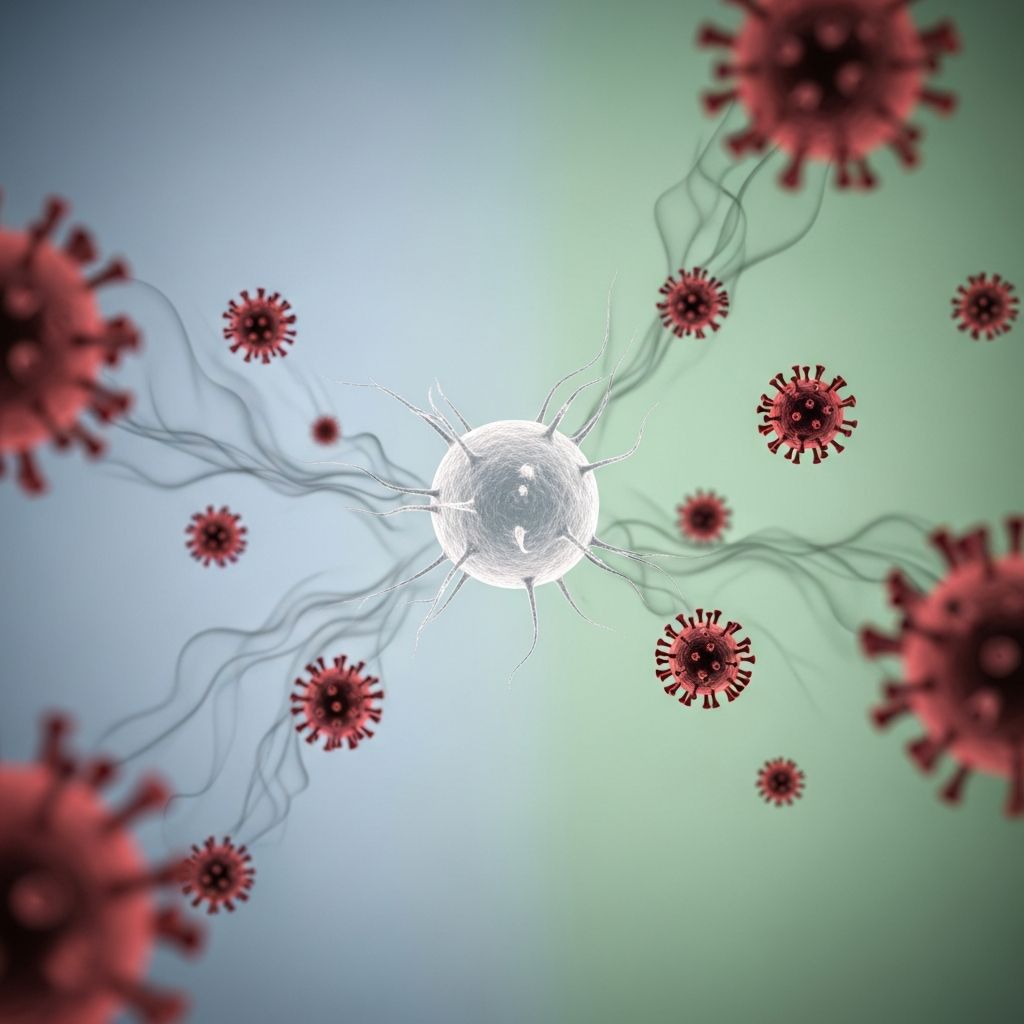
The immune system comprises innate components like macrophages and natural killer cells that provide immediate responses, and adaptive lymphocytes that develop memory against specific threats. Disruptions, such as those in HIV or malnutrition, impair these functions, leading to heightened infection risk.
Signs You Might Have a Weak Immune System
Recognizing symptoms early can prevent complications. Common indicators include:
- Frequent or severe infections: Recurring lung, ear, or skin infections within a year signal immunodeficiency.
- Slow wound healing: Cuts or injuries that linger increase due to reduced immune cell activity.
- Easy bruising or bleeding: Low platelet counts from immune dysfunction.
- Chronic fatigue: Persistent tiredness, even after rest, often linked to ongoing inflammation.
- Digestive issues: Bloating, diarrhea, or constipation from gut microbiome imbalances affecting immunity.
In autoimmune contexts, symptoms overlap with specific diseases. For instance, Hashimoto’s thyroiditis causes tiredness, weight gain, and muscle weakness from thyroid inflammation.
Causes of a Weak Immune System
Immunodeficiencies divide into primary (genetic, like severe combined immunodeficiency) and secondary types. Secondary causes dominate:
- Infections: HIV destroys white blood cells, progressing to AIDS if untreated.
- Medications: Corticosteroids or chemotherapy suppress immunity.
- Autoimmune diseases: Conditions like rheumatoid arthritis (RA), multiple sclerosis (MS), and lupus cause chronic inflammation, exhausting immune resources. RA affects over 1 million Americans with joint pain and swelling.
- Malnutrition: Protein and vitamin D deficiencies, common globally, alter immune responses.
- Other factors: Surgery, stress, aging, and environmental triggers contribute to rising autoimmunity prevalence, with autoantibodies in 32% of U.S. adults over 60.
| Autoimmune Disease | Key Symptoms | Affected Systems |
|---|---|---|
| Hashimoto’s Disease | Tiredness, constipation, weight gain | Thyroid |
| Rheumatoid Arthritis | Joint pain, stiffness, nodules | Joints |
| Multiple Sclerosis | Nerve damage, mobility issues | Central Nervous System |
Women face higher risks due to hormonal and genetic factors, with autoimmunity rising from gene-environment interactions over time.
How Autoimmune Diseases Weaken Immunity
Autoimmune disorders involve self-reactive immune components attacking healthy cells, leading to pathology. This chronic battle depletes resources, mimicking immunodeficiency. For example, in MS, immune attacks on myelin scar nerves, impairing signals. Rising autoantibody prevalence—from thyroid to rheumatoid factor—indicates broader immune dysregulation.
Passive vs. active immunity also plays a role; newborns inherit maternal antibodies temporarily, but genetic or acquired flaws disrupt long-term protection.
Diagnosing a Weak Immune System
Diagnosis starts with blood tests measuring lymphocytes, white cells, immunoglobulins, and proteins. Providers may order:
Related Stories



- Virus-specific tests (e.g., HIV).
- Skin antigen tests for response evaluation.
- Chronic infection screens tailored to symptoms.
For autoimmune links, blood tests detect specific antibodies, like anti-thyroperoxidase for Hashimoto’s. Early detection allows addressing root causes, potentially restoring immunity.
Treatment Options for Weak Immunity
Treatment targets underlying issues:
- Manage primary conditions: Antivirals for HIV, hormone replacement for Hashimoto’s.
- Nutrition and lifestyle: Balanced diets rich in proteins and vitamins.
- Long-term therapies: Antibiotics or antifungals for persistent cases.
Removing triggers like medications often reverses secondary immunodeficiency.
How to Strengthen Your Immune System
Lifestyle forms the foundation:
- Diet: Nutrient-dense foods with proteins, vitamin D, and micronutrients.
- Exercise: Regular aerobic activity enhances circulation and cell function.
- Sleep: 7-9 hours nightly for repair.
- Stress reduction: Mindfulness to lower cortisol.
- Vaccinations: Build adaptive immunity safely.
- Hygiene: Handwashing, masks in crowds for compromised systems.
Avoid tobacco, excess alcohol, and maintain healthy weight. For autoimmune risks, early screening with biomarkers may prevent progression.
Prevention Strategies
Proactive steps mitigate risks:
- Monitor for recurrent infections.
- Balance hormones, especially for women.
- Avoid known triggers like certain drugs.
Public health efforts address malnutrition, a top global cause.
Frequently Asked Questions (FAQs)
What causes the most common weak immune systems?
Malnutrition tops worldwide causes, followed by infections like HIV and medications such as corticosteroids.
Can autoimmune diseases cause immunodeficiency?
Yes, chronic immune activation in diseases like RA or lupus exhausts defenses, leading to frequent infections.
How is a weak immune system tested?
Blood work for immune markers, plus antigen skin tests and infection screens.
Do women have higher autoimmune risks?
Yes, 4 in 5 cases affect females due to genetic and hormonal factors.
Can lifestyle reverse weak immunity?
Often yes, by addressing nutrition, sleep, and stress; consult a doctor for persistent issues.
This comprehensive guide empowers you to identify and address weak immunity, particularly when tied to autoimmune conditions. Consult healthcare providers for personalized advice.
References
- Signs You Might Have a Weak Immune System and How To Fix It — Bayfront Health. 2023. https://www.bayfronthealth.com/content-hub/signs-you-might-have-a-weak-immune-system-and-how-to-fix-it/
- Why Women Are at Higher Risk of Autoimmune Disorders — University Health. 2024. https://www.universityhealth.com/blog/women-autoimmune-disease
- Immune System and Disorders — MedlinePlus (U.S. National Library of Medicine). 2025-01-10. https://medlineplus.gov/immunesystemanddisorders.html
- The Increasing Prevalence of Autoimmunity and Autoimmune Disorders — PubMed Central (PMC). 2023-02-20. https://pmc.ncbi.nlm.nih.gov/articles/PMC9918670/
Similar Articles








Read full bio of medha deb