Wearable Weights: How They Can Help or Hurt
Learn how ankle and wrist weights boost fitness while avoiding joint injuries.
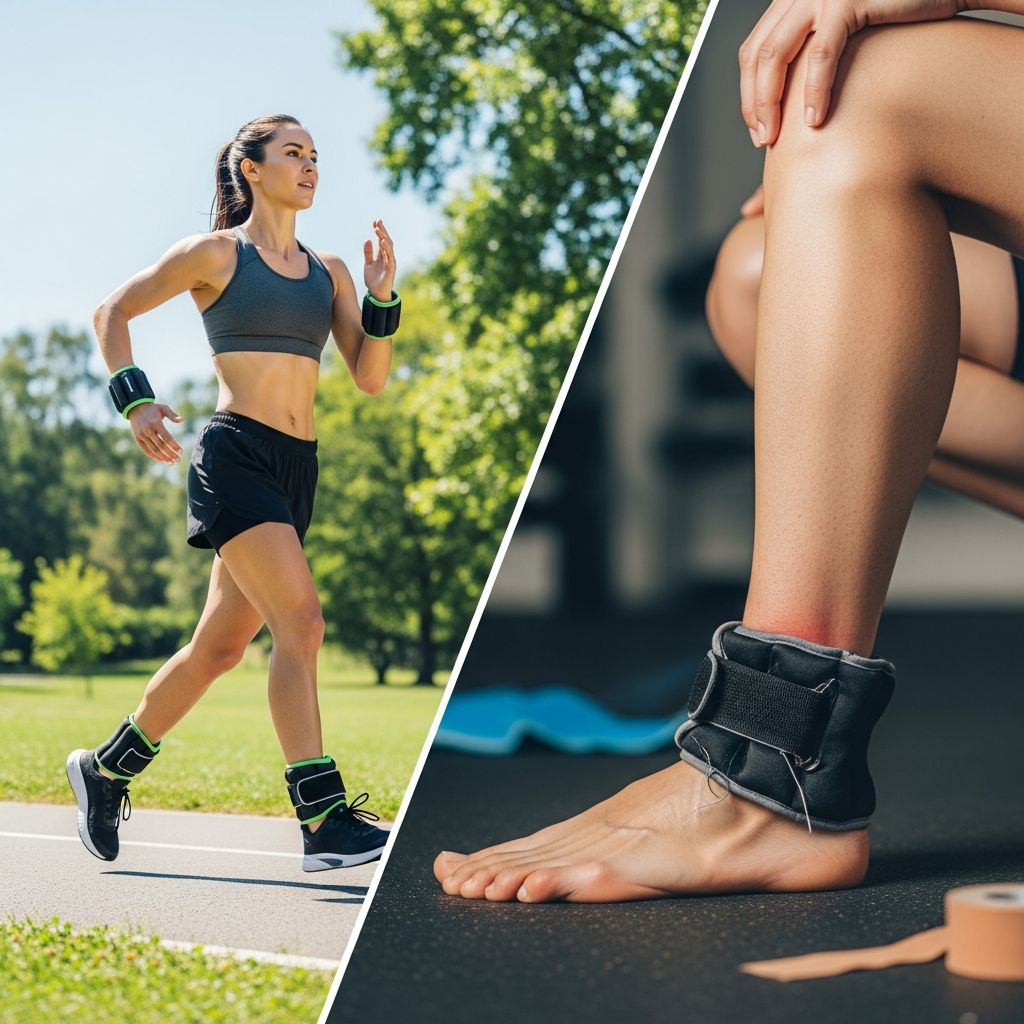
Ankle and wrist weights have become increasingly popular among fitness enthusiasts seeking to enhance their workouts and build strength without visiting a gym. These simple yet effective tools add resistance to your body during exercise, creating additional demands on your muscles and cardiovascular system. However, like many fitness interventions, wearable weights come with both significant benefits and considerable risks. Understanding how to use them correctly is essential for maximizing their positive effects while minimizing potential harm to your joints and muscles.
How Wearable Weights Work
Wearable weights function by increasing your overall body weight, which forces your cardiovascular system and muscles to exert more energy during movement. When you add weight to your wrists and ankles, every step, arm swing, or leg lift requires greater muscular effort. This increased resistance triggers physiological adaptations in your body. Your muscles respond by becoming stronger and larger, your cardiovascular system works more efficiently, and your metabolic rate increases to handle the added demands.
The science behind wearable weights is straightforward: progressive resistance training has long been established as one of the most effective methods for building muscle mass and improving overall fitness. What makes ankle and wrist weights particularly convenient is that they allow you to add this resistance to everyday movements and exercises without requiring special equipment or gym access. As your body adapts to the added load over time, you can incrementally increase the weight to continue making progress.
The Benefits of Wearable Weights
Research has demonstrated numerous advantages to using ankle and wrist weights when applied correctly:
Increased Bone Mineral Density
One of the most compelling benefits of wearable weights is their effect on bone health. The National Institutes of Health (NIH) found that ankle and wrist weights can increase bone mineral density by an average of 1% to 3%. This improvement is particularly important as we age, since bone density naturally decreases with time, especially in postmenopausal women. Stronger bones reduce the risk of osteoporosis and fractures, contributing to better long-term health and independence.
Improved Body Composition
A five-month study published in the Journal of Taibah University Medical Sciences found that ankle-wrist weight training leads to significant changes in body composition and anthropometric parameters with potential cardiovascular disease risk reduction. Additionally, a six-month study applying ankle and wrist weights for 20-minute durations, three times per week, lowered participants’ waist circumference, waist-to-hip ratio, and body fat percentage. These changes are clinically meaningful, as central fat accumulation is a major risk factor for metabolic disease, diabetes, and heart disease.
Enhanced Muscle Mass and Strength
Studies conducted by the National Institutes of Health have demonstrated improvements to muscle mass, metabolic rate, and cardiorespiratory fitness when using wearable weights appropriately. As you build muscle, your resting metabolic rate increases, meaning you burn more calories even when you’re not exercising. Increased muscle mass also contributes to better metabolic health and improved functional capacity for daily activities.
Cardiovascular Benefits
When used during non-aerobic exercises, wearable weights can improve cardiovascular health through improved metabolic parameters and overall fitness levels. The added resistance increases the intensity of your workout, providing cardiovascular stimulus without the joint impact of high-intensity running or jumping.
Related Stories



The Risks of Wearable Weights
Despite their benefits, wearable weights carry significant risks when used improperly or excessively. Understanding these dangers is crucial for safe and effective use:
Joint and Tendon Injuries
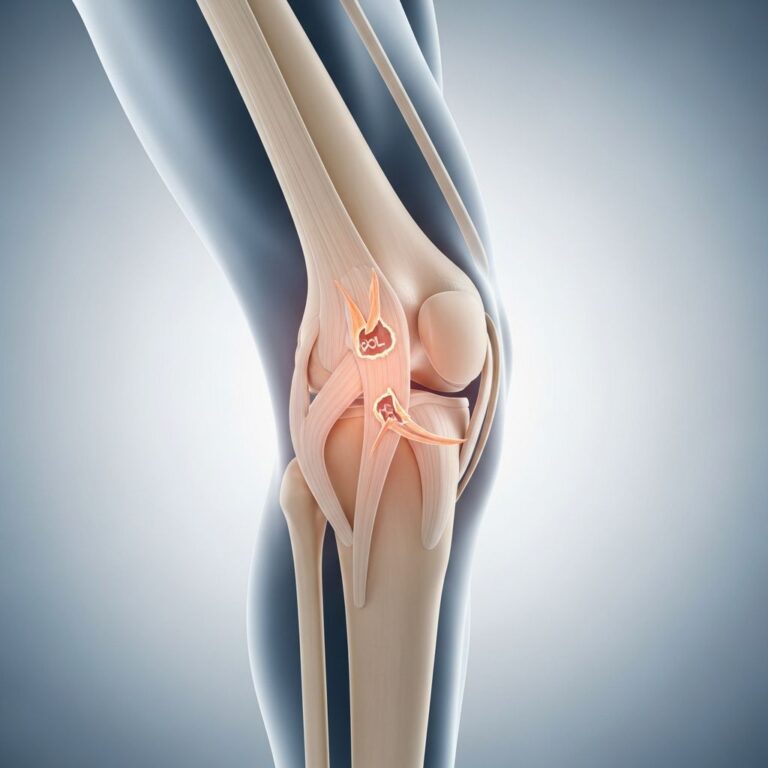
Most exercise experts strongly caution against using wearable weights during cardio workouts because they can overwork muscles, destroy muscle balance, and place excessive strain on joints. This excess strain can result in ligament or tendon injuries to the hip, back, knees, shoulders, elbows, neck, wrists, and ankles. The joints in your wrists and ankles are particularly vulnerable because they were not designed to bear significant additional weight during dynamic movement.
Muscle Imbalances
According to Terry Downey, a physical therapist with the Harvard-associated Spaulding Rehabilitation Network, wearing ankle weights during aerobic exercise forces you to use your quadriceps more than your hamstrings, causing a problematic muscle imbalance. This imbalance can lead to poor biomechanics and increase injury risk. A similar imbalance occurs when wrist weights are used during cardio as you swing your arms back and forth, altering your natural movement patterns.
Excessive Weight Overuse
One of the most common mistakes is wearing too much weight. More weight does not necessarily lead to better performance, and excessive weight can put unhealthy strain on your wrists and ankles. Many people assume that doubling the weight will double their results, when in reality, moderate progressive loading is far more effective and safer than aggressive overloading.
Determining the Right Weight to Wear
Proper dosing of wearable weights is essential for achieving benefits while avoiding injury. The amount of weight you should wear depends on several factors:
Initial Guidelines
When you first start wearing ankle and wrist weights, the combined load on both ankles should be around 1% to 2% of your body weight, or one to three pounds, whichever is less. Similarly, the combined wrist load should be about the same. For example, if you weigh 150 pounds, you should start with no more than 1.5 to 3 pounds per ankle and 1.5 to 3 pounds per wrist.
Progressive Progression
As your body adapts and your training builds muscle mass, you can gradually increase the weight load. This progressive approach allows your joints, ligaments, and tendons to adapt to the increasing demands. A measurable system to track performance metrics and clear performance objectives will ensure proper gradual increase of load and duration without compromising safety.
Individual Considerations
Your specific fitness goals, current training level, and individual characteristics should guide your weight selection. Someone training for improved speed will use different loading than someone focused on building muscle mass or increasing cardiorespiratory endurance.
| Body Weight | Recommended Starting Ankle Weight (total) | Recommended Starting Wrist Weight (total) |
|---|---|---|
| Under 100 lbs | 1 lb | 1 lb |
| 100-150 lbs | 1-2 lbs | 1-2 lbs |
| 150-200 lbs | 2-3 lbs | 2-3 lbs |
| Over 200 lbs | 3 lbs | 3 lbs |
Who Should Avoid Wearable Weights
Certain populations should be particularly cautious about or completely avoid wearable weights:
Individuals with Existing Pain or Injuries
If you’re experiencing pain in your back, hips, ankles, knees, wrists, shoulders, or elbows, you should avoid wearable weights. Likewise, if you have balance and gait issues, especially resulting from a recent injury, exercising with ankle and wrist weights could exacerbate these problems. Always consult with a healthcare provider or physical therapist before using wearable weights if you have any joint or muscle concerns.
Those with a History of Joint Problems
Wearable weights pose a safety concern if you have a history of ligament tears, dislocations, sprains, or tendinitis. These previous injuries may have left your joints more vulnerable to re-injury, and the additional stress from wearable weights could trigger a recurrence.
During High-Impact or Cardio-Focused Workouts
Wearable weights should be avoided if your workouts are predominantly cardio-focused or involve high-impact movements such as plyometrics, jumping, or running. The combination of impact forces and additional weight creates excessive stress on your joints.
Using Wearable Weights Correctly
Getting positive results from wearable weights depends entirely on using them for the right exercises with proper technique:
Appropriate Exercises
Wearable weights work best for targeted, low-impact resistance exercises such as lunges, leg lifts, arm circles, and bicep curls. These movements allow you to control the pace and intensity while minimizing joint impact. Avoid using them for running, jumping, or other high-impact activities.
Proper Placement and Fit
The weight should be placed directly above the ankle or wrist, and the straps should be fastened tightly enough that the weight doesn’t slide around. Loose weights can shift during movement, creating uneven loading and increasing injury risk. Poor positioning also reduces the effectiveness of the exercise, as the weight won’t provide consistent resistance throughout your movement.
Limited Duration
Use wearable weights for limited amounts of time and in a proportionate ratio to your total body weight. This conservative approach offers the best chance for improved biomechanics, including increased speed, strength, muscle mass, and endurance, while limiting potential for joint and muscle injury.
Frequently Asked Questions
Q: Can I wear ankle weights while running or doing cardio?
A: No. Most exercise experts recommend avoiding ankle weights during cardio workouts because they force overuse of the quadriceps, create muscle imbalances, and place excessive strain on joints, potentially causing injuries to your hips, knees, and lower back.
Q: How much weight should I add to ankle and wrist weights when starting?
A: Start with 1-3 pounds total (combined for both ankles or wrists), with a general guideline of 1-2% of your total body weight, whichever is less. This conservative approach allows your joints and muscles to adapt safely.
Q: What exercises are best for using wearable weights?
A: Low-impact, targeted resistance exercises work best, including leg lifts, lunges, arm circles, lateral raises, and bicep curls. These exercises allow controlled movement without the impact stress of running or jumping.
Q: How often should I use wearable weights?
A: Use wearable weights 2-3 times per week during targeted resistance exercises. This frequency allows adequate recovery time and prevents overuse injuries while still providing consistent stimulus for adaptation.
Q: Can wearable weights increase bone density?
A: Yes. Research from the National Institutes of Health found that ankle and wrist weights can increase bone mineral density by an average of 1-3%, which is particularly beneficial for preventing osteoporosis and fractures.
Q: What should I do if I experience pain while using wearable weights?
A: Stop using the weights immediately and consult with a healthcare provider or physical therapist. Pain is a warning sign that something is wrong, and continuing to exercise through pain can lead to serious injury.
Final Recommendations
Wearable weights can be an effective and convenient tool for building strength, improving bone density, and enhancing cardiovascular health when used correctly. The key to success lies in following several fundamental principles: start with conservative weight loads, use them exclusively for low-impact, targeted resistance exercises, maintain proper form and positioning, and progress gradually. Avoid using them during cardio workouts, high-impact activities, or if you have existing joint pain or a history of injury. By respecting these guidelines and being consistent with your training, you can harness the benefits of wearable weights while minimizing your injury risk. Remember that the most effective fitness program is one you can maintain long-term without injury, so prioritize safety and smart progression over aggressive loading.
References
- Weight, There’s More! The Risks and Benefits of Using Ankle and Wrist Weights — SimpliFaster. 2024. https://simplifaster.com/articles/ankle-wrist-weights-risks-benefits/
- Wrist and Ankle Weights: Do They Actually Work? — Baylor College of Medicine. 2024-01-16. https://www.bcm.edu/
Similar Articles








Read full bio of medha deb