Weight Control In Parkinson’s Disease: Expert Nutrition Guide
Strategies to combat weight loss and malnutrition risks in Parkinson's patients for better health outcomes.

Individuals with Parkinson’s disease often face unintended weight loss due to a combination of reduced calorie intake and elevated energy demands, which can worsen disease progression and quality of life. Maintaining stable body weight supports overall health, muscle function, and symptom management in this condition.
Understanding Weight Dynamics in Parkinson’s
Parkinson’s disease triggers systemic changes that disrupt normal energy balance, leading primarily to fat loss rather than muscle depletion. This phenomenon can begin years before formal diagnosis and persists throughout the illness, with women experiencing more pronounced declines compared to men. While some patients maintain normal or higher weights, particularly in regions with higher obesity rates, the majority contend with gradual thinning that signals advancing pathology.
Early weight reduction in parkinsonism predicts adverse outcomes like dependency, dementia, and mortality, making proactive monitoring essential. Unlike typical aging-related changes, these shifts correlate directly with non-motor and motor impairments unique to the disease.
Primary Drivers of Diminished Calorie Intake
Several non-motor symptoms impair the desire and ability to eat adequately. Olfactory loss, common in Parkinson’s and preceding other signs by years, dulls food’s appeal since smell heavily influences taste perception. This sensory deficit reduces meal enjoyment and portion sizes.
- Apathy and mood disorders: Emotional flatness or depression diminishes motivation for meal planning and consumption.
- Cognitive challenges: Deficits in attention, executive function, and spatial awareness hinder organized eating routines and recognition of hunger cues.
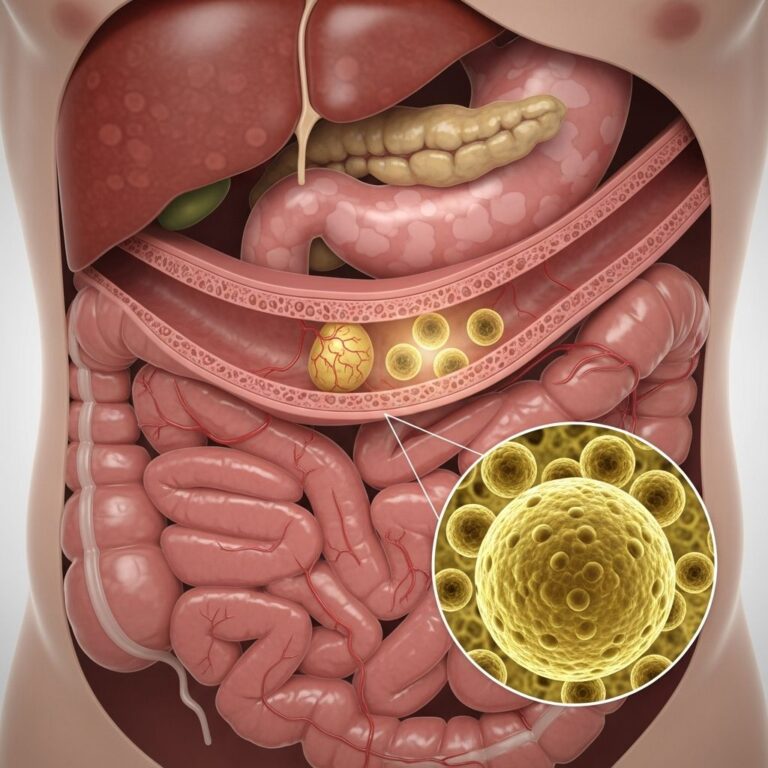
- Gut motility delays: Slowed digestion causes prolonged fullness, nausea, or constipation, deterring regular eating.
These factors create a negative feedback loop where poor nutrition exacerbates fatigue and weakness, further limiting food access.
Factors Boosting Energy Expenditure
Parkinson’s motor features demand extra calories. Involuntary movements like dyskinesias, often from levodopa therapy, burn significant energy through constant motion. Tremors and rigidity similarly elevate metabolic rates, as evidenced by studies showing higher resting expenditure in affected individuals versus controls.
Indirect calorimetry confirms this uptick, linking it to clinical signs like sustained shaking or stiffness. Deep brain stimulation, which often reduces these, has been observed to reverse weight loss by normalizing energy use. Physical activity for therapy or daily function adds to the caloric deficit if intake doesn’t compensate.
Swallowing and Digestion Complications
Dysphagia affects over 80% of patients eventually, prompting cautious, smaller bites to avoid aspiration risks. This slows meals and cuts total consumption. Combined with gastroparesis, it impairs nutrient absorption, compounding malnutrition even if eating volume seems sufficient.
Mobility limitations from bradykinesia or balance issues restrict grocery shopping, cooking, and self-feeding, creating practical barriers to nutrition.
Related Stories



Health Implications of Weight Instability
Beyond aesthetics, low weight heightens frailty, accelerates motor decline, and impairs medication efficacy. Malnutrition correlates with cognitive deterioration, orthostatic hypotension, and heightened mortality risk. Conversely, strategic weight preservation bolsters resilience against complications.
| Weight Status | Associated Risks | Potential Benefits of Management |
|---|---|---|
| Unintended Loss | Frailty, faster progression, poorer QoL | Stabilized symptoms, better drug response |
| Stable/Normal | Balanced energy, sustained strength | Reduced hospitalization odds |
| Gain (if overweight) | Possible mobility strain | Energy reserves for therapy |
Comprehensive Assessment Approaches
Any weight drop warrants thorough evaluation, including bloodwork for thyroid or inflammatory issues, nutritional screens, and swallow studies. Track body mass index alongside disease stage, meds, and symptoms via regular weigh-ins. Dietitians specializing in neurology can pinpoint deficits using tools like food diaries.
Nutritional Interventions for Stability
Counter loss by prioritizing dense, easy-to-consume foods. Aim for frequent mini-meals over large ones to bypass appetite slumps and gut delays.
- Calorie boosters: Add nuts, avocados, olive oil, or full-fat dairy to staples for effortless surplus.
- Protein emphasis: Include lean meats, eggs, beans, and shakes to preserve muscle amid inactivity.
- Hydration aids: Flavor water with fruits; soups double as fluids and calories.
Supplements like protein powders or multivitamins bridge gaps, but consult providers first to avoid interactions.
Overcoming Eating Barriers
Enhancing Appeal and Ease
Experiment with textures: purees or soft foods for dysphagia; spices or herbs for flavor when smell fades. Adaptive tools like angled spoons or jar openers aid independence.
Medication and Symptom Tuning
Adjust levodopa timing to minimize nausea or dyskinesias during meals. Anti-emetics or antidepressants can revive appetite if indicated. Speech therapy strengthens swallow muscles, boosting intake confidence.
Exercise and Lifestyle Integration
Balanced activity preserves muscle without excess burn. Strength training counters sarcopenia; tai chi improves balance for kitchen safety. Group classes foster social eating motivation.
Family involvement—prepping grab-and-go packs or shared meals—eases burdens. Home delivery services ensure access despite mobility woes.
Specialized Therapies and Monitoring
Deep brain stimulation candidates may see weight stabilization post-procedure due to tremor reduction. Enteral feeding is rare but considered in severe dysphagia. Ongoing dietitian follow-ups tailor plans as disease evolves.
Common Questions on Parkinson’s Nutrition
Q: How much weight loss is concerning?
A: Over 5-10% in six months signals need for intervention, especially if tied to frailty.
Q: Can supplements replace meals?
A: No; use as adjuncts. Whole foods provide fiber and satiety crucial for gut health.
Q: Does every PD patient lose weight?
A: No, but 30-60% do; early detection prevents extremes.
Q: What if gain is unwanted?
A: Focus on lean proteins and veggies; monitor meds like dopamine agonists that promote retention.
Q: How to track progress?
A: Weekly weights, monthly circumferences (arms, waist), and energy logs guide adjustments.
Long-Term Outlook and Prevention
Early nutrition focus alters trajectories, curbing complications. Collaborate with neurologists, therapists, and dietitians for holistic care. Patient education empowers sustained habits, enhancing vitality amid Parkinson’s challenges.
References
- Weight Loss and Malnutrition in Patients with Parkinson’s Disease — PMC. 2017-12-29. https://pmc.ncbi.nlm.nih.gov/articles/PMC5780404/
- Parkinson’s Disease, Malnutrition and Weight Loss — Stony Brook Medicine. Accessed 2026. https://southampton.stonybrookmedicine.edu/services/parkinson-disease/ltv-eat-well/july-episode
- Weight Loss and Parkinson’s disease — APDA. Accessed 2026. https://www.apdaparkinson.org/what-is-parkinsons/symptoms/weight-loss-parkinsons-disease/
- Early weight loss in parkinsonism predicts poor outcomes — Neurology.org. 2017-06-06. https://www.neurology.org/doi/10.1212/WNL.0000000000004691
- Ask the MD: Weight Loss and Parkinson’s Disease — Michael J. Fox Foundation. Accessed 2026. https://www.michaeljfox.org/news/ask-md-weight-loss-and-parkinsons-disease
- Maintaining a healthy weight with Parkinson’s disease — Orbit Health. Accessed 2026. https://orbit.health/maintaining-a-healthy-weight-parkinsons/
- Parkinson’s Disease and How to Stop Weight Loss — Northwestern Medicine. Accessed 2026. https://www.nm.org/-/media/northwestern/resources/patients-and-visitors/patient-education/diet-and-nutrition/northwestern-medicine-parkinsons-how-to-stop-weight-loss.pdf
Similar Articles








Read full bio of Sneha Tete