Weight Gain After Zepbound: 5 Proven Tips To Prevent Regain
Understanding why weight gain happens after stopping Zepbound and strategies to prevent regain.
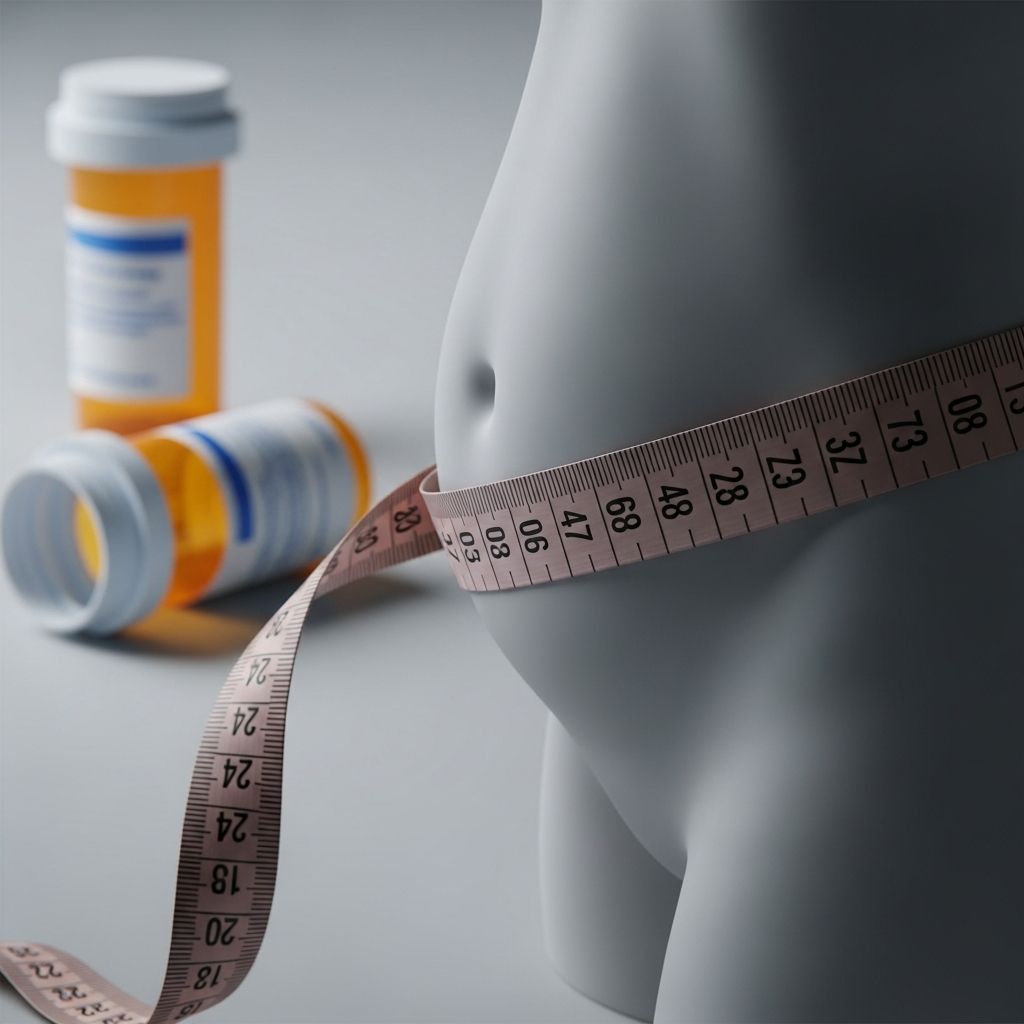
Zepbound (tirzepatide), a dual GIP/GLP-1 receptor agonist approved for chronic weight management, delivers substantial weight loss by suppressing appetite, slowing gastric emptying, and improving insulin sensitivity. Clinical trials demonstrate average losses of 15-21% body weight over 72 weeks at doses of 5-15 mg weekly. However, discontinuing treatment often results in significant weight regain, with studies showing 2/3 of lost weight returning within a year due to reversal of these mechanisms and metabolic adaptations.
Why Does Weight Gain Happen After Stopping Zepbound?
Weight regain after Zepbound stems from the rapid reversal of the drug’s physiological effects combined with behavioral and metabolic factors. Tirzepatide normalizes hormones like GLP-1 and GIP, reducing hunger and enhancing satiety; cessation eliminates this control, leading to heightened appetite and cravings. Additionally, substantial weight loss lowers resting metabolic rate by 10-15%, creating an energy imbalance favoring fat storage. Longitudinal data from GLP-1 trials indicate that without sustained intervention, regained weight often exceeds initial losses in composition, favoring fat over lean mass.
- Appetite rebound: Drug-induced suppression lifts, causing hyperphagia in 60-70% of patients.
- Metabolic slowdown: Basal metabolic rate drops post-loss, amplified by muscle loss during rapid dieting.
- Hormonal shifts: Ghrelin rises, leptin falls, impairing satiety signals.
- Habit reversion: Pre-treatment eating patterns resume without pharmaceutical support.
How Much Weight Do People Regain?
Real-world and trial data consistently show high regain rates. In the SURMOUNT-4 trial extension, participants regaining access to tirzepatide after a 52-week placebo period (during which they regained ~14% body weight) lost an additional 5.5% when resuming therapy. Without medication, average regain reaches 66% of lost weight at 1 year and 90-120% by year 2. A person losing 50 lbs on Zepbound might regain 33 lbs within 12 months absent lifestyle changes.
| Time After Stopping | Average % Regain | Example (50 lb Loss) |
|---|---|---|
| 3 months | 20-30% | 10-15 lbs |
| 6 months | 40-60% | 20-30 lbs |
| 12 months | 60-80% | 30-40 lbs |
Factors Increasing Risk of Weight Regain
Not all patients regain equally; certain profiles predict poorer maintenance. Women face amplified risks from hormonal fluctuations (e.g., menstrual cycles, PCOS, menopause), contributing 2-5 lb cyclical variations. Lower baseline BMI (<30) correlates with less initial loss but similar regain percentages. Poor adherence to diet/exercise during treatment doubles 1-year regain odds.
- Short treatment duration: <6 months yields minimal metabolic adaptation, accelerating rebound.
- Rapid initial loss: >2 lb/week promotes muscle catabolism, depressing metabolism.
- Age >50: Sarcopenia and lower NEAT exacerbate regain.
- Untreated comorbidities: Hypothyroidism, insulin resistance hinder sustained loss.
- Low dose at discontinuation: Sub-10 mg maintenance limits long-term adaptations.
Preventing Weight Gain After Zepbound
Maintenance requires a multi-modal approach emphasizing pharmacotherapy extension, behavioral reinforcement, and metabolic preservation. Experts advocate lowest effective dose continuation (e.g., 5 mg weekly) for high-risk patients, yielding 80% less regain vs. abrupt cessation. Pair with high-protein diets (1.6 g/kg body weight) to preserve lean mass and boost satiety.
- Taper gradually: Reduce dose over 8-12 weeks to blunt appetite surge.
- Intensify protein/fiber: Target 30% calories from protein; soluble fiber curbs hunger.
- Resistance training: 3x/week preserves muscle, countering 20-25% metabolic drop.
- Monitor biweekly: Early intervention prevents 5+ lb gains.
- Consider adjuncts: Metformin or SGLT2 inhibitors for metabolic support.
What to Do If You’ve Already Gained Weight
Related Stories



Regain is reversible; resuming Zepbound at prior dose typically recaptures 70-90% of lost weight within 6 months, per SURMOUNT data. Rule out confounders like hypothyroidism (TSH screening) or fluid retention first. Behavioral reset via structured programs (e.g., cognitive therapy for eating) sustains 50% greater long-term loss vs. medication alone.
Expert Insights on Long-Term Management
Dr. Kristina D. Carter, PharmD, notes: “Zepbound excels for initiation but demands integration with sustainable habits for maintenance. Dose optimization during titration prevents early stalls, while higher maintenance doses (10-15 mg) correlate with 5-7% superior retention.” Real-world adherence falters at 50% by year 1, underscoring counseling importance.
Frequently Asked Questions (FAQs)
Is weight gain inevitable after stopping Zepbound?
No, but common. With lifestyle adherence and possible low-dose continuation, 40-60% maintain >50% loss at 2 years.
How quickly does regain start?
Appetite surges within 1-2 weeks; 5-10 lb gains typical by month 1.
Can I restart Zepbound after regain?
Yes, effective even after 1+ year off, though initial response may attenuate slightly.
Does exercise prevent all regain?
Resistance training + cardio preserves 20-30% more loss vs. diet alone.
What if low dose caused my initial stall?
Titrate to 10-15 mg; SURMOUNT shows dose-response up to max.
Choosing the Right Path Forward
Consult providers for personalized plans. Zepbound’s efficacy persists with strategic use, but lifelong management mindset is key to defying regain statistics.
References
- Zepbound (tirzepatide) Injection, for subcutaneous use — U.S. Food and Drug Administration (FDA). 2025. https://www.accessdata.fda.gov/drugsatfda_docs/label/2025/217806s031lbl.pdf
- What to Know About Not Losing Weight On Zepbound — Healthline (medically reviewed by Kristina D. Carter, PharmD, MBA, MHA). 2025-11-20. https://www.healthline.com/health/drugs/not-losing-weight-on-zepbound
- SURMOUNT-4 Trial: Tirzepatide Once Weekly for Maintenance of Weight Reduction — New England Journal of Medicine (Jastreboff et al.). 2024-10-31. https://www.nejm.org/doi/full/10.1056/NEJMoa2404277
- Weight Regain and Cardiometabolic Effects After Withdrawal of Semaglutide — Annals of Internal Medicine (Wilding et al.). 2022-12-13. https://www.acpjournals.org/doi/10.7326/M22-1452
- Tirzepatide Once Weekly for the Treatment of Obesity — New England Journal of Medicine (Jastreboff et al., SURMOUNT-1). 2022-07-21. https://www.nejm.org/doi/full/10.1056/NEJMoa2206038
Similar Articles








Read full bio of Sneha Tete