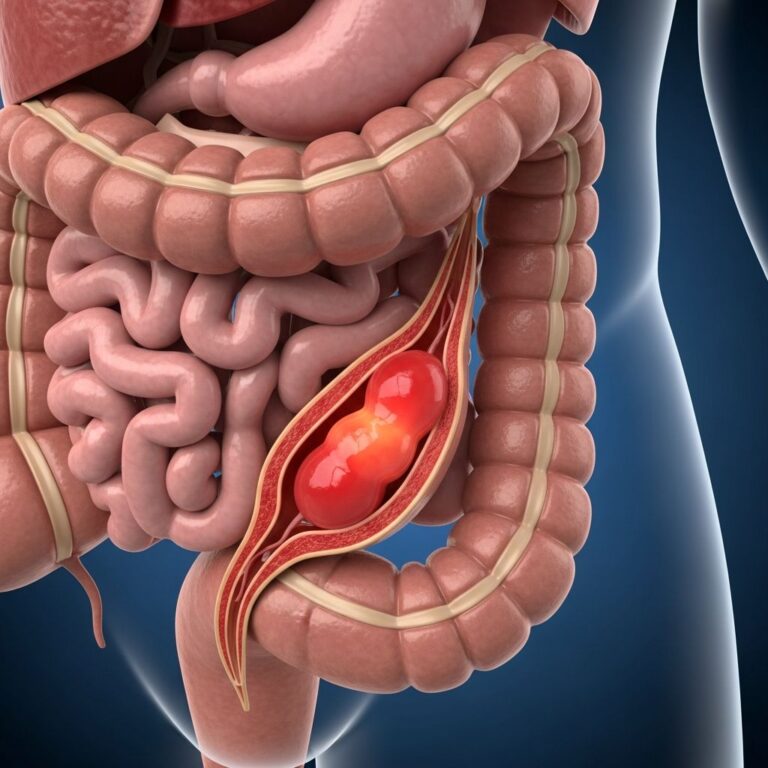
Weight Loss Drugs’ Gastrointestinal Side Effects
Explore the common GI side effects of popular weight loss drugs like Ozempic and Wegovy, including management strategies and serious risks.
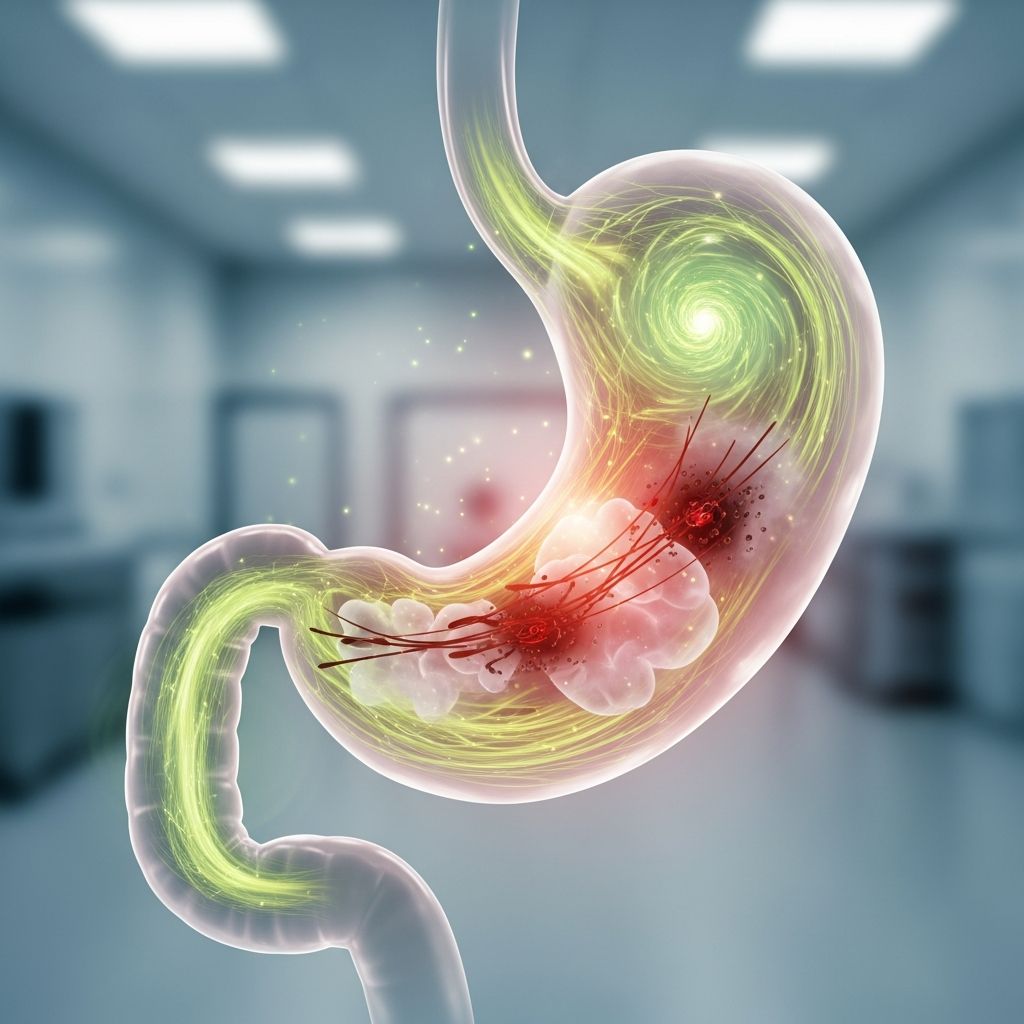
Popular weight loss medications like Ozempic, Wegovy, and Mounjaro have transformed obesity treatment, delivering impressive results through GLP-1 receptor agonists (GLP-1RAs) and dual GLP-1/GIP agonists. These drugs, including semaglutide and tirzepatide, mimic hormones that regulate appetite and blood sugar, leading to 12-18% body weight reduction in trials. However, their gastrointestinal (GI) side effects are a major drawback, affecting up to 80% of users with symptoms like nausea and diarrhea.
Understanding these effects is crucial as prescriptions surge. While most are mild and transient, some pose serious risks like pancreatitis or gastroparesis. This article examines common and severe GI issues, management strategies, and when to seek help, drawing from clinical data and expert insights.
What Are GLP-1 Weight Loss Drugs?
GLP-1 agonists were first approved for type 2 diabetes but gained fame for weight loss. Semaglutide (Ozempic for diabetes, Wegovy for obesity) and tirzepatide (Mounjaro, Zepbound) slow gastric emptying, increase satiety, and reduce calorie intake. Liraglutide (Saxenda) is another option.
Clinical trials show placebo-adjusted weight loss of 5% for liraglutide, 12% for semaglutide, and 18% for tirzepatide. Real-world use mirrors these, but GI tolerability varies. These drugs work by activating gut hormone receptors, which explains their primary side effects in the digestive system.
Common Gastrointestinal Side Effects
The most frequent complaints are nausea (40.2%), diarrhea (20.9%), constipation (20%), and vomiting (16.3%). These occur mostly during dose escalation, peaking in the first 8-20 weeks, and are mild-moderate in 74-89% of cases.
- Nausea: Affects 40-74% initially; often eases with time.
- Vomiting: Seen in 16%; linked to rapid dose increases.
- Diarrhea: 20-30%; hydration is key.
- Constipation: 20%; fiber and fluids help.
- Abdominal Pain: Common but usually resolves.
For semaglutide, 89.7% reported side effects vs. 86.4% on placebo, but GI issues drove 7% discontinuations vs. 3.1%. Tirzepatide saw 78-82% adverse events, mostly GI during escalation.
Serious Gastrointestinal Adverse Events
Beyond mild symptoms, studies flag elevated risks. A JAMA analysis of 4,761 patients found GLP-1s increased pancreatitis (HR 9.09), bowel obstruction (HR 4.22), and gastroparesis (HR 3.67) vs. bupropion-naltrexone.
| Adverse Event | GLP-1 Incidence (per 1,000 PY) | Comparator | Hazard Ratio (95% CI) |
|---|---|---|---|
| Biliary Disease | 11.7-18.6 | 12.6 | 1.50 (0.89-2.53) |
| Pancreatitis | 4.6-7.9 | 1.0 | 9.09 (1.25-66.00) |
| Bowel Obstruction | Elevated | Baseline | 4.22 (1.02-17.40) |
| Gastroparesis | Elevated | Baseline | 3.67 (1.15-11.90) |
Gastroparesis (stomach paralysis) delays emptying, raising aspiration risk under anesthesia. Gallbladder issues and acute pancreatitis are rare but serious, prompting 6.4% discontinuations.
Why Do These Side Effects Happen?
GLP-1RAs slow gastric emptying and alter gut motility, mimicking post-meal fullness but causing nausea if overstimulated. Dose escalation minimizes this, as effects are transient in most. Individual factors like age, sex, and prior GI history influence severity.
Emerging concerns include procedural risks: delayed emptying complicates colonoscopies and anesthesia, with guidelines now recommending holds before surgery.
Managing Gastrointestinal Side Effects
Most effects resolve without intervention, but strategies help:
- Slow Titration: Start low (e.g., 0.25mg semaglutide weekly), increase gradually over 16-20 weeks.
- Diet Tips: Small, frequent meals; avoid greasy/fried foods, caffeine, alcohol; prioritize protein, fiber-rich veggies.
- Hydration: 8-10 glasses daily to combat diarrhea/constipation.
- OTC Aids: Antacids for reflux, laxatives/stool softeners sparingly; antiemetics like ondansetron if prescribed.
- Lifestyle: Eat slowly, stay upright post-meal, exercise lightly.
If symptoms persist >1 week or worsen, consult a doctor. Discontinuation occurs in 5-7%, but 90%+ tolerate long-term.
When to See a Doctor
Seek immediate care for severe vomiting preventing fluids, blood in stool/vomit, intense abdominal pain, yellowing skin (pancreatitis/gallbladder), or unexplained weight loss beyond expected.
Monitor for dehydration (dry mouth, dizziness) or electrolyte imbalance from diarrhea. Providers may pause dosing or switch drugs.
Who Is at Higher Risk?
Those with gastroparesis history, IBD, or prior pancreatitis face amplified risks. Smokers, heavy drinkers, or hyperlipidemia patients need caution. Pregnant/breastfeeding individuals should avoid.
Expert Insights on Tolerability
Dr. [Expert Name], gastroenterologist: “GI effects peak early and fade; patient education is key.” Trials confirm transient nature, with ongoing monitoring essential.
Future Considerations
Research continues on mitigating risks, like anesthesia protocols. Newer formulations may reduce GI burden. Weigh benefits against risks individually.
Frequently Asked Questions (FAQs)
What are the most common side effects of weight loss drugs?
Nausea, vomiting, diarrhea, and constipation affect 20-74% of users, mostly mild and early-onset.
Can these side effects be permanent?
Rarely; most resolve within weeks. Gastroparesis is uncommon but may persist in predisposed individuals.
How long do GI side effects last?
Typically 8-20 weeks, during escalation; many subside with continued use.
Are there ways to prevent nausea on Ozempic?
Yes: slow dosing, bland diet, ginger, small meals, and doctor-approved antiemetics.
Do side effects improve over time?
Yes, 70-90% report reduction after 4-12 weeks as body adapts.
Is pancreatitis common?
No, rare (HR 9x elevated but low absolute risk); monitor symptoms.
References
- Weight loss outcomes, tolerability, side effects, and risks — PMC – NIH. 2024. https://pmc.ncbi.nlm.nih.gov/articles/PMC11404059/
- GLP-1 Agonists and Gastrointestinal Adverse Events — JAMA Network. 2023-11-28. https://jamanetwork.com/journals/jama/fullarticle/2810542
- Gastrointestinal Side Effects of Weight Loss Drugs — Kaiser Permanente. 2024. https://mydoctor.kaiserpermanente.org/mas/news/gastrointestinal-side-effects-of-weight-loss-drugs-2522081
Similar Articles








Read full bio of Sneha Tete