What Happens to Your Body When You Lose Weight
Discover the profound physical and mental transformations your body undergoes during and after weight loss, backed by science.

Weight loss triggers a cascade of physiological changes in your body, including metabolic adaptations, shifts in body composition, and enhancements in cardiometabolic health. These effects occur regardless of the specific diet, as long as an energy deficit is maintained, with benefits like reduced visceral fat and improved cholesterol levels often seen even without significant weight reduction.
1. Your Metabolism Slows Down (But Not as Much as You Think)
When you lose weight, your basal metabolic rate (BMR)—the calories your body burns at rest—decreases due to the loss of body mass and adaptive thermogenesis. Research shows this metabolic adaptation helps conserve energy, potentially making further weight loss harder, but the primary driver remains calorie restriction.
Studies indicate that for every kilogram lost, energy expenditure drops modestly, yet strategies like high-protein intake can mitigate this by preserving lean muscle mass, which supports higher metabolism. A review of macronutrient diets found that while initial weight loss is similar across low-fat, low-carb, and Mediterranean plans, long-term metabolic health improves most with Mediterranean-style eating.
- Adaptive thermogenesis: Body reduces non-exercise activity thermogenesis (NEAT) to save energy.
- Muscle preservation: Adequate protein (1.2-1.6g/kg body weight) during calorie deficits prevents excessive BMR drop.
- Real-world impact: Participants in trials lost 5-10% body weight with 10-15% BMR reduction, but cardiometabolic markers still improved.
2. You Lose Fat—But Also Some Muscle and Water
Effective weight loss primarily targets fat stores, but up to 25% of initial loss can be lean mass (muscle and water) without proper nutrition. Very-low-calorie diets (VLCDs) with meal replacements achieve 2-6kg more loss than standard plans but require protein focus to minimize muscle catabolism.
High-protein diets (25-30% of calories) enhance fat-specific loss and satiety, reducing regain risk. Ketogenic and Mediterranean diets show similar fat reduction, with the latter excelling in visceral fat loss.
| Weight Loss Component | Percentage of Total Loss | Strategies to Optimize |
|---|---|---|
| Fat mass | 70-80% | Calorie deficit + strength training |
| Lean mass (muscle) | 15-25% | High protein, resistance exercise |
| Water/glycogen | 5-10% initially | Hydration, carb cycling |
Preserving muscle is crucial: each kg of muscle burns ~13kcal/day extra at rest.
3. Your Hunger Hormones Go Haywire
Weight loss elevates ghrelin (hunger hormone) by up to 20-30% and lowers leptin (satiety hormone), increasing appetite. This drives regain in 80% of cases within 5 years, but high-protein and fiber-rich diets blunt this effect.
Intermittent fasting and ketogenic diets suppress hunger via ketone production and metabolic switching, comparable to daily restriction. In trials, weight-loss-resistant individuals still saw leptin drops and reduced hunger with healthy diets.
- Ghrelin spike: Peaks 6-12 months post-loss.
- Leptin adaptation: Fat loss signals brain to eat more; mitigated by omega-3s and protein.
Related Stories



4. Your Heart Gets Stronger
Losing 5-10% body weight lowers blood pressure by 5-10mmHg, reduces triglycerides by 20%, and boosts HDL by 5-10mg/dL. Mediterranean diets provide the strongest cardiometabolic benefits, independent of weight loss.
Harvard-led studies confirm 28% of adherents gained metabolic perks like less visceral fat without weight change. Mayo Clinic Diet emphasizes fruits/veggies for sustained heart health.
5. Your Blood Sugar Stabilizes
Weight loss improves insulin sensitivity by 30-50%, aiding type 2 diabetes remission. VLCKDs achieve this in 50-60% of cases for 2+ years. Low-carb and Mediterranean diets excel here.
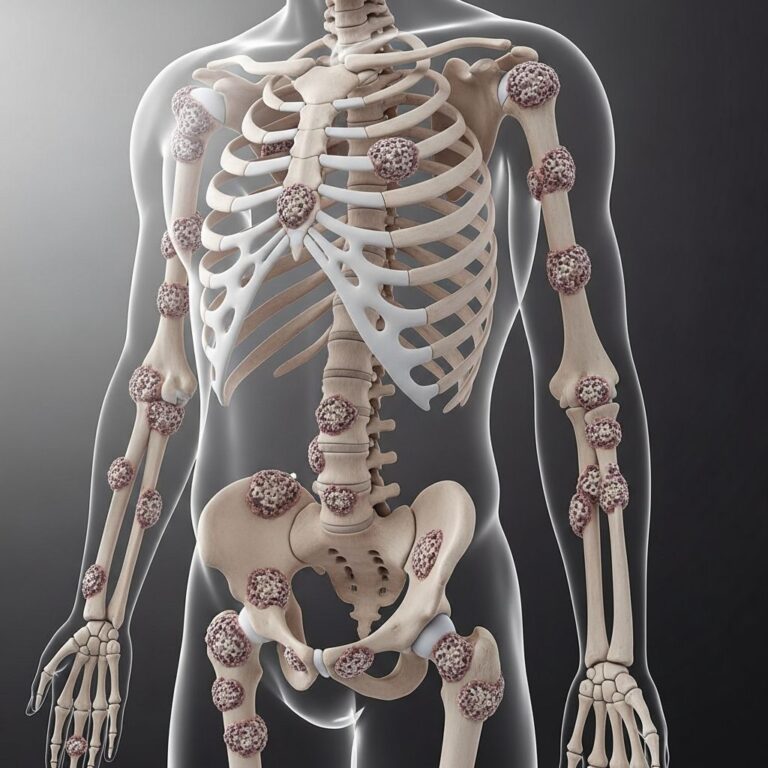
6. Your Joints Thank You
Every pound lost unloads 4 pounds of pressure from knees. 10% loss halves osteoarthritis risk.
7. Your Skin Might Sag (Temporarily)
Rapid loss (>2lbs/week) risks loose skin; gradual loss with collagen-rich foods helps.
8. Your Brain Chemistry Changes
Weight loss boosts dopamine sensitivity, reducing emotional eating. Mediterranean diets improve mood/cognition.
9. Your Gut Microbiome Evolves
Energy-dense diets cause dysbiosis; fiber-rich plans restore balance, aiding weight control.
10. Your Sleep Improves
Less fat reduces sleep apnea by 26% per 10kg lost.
11. You Might Lose Hair (But It’s Usually Temporary)
Nutrient deficits cause telogen effluvium; protein/iron prevent it.
12. Your Gallbladder Could Rebel
Rapid loss increases stones 10-25%; ursodiol mitigates.
The Best Diets for Sustainable Weight Loss
Energy deficit drives loss; Mediterranean tops for maintenance.
| Diet Type | Weight Loss (6-12mo) | Key Benefits |
|---|---|---|
| Mediterranean | 5-10% | Heart health, sustainability |
| Low-Carb/Keto | 6-12% | Appetite control |
| High-Protein | 5-8% | Muscle preservation |
| VLCD/Meal Replacement | 10-15% | Rapid initial loss |
Frequently Asked Questions (FAQs)
What is the most important factor for weight loss?
An energy deficit through calorie restriction, supported by any balanced diet.
Do all healthy diets lead to weight loss?
No, 28% see benefits without loss; focus on metabolic health.
How much protein during weight loss?
1.2-2.0g/kg to preserve muscle.
Is keto safe long-term?
Effective short-term; more data needed for longevity.
Can I maintain weight loss forever?
Yes, with lifelong habits like Mayo Clinic pyramid.
References
- Optimal Diet Strategies for Weight Loss and Weight Loss Maintenance — J Acad Nutr Diet. 2021-04-01. https://pmc.ncbi.nlm.nih.gov/articles/PMC8017325/
- Adopting a healthy diet may have cardiometabolic benefits regardless of weight loss — Harvard T.H. Chan School of Public Health. 2024-06-05. https://hsph.harvard.edu/news/adopting-a-healthy-diet-may-have-cardiometabolic-benefits-regardless-of-weight-loss/
- The Mayo Clinic Diet: A weight-loss program for life — Mayo Clinic. 2023-01-01. https://www.mayoclinic.org/healthy-lifestyle/weight-loss/in-depth/mayo-clinic-diet/art-20045460
Similar Articles








Read full bio of medha deb