Weight Loss For Fatty Liver: 3 Effective Strategies
How shedding excess pounds can prevent and reverse fatty liver disease complications.
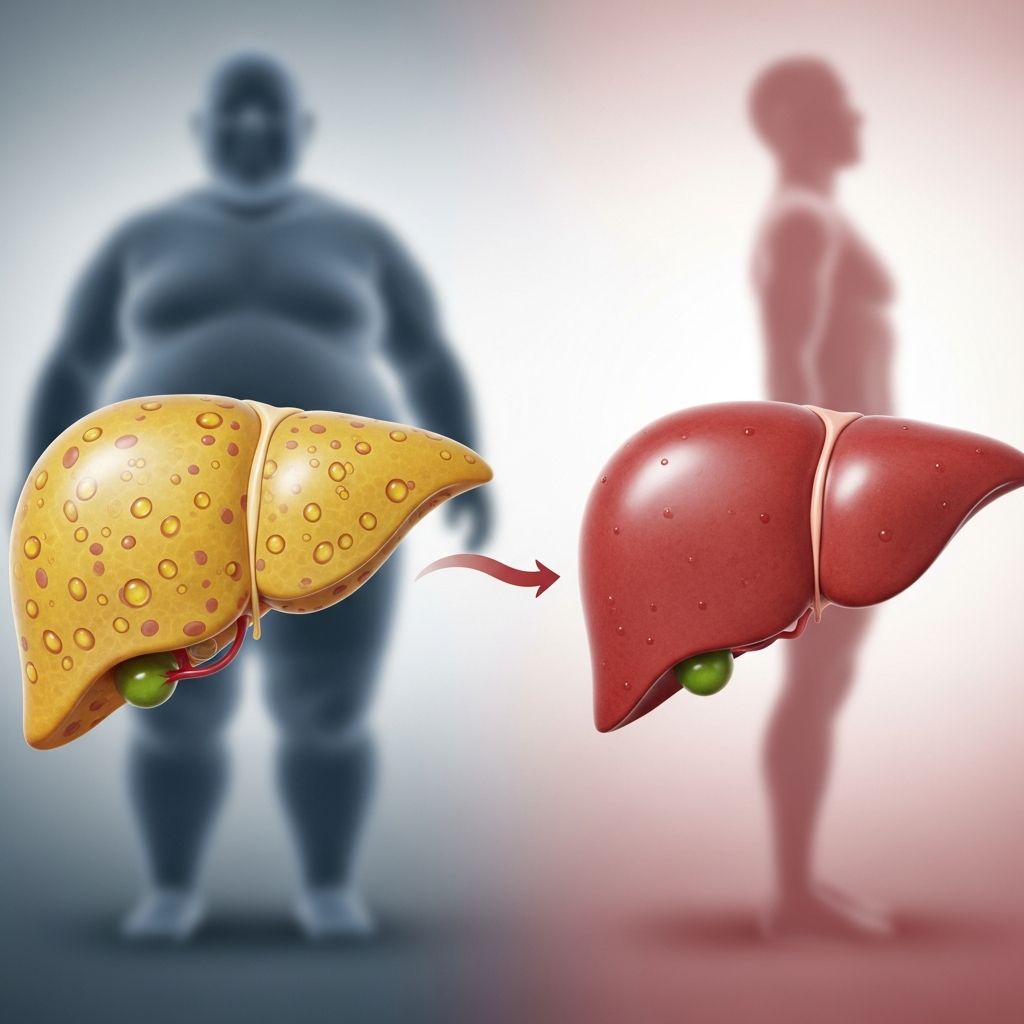
Understanding Fatty Liver Disease and Weight Loss
Fatty liver disease has become one of the most common liver conditions in the United States, affecting millions of individuals across all age groups. Non-alcoholic fatty liver disease (NAFLD) occurs when fat accumulates in liver cells, compromising the organ’s ability to function properly. The relationship between excess weight and fatty liver disease is remarkably direct: obesity significantly increases the risk of developing this condition, and conversely, weight loss offers one of the most effective interventions for reversing it.
When excess weight accumulates in the body, particularly around the abdomen, it creates a metabolic environment that promotes fat storage in the liver. This excess fat triggers inflammation and oxidative stress within liver cells, leading to a cascade of damage that can eventually progress to more serious conditions like cirrhosis and liver failure. However, the encouraging news is that this process can be reversed through deliberate weight reduction.
The Connection Between Weight and Liver Fat
Research demonstrates a powerful correlation between body weight and hepatic fat content. Even modest amounts of excess weight contribute to fatty liver development, and overweight individuals face substantially higher risk than their normal-weight counterparts. The liver acts as the body’s primary metabolic organ, processing nutrients and regulating glucose and lipid metabolism. When excess weight accumulates, particularly visceral fat around internal organs, it disrupts these metabolic pathways.
Insulin resistance represents a key mechanism linking obesity to fatty liver disease. In overweight individuals, cells become less responsive to insulin signals, causing the pancreas to produce more insulin to maintain normal blood glucose levels. This hyperinsulinemia promotes fatty acid synthesis and inhibits fat breakdown, resulting in excessive fat accumulation in the liver. Weight loss improves insulin sensitivity, allowing the body to regulate blood sugar more effectively and reducing the metabolic drivers of hepatic fat accumulation.
How Weight Loss Reverses Liver Damage
Reducing Inflammation
One of the primary mechanisms through which weight loss improves fatty liver disease involves reducing systemic and hepatic inflammation. Excess adipose tissue, particularly visceral fat, functions as an endocrine organ that produces inflammatory molecules called adipokines. These substances directly damage liver cells and promote the progression from simple steatosis (fat accumulation) to steatohepatitis (inflammation and cell damage).
When individuals lose weight, adipose tissue mass decreases, inflammatory cytokine production diminishes, and liver inflammation subsides. Studies show that weight loss significantly reduces markers of liver inflammation, including elevated transaminase enzymes in the blood, indicating improved liver cell integrity.
Improving Insulin Sensitivity
Weight reduction directly improves insulin sensitivity across all tissues, including the liver. As insulin resistance improves, the liver receives clearer signals to stop synthesizing excess triglycerides and begins mobilizing stored fat for energy. This metabolic shift is fundamental to reversing fatty liver disease, as it addresses the root cause rather than merely treating symptoms.
Even moderate weight loss of 5-10 percent of total body weight produces measurable improvements in insulin sensitivity and reductions in hepatic fat content. Individuals who achieve greater weight loss experience more substantial benefits, with some studies documenting near-complete resolution of fatty liver disease in patients who achieve significant weight reduction.
Related Stories



Restoring Normal Liver Function
As fat accumulation decreases and inflammation resolves, the liver gradually restores its normal functional capacity. The organ can more efficiently process nutrients, regulate metabolism, and perform its approximately 500 vital physiological functions. Liver enzyme levels normalize, indicating reduced cellular stress and injury, and the risk of progression to cirrhosis and liver failure diminishes dramatically.
Effective Strategies for Weight Loss with Fatty Liver Disease
Dietary Modifications
Dietary changes form the cornerstone of weight management for individuals with fatty liver disease. The most evidence-based approach involves reducing caloric intake while emphasizing whole, nutrient-dense foods that support liver health.
Key dietary principles include:
- Eliminating sugary drinks and beverages, including sodas and fruit juices, which contribute excess calories and promote insulin resistance
- Avoiding deep-fried foods prepared in unhealthy oils, as these contain oxidative compounds that damage liver cells
- Minimizing ultra-processed foods high in refined carbohydrates, added sugars, and unhealthy fats
- Incorporating antioxidant-rich beverages such as black coffee, green tea, and black tea, which provide liver-protective compounds
- Consuming foods with strong anti-inflammatory properties, including turmeric-containing dishes, berries, broccoli, and beets
- Using healthy fats like olive oil for cooking, which provides antioxidants and supports metabolic health
- Including adequate protein from sources such as fish, tofu, and legumes
A Mediterranean-style dietary pattern, emphasizing whole grains, abundant vegetables, healthy fats, and lean proteins, has demonstrated particular effectiveness for reversing fatty liver disease while supporting sustainable weight loss.
Physical Activity and Exercise
Regular physical activity complements dietary modifications and enhances weight loss outcomes. Exercise improves insulin sensitivity independent of weight loss and directly reduces hepatic fat content through multiple mechanisms, including improved mitochondrial function and reduced oxidative stress in liver cells.
Effective exercise programs combine aerobic activity with resistance training. Daily walks or jogging sessions of 20 to 30 minutes, performed at least five days per week, provide cardiovascular benefits and support calorie expenditure. Resistance training performed 3 to 4 times weekly builds lean muscle mass, which increases metabolic rate and improves glucose regulation.
Even individuals who achieve only modest weight loss through consistent exercise demonstrate significant improvements in liver fat content, suggesting that the metabolic benefits of physical activity extend beyond simple calorie burning.
Sustainable Behavioral Changes
Successful, lasting weight loss requires sustainable behavioral changes rather than temporary restrictive diets. Individuals benefit from working with healthcare providers or registered dietitians to develop personalized strategies aligned with their preferences and lifestyles.
Effective approaches include tracking dietary intake, setting realistic weight loss goals, identifying and addressing emotional eating patterns, and developing strategies for maintaining motivation. Regular monitoring of progress through clinical assessments and liver function tests provides objective feedback and reinforces commitment to lifestyle modifications.
Progression and Prevention of Liver Disease
Halting Disease Progression
Without intervention, fatty liver disease can progress through increasingly severe stages. Simple steatosis may advance to non-alcoholic steatohepatitis (NASH), characterized by liver inflammation and cell death. Continued progression leads to fibrosis, where scar tissue replaces healthy liver tissue, ultimately resulting in cirrhosis and liver failure.
Weight loss interrupts this disease trajectory at any stage. Even individuals with advanced fibrosis benefit from weight reduction through halted progression and, in some cases, modest reversal of fibrosis. The earlier weight loss interventions begin, the more completely the disease can be reversed, but significant benefits occur even with later intervention.
Preventing Serious Complications
By reversing fatty liver disease through weight loss, individuals prevent the serious complications associated with advanced liver disease, including portal hypertension, esophageal varices, ascites, hepatic encephalopathy, and ultimately, liver failure requiring transplantation. Weight management represents a cost-effective, non-invasive approach to preventing these life-threatening complications.
Special Populations and Considerations
Pediatric Fatty Liver Disease
Fatty liver disease increasingly affects children and adolescents, reflecting rising obesity rates in younger populations. Early intervention through weight management, dietary modification, and increased physical activity proves particularly valuable in pediatric populations, as it can prevent disease progression and establish healthy habits for lifelong benefit.
Metabolic Syndrome and Associated Conditions
Fatty liver disease frequently coexists with other components of metabolic syndrome, including type 2 diabetes, hypertension, and dyslipidemia. Weight loss addresses all these conditions simultaneously, providing comprehensive metabolic improvement beyond isolated liver benefits.
Frequently Asked Questions
Q: How much weight loss is necessary to improve fatty liver disease?
A: Even modest weight loss of 5-10 percent of total body weight produces measurable improvements in liver fat content and liver function. Greater weight loss yields more substantial benefits, with some patients achieving near-complete disease resolution with significant weight reduction.
Q: How quickly will weight loss improve my liver?
A: Improvements in liver fat content and inflammation can begin within weeks of starting weight loss interventions, though complete reversal of disease may require months of sustained effort. Liver function tests typically show improvement within 3-6 months of consistent weight loss.
Q: Can exercise alone reverse fatty liver disease without weight loss?
A: While exercise provides significant liver benefits independent of weight loss through improved insulin sensitivity and reduced oxidative stress, combining exercise with dietary modification and weight loss produces optimal results.
Q: Are there medications that can replace weight loss for treating fatty liver disease?
A: Currently, no FDA-approved medications specifically treat NAFLD. Weight loss, dietary modification, and lifestyle changes remain the primary evidence-based interventions. Some medications used for related conditions may provide modest benefits but cannot replace lifestyle modifications.
Q: What should I do if I cannot lose weight through diet and exercise alone?
A: Individuals struggling with weight loss should consult healthcare providers about comprehensive evaluation for underlying metabolic disorders, hormonal imbalances, or other conditions affecting weight. Bariatric surgery may be considered for individuals with severe obesity and advanced liver disease, as it produces dramatic weight loss and often reverses fatty liver disease.
Q: Can fatty liver disease recur after weight loss?
A: Fatty liver disease can recur if individuals regain weight. Maintaining weight loss through sustained dietary modifications and regular physical activity is essential for preventing disease recurrence and maintaining long-term liver health.
References
- Non-Alcoholic Fatty Liver Disease (NAFLD) — National Institute of Diabetes and Digestive and Kidney Diseases (NIDDK), U.S. Department of Health and Human Services. 2024. https://www.niddk.nih.gov/health-information/liver-disease/nafld-nash
- Weight Loss for Non-Alcoholic Fatty Liver Disease — American Gastroenterological Association. 2023. https://gastro.org/practice-guidance/gi-patient-center/topic/fatty-liver-disease
- Fatty Liver Disease and Insulin Resistance — Hepatology Journal, American Association for the Study of Liver Diseases. 2024. https://aasld.org/publications/hepatology
- Physical Activity and Hepatic Fat Content — Journal of Hepatology, European Association for the Study of the Liver. 2023. https://www.journal-of-hepatology.eu/
- Dietary Approaches to NAFLD Management — Academy of Nutrition and Dietetics Evidence Analysis Library. 2024. https://www.andeal.org/
- Mediterranean Diet and Liver Health — World Journal of Gastroenterology. 2024. https://www.wjgnet.com/
- Metabolic Syndrome and Fatty Liver Disease — World Health Organization (WHO). 2024. https://www.who.int/news-room/fact-sheets/detail/obesity-and-overweight
Similar Articles








Read full bio of Sneha Tete