Weight Loss Grocery List: Ultimate Guide And 7-Day Meal Ideas
Stock your kitchen with these nutritionist-approved foods to support sustainable weight loss and healthy eating habits.
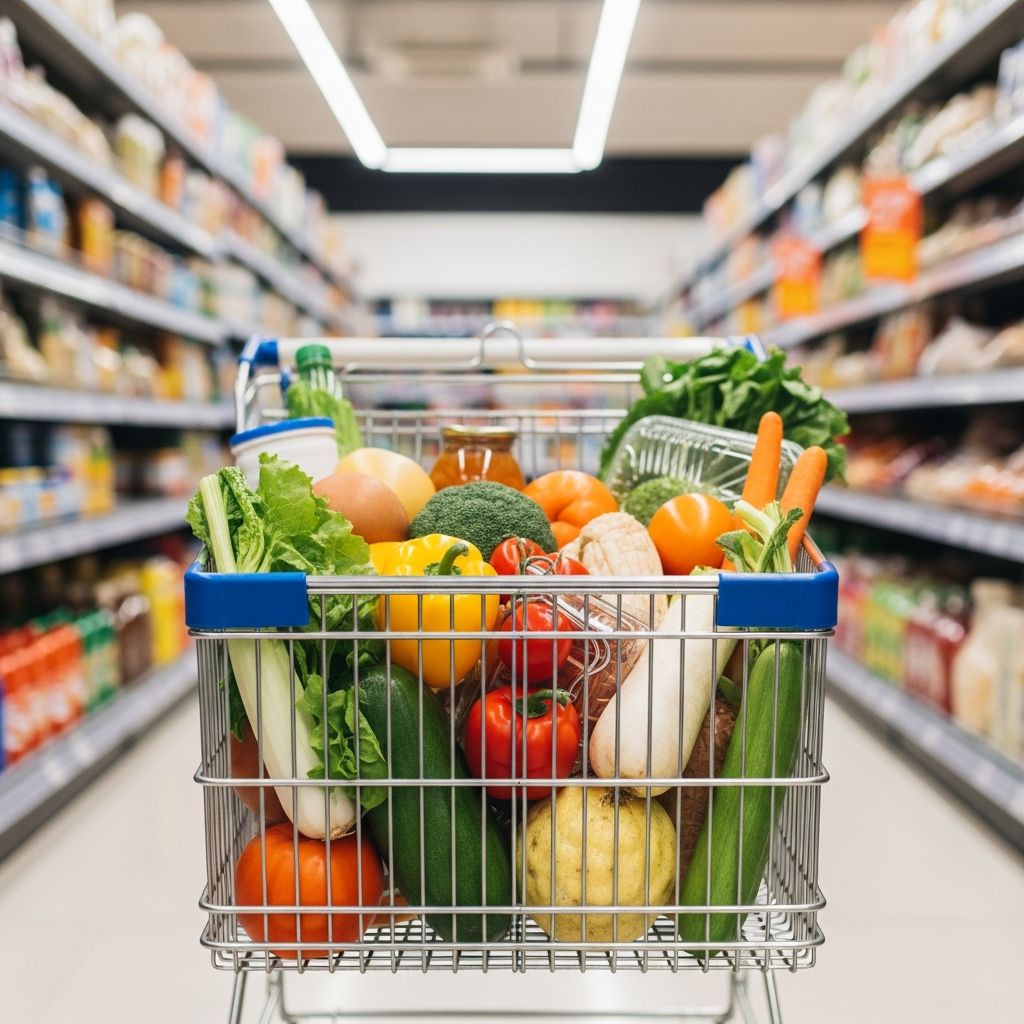
Creating a strategic grocery list is a foundational step for anyone aiming to lose weight sustainably. By focusing on nutrient-dense, whole foods that are low in calories but high in volume and satisfaction, you can craft meals that support a calorie deficit without leaving you hungry. This comprehensive guide, inspired by evidence-based recommendations from the Dietary Guidelines for Americans (2020-2025), outlines the best foods to stock up on, organized by category. Incorporating these items promotes balanced nutrition, helps manage portion sizes through high-fiber and protein-rich choices, and aligns with research showing that planned grocery shopping leads to healthier diets and lower BMI.
What to Look for on a Weight Loss Grocery List
The cornerstone of any effective weight loss grocery list is variety and nutrient density. Prioritize foods that are naturally low in added sugars, saturated fats, and sodium while being rich in fiber, protein, and healthy fats. The Dietary Guidelines emphasize eating a variety of fruits, vegetables, whole grains, and lean or low-fat proteins to meet daily needs without exceeding calorie limits. Research from a study on low-income shoppers in food deserts found that those who consistently used shopping lists had higher Healthy Eating Index (HEI) scores—indicating better diet quality—and lower body mass index (BMI), with list users averaging 1 unit lower BMI, equivalent to about 5 fewer pounds for someone 5’5″ tall.
Avoid ultra-processed items, sugary drinks, and refined carbs, which can sabotage progress. Instead, opt for whole foods that keep blood sugar stable and promote fullness. Planning your list around these principles not only aids weight loss but also fosters long-term healthy habits.
Produce
Vegetables and fruits should form the bulk of your cart—they’re low-calorie, high-fiber powerhouses that add volume to meals. Aim for a rainbow of colors to maximize vitamins, minerals, and antioxidants. Non-starchy vegetables are especially key, as they provide satisfaction without many calories.
- Leafy greens: Spinach, kale, lettuce, arugula—perfect for salads, smoothies, or sautéing.
- Cruciferous veggies: Broccoli, cauliflower, Brussels sprouts—steam, roast, or air-fry for hearty sides.
- Colorful options: Bell peppers, tomatoes, carrots, zucchini—add crunch and flavor to stir-fries and soups.
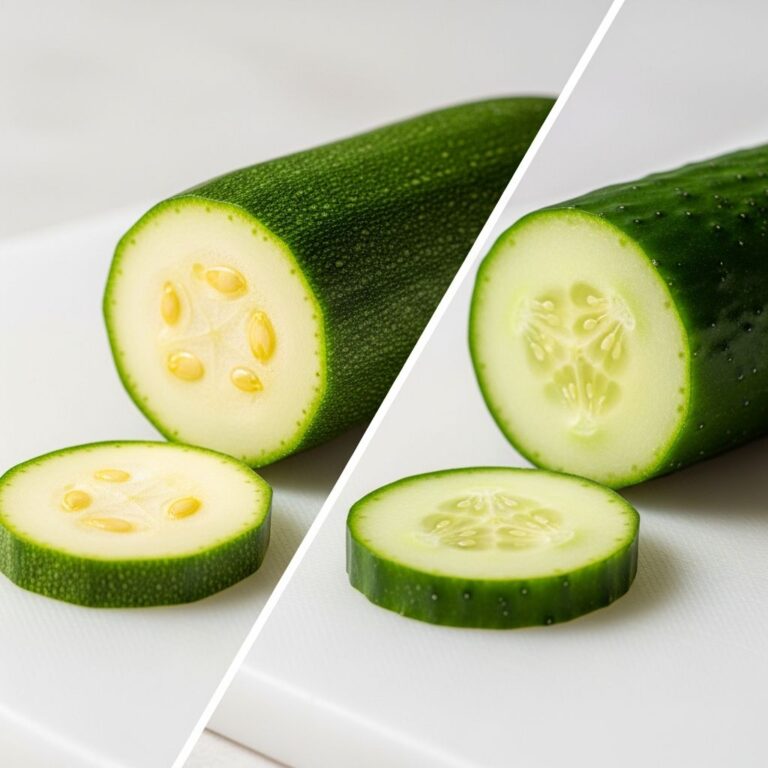
- Others: Cucumbers, celery, mushrooms, eggplant—versatile for snacking or low-cal recipes.
Fruits (in moderation): Berries (strawberries, blueberries, raspberries), apples, pears, citrus—high in fiber and water to curb sweet cravings. Limit higher-sugar fruits like bananas or grapes to small portions.
Proteins
Lean proteins are essential for preserving muscle mass during weight loss, boosting metabolism, and promoting satiety. Greek yogurt’s higher protein content, for instance, helps you feel full longer, supporting smaller portions. Include a mix of animal and plant-based sources for variety.
- Poultry: Skinless chicken breast, turkey—grill, bake, or slow-cook.
- Fish and seafood: Salmon, tuna (canned in water), cod, shrimp—rich in omega-3s.
- Lean meats: 93% lean ground turkey or beef, pork tenderloin.
- Eggs and plant-based: Eggs, tofu, tempeh, edamame.
- Legumes: Lentils, chickpeas—inexpensive and fiber-packed.
Dairy and Alternatives
Choose low-fat or fat-free options to cut calories while retaining calcium and protein. These are ideal for snacks or meal boosters.
- Skim or 1% milk
- Non-fat or low-fat Greek yogurt (plain, unsweetened)
- Low-fat cottage cheese
- Almond milk (unsweetened), soy milk (low-fat)
- Reduced-fat cheese (in moderation)
Grains and Starches
Whole grains provide sustained energy and fiber to prevent overeating. Swap refined grains for these to improve digestion and fullness.
Related Stories



- Oats (steel-cut or rolled)
- Quinoa
- Brown rice
- Whole-grain bread or wraps (look for >3g fiber per slice)
- Whole-wheat pasta
- Barley or farro
Healthy Fats
Fats are calorie-dense, so portion them carefully, but they’re vital for hormone health and absorption of fat-soluble vitamins. Focus on unsaturated sources.
- Avocados
- Olive oil, avocado oil
- Nuts: Almonds, walnuts (1 oz daily)
- Seeds: Chia, flax, pumpkin
- Nut butters (natural, no added sugar)
Pantry Staples
These low-cal flavor enhancers prevent bland meals that lead to diet boredom. Opt for no-salt-added canned goods.
- Canned beans (black, kidney, chickpeas—all low-sodium)
- Canned tomatoes, tomato paste
- Low-sodium broth (veggie or chicken)
- Spices: Garlic powder, cumin, paprika, oregano, basil, chili flakes
- Vinegars: Apple cider, balsamic
- Low-sodium soy sauce or tamari
- Mustard, hot sauce
- Whole-grain flour for baking
Frozen Foods
Frozen produce is as nutritious as fresh and great for busy days—no waste!
- Frozen berries, spinach, broccoli, peas
- Frozen edamame, cauliflower rice
- 100% fruit sorbets (no added sugar)
Beverages
Hydration is key for weight loss—thirst is often mistaken for hunger.
- Water (infuse with lemon or cucumber)
- Unsweetened tea, black coffee
- Sparkling water
- Low-cal electrolyte drinks (if active)
Foods and Drinks to Avoid or Limit
Even in moderation, these can hinder progress due to high calories, sugars, or low satiety.
- Sugary sodas, energy drinks
- Ultra-processed snacks (chips, cookies)
- Refined carbs (white bread, pastries)
- Full-fat cheeses, creamy dressings
- Alcohol (empty calories)
- Fast food, fried items
Grocery Shopping Tips for Weight Loss
Smart shopping maximizes success. Studies show list-users make healthier choices and spend less on impulse buys.
- Plan meals weekly: Map out 5-7 days to build your list precisely.
- Shop the perimeter: Produce, proteins, dairy first—avoid inner aisles.
- Read labels: Choose <5g sugar, <140mg sodium per serving.
- Don’t shop hungry: Eat a protein snack beforehand.
- Use apps: Track lists and scan for nutrition info.
- Buy in bulk wisely: Frozen veggies, oats—save money without waste.
- Prep on shop day: Wash/chop produce for grab-and-go ease.
Sample Weekly Weight Loss Grocery List
| Category | Items | Quantity Suggestion |
|---|---|---|
| Produce | Spinach, broccoli, berries, apples | 2 bunches greens, 2 heads broccoli, 1 pint berries, 4 apples |
| Proteins | Chicken breast, eggs, canned tuna, tofu | 2 lbs chicken, 1 dozen eggs, 3 cans tuna, 1 block tofu |
| Dairy | Greek yogurt, skim milk | 32 oz yogurt, 1/2 gallon milk |
| Grains | Oats, quinoa, whole-grain bread | 1 canister oats, 1 lb quinoa, 1 loaf bread |
| Pantry | Beans, spices, olive oil | 4 cans beans, spice set, 16 oz oil |
7-Day Meal Ideas Using Your List
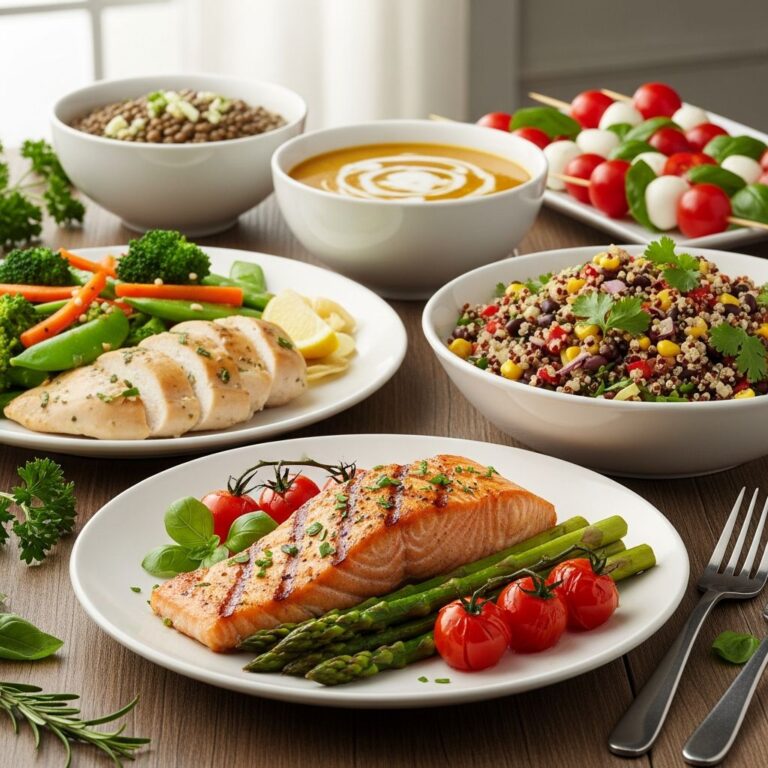
Put your groceries to work with these simple, balanced meals (~1,500-1,800 calories/day).
- Monday: Breakfast: Greek yogurt with berries; Lunch: Turkey salad wrap; Dinner: Grilled chicken with broccoli quinoa.
- Tuesday: Breakfast: Oatmeal with apple; Lunch: Tuna salad on greens; Dinner: Tofu stir-fry with veggies.
- Wednesday: Breakfast: Egg veggie scramble; Lunch: Cottage cheese & tomatoes; Dinner: Baked salmon, Brussels sprouts.
- Thursday: Smoothie with spinach, yogurt; Lunch: Lentil soup; Dinner: Turkey stir-fry zucchini noodles.
- Friday: Overnight oats; Lunch: Chickpea salad; Dinner: Lean beef with cauliflower rice.
- Saturday: Veggie omelet; Lunch: Quinoa bowl; Dinner: Shrimp tacos on lettuce wraps.
- Sunday: Yogurt parfait; Lunch: Egg salad; Dinner: Bean chili with side salad.
Benefits of This Grocery List Approach
Beyond weight loss, this list supports overall health. High-fiber produce aids digestion; proteins preserve muscle; whole grains stabilize energy. Per the Dietary Guidelines, such patterns reduce chronic disease risk while enabling 1-2 lbs weekly loss safely. Consistency with list-based shopping correlates with sustained improvements, as seen in populations with limited access to healthy foods.
Frequently Asked Questions (FAQs)
What is the best grocery list for weight loss?
The best list emphasizes whole foods: veggies, lean proteins, fruits, whole grains, and healthy fats. Tailor to your calories and preferences, using tools like MyPlate.gov.
How do I use a grocery list for weight loss?
Plan meals, write the list categorized, stick to it strictly. Research shows this boosts diet quality and lowers BMI.
Can I eat carbs on this list?
Yes, focus on whole grains like quinoa and oats—they provide fiber for fullness unlike refined carbs.
How often should I grocery shop?
Weekly for fresh produce; bi-weekly for staples to minimize waste and impulse buys.
Will this list work for vegetarians?
Absolutely—load up on tofu, legumes, eggs, dairy, and nuts for complete proteins.
References
- Dietary Guidelines for Americans, 2020-2025 — U.S. Department of Agriculture and U.S. Department of Health and Human Services. 2020. https://www.dietaryguidelines.gov/sites/default/files/2020-12/Dietary_Guidelines_for_Americans_2020-2025.pdf
- Using a Grocery List Is Associated with a Healthier Diet and Lower Body Mass Index among Food Desert Residents — PubMed Central (PMC). 2015-04-22. https://pmc.ncbi.nlm.nih.gov/articles/PMC4430323/
- Healthy Weight, Nutrition, and Physical Activity — Centers for Disease Control and Prevention (CDC). 2024-10-01. https://www.cdc.gov/healthy-weight-growth/losing-weight/index.html
- Dietary Recommendations for Americans — MyPlate.gov (USDA). 2023. https://www.myplate.gov/eat-healthy/what-is-myplate
- Protein and Weight Loss — National Institutes of Health (NIH). 2022-05-15. https://www.ncbi.nlm.nih.gov/pmc/articles/PMC7539343/
Similar Articles








Read full bio of medha deb