Keto Cycling Explained: 7-Day Meal Plan And Top Benefits
Discover keto cycling: A flexible twist on keto with carb refeeds to boost performance, sustain energy, and simplify adherence.
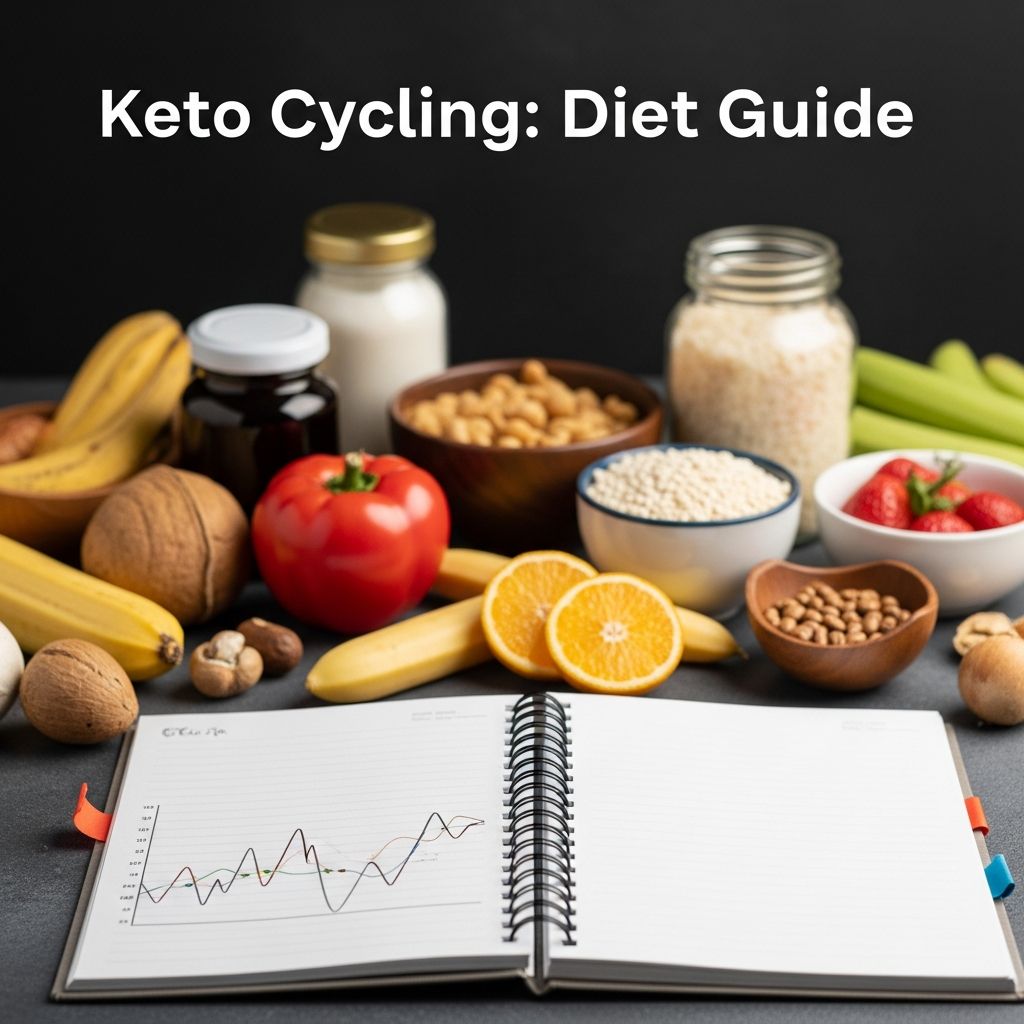
Keto cycling, also known as cyclical ketogenic dieting, modifies the standard ketogenic diet by incorporating periodic high-carbohydrate refeed days. This approach allows individuals to maintain ketosis for 5–6 days per week while replenishing glycogen stores on 1–2 designated days, potentially improving adherence and athletic performance.
The core principle relies on inducing ketosis—a metabolic state where the liver produces ketones from fat breakdown to fuel the body instead of glucose. During keto days, carbohydrate intake remains under 20–50 grams daily, with fats comprising 65–90% of calories. Refeed days shift macros dramatically: carbs rise to 60–70% of calories, protein to 15–20%, and fats drop to 5–10%.
Unlike strict keto, which demands constant low-carb adherence, keto cycling introduces flexibility. This variation appeals to athletes seeking muscle growth and those struggling with keto flu symptoms like fatigue and irritability. Harvard’s Nutrition Source notes standard keto’s effectiveness for short-term weight loss, with studies showing 13% body weight reduction in obese adults over 8 weeks, but highlights appetite rebound risks post-diet.
What Is Keto Cycling?
Keto cycling systematically alternates between ketogenic phases and carb-loading periods. Practitioners follow a classic keto protocol—high fat, moderate protein, very low carb—for most of the week. Then, they introduce refeed days to restore muscle glycogen, which depletes during ketosis.
In ketosis, the body shifts from glucose dependency, burning fat for ketones as primary energy. This process supports weight loss by enhancing fat oxidation and reducing insulin spikes. NCBI reviews confirm keto diets improve glycemic control, lipid profiles, and insulin resistance in obese individuals and those with type 2 diabetes, outperforming low-fat diets in meta-analyses.
Refeeds temporarily exit ketosis, allowing carb-rich foods like rice, potatoes, and fruits. This isn’t random; timing aligns with workouts to optimize recovery. Popular among bodybuilders, keto cycling claims to preserve muscle while promoting fat loss, though long-term data remains limited.
How Keto Cycling Works
The mechanism hinges on metabolic flexibility. Strict keto depletes glycogen, prompting ketosis within 2–4 days. Refeeds spike insulin, refilling glycogen without derailing overall fat adaptation. Post-refeed, strategies like intermittent fasting (16:8 method) and high-intensity exercise hasten ketosis return, often within 24–48 hours.
Northwestern Medicine explains ketosis basics: low glucose forces fat breakdown into ketones, mimicking fasting benefits. Keto cycling leverages this intermittently, potentially reducing adaptation plateaus. A two-phase study showed 10% weight loss sustained at one year with keto followed by Mediterranean reintroduction, suggesting phased carb increases aid maintenance.
Keto Cycling vs. Carb Cycling
| Aspect | Keto Cycling | Carb Cycling |
|---|---|---|
| Carb Intake (Keto Days) | 20–50g/day (ketosis) | 100–150g/day (no ketosis) |
| Refeed Carbs | 60–70% calories | Variable high (300–600g) |
| Goal | Muscle growth + fat loss in ketosis | Athletic performance + fat loss |
| Ketosis | Yes, 5–6 days/week | No |
Keto cycling differs fundamentally from carb cycling. While both manipulate carbs weekly, keto enforces deep restriction for ketosis, absent in carb cycling’s moderate lows. Carb cycling suits endurance athletes without keto’s fat-adaptation demands.
Benefits and Downsides of Keto Cycling
Potential Benefits
- Athletic Performance: Periodic carbs improved race-walkers’ endurance versus strict keto, per a study of 29 elites.
- Reduced Keto Flu: Refeeds mitigate fatigue, headaches by restoring electrolytes and glycogen.
- Muscle Preservation: Carbs support training intensity, aiding hypertrophy despite limited direct evidence.
- Sustainability: Variety prevents burnout; fiber from refeed fruits/veggies boosts gut health.
- Weight Loss: Inherits standard keto’s rapid initial losses (13% in 8 weeks) via appetite suppression.
Related Stories



Potential Downsides
- Calorie Overconsumption: Refeeds risk excess intake, stalling fat loss.
- Ketosis Fluctuations: Repeated exits/entries may stress metabolism; monitor with ketone strips.
- Nutrient Gaps: Keto days limit fruits; refeeds must prioritize whole foods.
- Limited Research: Long-term effects unknown; not superior to standard keto for muscle per some data.
A 7-Day Keto Cycling Meal Plan
Sample plan for 2,000 calories (adjust via apps like Cronometer). Keto days: <50g carbs. Refeeds (Days 6–7): 400–600g carbs.
Keto Days (1–5)
- Breakfast: 3 eggs scrambled in butter, avocado, bacon (Carbs: 10g)
- Lunch: Grilled chicken salad with olive oil, cheese, nuts (Carbs: 15g)
- Dinner: Salmon with broccoli in ghee, cauliflower mash (Carbs: 20g)
- Snack: Cheese sticks, pork rinds (Carbs: 5g)
Refeed Days (6–7)
- Breakfast: Oatmeal with banana, honey (Carbs: 80g)
- Lunch: Sweet potato, quinoa bowl with lean turkey (Carbs: 120g)
- Dinner: Brown rice stir-fry with veggies, white rice (Carbs: 150g)
- Snack: Fruit smoothie, whole-grain toast (Carbs: 100g)
Total keto day: ~50g carbs, 75% fat. Refeed: ~65% carbs, 10% fat. Hydrate heavily; supplement electrolytes.
Foods to Eat and Avoid
Eat on Keto Days
- Fats: Avocado, coconut oil, butter, olive oil
- Proteins: Eggs, fatty fish, beef, poultry
- Veggies: Leafy greens, broccoli, zucchini (<20g net carbs)
Avoid on Keto Days
- Grains, sugars, starchy veggies, most fruits
Refeed Focus
- Clean carbs: Oats, rice, potatoes, fruits, honey
- Lean proteins: Chicken breast, fish
- Minimize fats to <10%
Frequently Asked Questions (FAQs)
What is the difference between keto cycling and standard keto?
Keto cycling adds 1–2 high-carb refeed days weekly to standard keto’s constant low-carb protocol, aiming for better sustainability and performance.
Is keto cycling good for weight loss?
It supports short-term loss like standard keto (10–13% body weight), but refeed calories demand tracking to avoid regain.
How do I return to ketosis after refeeds?
Use 16-hour fasts and HIIT workouts; ketosis resumes in 24–48 hours.
Who should try keto cycling?
Athletes or those with keto adherence issues; consult doctors for metabolic conditions.
Are there risks with keto cycling?
Possible overeating on refeeds, nutrient deficiencies; monitor lipids and kidneys.
NCBI recommends 2–12 months max with renal monitoring; gradual exits prevent rebound. Northwestern notes rapid initial losses often include water weight.
References
- What Is the Cyclical Ketogenic Diet? Everything You Need to Know — Healthline. 2023-10-15. https://www.healthline.com/nutrition/cyclical-ketogenic-diet
- Diet Review: Ketogenic Diet for Weight Loss — Harvard T.H. Chan School of Public Health. 2024-05-20. https://nutritionsource.hsph.harvard.edu/healthy-weight/diet-reviews/ketogenic-diet/
- The Ketogenic Diet: Clinical Applications, Evidence-based — NCBI Bookshelf. 2023-11-01. https://www.ncbi.nlm.nih.gov/books/NBK499830/
- Pros and Cons of the Keto Diet — Northwestern Medicine. 2024-02-10. https://www.nm.org/healthbeat/healthy-tips/nutrition/pros-and-cons-of-ketogenic-diet
Similar Articles








Read full bio of medha deb