Keto Long-Term: Risks, Benefits, And Safe Cycling Guide
Is the ketogenic diet safe for long-term weight loss? Experts weigh benefits, risks, and strategies for sustainable success.
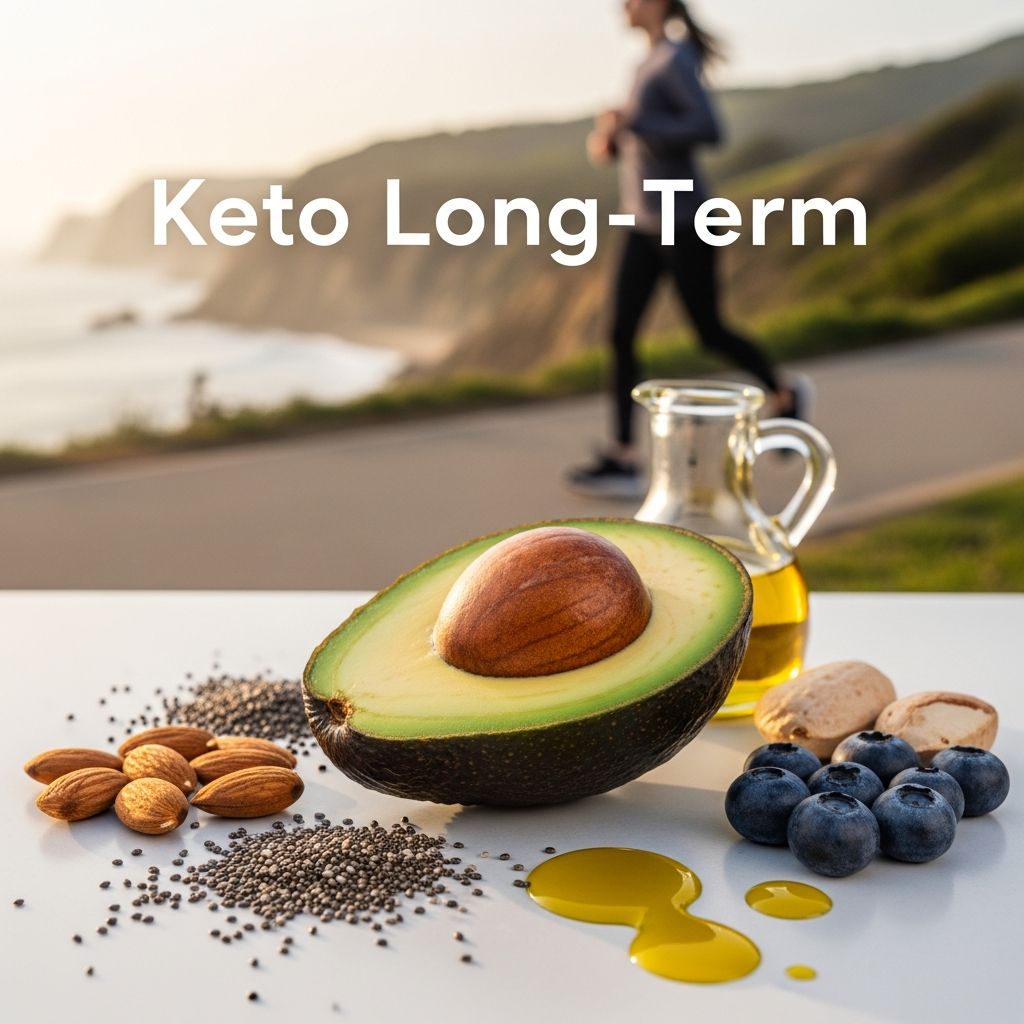
The ketogenic (keto) diet has surged in popularity for rapid weight loss by drastically cutting carbs and emphasizing fats, prompting the body to burn fat for fuel via ketosis. But questions persist: Is keto safe and effective long-term? Recent research reveals both benefits and serious risks, including cellular aging, fatty liver, and impaired glucose regulation, urging caution for sustained use.
What Is the Keto Diet?
The keto diet is a high-fat, moderate-protein, very low-carbohydrate eating plan designed to shift the body into ketosis, where it produces ketones from fat for energy instead of glucose. Typically, it limits carbs to under 50 grams daily, with 70-80% calories from fats like avocados, nuts, and oils, 15-20% from proteins, and minimal carbs from leafy greens.
Originally developed in the 1920s to treat epilepsy, keto mimics fasting’s metabolic effects, stabilizing brain activity with ketones. Modern use focuses on weight loss, with short-term studies showing 2-10 pounds lost in weeks, alongside improved insulin sensitivity.
How Does Keto Work for Weight Loss?
Keto promotes weight loss by depleting glycogen stores, reducing water weight initially, and suppressing appetite via high fat and protein satiety. Ketones may enhance fat oxidation and stabilize blood sugar, curbing cravings.
- Rapid initial loss: Often 5-10% body weight in 3-6 months from water and fat reduction.
- Metabolic shift: Low insulin levels facilitate fat breakdown.
- Sustained effects: Some maintain loss longer than low-fat diets, per human trials.
However, adherence drops over time due to restrictiveness.
Short-Term Benefits of Keto
Short-term (under 6 months), keto excels in weight reduction, better blood lipids, and glucose control. A study of obese patients showed significant BMI drops, lower triglycerides, LDL cholesterol, and blood glucose, with HDL rising—no major side effects.
| Metric | Pre-Keto | Post-24 Weeks | Change |
|---|---|---|---|
| Body Weight | ~100kg avg | Significant reduction | P<0.0001 |
| BMI | Elevated | Decreased | P<0.0001 |
| Triglycerides | High | Lowered | Significant |
| HDL Cholesterol | Lower | Increased | Significant |
These improvements counter high-carb diet risks like atherogenesis.
Long-Term Risks of Keto
While short-term gains impress, long-term keto (over 6-12 months) raises alarms from animal and limited human data. Key concerns include organ stress and metabolic disruptions.
Cellular Senescence and Organ Damage
A UT Health San Antonio study found continuous long-term keto induces senescence—aged, pro-inflammatory cells—in heart and kidney tissues in mice. This heightened inflammation, but intermittent keto with breaks avoided it. Senolytics cleared these cells, hinting at mitigation. “13 million Americans use keto; take breaks to avoid consequences,” warns lead researcher David Gius.
Fatty Liver and Hyperlipidemia
University of Utah research in mice showed keto causes severe fatty liver (hepatic steatosis), hyperlipidemia, and liver dysfunction, especially in males. Fat accumulation began days in, despite no weight gain. “Lipids end up in blood and liver,” notes senior author Amandine Chaix.
Related Stories



Glucose Intolerance
Paradoxically, keto mice developed low fasting glucose/insulin but exaggerated spikes post-carbs, signaling impaired insulin secretion. Effects reversed off-diet, suggesting reversibility.
Other Potential Issues
- Kidney stones/osteoporosis: Suggested from altered acid-base balance and low veggie intake.
- Nutrient gaps: Fiber, B vitamins, magnesium from restricted grains.
- Uric acid rise: Gout risk.
Is Long-Term Keto Safe?
Human data is sparse beyond 24 weeks; the obese patient study found no significant side effects, affirming safety up to 6 months. Yet, mouse models reveal risks not yet fully tested in humans, particularly for heart, kidney, liver. Harvard notes unanswered questions on year-plus effects, high-risk groups, and fat types. Experts recommend medical supervision, especially for those with conditions.
Intermittent keto—e.g., 5:2 cycles—may balance benefits without senescence or liver fat buildup.
Who Should Avoid Long-Term Keto?
- Those with kidney/liver disease: Exacerbates dysfunction.
- Pregnant/breastfeeding: Nutrient needs unmet.
- Athletes: Glycogen depletion hampers performance long-term.
- Elderly/multiple conditions: Risks outweigh unclear benefits.
Alternatives to Continuous Keto
- Cyclical Keto: 5 keto days, 2 high-carb for glycogen refill.
- Intermittent Fasting + Keto: Time-restricted eating enhances ketosis safely.
- Low-Carb Mediterranean: Heart-healthy fats, more plants, sustainable.
- Balanced Calorie Deficit: Proven long-term without extremes.
Tips for Safe Long-Term Keto
- Monitor Health: Regular bloodwork for lipids, liver enzymes, kidneys.
- Take Breaks: Cycle off every 3-6 months.
- Diversify: Include fibrous veggies, nuts for nutrients.
- Supplements: Electrolytes (sodium, magnesium), multivitamins.
- Consult Pros: Dietitian/doctor for personalization.
Frequently Asked Questions (FAQs)
What are the long-term effects of keto?
Benefits include sustained weight loss and improved lipids in some; risks involve cellular aging, fatty liver, glucose issues. Intermittent use safer.
Can you do keto forever?
Not recommended continuously; mouse studies show organ risks. Human trials limited; cycle for safety.
Does keto cause fatty liver?
Yes, in mice via lipid overload, worse in males; reversed off-diet.
Is keto safe for kidneys long-term?
Potential stones/strain from high protein/fat; monitor closely.
How to mitigate keto risks?
Breaks, nutrient-rich foods, medical oversight.
Long-term keto offers weight loss promise but demands caution amid emerging risks. Personalize with pros for optimal health.
References
- A long-term ketogenic diet accumulates aged cells in normal tissues — UT Health San Antonio. 2023. https://news.uthscsa.edu/a-long-term-ketogenic-diet-accumulates-aged-cells-in-normal-tissues-a-ut-health-san-antonio-led-study-shows/
- New Study in Mice Reveals Long-Term Metabolic Risks of Ketogenic Diet — University of Utah Health. 2025-10. https://healthcare.utah.edu/newsroom/news/2025/10/new-study-mice-reveals-long-term-metabolic-risks-of-ketogenic-diet
- Long-term effects of a ketogenic diet in obese patients — PMC/NIH. 2009. https://pmc.ncbi.nlm.nih.gov/articles/PMC2716748/
- Diet Review: Ketogenic Diet for Weight Loss — Harvard T.H. Chan School of Public Health. Accessed 2026. https://nutritionsource.hsph.harvard.edu/healthy-weight/diet-reviews/ketogenic-diet/
Similar Articles








Read full bio of Sneha Tete