Weight-Loss Meal Plans: 5 Sustainable, Budget-Friendly Options
Discover effective, doctor-approved weight-loss meal plans with sample menus, recipes, and tips for sustainable healthy eating and lasting results.
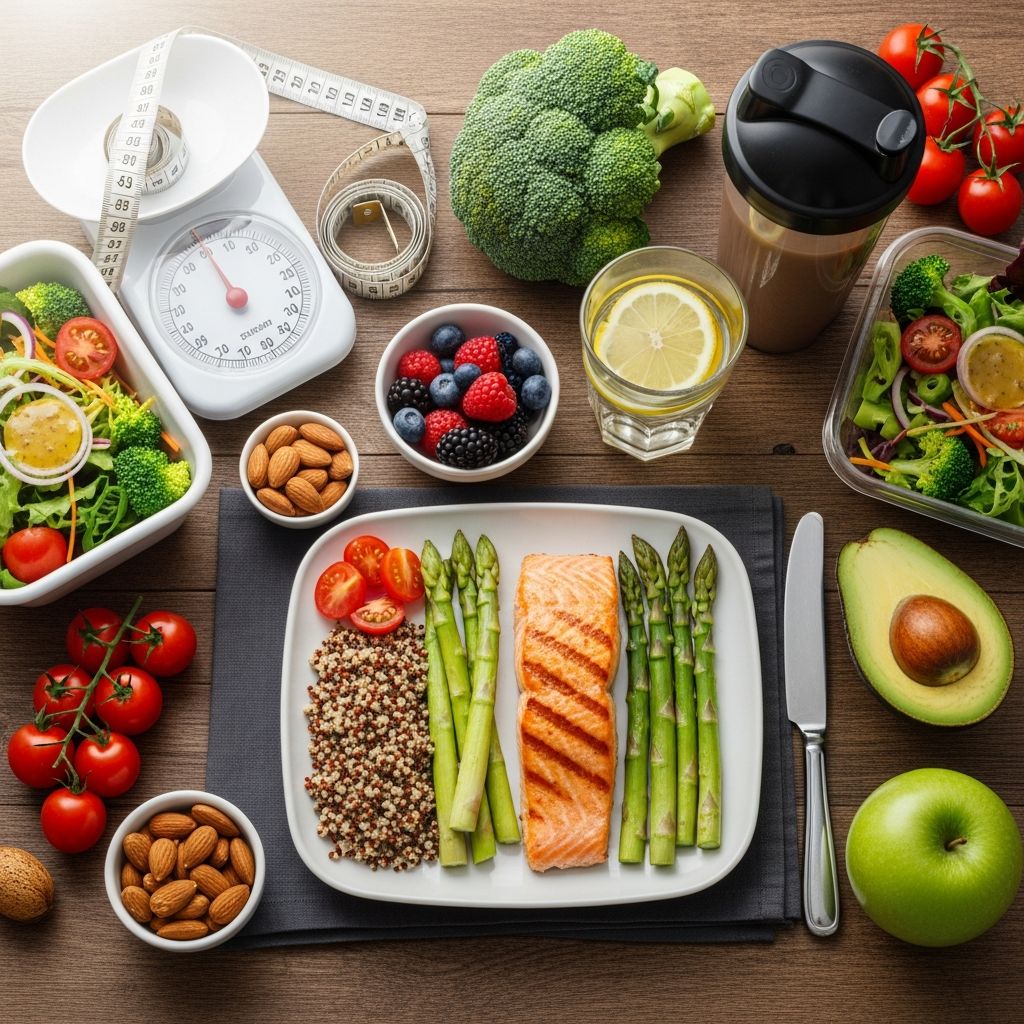
Weight-loss meal plans provide structured, nutritious eating guides designed to create a calorie deficit while ensuring you get essential nutrients for health and energy. These plans emphasize whole foods, portion control, and sustainable habits, helping you lose weight safely—often 1-2 pounds per week—without feeling deprived. Backed by experts from institutions like Mayo Clinic and Mount Sinai, they focus on high-volume, low-calorie foods like vegetables, fruits, lean proteins, and whole grains to promote satiety and long-term adherence.
What Are Weight-Loss Meal Plans?
Weight-loss meal plans are pre-designed daily or weekly menus tailored to specific calorie levels, typically 1,200-2,000 calories per day depending on individual needs. They incorporate balanced macronutrients: about 45-65% carbohydrates from whole sources, 20-35% healthy fats, and 10-35% protein to preserve muscle mass during weight loss. Unlike fad diets, these plans teach lifelong skills like estimating portions and prioritizing nutrient-dense foods.
The
Mayo Clinic Diet
, for instance, uses a Healthy Weight Pyramid that places unlimited vegetables and fruits at the base, followed by carbohydrates, proteins, fats, and limited sweets at the top. This approach encourages eating filling foods low in calories while promoting physical activity.Benefits of Structured Weight-Loss Meal Plans
- Sustainable Weight Loss: Plans like Mayo Clinic’s Lose It! phase aim for 6-10 pounds in two weeks through habit changes, not extreme restriction.
- Nutrient Balance: Ensures intake of vitamins, minerals, and fiber to support metabolism and prevent deficiencies.
- Psychological Boost: Quick initial results motivate adherence; sample menus make planning effortless.
- Cost-Effective: Budget-friendly options using affordable staples like oats, eggs, rice, and frozen veggies keep costs under $5-7 per day.
- Customizable: Adapt for vegetarian, Mediterranean, or gluten-free preferences with swaps like corn tortillas or quinoa.
The Mayo Clinic Diet: A Lifetime Approach
The Mayo Clinic Diet divides into two phases:
Lose It!
(2 weeks) andLive It!
(ongoing). Lose It! introduces 5 healthy habits (e.g., eat breakfast daily), breaks 5 unhealthy ones (e.g., no sugary drinks), and adds 5 bonus habits (e.g., enjoy vegetables at every meal). The pyramid guides food choices: unlimited fruits/veggies, moderate whole grains/proteins, and minimal sweets (75 calories/day max).A typical
1,200-calorie Mediterranean-style day
includes:- Breakfast: Overnight oats with berries and pear (high-fiber, protein-packed start).
- Lunch: Tuscan white bean soup with pesto drizzle (plant-based protein, veggies).
- Dinner: Sheet-pan roast chicken with broccolini, onion, and tomatoes (lean protein, roasted veggies).
- Snack: 1 cup sliced bell peppers and a banana (crunchy, sweet satisfaction).
Desserts are allowed sparingly, like low-fat frozen yogurt, to prevent cravings.
Mount Sinai 30-Day Healthy Lifestyle Plan
Mount Sinai’s 30-day plan offers detailed daily menus emphasizing low-fat dairy, lean proteins, whole grains, and produce. It’s flexible for gluten-free diets and includes snacks for blood sugar stability. Portions are modest: 4oz proteins, ½-1 cup grains, abundant non-starchy veggies.
Sample Days:
| Day | Breakfast | Lunch | Dinner | Snack |
|---|---|---|---|---|
| Day 1 | 6oz low-fat Greek yogurt, ¾ cup blueberries, 12 almonds, coffee | 4oz grilled chicken in whole grain wrap | ⅔ cup quinoa, 4oz roast pork, ¾ cup carrots, 1 cup strawberries | 1 small non-fat iced cappuccino |
| Day 6 | 6oz Greek yogurt + ½ cup cottage cheese, 1 slice whole grain bread, ¾ cup blueberries, 2 tbsp almonds | Lettuce wraps with turkey/ham | Spaghetti squash with 4oz grilled chicken | ½ cup cottage cheese, ¾ cup raspberries, 5 almonds |
| Day 11 | 6oz Greek yogurt + ½ cup cottage cheese, whole grain waffle, ¾ cup blueberries, 2 tbsp almonds | 1 cup low-sodium lentil soup, side salad | 4oz baked chicken, 1 cup brussels sprouts, ¾ cup sweet potato | Frozen whole grain waffle with 6oz yogurt, berries |
| Day 21 | 3 egg whites, 2 slices whole grain bread, ⅓ avocado, feta/tomatoes/spinach | Brown rice bowl: ⅔ cup rice, 4oz chicken, ½ cup veggies | Turkey meatballs (3-4oz), ⅔ cup quinoa, 1 cup kale | 1¼ cup strawberries with cinnamon, 12 almonds |
| Day 29 | Whole grain English muffin, 2 tbsp peanut butter, ½ cup Greek yogurt, ¾ cup berries | Lettuce wraps: 4 slices turkey/ham, cheese, Wasa crackers | 4oz low-sodium turkey, 1 cup quinoa, tomatoes/carrots, ⅓ avocado | 3 cups air-popped popcorn |
Related Stories



This plan repeats themes like yogurt-based breakfasts and veggie-packed dinners for simplicity and variety.
Budget-Friendly High-Protein Meal Plan (Under $5/Day)
For cost-conscious eaters, a 2,000-calorie plan with 150g+ protein uses staples like oats, eggs, rice, and peanut butter. Prep is simple: overnight oats, egg fried rice, and smoothies. Total daily cost: ~$5.
- Breakfast Oats (582 cal, 40g protein): 60g oats, 15g protein powder, 150g fat-free Greek yogurt, banana, 15g peanut butter.
- Lunch: Egg Fried Rice (587 cal, 35g protein): 3 eggs, 160g cooked rice, ½ cup peas, 2 diced carrots, seasonings.
- Dinner Smoothie (333 cal, 35g protein): 30g protein powder, frozen banana, 15g peanut butter, ice, water.
- Snack: Apple/orange/kiwi (optional).
Prep tips: Mix oats night before; scramble eggs with pre-cooked rice and frozen veggies for quick meals.
Key Principles for Success
Portion Control: Use hand estimates—palm for protein, fist for veggies, cupped hand for carbs.
Hydration & Habits: Drink water with meals; aim for 30 minutes daily movement.
Customization: Vegetarians swap chicken for beans/tofu; gluten-free use corn/rice.
Track progress weekly, adjusting calories as needed (women: 1,200-1,500; men: 1,500-1,800 initially).
Frequently Asked Questions (FAQs)
Q: How much weight can I lose on these plans?
A: Expect 6-10 pounds in the first two weeks with Mayo Clinic’s Lose It! phase, then 1-2 pounds weekly for sustainable results.
Q: Are these plans suitable for vegetarians?
A: Yes, use Mediterranean-style with beans, lentils, and eggs; Mount Sinai suggests swaps like black beans.
Q: What’s the cheapest way to follow a weight-loss plan?
A: Opt for the $5/day plan with oats, eggs, rice, and peanut butter for high protein on a budget.
Q: Can I have desserts?
A: Limit to 75 calories/day, like dark chocolate or yogurt, spread over the week.
Q: How do I stay motivated?
A: Focus on habit-building, quick wins, and variety; include favorite recipes from samples.
Getting Started Tips
- Stock staples: Greek yogurt, oats, eggs, frozen veggies, lean meats.
- Meal prep Sundays for the week.
- Consult a doctor before starting, especially with health conditions.
- Combine with 150 minutes weekly exercise for best results.
References
- The Mayo Clinic Diet: A weight-loss program for life — Mayo Clinic. 2023 (accessed 2026). https://www.mayoclinic.org/healthy-lifestyle/weight-loss/in-depth/mayo-clinic-diet/art-20045460
- My 30 Day Healthy Lifestyle Eating Plan — Mount Sinai Health System. 2024. https://www.mountsinai.org/files/MSHealth/Assets/HS/MonthlyMealPlan_Brochure_Rev24.pdf
- The CHEAPEST Meal Plan to Lose Fat (HEALTHY & EASY) — Jeremy Ethier (YouTube). 2023-08-13. https://www.youtube.com/watch?v=PXub4lr-9J8
Similar Articles








Read full bio of medha deb