Weight Loss Medications On The NHS: 4 Effective Options
Discover NHS-approved weight loss drugs like Wegovy and Mounjaro for diabetes management and obesity treatment.
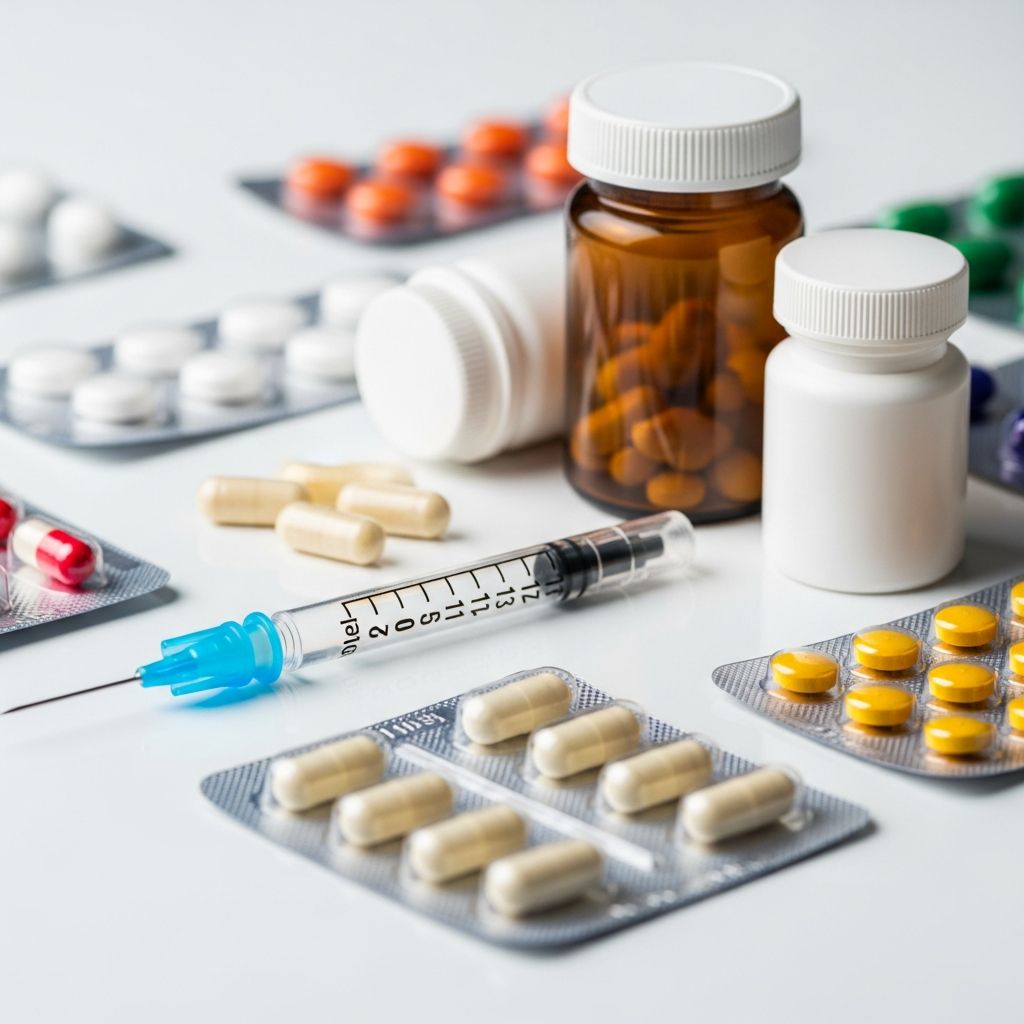
Weight loss medications can play a vital role in managing type 2 diabetes and obesity, particularly when combined with diet and exercise. These drugs, often GLP-1 receptor agonists, help reduce appetite and promote sustainable weight loss for eligible individuals.
Which weight loss medications are available on the NHS?
The NHS offers specific weight loss medications for people with type 2 diabetes or obesity who meet strict eligibility criteria. These include injections like Wegovy (semaglutide), Mounjaro (tirzepatide), and Saxenda (liraglutide), as well as tablets like orlistat (Xenical). Access is typically through specialist weight management services.
- Wegovy (semaglutide): Licensed for weight management in adults with obesity (BMI ≥30) or overweight (BMI ≥27) with weight-related conditions. Administered as a once-weekly injection.
- Mounjaro (tirzepatide): Approved for obesity treatment on the NHS, rolling out over 12 years starting with those with higher BMIs and comorbidities. Weekly injection that targets both GLP-1 and GIP receptors for enhanced weight loss.
- Saxenda (liraglutide): Daily injection for weight management in eligible adults. Part of GLP-1 agonists, with generic versions now emerging in the UK.
- Orlistat (Xenical): A tablet that blocks fat absorption, available for those who qualify.
People with type 2 diabetes might receive these alongside diabetes treatments like metformin. However, medications like Ozempic or Rybelsus, while causing weight loss, are not licensed for this purpose on the NHS.
What are weight management services?
Weight management services are multidisciplinary NHS programs providing holistic support for sustainable weight loss. They involve doctors, nurses, dietitians, psychologists, and exercise specialists who create personalized plans combining medication, diet, physical activity, and behavioral changes.
These services ensure medications are used safely, monitoring progress and adjusting as needed. Eligibility often requires a BMI above 30 (or 27 with conditions like hypertension or type 2 diabetes) and prior unsuccessful attempts at lifestyle changes.
Who is eligible for weight loss medications?
Eligibility is determined by NHS guidelines, focusing on those with clinical obesity and related health issues. Key criteria include:
- BMI ≥35 with at least one weight-related comorbidity (e.g., type 2 diabetes, hypertension).
- BMI ≥30-34.9 with multiple comorbidities or prior weight loss efforts.
- BMI ≥27-29.9 for specific high-risk cases, especially with type 2 diabetes.
Patients must commit to lifestyle interventions. Private options exist but should mirror NHS assessments for safety.
How do weight loss medications work?
Most NHS-approved weight loss drugs are GLP-1 receptor agonists that mimic the hormone glucagon-like peptide-1 (GLP-1). They slow gastric emptying, reduce appetite, and increase satiety signals to the brain.
| Medication | Active Ingredient | Mechanism | Average Weight Loss |
|---|---|---|---|
| Wegovy | Semaglutide | GLP-1 agonist: suppresses appetite, slows digestion | 15% body weight (68-week trial) |
| Mounjaro | Tirzepatide | GLP-1/GIP dual agonist: enhanced appetite control | Up to 22% body weight |
| Saxenda | Liraglutide | GLP-1 agonist: daily dosing for hunger reduction | 5-10% body weight |
| Xenical | Orlistat | Lipase inhibitor: prevents fat absorption | 5-10% body weight |
Tirzepatide in Mounjaro offers dual action, making it potentially more effective. These drugs promote 15-22% weight loss when paired with lifestyle changes.
Side effects of weight loss medications
Common side effects are gastrointestinal, often improving over time:
- GLP-1 agonists (Wegovy, Mounjaro, Saxenda): Nausea, vomiting, diarrhea, constipation, abdominal pain. Rare risks include pancreatitis, gallbladder issues, or thyroid tumors (avoid in family history).
- Orlistat: Fatty stools, urgency, flatulence.
Related Stories



Start with low doses to minimize issues. Dehydration risk from GI effects requires hydration. Not suitable for those with medullary thyroid carcinoma history or multiple endocrine neoplasia syndrome.
Other diabetes medications and weight loss
Some type 2 diabetes drugs cause weight loss but aren’t licensed for it:
- Metformin: First-line diabetes drug; modest weight loss via appetite suppression.
- Ozempic/Rybelsus (semaglutide): For diabetes; off-label weight loss not recommended due to supply issues.
- Trulicity (dulaglutide): Weekly GLP-1; modest reductions in weight/BMI.
- Jardiance (empagliflozin): SGLT2 inhibitor; slight loss via glucose excretion.
Consult your doctor before using off-label.
Private vs NHS weight loss medications
NHS access is via tiered services with waits, prioritizing highest-need cases. Mounjaro rollout spans 12 years. Private prescriptions (e.g., Wegovy, Mounjaro) offer faster access but at cost (£150-£300/month). Ensure prescribers follow MHRA guidelines and assess suitability.
Generics like liraglutide may lower private costs soon.
Tips for success with weight loss medications
- Combine with 500-600 calorie deficit diet and 150+ minutes weekly exercise.
- Track progress; expect gradual loss (1-2kg/month initially).
- Manage side effects with small meals, hydration, ginger for nausea.
- Continue post-weight loss to maintain results; discontinuation often leads to regain without lifestyle sustainment.
Frequently Asked Questions (FAQs)
Can I get weight loss medications if I have type 2 diabetes?
Yes, if eligible via BMI and comorbidities. Wegovy or Mounjaro may be prescribed alongside diabetes meds.
Are these medications safe long-term?
Safe for approved uses with monitoring. Long-term data shows sustained benefits with lifestyle support.
What if I stop taking the medication?
Weight regain is common without maintained habits. Services emphasize lifelong changes.
Is Ozempic available for weight loss?
No, licensed only for type 2 diabetes. Use Wegovy instead.
How quickly do I lose weight?
Noticeable in weeks; peak at 15-22% over 68 weeks with adherence.
This comprehensive guide empowers informed decisions on weight loss medications. Always consult healthcare professionals for personalized advice.
References
- Diabetes Medication for Weight Loss U.K.: Availability, Safety… — ForHers.co.uk. 2024. https://www.forhers.co.uk/blog/weight-loss-diabetes-drug
- GLP-1 medicines for weight loss and diabetes: what you need to know — UK Government. 2024. https://www.gov.uk/government/publications/glp-1-medicines-for-weight-loss-and-diabetes-what-you-need-to-know/glp-1-medicines-for-weight-loss-and-diabetes-what-you-need-to-know
- First wave of generic weight loss medicines available in the UK — MedicinesUK.com. 2024. https://www.medicinesuk.com/view-news/first-wave-of-generic-weight-loss-medicines-available-in-the-uk.php
- Weight Loss Medications – Uses and Side Effects — Diabetes UK. 2024. https://www.diabetes.org.uk/about-diabetes/looking-after-diabetes/treatments/tablets-and-medication/weight-loss-medications
- Weight management injections — NHS England. 2024. https://www.england.nhs.uk/ourwork/prevention/obesity/medicines-for-obesity/weight-management-injections/
- Wegovy – Uses, How it Works and Side Effects — Diabetes UK. 2024. https://www.diabetes.org.uk/about-diabetes/looking-after-diabetes/treatments/tablets-and-medication/glp-1/semaglutide/wegovy
Similar Articles








Read full bio of medha deb