Weight Loss: A Comprehensive Guide For Sustainable Results
Expert advice on sustainable weight loss through diet, exercise, and lifestyle changes for long-term health benefits.
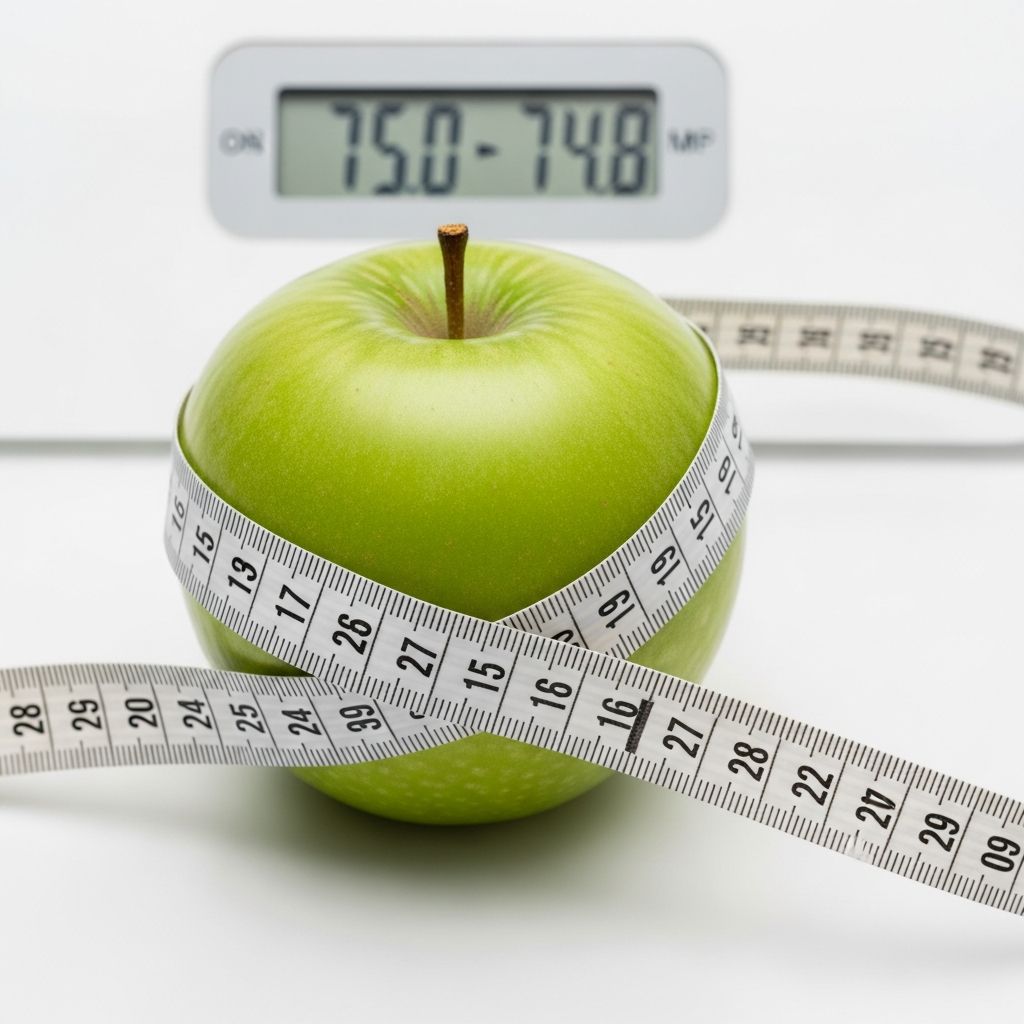
Weight loss occurs when energy intake is less than energy expenditure, typically achieved by eating fewer calories and increasing physical activity. Sustainable weight loss requires lifelong lifestyle changes rather than temporary diets to prevent regain and improve health outcomes like reduced cholesterol and blood pressure.
How weight loss works
The fundamental principle of weight loss is creating an energy deficit: consuming fewer calories than your body uses daily. This deficit prompts the body to burn stored fat for energy. Evidence shows that an energy deficit is the most critical factor, though metabolic adaptations can reduce energy expenditure over time, necessitating long-term strategies. For instance, aiming for a 600 kcal daily deficit through diet and exercise supports steady loss of 0.5-1 kg per week without nutritional imbalance.
Losing 5-10% of body weight yields significant benefits, including lowered cholesterol, blood pressure, blood sugar (reducing diabetes risk), improved sleep apnoea symptoms, and reduced inflammation. Top tip: Focus on gradual loss of 0.5-1 kg weekly; even 5% reduction provides measurable health gains.
Tips for losing weight
Before starting, consult a healthcare professional, especially if you have conditions like diabetes or heart disease. Set realistic goals: aim for 5-10% initial loss, such as 5-10 kg if overweight. Develop an action plan with small, achievable changes, like reducing cake from daily to twice weekly.
Eat mindfully: Overweight individuals often eat faster, so chew slowly— it takes 15-20 minutes for fullness signals to reach the brain via appetite-regulating hormones. Drink water, eat vegetables and protein to combat true hunger, and distinguish it from emotional eating.
Before you start your journey with weight loss
Assess readiness: Consider your eating habits, activity levels, and barriers like stress or temptations. Multicomponent approaches—diet, exercise, behavior, and possibly medication or surgery—are most effective, tailored to individual health, preferences, and risks. Health professionals should have training in weight management.
Avoid unbalanced restrictive diets; prioritize sustainable changes. Track baseline weight, waist circumference, and habits via a food diary.
What to eat for weight loss
Adopt a healthy balanced diet for life, not fad diets. Special ‘wonder’ diets often fail long-term as old habits return. Focus on:
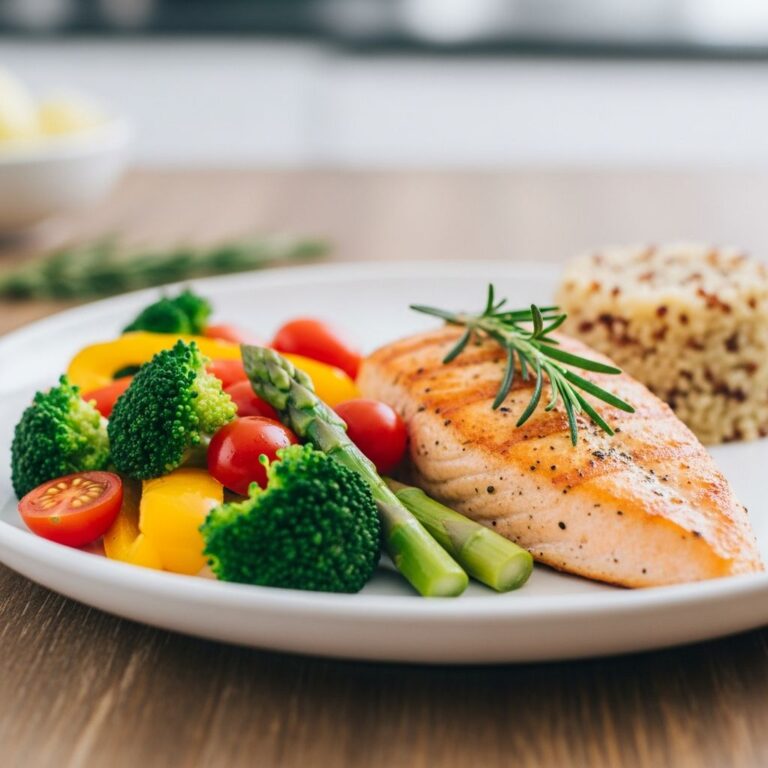
- Plenty of fruits, vegetables, and low-fat meats like chicken.
- Complex carbs: brown rice, sweet potatoes.
- Reduced fats, as 1g fat equals twice the calories of protein.
Low-fat diets (e.g., Weight Watchers) emphasize fruits/veggies for fullness with fewer calories. Low-carb options like Atkins show modest 6-12 month losses but benefits fade later. Mediterranean diet with healthy fats prevents heart disease. Very low-calorie diets (VLCD) or meal replacements suit significant loss needs.
Be careful about what you drink
Beverages contribute hidden calories: sugary drinks, alcohol add up without satiety. Opt for water, herbal teas, or black coffee. Limit fruit juices; eat whole fruits instead. Hydration aids fullness—aim for lots of water alongside veggies and protein.
Increase your physical activity levels
Exercise is essential; weight loss without it is difficult. Start early to avoid limitations from obesity-related issues like joint pain or heart disease. Combine aerobic (walking, running) with strength training. Aim for 150 minutes moderate activity weekly, building gradually. Increased activity boosts energy expenditure, counters metabolic slowdown, and preserves muscle.
Monitor your behaviour and progress
Related Stories



Keep a food/activity diary and weigh weekly. View progress over months, not days—plateaus are normal. Adjust based on patterns: if eating out causes slips, plan alternatives. Regular monitoring sustains motivation and reveals emotional eating triggers.
Get help and support
Self-motivation works for some, but groups or professionals enhance success. Join weight loss programs, apps, or NHS referrals. Support addresses barriers like social eating.
Medicines to help with weight loss
For those with BMI 63.0 (or 63.00with comorbidities), medications like orlistat may aid 2-5 kg annual loss over placebo, plus cholesterol/BP improvements. Weight regain occurs post-treatment, taking years to match losses. Use alongside lifestyle changes; consult doctors for suitability.
Surgery to help with weight loss
Bariatric surgery suits severe obesity (BMI 63.0 or 63.00with conditions) unresponsive to other methods. Procedures like gastric bypass promote substantial, sustained loss but require lifelong commitment. Evidence supports use in multicomponent strategies.
Tempting situations and special occasions
Plan for holidays, parties: pre-eat veggies/protein, portion control, choose grilled over fried. Practice saying no politely. View slips as temporary—resume plan immediately.
Stress, depression and your weight
Emotional eating from stress/depression hinders loss. Address via therapy, mindfulness, or support. Improved mood through activity and achievements aids adherence. Seek professional help if needed.
Keeping the weight off
Regain is common post-diet due to reverting habits. Permanent changes are key: ongoing monitoring, activity, balanced eating. Long-term strategies counter metabolic adaptation; Atkins-like high-protein/low-carb aids maintenance. Lifestyle *for life* prevents yo-yo cycling.
Frequently Asked Questions
What is the best diet for weight loss?
No single ‘best’ diet; energy deficit via balanced, sustainable eating works best. Low-fat, low-carb, Mediterranean all show short-term efficacy, but adherence determines success.
How much weight can I lose per week?
Aim for 0.5-1 kg weekly for safety and sustainability. Faster loss risks muscle loss and regain.
Can I lose weight without exercise?
Possible via diet alone, but exercise enhances loss, prevents regain, and improves health. It’s harder without.
Do low-carb diets like keto or Atkins work long-term?
Modest short-term (6-12 months) losses, but benefits often fade. Useful for some, but combine with lifestyle.
Is intermittent fasting effective?
Forms like 5:2 create deficits; evidence supports modest loss if adhered to, but not superior long-term.
Losing weight and keeping it off demands commitment to lifelong habits. Small changes compound: track progress, seek support, and celebrate non-scale victories like better energy. Consult professionals for personalized plans, especially with health issues. Sustainable loss transforms health, reducing risks of diabetes, heart disease, and more.
References
- Optimal Diet Strategies for Weight Loss and Weight Loss Maintenance — Ard JD et al. 2021-04-07. https://pmc.ncbi.nlm.nih.gov/articles/PMC8017325/
- Obesity in Adults: Facts & Causes — Patient.info. 2023. https://patient.info/doctor/endocrine-disorders/obesity-in-adults
- Obesity and weight loss — Patient.info. 2024. https://patient.info/healthy-living/obesity-overweight
- How to lower your BMI and lose weight healthily — Patient.info. 2024. https://patient.info/features/healthy-living/how-to-lose-weight-in-a-healthy-way
- How to Lose Weight | Expert Tips for Weight Loss — Patient.info. 2025. https://patient.info/healthy-living/weight-loss-weight-reduction
Similar Articles








Read full bio of medha deb