Weighted Blankets For Anxiety: Research-Backed Guide
Discover how weighted blankets may ease anxiety and improve sleep through deep pressure therapy, backed by emerging research.
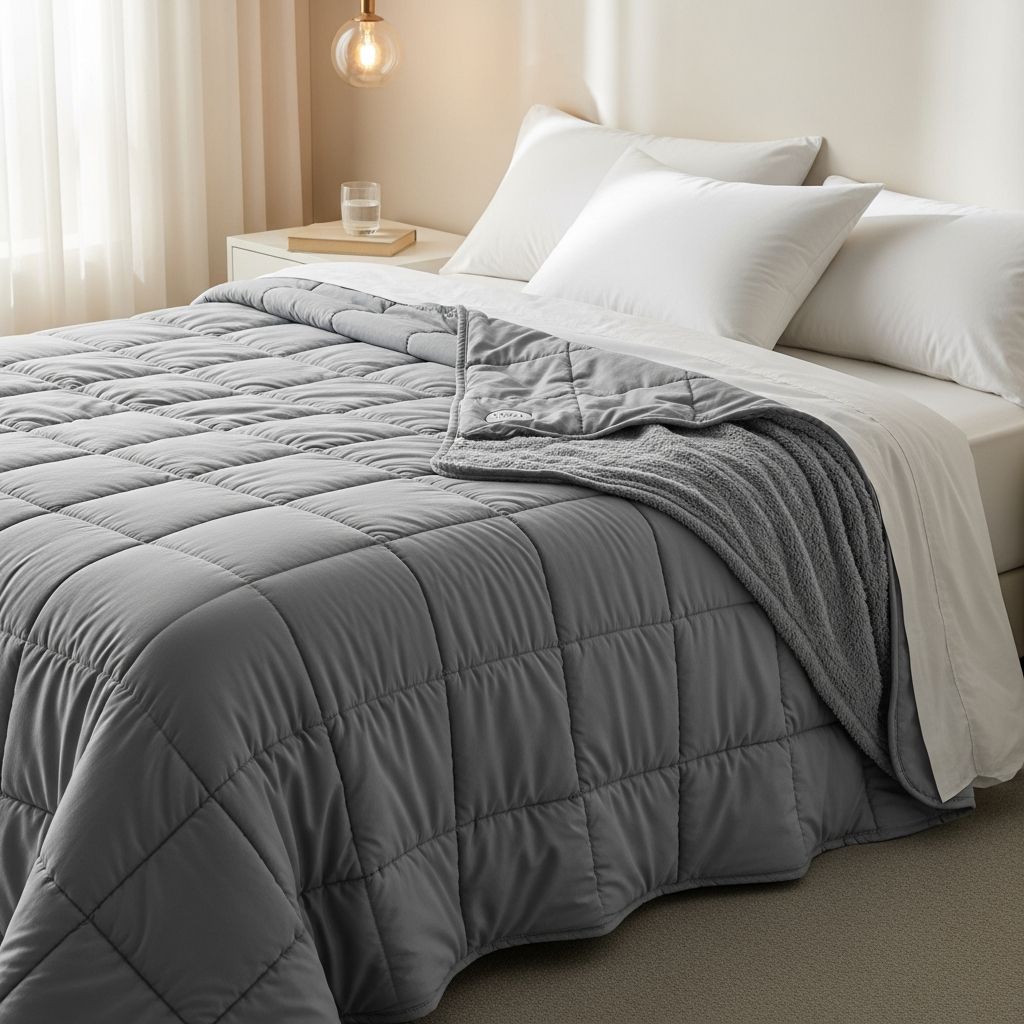
Weighted blankets have surged in popularity as a non-pharmacological tool for managing anxiety, offering a soothing hug-like sensation through deep pressure stimulation (DPT). These blankets, typically weighing 5-30 pounds, activate the parasympathetic nervous system to promote relaxation and better sleep, particularly for those with mental health challenges.
What Are Weighted Blankets?
Weighted blankets differ from standard bedding by incorporating fillers like plastic pellets, glass beads, or heavier fabrics to create gentle, distributed pressure across the body. This mimics therapeutic techniques such as swaddling or hugging, first developed by occupational therapists for individuals with sensory processing issues, autism, and ADHD.
Available in various sizes and weights, they range from child-friendly options at 2-5 pounds to adult models up to 30 pounds. Experts recommend selecting a blanket weighing about 10% of your body weight for optimal comfort—around 15-20 pounds for a 150-200 pound person—ensuring it’s not too heavy to restrict movement.
How Do Weighted Blankets Work?
The core mechanism is
deep pressure touch (DPT)
, which applies even, firm pressure to counteract the fight-or-flight response. This stimulates touch receptors, boosting serotonin and dopamine production while lowering cortisol levels, heart rate, and blood pressure.Studies explain DPT calms the autonomic nervous system:
- Activates the parasympathetic ‘rest and digest’ mode.
- Reduces repetitive or impulsive behaviors in anxiety or ADHD.
- Enhances focus and fine motor skills.
- Mimics a secure embrace, fostering safety and reducing perceived threats.
A Taiwanese study on dental patients showed DPT via weighted blankets increased low-stress brain activity, supporting its use in high-anxiety scenarios.
Do Weighted Blankets Help With Anxiety?
Emerging evidence suggests weighted blankets can reduce anxiety symptoms, especially in clinical populations. A 2021 inpatient study of 122 psychiatric patients found 60% reported lower anxiety with weighted blanket use compared to controls.
Another trial with 120 outpatients (depression, bipolar, anxiety, ADHD) noted improved insomnia and anxiety over four weeks. In chemotherapy patients, weighted blankets significantly lowered anxiety during treatment.
For general ‘casual anxiety’ from daily stress, evidence is weaker—benefits may stem partly from placebo, but user reports of calmer feelings persist. They complement, not replace, therapies like CBT or medication.
Other Potential Benefits of Weighted Blankets
Beyond anxiety, research highlights broader applications:
- Sleep Improvement: A 2020 study of insomnia patients showed better sleep onset, duration, and quality after six weeks.
- ADHD and Autism: Reduces hyperactivity; improves sleep and daytime calm in neurodiverse individuals.
- Depression and Bipolar: Eases fatigue, depression symptoms alongside sleep gains.
- Pain Relief: May lessen chronic pain perception by mitigating emotional stress factors.
- Other: Potential aid for osteoarthritis, restless legs; nursing home residents fell asleep faster, woke less.
A systematic review confirmed most studies show gains in sleep quality, reduced negative emotions, and daytime symptoms across sleep disorders, ADHD, and autism.
Related Stories



What the Research Says
While promising, studies are often small-scale:
| Study | Population | Findings | Source |
|---|---|---|---|
| 2020 Swedish (4 weeks) | Insomnia, anxiety/depression | Improved sleep, less fatigue | |
| 2021 Inpatient (n=122) | Psychiatric patients | 60% lower anxiety | |
| 2020 Chemo patients | Cancer treatment | Reduced anxiety | |
| PMC Review (multiple) | Sleep disorders, ASD, ADHD | Better sleep, emotions |
Larger RCTs are needed for healthy populations and long-term effects. No serious harms reported, but benefits strongest for diagnosed conditions.
Who Might Benefit From a Weighted Blanket?
- People with diagnosed
anxiety disorders
, insomnia, or depression. - Individuals with
ADHD
, autism, or sensory issues seeking calm. - Those experiencing
chronic stress
, poor sleep, or mild pain. - **Children over 3** (lighter weights) with behavioral challenges, under supervision.
Less evidence for healthy adults without symptoms; expectations should be realistic.
Who Shouldn’t Use a Weighted Blanket?
Not suitable for everyone—consult a doctor if you have:
- Sleep apnea, asthma, COPD, or respiratory issues.
- Circulation problems, diabetes, high/low blood pressure.
- Claustrophobia or mobility limitations (frail elderly, infants under 3/50lbs).
- Pets that burrow under covers (weight rule applies).
Risks include overheating, restricted breathing, or panic if too heavy. Children under 3 face suffocation hazards.
How to Choose the Right Weighted Blanket
Key factors:
- Weight: 10% of body weight (e.g., 12-15lbs for 120-150lb person).
- Size: Slightly larger than your bed or body for full coverage.
- Material: Breathable fabrics like cotton; avoid overheating. Glass beads shift less than pellets.
- Removable Cover: Machine-washable for hygiene.
- **Budget: $50-$300; quality correlates with durability.
Test in-store if possible; start lighter if unsure.
Weighted Blanket Alternatives
- Body pillows or snug regular blankets for milder pressure.
- Compression vests/sheets for targeted DPT.
- Therapy tools like squeeze machines (clinical settings).
- Lifestyle: Exercise, mindfulness, sleep hygiene.
For severe anxiety, prioritize professional therapy over self-help alone.
Frequently Asked Questions (FAQs)
Do weighted blankets really work for anxiety?
Yes, for many with clinical anxiety—studies show reduced symptoms via DPT, though less proven for everyday stress.
Are weighted blankets safe for kids?
For children over 3 with appropriate light weight (e.g., 10% body weight), under supervision. Avoid under 3 years due to suffocation risk.
How heavy should my weighted blanket be?
About 10% of your body weight, never exceeding 20-30lbs for adults.
Can weighted blankets help with insomnia?
Evidence supports improved sleep quality, onset, and duration in insomnia, depression, and ADHD patients.
Are there side effects?
Rare, but possible overheating or discomfort if too heavy. Consult doctor for health conditions.
Weighted blankets offer a simple, low-risk option for anxiety and sleep support, grounded in DPT science. While not a cure-all, they provide comfort for many, best used alongside holistic wellness strategies.
References
- Do Weighted Blankets Really Work For Stress And Anxiety? Here’s What The Science Says — ScienceAlert. 2023-10-04. https://www.sciencealert.com/do-weighted-blankets-really-work-for-stress-and-anxiety-heres-what-the-science-says
- Can Weighted Blankets Help with Anxiety? — Geisinger Health. 2022-12-14. https://www.geisinger.org/health-and-wellness/wellness-articles/2022/12/14/20/02/weighted-blankets-help-with-anxiety
- Weighted Blankets: Benefits, Do They Work, and More — Healthline. 2023. https://www.healthline.com/health/anxiety/do-weighted-blankets-work
- The effect of weighted blankets on sleep and related disorders — PMC (NCBI). 2024. https://pmc.ncbi.nlm.nih.gov/articles/PMC11056563/
- Weighted blankets can help with sleep — UCLA Health. 2023. https://www.uclahealth.org/news/article/weighted-blankets-can-help-with-sleep
- Do Weighted Blankets Actually Work? — Virtua Health. 2023. https://www.virtua.org/articles/do-weighted-blankets-actually-work
- Weighing in on weighted blankets: Do they really help anxiety? — Baylor Scott & White Health. 2023. https://www.bswhealth.com/blog/weighing-in-on-weighted-blankets-do-they-really-help-anxiety
Similar Articles








Read full bio of Sneha Tete