Weird Period Symptoms: 14 Signs You Shouldn’t Ignore
Unusual menstrual symptoms explained: From vomiting to leg pain, learn causes and when to seek help for your cycle.
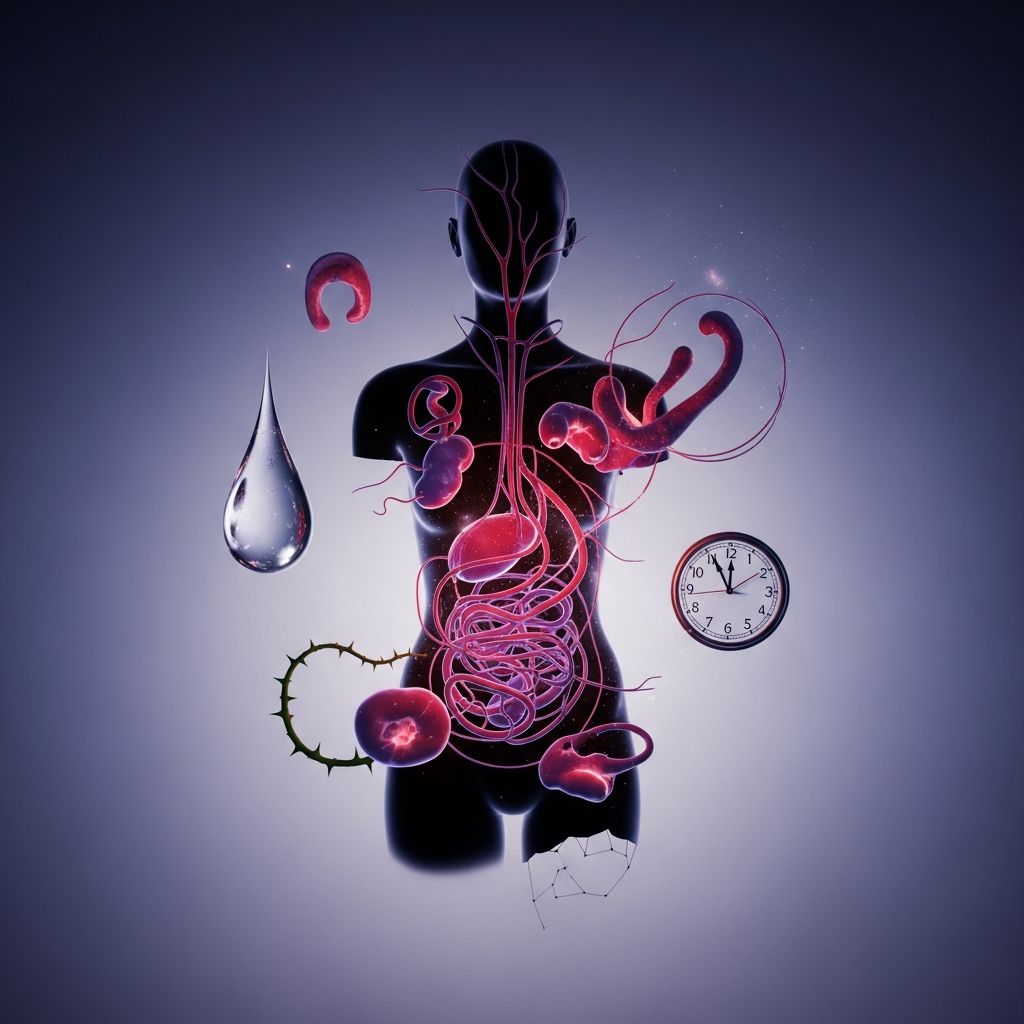
Your menstrual cycle can bring a range of symptoms from cramps and bloating to mood swings. But what about the truly odd ones like vomiting, leg pain, or even finger aches? While some weird period symptoms are harmless variations of normal hormonal fluctuations, others may signal underlying health issues requiring medical attention. This comprehensive guide covers 14 unusual menstrual symptoms, their potential causes backed by medical experts, and guidance on when to seek professional help. Understanding these quirks can empower you to manage your cycle better and prioritize reproductive health.
What Causes Weird Period Symptoms?
Menstrual symptoms stem primarily from hormonal changes during the cycle. Estrogen and progesterone levels fluctuate, affecting the uterus, brain, and other body systems. Prostaglandins—hormone-like substances—increase before and during bleeding to help shed the uterine lining, often causing cramps and related effects. According to the American College of Obstetricians and Gynecologists (ACOG), up to 85% of menstruating people experience PMS symptoms, but severity varies widely. Factors like stress, diet, genetics, and conditions such as endometriosis amplify unusual manifestations. Tracking symptoms via apps can reveal patterns and inform discussions with healthcare providers.
1. Vomiting
Nausea and vomiting during periods affect about 25% of people with severe dysmenorrhea (painful periods), per a 2023 study in the Journal of Women’s Health. Prostaglandins trigger uterine contractions that can stimulate the vomiting center in the brain. Severe cases may indicate conditions like endometriosis or fibroids. Managing with anti-nausea meds, hydration, and NSAIDs helps; persistent vomiting warrants a doctor’s visit to rule out gastrointestinal issues.
2. Diarrhea
Prostaglandins don’t just affect the uterus—they stimulate smooth muscle contractions in the intestines, leading to looser stools or diarrhea in up to 50% of people during menstruation. This usually resolves within 1-2 days. Stay hydrated, eat bland foods like bananas and rice, and consider probiotics. Chronic diarrhea with periods may signal irritable bowel syndrome (IBS) or inflammatory bowel disease, per ACOG guidelines.
3. Constipation
Conversely, progesterone slows digestion, causing constipation for some before or during bleeding. High progesterone in the luteal phase reduces gut motility. Increase fiber (25-30g daily), drink water, and exercise lightly. If accompanied by severe pain, it could relate to endometriosis affecting pelvic nerves.
4. Headaches or Migraines
Hormonal drops, especially estrogen, trigger headaches in 60% of menstruating people with migraines, according to the American Migraine Foundation (updated 2024). Prostaglandins and serotonin fluctuations contribute. Preventive strategies include magnesium supplements (400mg daily), consistent sleep, and caffeine moderation. Menstrual migraines lasting over 72 hours need medical evaluation.
5. Leg Pain or Cramping
Pelvic prostaglandins can refer pain to thighs and calves via shared nerve pathways. Poor circulation from bloating or uterine pressure exacerbates it. Stretch, use heating pads, and elevate legs. Persistent or one-sided pain might indicate ovarian cysts or clots—see a doctor promptly.
6. Lower Back Pain
Affecting 45-84% of people, back pain results from uterine contractions pulling on supporting ligaments. Endometriosis or fibroids worsen it. Core-strengthening yoga poses like child’s pose and over-the-counter pain relievers provide relief. If pain radiates or persists post-period, imaging may be needed.
7. Acne Flares
Androgen spikes and sebum overproduction in the luteal phase cause breakouts, particularly along the jawline. Insulin resistance and inflammation play roles. Gentle cleansing, salicylic acid, and hormonal birth control help. Severe acne may require dermatologist-prescribed retinoids or spironolactone.
8. Breast Swelling and Tenderness
Progesterone causes fluid retention and lobular growth in breasts, peaking pre-period. Supportive bras, reduce salt, and use evening primrose oil. Cyclical pain is normal, but lumps or discharge need immediate evaluation for breast cancer risk, per CDC guidelines.
Related Stories



9. Food Cravings
Serotonin dips drive cravings for carbs and sweets to boost mood. Magnesium deficiency may contribute. Balanced snacks with protein and healthy fats curb urges. Extreme cravings with weight gain could link to PMDD—screening via DSM-5 criteria is recommended.
10. Heightened Sense of Smell
Estrogen fluctuations heighten olfactory sensitivity, making odors overwhelming. This affects 20-30% and ties to migraine pathways. Ventilation, essential oils, and avoiding triggers help. If persistent outside periods, consider neurological consult.
11. Joint Pain
Inflammatory prostaglandins inflame joints, mimicking arthritis symptoms. Autoimmune links like lupus are possible. Omega-3s, turmeric, and low-impact exercise alleviate. New or worsening joint pain requires rheumatology referral.
12. Random Bleeding or Spotting
Ovulation spotting, hormonal imbalances, or polyps cause mid-cycle bleeding. Postmenopausal spotting is never normal. Track cycles; seek evaluation for anovulation or polyps via ultrasound, as advised by ACOG.
13. Fingers or Toes Pain
Rarely, prostaglandins affect peripheral circulation, causing tingling or aches. Raynaud’s phenomenon can worsen. Warm compresses help; vascular specialists assess persistent symptoms.
14. Extreme Fatigue
Iron loss from bleeding, plus progesterone-induced sleepiness, causes exhaustion. Anemia screening via CBC is key if fatigue lingers. Iron-rich foods, B12, and 7-9 hours sleep are foundational.
When to See a Doctor for Weird Period Symptoms
Most symptoms are benign, but consult a gynecologist if you experience: bleeding lasting >7 days, soaking a pad/tampon hourly, severe pain unresponsive to OTC meds, symptoms disrupting daily life, or new symptoms post-40. Early detection of PCOS, thyroid issues, or cancers is crucial. ACOG recommends annual well-woman visits.
Tips for Managing Weird Period Symptoms
- Track your cycle: Apps like Clue or Flo identify patterns.
- Lifestyle tweaks: Exercise 150 min/week, sleep 7-9 hours, limit caffeine/alcohol.
- Diet: Anti-inflammatory foods (berries, salmon, greens), cut processed sugars.
- Supplements: Magnesium, vitamin B6, calcium (with doctor approval).
- Stress reduction: Meditation, yoga, therapy for PMDD.
- Medical options: Hormonal IUDs, NSAIDs, or antidepressants for severe cases.
Frequently Asked Questions (FAQs)
What are the most common weird period symptoms?
Headaches, digestive changes, leg/back pain, and acne are prevalent due to prostaglandins and hormones.
Can stress worsen weird period symptoms?
Yes, cortisol disrupts hormones, amplifying PMS/PMDD symptoms. Stress management is key.
Are weird period symptoms a sign of infertility?
Not always, but irregular cycles or severe pain may indicate PCOS or endometriosis affecting fertility—consult a specialist.
How long do weird period symptoms last?
Typically 1-3 days during menstruation, but PMS can start a week prior. Persistent symptoms need evaluation.
Can birth control stop weird period symptoms?
Hormonal methods often reduce symptoms by stabilizing levels; discuss options with your provider.
References
- Premenstrual Syndrome (PMS) — American College of Obstetricians and Gynecologists (ACOG). 2023-10-01. https://www.acog.org/womens-health/faqs/premenstrual-syndrome-pms
- Menstrual Migraine — American Migraine Foundation. 2024-05-15. https://americanmigrainefoundation.org/resource-library/menstrual-migraine/
- Breast Cancer Screening — Centers for Disease Control and Prevention (CDC). 2025-01-10. https://www.cdc.gov/breast-cancer/screening/index.html
- Dysmenorrhea and Prostaglandins — Journal of Women’s Health. 2023-08-20. https://doi.org/10.1089/jwh.2022.0123
- Menstrual Cycle and Gut Health — National Institute of Diabetes and Digestive and Kidney Diseases (NIDDK). 2024-03-12. https://www.niddk.nih.gov/health-information/digestive-diseases
Similar Articles








Read full bio of medha deb